imposes fresh sanctions
| |

US imposes fresh sanctions on Mahan Air allies

The United States has imposed fresh sanctions on an international network accused of supporting Iran’s Mahan Air, alleging the airline has played a key role in transporting personnel, weapons, and drones linked to Iran’s Islamic Revolutionary Guard Corps (IRGC).

In a statement, the US Treasury Department announced sanctions against six individuals and entities based in China, India, Russia, and Iran. The targeted network is accused of facilitating operations for Mahan Air despite existing US and European sanctions on the carrier.

According to US officials, several of the sanctioned companies acted as sales agents for Mahan Air, helping the airline maintain international operations and evade restrictions imposed by Western governments.

Washington has repeatedly accused Mahan Air of providing logistical support to the IRGC by transporting military personnel, weapons, and unmanned aerial vehicles. Iran has consistently denied similar allegations in the past.

The latest sanctions come amid heightened tensions between the United States and Iran following recent drone attacks targeting gas-carrying vessels at Egypt’s Mediterranean port of Damietta. The incident has raised concerns that the confrontation between the two countries could expand into a new area of conflict.

The US said the new measures are aimed at disrupting financial and commercial networks that support Iran’s sanctioned aviation sector and limiting its ability to conduct activities viewed as a threat to regional security.

Similar Posts

  • |

    Nimra Khan shares advice for parents on daughters’ marriage

    Nimra Khan is a well-known Pakistani actress and model who has remained associated with the entertainment industry for many years. Throughout her career, she has earned recognition for her acting skills and strong presence on television. However, her personal life has also attracted considerable public attention, particularly after she went through some difficult experiences. The actress previously survived a horrific traffic accident and later spoke about facing domestic violence during her first marriage. Despite the challenges she encountered, Nimra continued to move forward and eventually found happiness again when she got married for the second time. Her second marriage initially appeared to be a happy new beginning. Nimra openly shared moments of joy with her followers and celebrated the new chapter of her life. However, the happiness did not seem to last for long. In recent weeks, both Nimra and her husband have shared cryptic posts on social media, leading fans to speculate that their relationship may have come to an end. Adding to the speculation, Nimra has removed several of her wedding pictures from social media. She has also been sharing posts discussing toxic relationships, difficult men and the importance of women maintaining their independence. Her recent messages have sparked considerable discussion among her followers. Nimra has now shared advice directed at parents who are preparing to marry off their daughters. She reposted a message from a father advising parents to carefully consider the financial circumstances and character of a man before marrying their daughters to him. The message particularly warned parents against marrying their daughters to men who are financially unstable and dependent on others. Nimra appeared to agree with the advice and emphasized the importance of checking a prospective husband’s financial situation before making such a major decision. Her message reflects a broader discussion about the responsibilities of parents when arranging or approving marriages. Financial stability, emotional maturity, respect and the ability to take responsibility are often considered important factors when evaluating a potential life partner. However, Nimra’s advice also received mixed reactions from social media users. While some people agreed with her point and appreciated her willingness to speak about the issue, others questioned whether she should be giving relationship advice based on her own experiences. One social media user commented that Nimra should focus on healing rather than becoming involved in what they described as unnecessary drama. Another person pointed out that she had already been married twice and questioned her advice about remaining single and independent. At the same time, some users defended Nimra’s viewpoint. One commenter agreed that parents should carefully evaluate a man’s circumstances before marrying their daughters but raised another question about what qualities parents should consider when evaluating girls. Nimra’s latest post has therefore opened another debate about marriage, financial stability, independence and the responsibilities of both families. While opinions remain divided, her comments have once again placed her personal experiences and views on relationships at the centre of public discussion.

  • | | |

    Saudi Arabia rolls over $5bn Pakistan deposit

    Pakistan’s external financing pressure has eased after Saudi Arabia extended a $5 billion deposit for another three years, State Bank of Pakistan Governor Jameel Ahmad said on Wednesday. The rollover will give Pakistan additional breathing space as it manages its external debt obligations and works to strengthen its foreign exchange position. According to the governor, the Saudi deposit has been extended until December 2028. The development has reduced Pakistan’s gross external financing requirement for the current fiscal year to around $21.5 billion. Pakistan has received a total of $8 billion in deposits from Saudi Arabia. This includes $3 billion received in April this year. The remaining $5 billion had previously been rolled over annually. The latest arrangement provides Pakistan with a longer repayment period and reduces immediate pressure on its external account. Ahmad said lower interest costs on foreign debt had also helped reduce Pakistan’s financing requirements. He estimated the reduction at nearly $500 million. Pakistan continues to rely significantly on external financing to meet debt repayments and cover external account needs. The government is seeking to increase exports, attract investment and improve other sources of foreign exchange. The governor said the International Monetary Fund has projected Pakistan’s external financing requirements at around $30 billion for the next fiscal year. However, he said the estimate could be revised downward if the government succeeds in securing additional longer-term financing and improving external inflows. According to Ahmad, Pakistan’s $21.5 billion financing requirement includes around $7.3 billion in cash deposits and approximately $3.5 billion in foreign commercial loans maturing during the year. Pakistan also owes around $250 million to Kuwait through a long-standing cash deposit arrangement. The governor did not comment on reports concerning Pakistan’s request for a $10 billion credit facility from the United States. He said the federal government would be in a better position to respond to the matter. Pakistan also repaid a $1.3 billion Chinese commercial loan during July. The repayment temporarily reduced the country’s foreign exchange reserves to around $17.3 billion as of July 17. Ahmad said China was expected to refinance the amount, with the funds potentially arriving next month. Of Pakistan’s total external financing needs, around $7.5 billion represents net debt repayments. The country had already repaid approximately $2.2 billion during July, reducing the pressure for the remaining months of the fiscal year. The central bank governor also revealed that the State Bank had purchased around $9 billion from the local foreign exchange market during the previous fiscal year. The purchases were aimed at strengthening the country’s foreign exchange reserves. Over the past three years, the central bank’s total purchases from the market have reached around $28 billion. The State Bank expects workers’ remittances to continue supporting Pakistan’s external position. Remittances are projected to help finance a significant portion of the expected trade deficit. The central bank has also set a target of increasing foreign exchange reserves to $20.20 billion by the end of December 2026. Meanwhile, Ahmad told the Senate Standing Committee on Finance that the federal government had not allocated a subsidy for remittance transfers. He said commercial banks would now bear the cost of transferring workers’ remittances. Overseas Pakistanis sending money home would not be charged additional transfer fees. The committee also reviewed banking charges and services, including SMS alerts and card transactions.

  • |

    Germany’s delayed lignite review fuels debate over coal exit

    BERLIN: Germany’s decision to postpone an interim assessment of its planned lignite phase-out in North Rhine-Westphalia has raised speculation that some coal-fired power plants could remain available for longer than originally scheduled to protect the country’s electricity supply. The German government had been expected to publish an interim report by August 15 examining the consequences of the planned early shutdown of lignite-fired generation in the country’s largest state. However, the economy ministry has delayed the assessment while it awaits the outcome of tenders for new gas-fired power plants being conducted this year. The development has attracted attention because the report is expected to play an important role in determining whether Germany can maintain electricity security while moving ahead with its ambitious coal-exit strategy. Agreement with RWE Under an agreement reached in 2022 between the German government and energy company RWE, lignite-fired electricity generation in North Rhine-Westphalia is scheduled to end by March 2030. The timetable brought forward the shutdown of several lignite plants by eight years compared with Germany’s broader national coal phase-out target. Lignite, commonly known as brown coal, is among the most carbon-intensive fossil fuels and has long been a major target of Germany’s efforts to reduce greenhouse-gas emissions. The government nevertheless retained the possibility of reassessing the situation by 2026. If the review finds that electricity supplies could be threatened, some RWE facilities could potentially remain available until 2033. Delay raises market expectations The postponement of the interim report has prompted speculation in energy markets that Berlin may eventually use the security provisions included in the agreement. Market expectations have centred on around 3.6 gigawatts (GW) of RWE’s lignite-fired capacity potentially being placed into a so-called security standby arrangement. Under such a mechanism, plants could remain available to operate if the electricity system faces supply shortages, potentially extending their role through the end of 2033. The government, however, has not announced any decision to extend the operating life of the plants. RWE Chief Executive Markus Krebber said on Thursday that the company had not been informed of any change to the agreed 2030 shutdown date. He also indicated that the government had not approached RWE about extending the plants’ operations. Gas power becomes increasingly important The delay comes as Germany seeks to strengthen its electricity system with additional gas-fired generation. Germany has approximately 266 GW of installed electricity-generation capacity, but a substantial portion comes from solar and wind power. While renewable energy has expanded rapidly, both technologies are weather-dependent and cannot independently guarantee continuous electricity production around the clock. That has intensified concerns about how the country will maintain reliable power supplies as coal-fired generation is gradually removed from the system. Gas-fired plants are increasingly being considered as a flexible source of electricity that can support the grid when renewable generation is insufficient. The government’s current tenders for new gas capacity are therefore closely linked to the broader debate over how quickly Germany can retire coal-fired plants without creating supply risks. Security of supply remains a key concern Germany’s energy transition has faced a difficult balancing act between climate objectives and electricity reliability. The country wants to expand renewable generation while reducing its reliance on fossil fuels, but the retirement of conventional power plants removes generation capacity that can be dispatched when required. The issue became particularly sensitive following the country’s decision to phase out nuclear power, leaving policymakers with fewer sources of low-carbon, dispatchable electricity. Supporters of a rapid coal exit argue that expanding renewable generation, electricity storage, grid infrastructure and flexible gas capacity can compensate for the closure of coal plants. Critics maintain that Germany could face periods of tight supply unless sufficient backup generation is available. AfD presses for reversal The issue has also become politically contentious. The far-right Alternative for Germany (AfD), currently the country’s largest opposition party and leading nationwide opinion polls, has strongly opposed Germany’s coal and nuclear phase-out policies. The party has called for a reversal of the energy-exit strategy, arguing that the closure of conventional power stations could increase the risk of electricity shortages and potentially lead to blackouts. The government, meanwhile, faces the challenge of ensuring that its climate commitments do not undermine electricity security.

  • | | |

    Sindh empowers Deputy Commissioners to manage Evac…

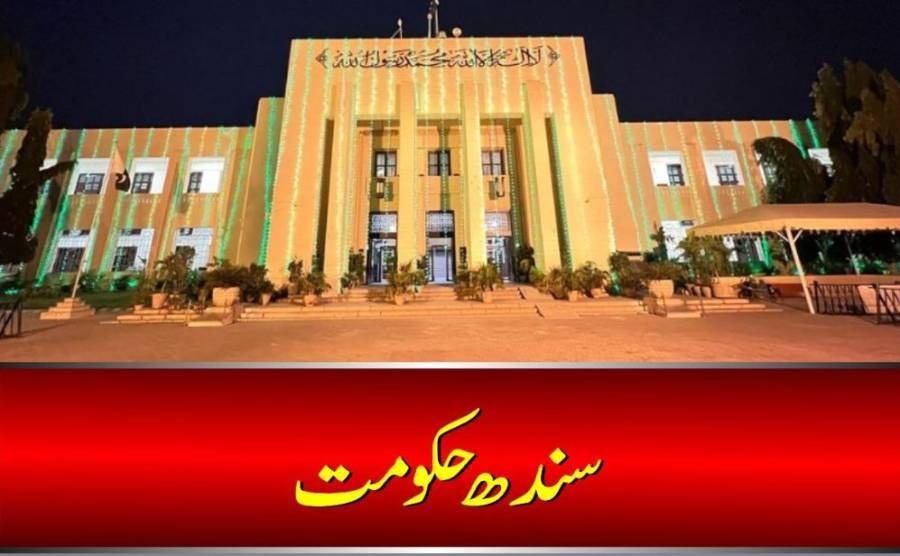
    The Sindh government has expanded the powers of deputy commissioners by appointing them as administrators of evacuee trust properties in their respective districts. According to a notification issued by the Sindh Minorities Affairs Department all deputy commissioners in the province have been given additional responsibilities to oversee and protect evacuee trust properties. Under the new arrangement deputy commissioners will supervise commercial, agricultural and religious properties located within their districts. They will also be responsible for ensuring the proper management protection and regulation of these properties. The move is aimed at strengthening the administrative oversight of evacuee trust properties and ensuring that such assets are properly managed at the district level. The notification gives deputy commissioners specific powers to regulate and protect these properties. They will also be required to establish district-level committees to assist with the administration and management of evacuee trust properties. The Sindh government’s decision is expected to provide a more centralized administrative mechanism for dealing with properties under the relevant trust arrangements. District administrations will now have a greater role in monitoring these assets and addressing issues related to their management. The new powers cover different categories of properties including commercial agricultural and religious assets. Deputy commissioners will oversee these properties within their respective jurisdictions and take administrative measures under the authority granted by the provincial government. The notification further states that the new orders will take effect immediately. The decision comes as provincial authorities seek to strengthen the protection and regulation of properties that fall under the evacuee trust framework. By assigning these responsibilities to deputy commissioners the government has placed district administrations at the center of the property management process. The formation of district-level committees is also expected to help deputy commissioners carry out their new responsibilities and improve coordination between relevant departments. The Sindh government has not indicated that the new arrangement is temporary. With immediate effect deputy commissioners across the province will exercise their newly assigned administrator powers and oversee evacuee trust properties within their districts. The development represents a significant expansion of the administrative role of deputy commissioners in Sindh and gives district authorities greater responsibility for the protection regulation and management of evacuee trust properties

  • |

    Delhi pushes electric vehicle drive to tackle worsening air pollution

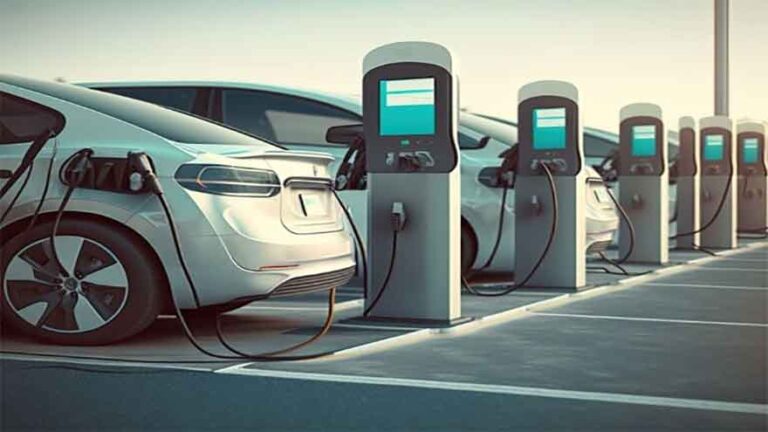
    Delhi has launched one of India’s boldest electric vehicle plans as authorities step up efforts to reduce dangerous air pollution in the capital. The new policy, introduced on July 1, aims to ensure that most newly registered vehicles in the city are electric by 2027. Officials believe the move will improve air quality and reduce harmful emissions, although experts say its success will depend on expanding charging facilities and strengthening the electricity network. Across several parts of Delhi, electric vehicle charging stations are becoming increasingly busy as more residents switch to battery powered scooters, cars and commercial vehicles. Even so, many drivers say the city still lacks enough charging points to support widespread use. Shyam Singh, who uses an electric scooter for work, said the existing infrastructure is not sufficient, especially for people who travel long distances. He explained that limited battery range and the shortage of charging stations remain major concerns for potential buyers. Under the new policy, existing petrol and diesel vehicles will not be banned, but the government expects their numbers to decline over time as electric vehicles become more common. Buyers will receive financial incentives including subsidies, exemptions from registration fees and some road taxes. People who scrap older fuel powered vehicles will also qualify for additional cash rewards. Authorities estimate the policy will cost around 150 billion rupees and is designed to encourage faster adoption of cleaner transport across the city. The plan focuses heavily on two and three wheelers, which make up nearly 70 percent of vehicles on Delhi’s roads. From 2027, all newly registered three wheelers and small commercial trucks must be electric. The same requirement will apply to newly registered two wheelers from the following year. Larger passenger cars and heavy vehicles running on conventional fuels will still be allowed for now. Electric vehicles currently account for only about five percent of the nearly 8.7 million vehicles registered in Delhi. However, registrations have grown steadily over the past year, with more than 100,000 new electric vehicles added, most of them scooters and auto rickshaws. Experts say the latest policy sends a clear signal that the city is committed to reducing dependence on fossil fuel powered transport. Energy specialists have described Delhi’s strategy as one of the most ambitious electric vehicle policies introduced by any Indian state. Jaideep Saraswat of the Vasudha Foundation said the firm deadlines make it clear that the transition to electric transport is unavoidable. He believes the policy will encourage both manufacturers and consumers to prepare for a future where electric vehicles dominate the market. Delhi has struggled with severe air pollution for years, particularly during winter when smog often reaches hazardous levels. The city regularly experiences school closures, restrictions on construction and emergency health measures because of poor air quality. Vehicles contribute around one quarter of pollution across the National Capital Region, while two and three wheelers alone account for almost half of transport related emissions within the city. Analysts say Delhi has already taken important steps toward cleaner transport in the past, including shifting many public vehicles to compressed natural gas. According to energy experts, electric vehicles represented around 12.7 percent of new vehicle sales in Delhi during the 2026 financial year, compared with the national average of 8.3 percent. They believe the latest policy builds on that progress by linking financial incentives with strict registration deadlines for conventional vehicles. Despite the optimism, several challenges remain. Some residents are still hesitant to switch because they worry about battery life, charging convenience and the effect of seasonal flooding on electric vehicles. Others believe more advanced and affordable models will become available in the coming years, making it worthwhile to delay their purchase. Experts also stress that expanding charging infrastructure is only part of the solution. Delhi must increase the use of renewable energy to power electric vehicles and modernize its electricity grid to handle rising demand. Fast charging stations, battery storage systems and better electricity management will all be necessary to support large scale adoption. Specialists also believe cooperation with neighboring states will be essential to reduce emissions from the wider power network and create a cleaner transport system for the entire region.

  • |

    Türkiye, Saudi Arabia and Pakistan to establish new defence cooperation mechanisms

    ANKARA: Türkiye, Saudi Arabia and Pakistan are set to establish new political and military coordination mechanisms following the signing of a landmark joint defence agreement, as the three countries move to strengthen strategic cooperation amid growing security concerns in the region. Türkiye’s Defence Ministry said on Thursday that the framework agreed by the three countries would bring senior political and military leadership into a structured mechanism aimed at enhancing coordination on defence and security matters. The three nations signed the Makkah Joint Defence Agreement on August 7, marking a significant development in their security relations. The agreement comes at a time of heightened tensions across the Middle East, with the escalation of regional hostilities raising security concerns among Gulf states and other countries in the region. Under the agreement, an armed attack against any one of the three countries would be treated as an attack against all members. The provision establishes a collective-defence commitment similar in principle to the collective security arrangement contained in Article 5 of the North Atlantic Treaty Organisation (NATO). High-level political and military coordination According to the Turkish Defence Ministry, the new mechanisms will involve the defence ministers, foreign ministers and military chiefs of Türkiye, Saudi Arabia and Pakistan. The arrangement is expected to provide the three countries with a regular platform for consultations on regional security developments, defence policy and potential threats. It could also facilitate closer coordination between their armed forces and government institutions. The agreement reflects the growing strategic importance of cooperation between the three Muslim-majority countries, particularly as regional security challenges continue to evolve. Joint military exercises planned The Turkish ministry also said the three countries were planning joint military exercises under the new defence framework. Such exercises could provide opportunities for their armed forces to improve interoperability, exchange operational experience and strengthen their ability to coordinate during potential security crises. Defence cooperation is also expected to extend beyond military exercises. The Turkish side said the agreement could pave the way for greater collaboration in the defence industry, including joint production, technology sharing and other forms of industrial cooperation. The expanded defence-industry partnership could allow the three countries to explore opportunities for developing and producing defence equipment together while sharing technical expertise and capabilities. Agreement follows rising regional tensions The pact was signed against the backdrop of heightened tensions in the Middle East, which have raised concerns over the security of Gulf countries and critical energy infrastructure. The escalation has also highlighted the importance of collective security arrangements and closer coordination among regional powers. For Pakistan, the agreement represents another step towards strengthening defence and strategic ties with Türkiye and Saudi Arabia. Islamabad has traditionally maintained close military and diplomatic relations with both countries. The agreement is therefore expected to broaden cooperation from traditional bilateral defence relations towards a more structured trilateral framework involving political consultations, military coordination and defence-industrial collaboration. Pakistan’s Deputy Prime Minister and Foreign Minister Ishaq Dar has also clarified the scope and intent of the Makkah agreement, stressing the nature of the arrangement and its broader security objectives. The three countries are now expected to work out the details of the new mechanisms, including the structure of ministerial consultations, military coordination and proposed joint exercises.

Leave a Reply

Your email address will not be published. Required fields are marked *