intense clashes persist

Intense Clashes Persist at Key Thai-Cambodian Border Flashpoints

BANGKOK – Fighting along the Thai-Cambodian border remained intense on Saturday, with particularly heavy exchanges reported in parts of Si Sa Ket province. According to a situation update from the 2nd Army Area, Cambodian forces launched repeated artillery strikes and armored attacks on Thai positions in several zones, prompting Thai counter-fire that destroyed multiple enemy firing points and vehicles.

U.S. Hopes for Thai-Cambodian Ceasefire by Early Next Week, Says Rubio

The conflict saw some of the heaviest drone deployments observed so far, with numerous unmanned aerial vehicles, including FPV attack drones, reported over Thai positions throughout Friday night. In the Phanom Dong Rak area of Surin province, Cambodian forces attempted to reinforce their positions and fired heavy weapons at Thai troops near the Ta Kwai temple, drawing retaliatory artillery and mortar fire.

The Thai army confirmed it has secured the strategic Hill 350 near the temple and recovered the bodies of two soldiers killed in earlier fighting. One Thai soldier was injured in a separate strike near Ta Muen Thom in Surin and has been transferred for medical treatment. Other sectors, including sections of Ubon Ratchathani and Buri Ram provinces, were reported as relatively calm with heightened monitoring but no significant hostilities.

Despite the ongoing clashes, the Thai military stated the overall situation remains under control, though it warned that Cambodian troops appear to be strengthening defensive positions and adjusting their battlefield posture in anticipation of further confrontations.

In a significant allegation, the 2nd Army Area released what it described as evidence showing Cambodian troops violating international humanitarian law over the past 13 days of conflict. The army accused Cambodian forces of using protected heritage sites as military bases, deploying civilians—including women and children—inside combat zones, and engaging them in direct and indirect military support roles.

Video and photographic material reportedly shows Cambodian military activities inside ancient structures, civilians handling ammunition and explosive devices, and the presence of landmines and improvised explosive devices in restricted areas. The army stated these actions breach the Geneva Conventions and broader international humanitarian law, which require parties to clearly distinguish civilians from combatants and prohibit the use of cultural heritage sites for military purposes.

Thai F-16 Bombs Key Cambodian Bridge in Strategic Escalation

The army further condemned what it called “indiscriminate” firing by Cambodian troops, which it said has severely impacted civilian homes, hospitals, and schools—all non-military targets. It emphasized that even in wartime, humanitarian principles must be upheld to protect human life and dignity.

-Thailand News (TN)
Similar Posts

  • Thailand to Rethink Gun Laws After School Shooting Leaves 9 Dead

    BANGKOK – A horrific school shooting in Thailand has left the entire nation in shock and deep mourning. Nine people are tragically dead, and 15 others are seriously injured following a brutal attack. The violence occurred at a well-known high school located just outside the bustling capital of Bangkok. This devastating tragedy has immediately forced […]

  • | |

    Punjab upgrades livestock disease surveillance sys…

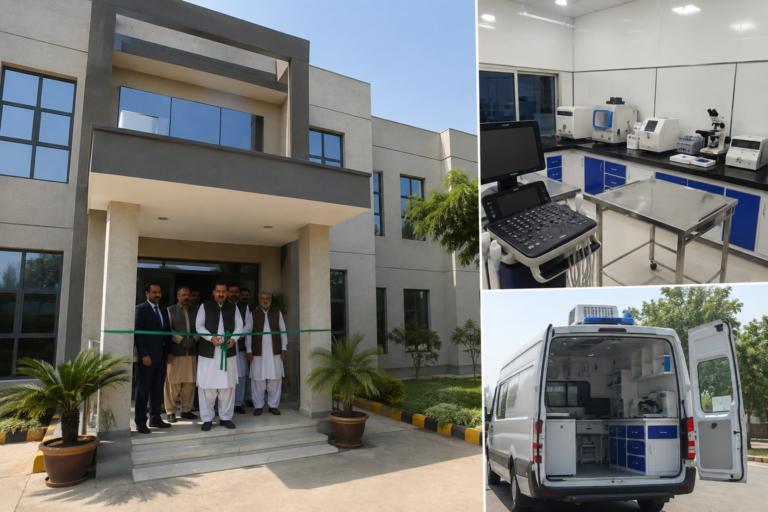
    Punjab has taken a major step toward modernizing its livestock health system with the establishment of a new Animal Disease Reporting and Surveillance Directorate and a Provincial Response Unit. Provincial Minister for Livestock and Agriculture Syed Ashiq Hussain Kirmani inaugurated the new building of the Directorate of Animal Disease Reporting and Surveillance on Tuesday, August 18. Speaking at the inauguration, Kirmani said the Punjab Livestock Department has established the Animal Disease Reporting and Surveillance and Provincial Response Unit to strengthen disease monitoring and ensure a rapid response to emergencies involving animal diseases. He said the Provincial Response Unit will remain prepared to respond quickly to disease outbreaks and other unexpected situations, helping protect livestock and support farmers. Kirmani said Punjab has become the first province to establish a modern disease diagnosis and surveillance system for the livestock sector. Under the new system, the department’s divisional, district and tehsil-level formations will work in coordination with the provincial unit. According to the minister, the upgraded system will bring livestock disease diagnosis and surveillance in line with modern requirements and improve the department’s ability to identify and respond to outbreaks at an early stage. He said renovation and upgradation work on District Disease Investigation Laboratories in 27 districts is being completed within a short period. The laboratories are also receiving modern equipment, including X-ray and ultrasound machines, along with other essential diagnostic tools. The department is also introducing 17 mobile veterinary laboratories to provide on-site disease diagnosis and surveillance in the field. These mobile units will carry the equipment and supplies required for diagnosing diseases and providing veterinary treatment, allowing departmental teams to reach affected farmers without unnecessary delays. Kirmani said the modern laboratory network will help Punjab tackle major challenges in the livestock sector, particularly sudden outbreaks of infectious diseases among animals. He added that the government is working to bring disease surveillance and rapid-response mechanisms in line with international standards. He further said that under the leadership of Chief Minister Maryam Nawaz, the provincial government has developed a system under which livestock department teams will reach farmers directly instead of requiring farmers to travel to departmental facilities for every issue. The minister said Chief Minister Maryam Nawaz has provided the Livestock Department with funding and other necessary facilities to strengthen veterinary services across Punjab. He added that the new mobile veterinary laboratories will also connect with a vehicle tracking and monitoring system similar to the system used by the Suthra Punjab Authority. The technology will help officials monitor the movement and deployment of mobile units and improve the department’s field response. The initiative is expected to strengthen disease detection, improve emergency response, expand veterinary services in rural areas and provide farmers with faster access to livestock healthcare.

  • | | |

    Army captain martyred, seven militants killed in H…

    Army captain martyred, seven militants killed in Hangu operation A Pakistan Army captain was martyred during an intelligence-based operation in Hangu district of Khyber Pakhtunkhwa, while security forces killed seven militants, according to the military’s media wing. The operation was carried out on August 7 after security agencies received information about the presence of militants in the area. Security forces launched the raid after confirming the reported militant presence. Troops engaged the militants at their hideout. Seven militants were killed during the exchange of fire. Captain Hamza Akram, 27, was also martyred during the operation. He belonged to Narowal district. According to the Inter-Services Public Relations (ISPR), Captain Hamza was leading his troops from the front. He continued pursuing the militants during the firefight and lost his life while performing his duty. Security forces recovered weapons and ammunition from the militants’ possession. The military said the killed militants were involved in attacks against security personnel and law enforcement agencies. They were also linked to attacks targeting civilians. A clearance operation was launched after the main engagement. Security personnel searched the surrounding area to ensure that no militants remained there. Three militants killed in Mastung operation In a separate operation in Balochistan, security forces killed three militants in Mastung district. The operation was conducted in the Kambela and Asimabad areas as part of Operation Rad-ul-Fitna-3. Security forces carried out an extensive search and clearance operation across an area of around 68 square kilometres. Three militants were killed during the operation. The bodies of two of the militants were recovered. Four other militants were injured, including a key commander identified as Shaukat Mama, according to security sources. Security personnel also detained 12 suspects for questioning during the operation. Militant hideouts were dismantled during the clearance activity. Security forces also removed flags associated with the militant group from the cleared areas. The latest operations come amid continued security challenges in Khyber Pakhtunkhwa and Balochistan. Both provinces have witnessed a significant number of militant attacks in recent years. Security forces have intensified intelligence-based operations to target militant networks, their hideouts and support structures.

  • Huge Drug Bust: Police Seize 1 Ton of Crystal Meth

    BANGKOK – Metropolitan police recently stopped a massive drug smuggling operation headed straight for the capital city. Officers successfully seized exactly one ton of crystal methamphetamine during a highly coordinated roadside sting operation. The bust safely took place at a busy gas station in Chai Nat province on August 8. The smuggling ring tried to […]

  • Cambodia Blocks Return of Thais at Poipet Border Crossing Indefinitely

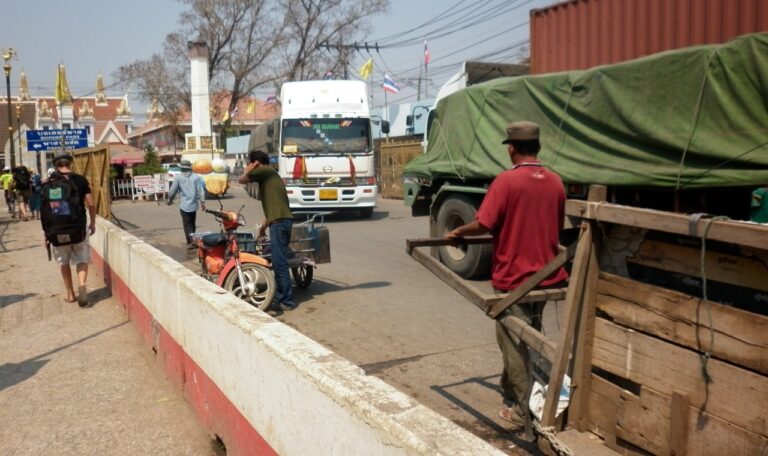
    BANGKOK – Thousands of Thai nationals remain stranded in the Cambodian border town of Poipet after authorities there indefinitely postponed a promised humanitarian corridor that was scheduled to open on Saturday. The move has left approximately 3,000 Thais who gathered at the checkpoint with their belongings unable to return home. Thai Embassy Seeks Clearance as […]

  • | |

    Karachi traffic plan issued for 8 Rabi-ul-Awwal pr…

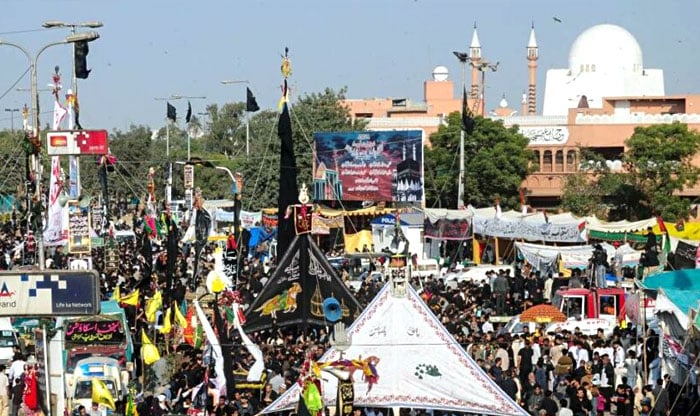
    Karachi Traffic Police have announced a special traffic management plan for processions scheduled to take place across the city on August 22 in connection with 8 Rabi-ul-Awwal. According to the traffic police spokesperson, processions will leave from Nishtar Park and several other locations in Karachi. Authorities have made special arrangements to keep traffic moving and minimize disruption along the procession routes. Traffic police said vehicle entry passes for the processions will be available from August 17 to 20. Applicants must submit the vehicle’s registration card, their CNIC, and two recent photographs to obtain a pass. Drivers must also carry the original vehicle registration card and CNIC with them during the procession. Those seeking vehicle passes can contact the designated central office for further information and registration. The traffic police will introduce alternative traffic routes and make diversions at different points during the processions. Additional personnel will also be deployed to manage traffic and guide motorists. Citizens have been advised to avoid unnecessary travel on procession routes and follow instructions from traffic police officials. Authorities have urged motorists to cooperate with traffic management teams to ensure smooth movement and reduce inconvenience for commuters across the city.

Leave a Reply

Your email address will not be published. Required fields are marked *