juggan kazim reveals
| |

Juggan Kazim reveals heartbreaking childhood trauma

Pakistani television host and actress Juggan Kazim has shared emotional details about her father’s murder and the difficult experiences she faced during her childhood, saying those events remain among the most painful chapters of her life.

Speaking during a recent podcast, Juggan reflected on losing her father, veteran television personality Syed Abbas Kazim, who was murdered in 2002. She said she was in North America when she received the shocking phone call informing her of his death.

Juggan recalled that she initially struggled to believe the news and disconnected the call, thinking it was false. She later learned that her father had been murdered, describing the moment as one of the darkest periods of her life. She said the tragedy changed her perspective and exposed her to difficult realities at a young age.

The actress said she often wished her father had lived long enough to witness her professional achievements. She added that she especially remembered him when she received a prestigious national honour, feeling saddened that he was not there to celebrate her success.

Reflecting on her childhood, Juggan said she grew up in a challenging family environment following her parents’ separation. She described herself as an energetic and rebellious child who frequently found herself in conflict with her mother. According to her, the divorce and family circumstances had a lasting impact on her personality.

Juggan also spoke about her father, saying he had a strict and aggressive nature at home despite being respected by many people outside the family. She said he cared deeply for others but acknowledged that life within the household was often difficult.

Similar Posts

  • | | | |

    Trump weighs massive strike on Iran

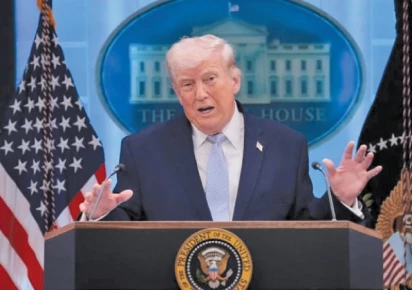
    US President Donald Trump is considering launching a new large-scale military operation against Iran, raising fears of a further escalation in tensions across the Middle East. According to reports, the proposed operation could be larger than previous US military strikes carried out against Iranian targets earlier this year. Trump said he was close to making a decision but stressed that no final order had been issued. He said the United States was fully prepared to act if necessary and claimed military plans were already in place. US officials, however, said no formal authorization for a new attack has yet been given. The US president also said Israel could join any future military operation if requested, although he maintained that American forces were capable of carrying out such an operation on their own. Trump accused Iran of refusing to accept the latest diplomatic proposal presented through mediation efforts. He claimed Tehran was delaying negotiations despite increasing military and economic pressure. The remarks came amid continued efforts by international mediators to prevent the conflict from expanding. The US president also warned that Washington would hold Iran directly responsible if Yemen’s Houthi movement launched further attacks on commercial shipping. His warning followed Houthi claims that they had targeted two Saudi oil tankers in the Red Sea using missiles and drones. Trump said any future attacks on commercial vessels would trigger a strong military response against both the Houthis and Iran. He accused Tehran of supporting the armed group and said the United States would not tolerate threats to international shipping routes. Iran responded sharply to the US statements. Foreign Ministry spokesman Esmaeil Baghaei warned American military personnel against targeting civilian infrastructure, saying attacks on facilities such as bridges and power stations would violate international law. He stressed that military personnel remain legally responsible for carrying out unlawful orders. US Secretary of State Marco Rubio said Washington’s main objective remains preventing Iran from acquiring nuclear weapons. He accused Tehran of repeatedly violating previous agreements and said the Iranian leadership continued to support armed groups across the Middle East instead of addressing domestic economic challenges. Rubio also urged Yemen’s Houthis to avoid becoming more deeply involved in the regional conflict. He said further attacks on Saudi Arabia or international shipping would only increase instability and could trigger broader military action. Meanwhile, Oman said it is working with Saudi Arabia, regional partners and the United Nations to revive Yemen’s political peace process. Omani officials called for restraint from all sides and emphasized the importance of protecting freedom of navigation in the Red Sea. Regional tensions continued to grow as Bahrain activated emergency warning sirens following reports of a possible Iranian attack. Authorities advised residents to remain calm and move to safe locations, although no casualties or damage were immediately reported. Jordan’s armed forces also announced that their air defence systems had intercepted several missiles and drones over the past 24 hours. Military officials said three missiles and six drones were destroyed before reaching populated areas, while another missile landed in an uninhabited location without causing damage. The Houthis said they carried out missile and drone attacks on two Saudi oil tankers as part of what they described as a maritime blockade. Shipping companies have already begun changing routes to avoid the Bab el-Mandeb Strait, increasing concerns over global oil supplies and international trade. Iranian military officials warned that if US attacks continue, Tehran will introduce new military strategies designed to make future operations more difficult for its opponents.

  • | |

    Madaris back Army, reject Fazlur remarks

    The Muttahida Madaris Council Pakistan has publicly distanced itself from recent remarks made by Jamiat Ulema-e-Islam-F (JUI-F) chief Maulana Fazlur Rehman regarding the Pakistan Army and the country’s martyrs. In an official statement, the council said religious seminaries across Pakistan have always stood with the country’s armed forces and fully respect the sacrifices made by military personnel in defending the nation. It stressed that no seminary or religious educational institution supports any narrative that could be interpreted as being against the armed forces. The council reaffirmed its commitment to national unity and expressed solidarity with Pakistan’s security institutions. It also paid tribute to the country’s martyrs, saying their sacrifices for national security and peace deserve the highest respect. The controversy began after Fazlur Rehman addressed a public gathering in Kasur, where he spoke about the security situation in Khyber Pakhtunkhwa and Balochistan. During his speech, his comments about soldiers and martyrdom sparked widespread criticism from political leaders and members of the public. Several politicians described the remarks as inappropriate and called on the JUI-F chief to publicly clarify or withdraw his statement. They maintained that the sacrifices of soldiers should not become part of political debate and should always be treated with respect. Punjab Assembly Speaker Malik Muhammad Ahmad Khan strongly criticised the remarks and urged Fazlur Rehman to issue a public apology. He also proposed the formation of a Senate committee to examine the issue and determine whether the veteran politician should be formally called to explain his comments. The matter has also entered the legal arena. A sessions court has issued a notice to the National Cyber Crime Investigation Agency (NCCIA) regarding the registration of a cybercrime case linked to the controversial remarks. The agency is expected to submit its response during the legal proceedings. Legal experts say the court will review the available evidence before deciding whether further action is warranted under the relevant laws. The controversy has continued to dominate political discussions, with leaders from different parties expressing contrasting views over the issue. While critics insist that the remarks were disrespectful to the sacrifices of the armed forces, supporters of Fazlur Rehman have defended his right to express political opinions.

  • | |

    Azad Kashmir enters final counting phase

    Polling has ended in the third phase of the Azad Jammu and Kashmir Legislative Assembly elections. The vote-counting process has now begun. Polling was held in four constituencies of Bagh and Haveli. These included LA-14 Bagh-1, LA-15 Bagh-2, LA-16 Bagh-3 and LA-17 Bagh-4 Haveli. The polling process started at 8am and continued until 5pm. Voters were allowed to cast their ballots throughout the scheduled polling hours. With polling now concluded, election officials have started counting the votes. The results will determine the outcome of the remaining constituencies in the third phase. The first two phases had already produced a lead for the Pakistan Muslim League-Nawaz. In the first phase, polling was held for 13 seats in the Mirpur Division. The PML-N won nine of these seats, while the Pakistan Peoples Party secured four. The second phase covered nine seats in the Muzaffarabad Division and 12 seats reserved for refugees. The PML-N won 15 seats in the second phase, while the PPP secured six seats. The third phase is being closely watched as the counting process will complete the voting process across the remaining constituencies. Election authorities are expected to announce results after the completion of counting and the required verification process. The outcome of the third phase will also determine the final balance of seats and pave the way for the formation of the next government in Azad Kashmir.

  • | |

    Duki road renamed after acid attack survivor Dr Ma…

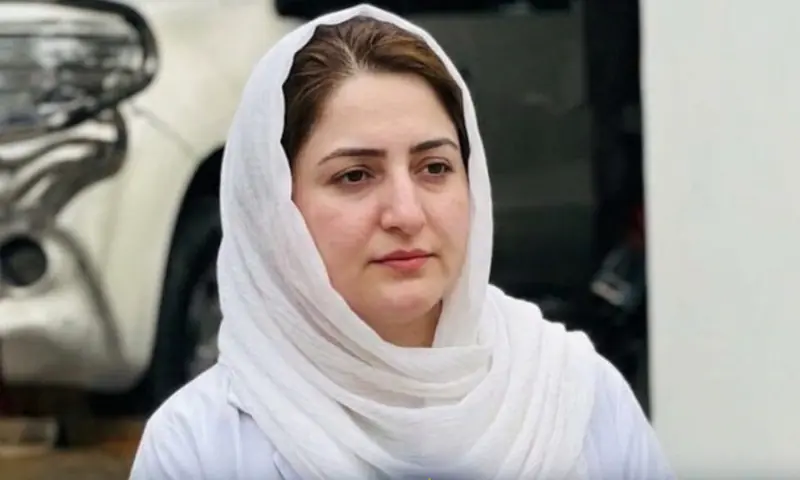
    Balochistan Chief Minister Mir Sarfraz Bugti has announced that a major road in Duki district will be renamed after Dr Mahnoor Nasir, a female doctor who survived a severe acid attack earlier this year. The decision has been taken to honour Dr Mahnoor’s courage, resilience and dedication to her profession. The chief minister said her determination and commitment to duty had made her an example for women across Balochistan. Under the notification issued by the provincial government, Haji Amanullah Masjid Road near Damani Chowk in Duki will now be known as Dr Mahnoor Nasar Road. The new name will take effect immediately. Dr Mahnoor, a 29-year-old doctor at Civil Hospital Quetta, was seriously injured in an acid attack in June. She suffered extensive burns to her face, chest, legs and other parts of her body. According to police, the alleged attacker was a hospital employee identified as Humayun Shah. Law enforcement officials later traced him while he was attempting to escape on a bus. Police said he was killed during an encounter. Chief Minister Bugti praised Dr Mahnoor for continuing to demonstrate courage despite the severe injuries she suffered. He said recognising citizens who show bravery and remain committed to their responsibilities was a duty of the government. The acid attack triggered strong condemnation across Balochistan. Members of the medical community, government officials and other sections of society called for strict action against those responsible. Doctors in Quetta also staged a strike following the incident. They demanded a transparent investigation and stronger measures to ensure the safety of medical professionals, particularly women working in hospitals. The case also came amid wider legal and social concern over acid attacks in Pakistan. In a significant ruling issued days after the incident, the Supreme Court described acid violence, or vitriolage, as a particularly heinous offence and said its gravity could exceed that of homicide. The renaming of the road is being presented by the Balochistan government as a public tribute to Dr Mahnoor’s resilience. Officials said the initiative is also intended to highlight the importance of recognising women who continue to serve their communities despite facing serious challenges.

  • | |

    Deadly heatwave sweeps South Korea, claims 16 live…

    SEOUL: South Korea is grappling with one of the most intense heatwaves in its recorded history, with at least 16 people losing their lives and more than 2,000 others suffering from heat-related illnesses as extreme temperatures continue to grip the country. According to South Korean authorities, the nation recently recorded its highest temperature in 122 years of weather observations, with the southern city of Yangsan reaching a scorching 42.5°C. For the first time, officials have issued an extreme heat warning for the capital, Seoul, highlighting the severity of the ongoing weather conditions. President Lee Jae Myung has instructed government agencies to step up emergency measures to protect vulnerable groups, including the elderly, outdoor workers, and people with underlying health conditions. He also directed officials to closely monitor the country’s electricity supply as soaring demand for cooling systems places added pressure on the power grid. Climate experts say the unprecedented heat is being driven by a combination of persistent high-pressure weather systems and the growing impact of climate change, which has intensified extreme weather events across the region. Authorities continue to urge residents to limit outdoor activities, stay hydrated, and take precautions as the record-breaking heatwave shows little sign of easing.

  • | |

    Pakistan explores diplomatic efforts to revive US-…

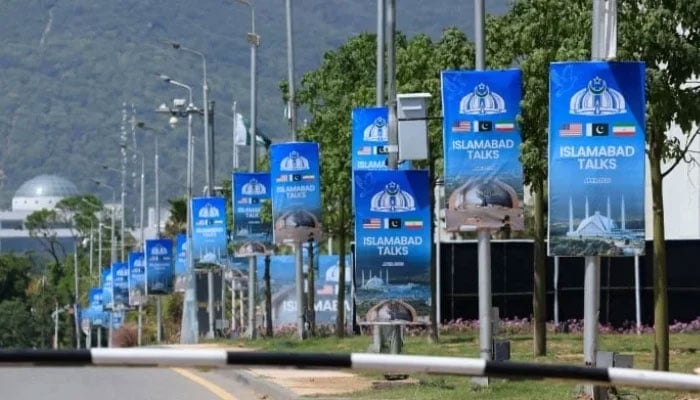
      ISLAMABAD: Pakistan is exploring the possibility of helping revive stalled negotiations between the United States and Iran in an effort to reduce tensions and move toward ending the conflict that has continued for nearly five months. According to informed Pakistani sources, the latest diplomatic initiative follows encouragement from China, which has expressed support for Islamabad’s mediation efforts in the region. The renewed diplomatic discussions reportedly gained momentum during the recent visit of Iran’s Interior Minister, Eskandar Momeni, to Islamabad. It was his second visit to Pakistan within ten days, highlighting the growing importance of diplomatic engagement between the two neighboring countries amid the ongoing regional crisis. During his visit, Momeni held meetings with senior Pakistani officials, including government leaders and Chief of Army Staff and Chief of Defence Forces Field Marshal Syed Asim Munir. While official statements confirmed the meetings, details of the discussions were not made public. However, sources familiar with the matter indicated that the possibility of restarting indirect negotiations between Washington and Tehran was among the issues discussed. Despite these efforts, officials acknowledged that significant challenges remain before meaningful dialogue can resume. Deep mistrust between the United States and Iran, combined with recent military escalations across the Middle East, continues to complicate prospects for renewed negotiations. Pakistan’s role as a potential mediator has become increasingly delicate due to rapidly evolving regional developments. Earlier this week, Yemen’s Iran-backed Houthi movement announced a naval blockade targeting Saudi Arabia, one of Pakistan’s closest regional allies. Islamabad has strongly condemned the recent Houthi attacks, reaffirming its support for Saudi Arabia, with which it signed a mutual defence treaty last year. According to the sources, Deputy Prime Minister and Foreign Minister Ishaq Dar also discussed the evolving Middle East situation with Chinese officials during his recent visit to Beijing. Although Pakistani authorities have not publicly commented on the discussions, China has confirmed its support for mediation efforts led by Pakistan and other regional partners. In an official statement, China’s Foreign Ministry said Beijing supports diplomatic initiatives aimed at restoring peace and stability in the Gulf region. The ministry also reaffirmed China’s commitment to playing an active role in encouraging dialogue and reducing tensions across the Middle East. China remains Iran’s largest trading partner and the primary buyer of Iranian crude oil despite international sanctions. Over the years, Beijing has also expanded cooperation with Tehran in areas such as technology, satellite navigation systems, and dual-use industrial components, although it has not publicly provided direct military assistance during the current conflict. Pakistan’s latest diplomatic initiative follows earlier mediation efforts undertaken jointly with Qatar. In June, the United States and Iran signed a memorandum of understanding designed to create a 60-day framework for negotiations aimed at reaching a long-term agreement. However, indirect talks failed to produce meaningful progress, with both sides accusing each other of violating the understanding, ultimately leading to renewed hostilities. The regional security situation has deteriorated further after the Houthis claimed responsibility for attacks on two Saudi oil tankers as part of their naval blockade. The development has raised concerns over global energy supplies and increased fears that another major shipping route could be disrupted alongside the already vulnerable Strait of Hormuz. Pakistani officials believe that ending attacks on Saudi Arabia and other Gulf countries is now essential before any negotiations between the United States and Iran can resume. According to one official, Islamabad has already conveyed this position to Iranian authorities, emphasizing that regional stability will be a necessary first step toward successful diplomatic engagement. As tensions continue to rise, Pakistan, supported by China, appears determined to pursue dialogue as a means of preventing further escalation and encouraging a peaceful resolution to one of the Middle East’s most pressing conflicts.


Leave a Reply

Your email address will not be published. Required fields are marked *