madaris back army
| |

Madaris back Army, reject Fazlur remarks

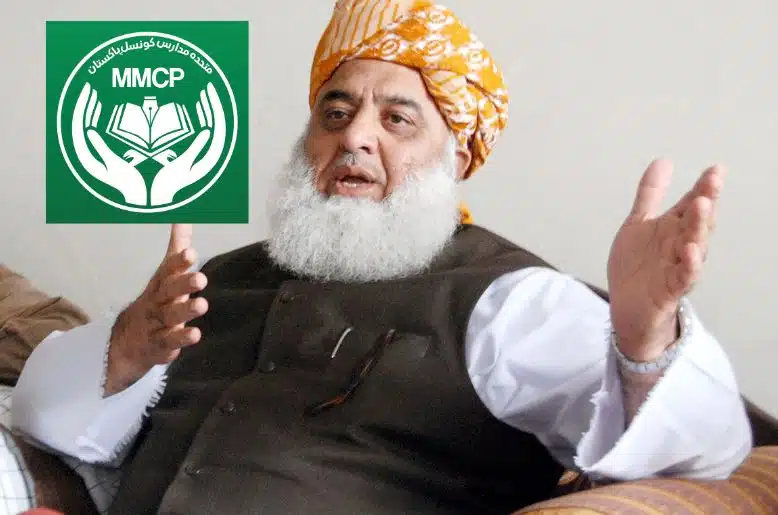
The Muttahida Madaris Council Pakistan has publicly distanced itself from recent remarks made by Jamiat Ulema-e-Islam-F (JUI-F) chief Maulana Fazlur Rehman regarding the Pakistan Army and the country’s martyrs.

In an official statement, the council said religious seminaries across Pakistan have always stood with the country’s armed forces and fully respect the sacrifices made by military personnel in defending the nation. It stressed that no seminary or religious educational institution supports any narrative that could be interpreted as being against the armed forces.

The council reaffirmed its commitment to national unity and expressed solidarity with Pakistan’s security institutions. It also paid tribute to the country’s martyrs, saying their sacrifices for national security and peace deserve the highest respect.

The controversy began after Fazlur Rehman addressed a public gathering in Kasur, where he spoke about the security situation in Khyber Pakhtunkhwa and Balochistan. During his speech, his comments about soldiers and martyrdom sparked widespread criticism from political leaders and members of the public.

Several politicians described the remarks as inappropriate and called on the JUI-F chief to publicly clarify or withdraw his statement. They maintained that the sacrifices of soldiers should not become part of political debate and should always be treated with respect.

Punjab Assembly Speaker Malik Muhammad Ahmad Khan strongly criticised the remarks and urged Fazlur Rehman to issue a public apology. He also proposed the formation of a Senate committee to examine the issue and determine whether the veteran politician should be formally called to explain his comments.

The matter has also entered the legal arena. A sessions court has issued a notice to the National Cyber Crime Investigation Agency (NCCIA) regarding the registration of a cybercrime case linked to the controversial remarks. The agency is expected to submit its response during the legal proceedings.

Legal experts say the court will review the available evidence before deciding whether further action is warranted under the relevant laws.

The controversy has continued to dominate political discussions, with leaders from different parties expressing contrasting views over the issue. While critics insist that the remarks were disrespectful to the sacrifices of the armed forces, supporters of Fazlur Rehman have defended his right to express political opinions.
Similar Posts

  • | |

    Hanif Abbasi says India tops list of Pakistan’s enemies

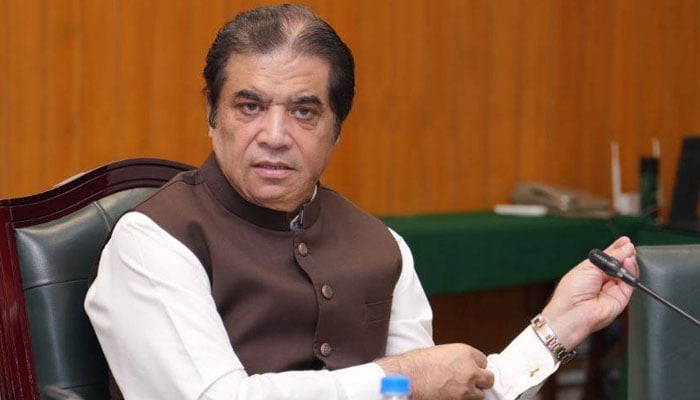
      ISLAMABAD: Federal Minister for Railways Hanif Abbasi has said that only two or three countries can be considered enemies of Pakistan, with India at the top of the list. He said Israel and Afghanistan are also among the countries that PakistanFederal Minister for Railways Hanif Abbasi has said that only two or three countries can be considered enemies of Pakistan, considers hostile. Speaking to journalists outside Parliament House, Abbasi said Pakistan does not regard all countries as enemies and stressed that the list is limited to a few states. His remarks came while discussing political and national issues with the media. The federal minister also spoke about his views regarding Jamiat Ulema-e-Islam-Fazl (JUI-F) chief Maulana Fazlur Rehman, describing him as a respected political figure. Abbasi said he would advise Fazlur Rehman to avoid making decisions while angry, arguing that emotional reactions can sometimes lead to wrong choices. Abbasi said that political differences were a normal part of democratic politics and that he was willing to accept opposition on political grounds. However, he drew a distinction between political disagreement and what he described as personal attacks. The minister said he could tolerate political opposition but did not accept personal hostility. Referring to remarks previously made by Pakistan Tehreek-e-Insaf (PTI) founder Imran Khan about Maulana Fazlur Rehman, Abbasi said that some of the words used against the JUI-F leader had been deeply disturbing. He said the language used against Fazlur Rehman was so harsh that it had left him shocked. According to Abbasi, political opponents could disagree with each other over policies, parties and political strategies, but personal criticism should not cross certain limits. “Political opposition would not have been an issue,” Abbasi said, while arguing that the criticism directed at Fazlur Rehman went beyond ordinary political differences and became personal. The minister’s comments reflect the continuing tensions and rivalries among Pakistan’s major political parties, where disagreements frequently extend beyond policy matters and involve criticism of individual political leaders. Abbasi’s remarks also highlighted the importance of maintaining political restraint, particularly when disagreements become intense. His advice to Fazlur Rehman suggested that political leaders should avoid taking major decisions while angry or under emotional pressure. The federal minister further indicated that political differences should be handled within the boundaries of democratic debate. While politicians may strongly oppose one another on ideological, policy or electoral matters, he suggested that personal attacks can deepen political divisions and make reconciliation more difficult. His comments regarding Pakistan’s perceived hostile countries also came amid continuing discussions about the country’s regional and international relationships. India has historically remained a major source of tension between Pakistan and its eastern neighbour, while relations with Afghanistan have also faced challenges over security and border-related issues. Pakistan’s relationship with Israel remains particularly sensitive due to the Palestinian issue and Islamabad’s longstanding position on the conflict. Abbasi’s statement therefore covered both domestic political differences and broader foreign-policy concerns. He emphasised that Pakistan has only a limited number of countries that it considers enemies, rather than viewing the wider international community through the same lens. The minister’s comments are likely to draw attention because of his criticism of personal attacks in politics and his appeal for political leaders to exercise greater restraint. His remarks underline the distinction between legitimate political opposition and criticism that becomes personal, an issue that continues to shape political discourse in Pakistan.

  • | | | |

    Pakistan-US relations strengthen as PM Shehbaz Sha…

    Prime Minister Shehbaz Sharif welcomed a bipartisan delegation from the United States Congress in Islamabad, reaffirming Pakistan’s commitment to strengthening bilateral ties and expanding cooperation across key economic and strategic sectors. The meeting underscored the growing momentum in Pakistan-US relations and highlighted the importance of continued dialogue between the two countries. The U.S. congressional delegation included Representatives Ryan Zinke and Michael Baumgartner. The meeting was also attended by Deputy Prime Minister and Foreign Minister Ishaq Dar, Foreign Secretary Ambassador Amna Baloch, and U.S. Chargé d’Affaires Natalie Baker. During the discussions, Prime Minister Shehbaz Sharif welcomed the visiting lawmakers and described their visit as a positive step toward deepening cooperation between Pakistan and the United States. He also congratulated the American people on the upcoming 250th anniversary of U.S. independence and conveyed his best wishes to President Donald Trump. The Prime Minister expressed appreciation for President Trump’s role in helping reduce tensions between Pakistan and India during the 2025 crisis. Referring to the ceasefire reached in May 2025, Shehbaz Sharif said diplomatic engagement helped prevent further escalation and contributed to regional stability. This reflects the Prime Minister’s stated position regarding the events. Highlighting future opportunities, Shehbaz Sharif said Pakistan is keen to enhance collaboration with the United States in trade, investment, agriculture, information technology, mining, minerals, and energy. He emphasized that stronger economic cooperation should remain a cornerstone of the bilateral partnership. The visiting U.S. lawmakers thanked the Prime Minister for the warm hospitality extended during their visit. They noted that President Trump’s positive relationship with Pakistan’s leadership has had a favorable impact on bilateral engagement. They also acknowledged Pakistan’s efforts to promote regional peace and stability. Both sides agreed on the importance of increasing exchanges between lawmakers from Pakistan and the United States. They said more frequent parliamentary visits could strengthen mutual understanding and support long-term cooperation. Following the meeting, Prime Minister Shehbaz Sharif hosted a reception for a delegation of U.S. corporate executives visiting Pakistan. The business delegation included representatives from the information technology, technology, energy, mining, manufacturing, and other industries. Addressing the gathering, the Prime Minister reiterated Pakistan’s commitment to building a stronger economic partnership with the United States. He encouraged American companies to explore investment opportunities in Pakistan and emphasized the valuable role of the Pakistani-American community in fostering closer ties between the two nations. The meeting reflects both countries’ interest in maintaining constructive diplomatic engagement while expanding cooperation in trade, investment, and regional stability.

  • | | |

    Trump criticizes oil companies over high profits a…

    US President Donald Trump has criticized major oil companies over their growing profits, saying that energy firms are earning excessive amounts of money amid rising fuel prices. His remarks come as global oil markets face uncertainty due to geopolitical tensions and disruptions affecting energy supplies. Speaking to reporters at the White House, Trump said he supports free markets but expressed dissatisfaction with what he described as unusually high earnings by oil companies. He stated that while businesses have the right to operate freely, current market conditions have allowed some energy companies to generate profits beyond what he considers reasonable. The increase in crude oil prices has significantly boosted the revenues of several major energy companies worldwide. Market uncertainty linked to tensions between the United States and Iran has contributed to higher oil prices, creating favorable conditions for large oil producers and companies. Saudi Arabia’s state-owned oil giant Saudi Aramco reported a significant increase in quarterly profit, announcing earnings of $33.4 billion, compared with $25.2 billion during the same period last year. This represents a substantial rise in profits. US-based energy companies have also recorded strong financial results. ExxonMobil reported quarterly earnings of $14.5 billion, more than double compared with the previous year. Meanwhile, Chevron posted a profit of $12.1 billion, marking a significant increase from the same period previously. British energy company Shell also reported nearly $10 billion in quarterly profits, making it one of the company’s strongest financial performances in recent years. While energy companies benefit from higher crude oil prices, consumers in the United States have faced increased fuel costs. Average petrol prices have risen significantly since the beginning of the conflict-related market disruptions, adding further pressure on households already dealing with inflation. Fuel prices have become a major political issue ahead of the upcoming midterm elections. Lowering petrol costs has emerged as a key priority for the Trump administration, as high energy prices often influence public opinion and economic sentiment. A major factor behind the rise in oil prices has been disruption in key shipping routes, including the Strait of Hormuz, one of the world’s most important energy corridors. Reduced oil transportation through the region has affected global supply and contributed to market volatility. Although diplomatic efforts have reportedly aimed at reducing tensions and improving shipping access, uncertainty remains in global energy markets. Security concerns in the Red Sea and Bab el-Mandeb Strait have also affected oil transportation routes. Energy analysts believe that major oil companies may continue benefiting from elevated prices in the short term. However, they suggest that increased global supply or improved conditions in strategic waterways could eventually push crude oil prices lower. The ongoing debate highlights the challenge faced by governments worldwide: balancing energy company profits, market stability, and the need to provide affordable fuel for consumers.

  • | |

    Iran rejects US control over war’s end as Hormuz tensions persist

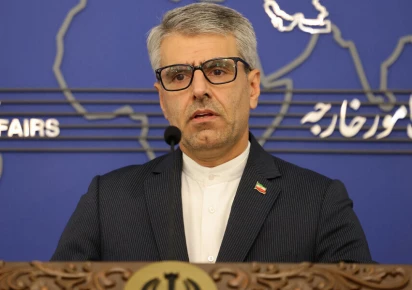
    TEHRAN: Iran has rejected any suggestion that Washington will decide how the conflict ends, while diplomatic efforts over the Strait of Hormuz continue amid a fragile pause in US-Iran military strikes. Iranian Foreign Ministry spokesperson Esmaeil Baghaei said some Gulf countries had been involved in the conflict alongside the United States. He did not identify the countries or provide further details. Baghaei said Tehran would not allow the United States to determine the outcome of the war. He also said Iran had not requested a return to direct negotiations with Washington. He said discussions with Oman over the management of the Strait of Hormuz had been positive. However, he stressed that the waterway remained closed and there had been no change in the situation. The Strait of Hormuz remains one of the main flashpoints in the conflict. It is a crucial route for global energy shipments, making any disruption a major concern for oil markets and international trade. Iranian state media also reported that six vessels were intercepted after attempting to use what Tehran described as an unsafe and unauthorised route through the southern part of the strait. According to the report, the vessels had switched off their navigation systems. One vessel suffered an accident, while the others returned towards the Gulf following intervention by Iranian forces. The situation has also affected shipping activity in other regional waterways. Traffic through the Bab el-Mandeb Strait has slowed following attacks by Yemen’s Houthi movement on Saudi oil facilities along the Red Sea coast. Shipping data showed that only a limited number of commodity vessels crossed the waterway over the weekend. The number of vessels using the Strait of Hormuz also remained unusually low despite the temporary pause in US and Iranian attacks. The slowdown has raised concerns about the wider impact of the conflict on global energy supplies. Oil prices, however, moved lower after Washington and Tehran halted their strikes for the time being. Brent crude fell sharply during Monday trading, while US West Texas Intermediate also declined. The fall reflected hopes that diplomacy could eventually restore normal shipping through the Strait of Hormuz. Oman has been playing a role in diplomatic efforts between the two sides. An Omani delegation travelled to Tehran to discuss possible arrangements for future management of the strategic waterway. Iran and Oman reportedly differ over how the mechanism should operate. Tehran wants a service fee and greater control over the proposed system, while Oman has suggested a regional arrangement without tolls. Meanwhile, Israeli Prime Minister Benjamin Netanyahu travelled to Washington for talks with US President Donald Trump. The meeting is expected to cover regional developments and issues of concern to both countries. Netanyahu’s visit comes as the wider conflict continues to affect security across the Middle East. Trump has also rejected reports that the US military is facing shortages of ammunition. He said the United States has more munitions than any other country and has sufficient supplies for its military needs. However, reports have suggested that US military officials have raised concerns about the strain on weapons stocks following nearly two weeks of sustained attacks on Iran. US officials have reportedly warned that continued large-scale operations could put additional pressure on missile interceptors and other defensive systems deployed across the Middle East. The United States has maintained that its forces remain capable of carrying out their missions. The current pause followed 13 nights of US airstrikes against Iran. Tehran had responded to the attacks with strikes on areas in neighbouring Gulf states that host US military facilities. Iran has now also paused its retaliatory operations. A senior Iranian official said Tehran’s position remains linked to Washington’s actions: if US attacks stop, Iran will also halt its operations. US Ambassador to the United Nations Mike Waltz said Trump paused the campaign to give diplomacy more time. Iran, however, remains deeply sceptical about the development. An Iranian source said Tehran viewed the pause as potentially tactical rather than a genuine shift in Washington’s position. The uncertainty has left many people in Iran worried about whether the fighting could resume.

  • | | |

    Uganda backs sending troops to planned Gaza peace …

    Uganda’s Parliament has approved a government proposal to deploy troops to a planned international peace and stabilisation force for Gaza, marking the country’s first commitment to the proposed multinational mission. The resolution was introduced by Uganda’s Minister of Defence and received parliamentary approval following debate among lawmakers. With the decision, Uganda joins Morocco, which has also announced its willingness to contribute troops to the proposed force. The Ugandan government has not publicly disclosed the diplomatic discussions or political considerations behind its decision. However, the move sparked debate in Parliament, with opposition members expressing concerns about the potential implications for Uganda’s foreign policy and regional relationships. Opposition lawmaker Hassan Kiromera questioned the mission’s objectives, asking which parties Ugandan troops would ultimately be expected to confront if deployed. He argued that the government should provide greater clarity regarding the mandate of the proposed force before committing military personnel. Defence Minister Jacob Oboth-Oboth defended the proposal, stating that the Uganda People’s Defence Forces (UPDF) possess extensive experience in international peacekeeping operations, including missions in Somalia and other conflict zones. He said that this experience would enable Ugandan troops to contribute effectively to efforts aimed at restoring peace and stability in Gaza. According to the report, the proposed Gaza International Stabilisation Force is expected to consist of approximately 20,000 personnel from multiple countries. The force is reportedly planned under a proposal associated with US President Donald Trump’s Board of Peace and would be commanded by US Major General Jasper Jeffers. The mission is intended to help maintain law and order in Gaza following the end of hostilities between Israel and Hamas. Reports indicate that the proposal was first introduced earlier this year as part of broader discussions on post-conflict governance and security arrangements in the territory. The development follows recent announcements regarding a reported agreement under which Hamas would disarm and Israel would gradually withdraw its military forces from Gaza. Under the reported framework, the international stabilisation force would be deployed after the phased Israeli withdrawal. However, uncertainty remains over the implementation of the proposed arrangement. Israeli officials have reportedly expressed serious security concerns after reviewing the reported agreement, arguing that certain provisions could pose risks to national security. As a result, questions remain about the timeline and conditions for the deployment of the multinational peace force despite Uganda’s parliamentary approval.

  • | |

    Kaia Gerber, Lewis Pullman’s romance reaches maj…

    Kaia Gerber and Lewis Pullman are quietly taking their romance to the next level. While the couple has largely stayed out of the spotlight, new reports suggest their relationship has reached a significant milestone, with those closest to them believing it has become more serious than ever.  According to an insider, Gerber and Pullman are “so in love,” and their connection has only deepened since they first sparked dating rumors in early 2025. Although they prefer to keep their relationship private, the source said the romance has been genuine from the very beginning, with both stars choosing to focus on building a strong foundation away from constant public attention.  One of the biggest signs of how serious the relationship has become is the warm welcome Pullman has reportedly received from Gerber’s family. The insider revealed that Kaia’s parents, supermodel Cindy Crawford and businessman Rande Gerber, already see the actor as “part of the family.” Their approval reflects how naturally Pullman has fit into Kaia’s personal life and family circle.  Despite both having demanding careers, the pair are said to make their relationship a priority. Friends describe them as grounded and supportive of one another, adding that they enjoy spending quality time with family rather than chasing the Hollywood spotlight. Their low-key approach has helped the romance flourish without unnecessary pressure.  Gerber, the daughter of Cindy Crawford, has continued balancing a successful modeling career with growing acting opportunities. Pullman, meanwhile, has become one of Hollywood’s rising stars thanks to acclaimed performances and several high-profile projects. Even with busy schedules, sources say the couple has found a healthy balance between work and their personal lives.  The couple has also made a handful of public appearances together over the past year, including outings at the Venice Film Festival and the 2026 Vanity Fair Oscars after-party. While they rarely discuss their romance in interviews, their public moments have shown a comfortable and affectionate relationship that continues to grow stronger.  According to those close to the pair, there has never been any rush to define the relationship publicly. Instead, Gerber and Pullman have focused on getting to know each other away from the cameras, allowing their bond to develop naturally. That patient approach is said to be one of the reasons their romance has remained so stable.  While neither Kaia Gerber nor Lewis Pullman has commented publicly on the latest reports, insiders believe their relationship is stronger than ever. With family support, shared values and a commitment to keeping their love life private, the couple appears to have found a balance that is rare in Hollywood—proving that sometimes the strongest romances are the ones lived quietly. 

Leave a Reply

Your email address will not be published. Required fields are marked *