meralcos mvp nuclear
| | | |

Meralco’s MVP: Nuclear may bring energy security, but it won’t come cheap

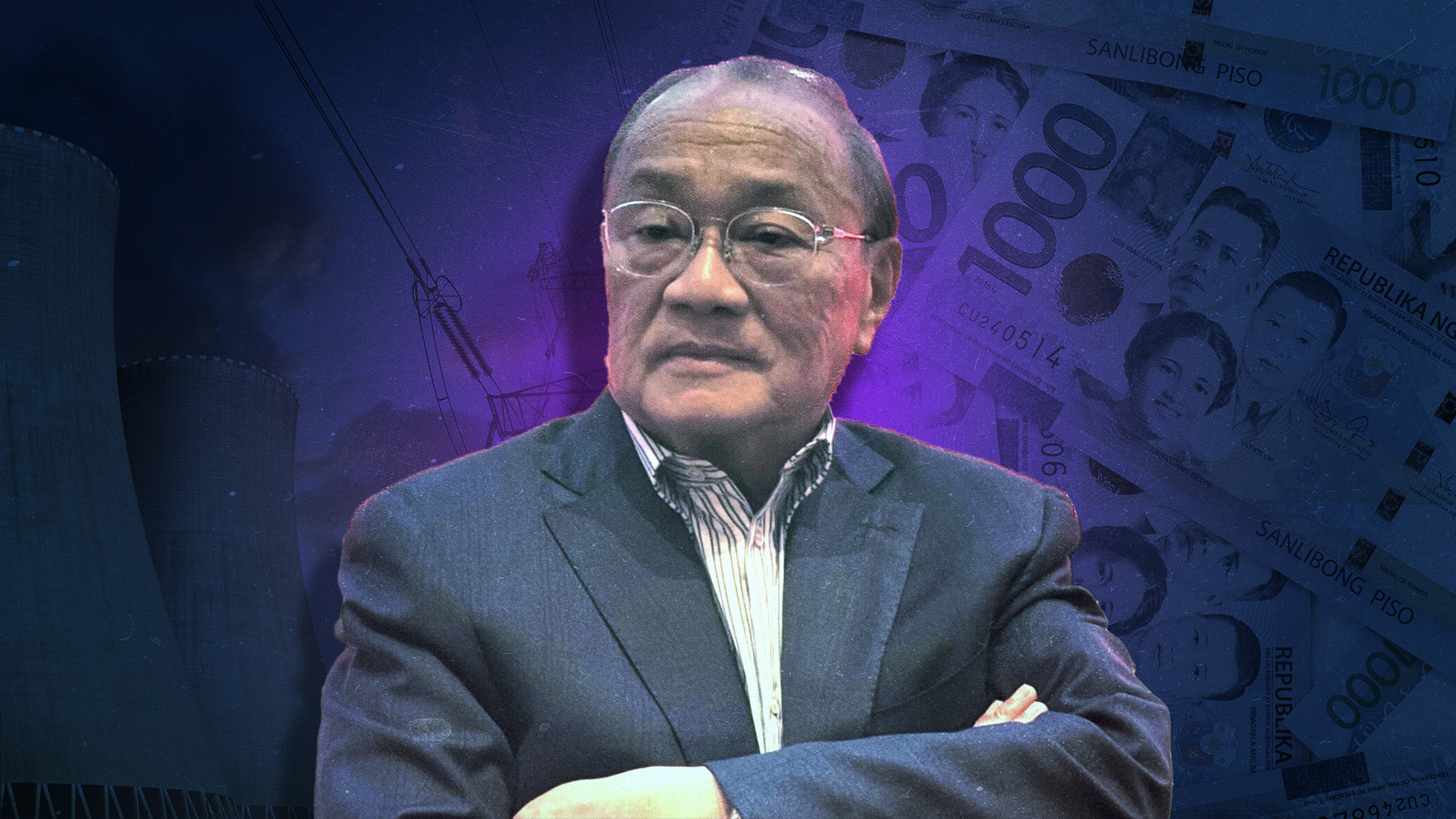
Nuclear energy may be enjoying a political comeback in the Philippines, but don’t count Meralco chairman Manuel V. Pangilinan among those convinced it will automatically translate into cheaper electricity.

And Pangilinan should know — his own power group has already been doing its homework on nuclear.


Meralco’s MVP: Nuclear may bring energy security, but it won’t come cheap

Meralco PowerGen (MGen) is studying the viability of small modular reactors (SMRs), backed by a $2.8-million US government grant to evaluate technologies and eventually identify a preferred option. Meralco has also been building up its own nuclear talent through its FISSION and NEST programs, sending engineers abroad to pursue nuclear engineering studies before returning to the Philippines.

Yet when Rappler asked Pangilinan about nuclear on Thursday, August 13, the businessman sounded considerably less starry-eyed about its economics.

“It’s not a slam dunk,” Pangilinan said.

inside track logo

His concern? Nuclear fuel may be cheap, but almost everything needed to get a plant up and running is prohibitably expensive.

Pangilinan estimated that building nuclear capacity could cost around $7 million per megawatt, before factoring in complications such as where to locate a plant and how to connect it to the grid.

“If you locate it in an earthquake-free zone, it’s most likely out there in the boondocks. So you have to connect it to the grid, to build the transmission assets. So hindi (it’s not) simple,” he told Rappler.

Then there is the political hurdle of convincing communities to host one.

“The LGU has got to consent. Mahirapan kayo. (You’ll have a difficult time.) ‘What’s this atomic bomb doing here in my constituency?’” 


Meralco’s MVP: Nuclear may bring energy security, but it won’t come cheap

The expensive path to energy independence

Pangilinan’s skepticism comes just weeks after President Ferdinand Marcos Jr. used his State of the Nation Address to call for the Philippines to revisit nuclear power, pitching it as a potential source of affordable electricity and greater energy security. (READ: [OPINION] Shoddy, shoddy, shoddy: How they built the Bataan Nuclear Power Plant)

Government preparations have also been moving forward. The Philippines is progressing toward Phase 2 of the International Atomic Energy Agency’s milestone approach, while officials work on an independent nuclear regulator, potential sites, financing, and workforce development.

Private companies are positioning themselves too. AboitizPower recently signed an exploratory agreement with South Korea’s Korea Hydro & Nuclear Power to study nuclear technologies, while MGen has been examining SMRs.

To be clear, Pangilinan isn’t shutting the door on any of that. In fact, one of nuclear’s biggest attractions, he acknowledged, is precisely the energy independence the Marcos administration has been touting.

“You have to make a decision. It does give you energy independence because you buy the fuel 25 years or 30 years. So the fuel cost is very low but your capital cost is very high,” Pangilinan said.

Must Read

[READOUT] The race to deliver cheaper power


[READOUT] The race to deliver cheaper power

Making the nuclear numbers work

But there lies the inherent trade-off. For MVP, the only way to make nuclear energy feasible in the Philippines is to give it “special treatment.”

Pangilinan said nuclear suppliers themselves have indicated that electricity from a new plant could end up more expensive than other available sources. Nuclear fuel is relatively cheap and can be secured years in advance, but that advantage has to offset the enormous upfront cost of building the plant, along with transmission and other infrastructure.

If nuclear power were to cost, say, P10 per kilowatt-hour to produce, Pangilinan suggested the country may have to accept that premium as the price of greater energy security.

“So you have to condition the minds of the people,” Pangilinan said. “We need energy security, energy independence,” he said. “So you have to pay for it.”

That makes nuclear a somewhat harder sell than the promise of simply bringing electricity prices down. It may still earn a place in the energy mix, but Pangilinan’s argument is that its value would have to be measured against more than just its impact on your monthly power bill.

Must Read

[OPINION] Beyond Bataan: Building the Philippines’ energy future


[OPINION] Beyond Bataan: Building the Philippines’ energy future

There is also the difficult matter of what nuclear would be competing against. The Philippines remains heavily dependent on coal, an exceptionally dirty fuel that has nevertheless proved difficult to shake off because it’s cheap and can satiate our hungry appetite for power around the clock.

Pangilinan said coal producers are well aware that low prices are their strongest selling point.

“Nobody likes coal. That’s why it’s cheap,” he said. “And the coal producers, the coal miners, make sure that they have the cheapest source of fuel. Because otherwise you won’t buy them.”

So even as the Philippines tries to wean itself off coal, any cleaner replacement still has to reckon with the economics that have kept it dominant. Nuclear offers dependable low-carbon power, but at a potentially steep upfront price. Renewables are cheaper to build in many cases, but bring their own challenge when the weather refuses to cooperate.

Pangilinan knows that last problem firsthand. His group has also poured money into solar power. But it seems even the weather has managed to dampen the energy tycoon’s sunny outlook. (READ: What will it take for solar power to take off in the Philippines?)

“We have the sun. Except it hasn’t been out,” he quipped. – Rappler.com
Similar Posts

  • Thailand’s Second-Hand Homes Flood the Market: New Listings Surge By 34.2%

    BANGKOK – Kasikorn Research Center expects Thailand’s unsold housing inventory to surpass 610,000 units by the end of 2026. A massive 34.2% surge in second-hand home listings is driving this growth. Meanwhile, weak consumer purchasing power continues to stall overall market demand, giving buyers significant bargaining power. Thailand’s real estate market is facing a massive wave […]

  • |

    Pakistan unveils new oil import framework to attract global suppliers

    ISLAMABAD: Pakistan has decided to introduce a new policy framework aimed at facilitating international oil suppliers, improving the availability of petroleum products and strengthening the country’s energy security. Under the proposed Import Policy 2026 through Customs-Bound Storage, foreign petroleum suppliers will be allowed to bring oil and petroleum products into Pakistan and place them in customs-controlled storage facilities without immediately becoming liable for domestic duties and taxes. The new mechanism is designed to provide greater flexibility to international suppliers while creating an additional buffer of petroleum stocks within the country. Suppliers will be able to retain their products in designated customs-bound storage facilities and subsequently decide whether to sell the stocks in Pakistan or re-export them to other destinations. According to the proposed framework, international suppliers will be able to supply petroleum products to local oil marketing companies (OMCs) and refineries when market conditions and domestic requirements warrant such sales. Alternatively, they may re-export the products without necessarily having to enter them into the domestic market. The policy is expected to create a more flexible operating environment for global oil traders and suppliers, potentially encouraging them to establish a stronger presence in Pakistan’s petroleum supply chain. The customs-bound storage mechanism would also allow petroleum products to be stored in the country while remaining under customs control. This could help suppliers manage their inventories more efficiently and respond more quickly to changes in domestic demand. Officials and policymakers see the proposed framework as a step towards improving Pakistan’s petroleum supply security, particularly during periods of heightened international market volatility or disruptions in global energy supplies. The availability of additional stocks within the country could also help reduce the risk of sudden supply shortages by providing a readily accessible reserve that can be released into the domestic market when required. For local oil marketing companies and refineries, the framework could broaden their access to international suppliers and create additional options for sourcing petroleum products. Increased competition among suppliers may also contribute to greater efficiency in the petroleum import and distribution system. The initiative is part of broader efforts to modernise Pakistan’s oil import arrangements and make the energy sector more responsive to changing international market conditions. By allowing foreign suppliers to maintain petroleum inventories under customs control, the government aims to strike a balance between facilitating international trade and maintaining regulatory oversight of products entering the country. The new policy framework is expected to establish clearer procedures governing the import, storage, domestic sale and re-export of petroleum products, while providing international suppliers with greater commercial flexibility.

  • | | |

    Ministers seek PM’s approval for prices of 52 vi…

    ISLAMABAD: The federal health ministry has sought an urgent meeting with Prime Minister Shehbaz Sharif to obtain approval for the pricing of 52 newly registered life-saving medicines. Health Minister Syed Mustafa Kamal and Finance Minister Senator Muhammad Aurangzeb are expected to attend the meeting along with Federal Health Secretary Muhammad Aslam Ghauri and Drug Regulatory Authority of Pakistan (DRAP) Chief Executive Officer Dr Obaidullah. Officials said the health ministry has contacted the prime minister’s adviser, Tauqeer Shah, requesting an early appointment for the delegation. The Cabinet Committee on Drug Pricing had already approved prices for the 52 medicines during its meeting on July 24. However, the medicines cannot be legally marketed in Pakistan until the federal cabinet gives its final approval. After cabinet approval, DRAP will be able to issue notifications fixing the maximum retail prices of the medicines, allowing pharmaceutical companies to formally launch the products in the regulated market. Health ministry officials said the proposed meeting with the prime minister is aimed at obtaining his support for placing the pricing decision before the federal cabinet at the earliest. The delegation is also expected to raise the issue of hardship cases involving several essential medicines. Manufacturers and importers of these medicines have requested price adjustments, arguing that continued production or imports at the existing prices have become increasingly difficult. A senior health ministry official said the government was concerned because several registered medicines remained unavailable in the regulated market despite their prices having been approved by the drug pricing committee. The official said the delegation would brief the prime minister on the situation and seek immediate action to prevent further shortages. Among the medicines facing supply pressure are essential products such as influenza vaccines and morphine used in cancer treatment, along with other drugs whose manufacturers have reported difficulties in maintaining supplies at existing prices. The Cabinet Committee on Drug Pricing, chaired by Finance Minister Muhammad Aurangzeb, approved the 52 pricing cases after reviewing recommendations submitted by DRAP’s Drug Pricing Committee and Policy Board. All 52 cases forwarded by the Drug Pricing Committee and endorsed by the DRAP Policy Board were approved by the cabinet committee. However, the committee’s decision is not the final step in the process. The federal cabinet must endorse the recommendations before DRAP can officially notify the maximum retail prices. The medicines covered by the proposed pricing decision are used to treat a range of serious and chronic conditions. They include medicines for cancer, diabetes, haemophilia, Parkinson’s disease, autoimmune disorders, blood-clotting conditions and severe infections. Some are also used in intensive-care units and emergency treatment. Officials believe timely approval could help bring the newly registered medicines into the regulated market and improve availability for patients requiring specialised treatment.

  • | | |

    Punjab fixes wheat release price at Rs3,800 per ma…

    The Punjab government has fixed the new wheat release price at Rs3,800 per maund following approval from the provincial cabinet. According to a spokesperson for the Punjab Food Safety and Consumer Protection Department, a formal notification has been issued to implement the decision. The spokesperson said the federal government has directed Punjab to immediately procure wheat from the Pakistan Agricultural Storage and Services Corporation (PASSCO). The province has been approved to receive 300,000 metric tons of wheat under the arrangement. The department has already received 200,000 metric tons of wheat, while PASSCO has set its wheat price at Rs4,150 per maund. Officials said the move aims to ensure an uninterrupted supply of wheat and flour across the province while maintaining price stability in the market. The Punjab government also reiterated its commitment to ensuring that bread (roti) remains available to the public at Rs15 per piece. According to the spokesperson, Punjab had requested 800,000 metric tons of wheat, but only 533,440 metric tons have been allocated. Meanwhile, the Ministry of National Food Security has instructed the Punjab government to promptly submit its wheat procurement schedule along with the required advance payment to complete the purchase process.

Leave a Reply

Your email address will not be published. Required fields are marked *