Modi’s Education Minister quits as Indian yo…
Indian youth protesters called off weeks of demonstrations and celebrated in the streets on Saturday after Education Minister Dharmendra Pradhan resigned and Prime Minister Narendra Modi’s government bowed to demands including calls to fix a cheating-prone exam system. The worst political crisis of Modi’s third term had peaked this week when thousands of protesters marched on parliament, with police using tear gas to control them.
Young voters form a critical base of Modi’s Bharatiya Janata Party. But youths calling themselves “cockroaches” had taken to the streets since late June, after national exam papers were leaked forcing a resit which affected 2 million students and galvanised anger about the lack of prospects for young Indians. The resignation of Pradhan, the students’ primary demand, came as a surprise because Modi’s government had refused to fix the exam system.
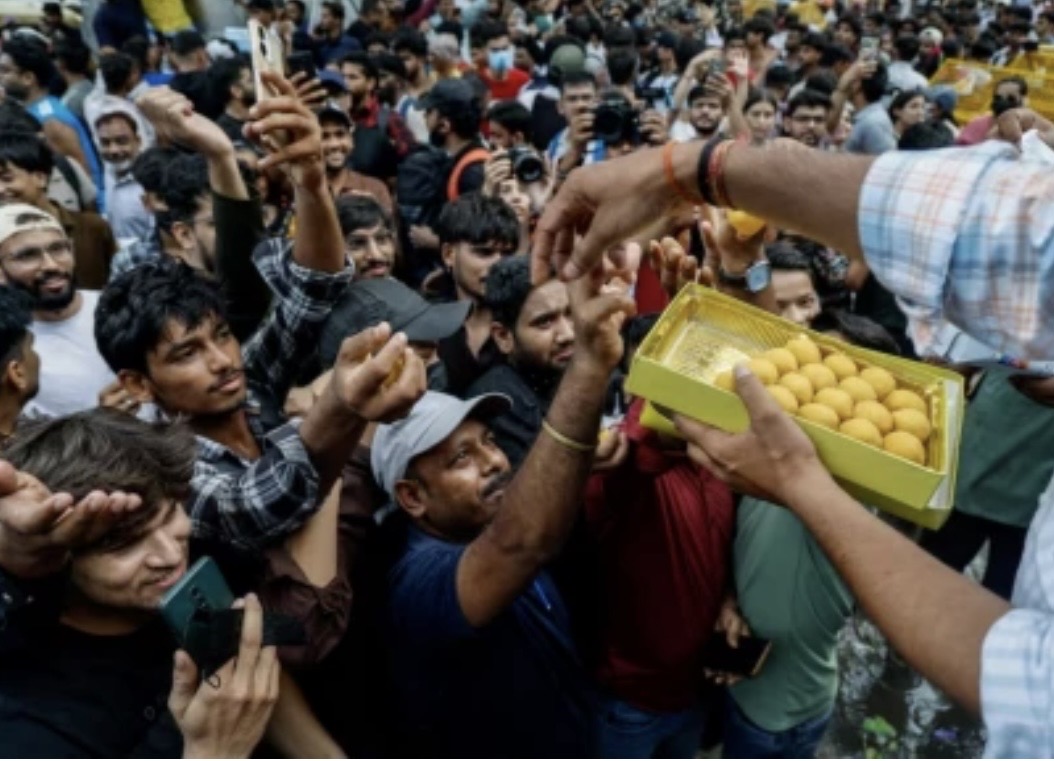
Celebrations erupted at the Jantar Mantar protest site in the capital Delhi, with thousands of youngsters chanting victory slogans and dancing. The youth-led Cockroach Janta Party movement, which spearheaded the demonstrations, said it would end its protests. “We have done it,” said Abhijeet Dipke, CJP’s founder, to loud cheers at the site. Youngsters shouted “Jai Hind” as the national anthem played on loudspeakers and sweets were distributed.
Roads around the central business district of Connaught Place near the protest site were shut amid celebrations and a swelling crowd of thousands of protesters. Delhi Metro rail stations in and around the area that were closed for much of four days this week were also opened. “Young generation is here. This is a win for the constitution,” protester Tluanga Ralte said, walking with a copy of the Indian constitution at the protest site after Pradhan’s resignation. “We are not a lazy generation.”
Pradhan, 57, a senior member of Modi’s BJP and the son of a veteran party leader, had been education minister since 2021. He is only the second minister to resign following a scandal since Modi came to power in 2014. Pradhan said he resigned to prevent anti-national forces from exploiting the situation. His resignation marks a significant victory for the youth-led movement, which has highlighted the systemic failures in India’s education system and the broader challenges facing young people in the country.
The protests and their resolution reflect the growing political consciousness and mobilisation of India’s youth, who are increasingly demanding accountability and transparency from their leaders. The government’s concession to the protesters’ demands signals a recognition of the power of youth activism in shaping the country’s political landscape. The movement, which began as a response to exam paper leaks, has grown into a broader critique of the government’s education policies and its approach to addressing the concerns of young Indians. The victory at Jantar Mantar has inspired other youth movements across the country, with activists hoping that this momentum will lead to further reforms. The resignation of Pradhan represents a turning point in the relationship between the government and the younger generation, offering a glimmer of hope for a more responsive and accountable governance system in India. The celebrations in Delhi serve as a reminder of the power of peaceful protest and the importance of listening to the voices of the youth, who are the future of the nation. The coming months will be critical in determining whether the government will follow through on its promises to fix the exam system and address the broader concerns of India’s young population. The youth-led movement has shown that collective action can bring about change, and its legacy is likely to inspire future generations to continue fighting for their rights and aspirations. The resignation of Pradhan is a significant milestone, but the journey towards a more equitable and just education system in India is far from over. The country’s youth remain hopeful that this victory will pave the way for meaningful reforms and a brighter future for all.