parliament approves sweeping
| |

Parliament approves sweeping defence command chang…

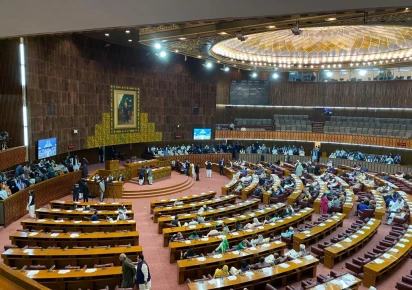
Pakistan’s Parliament has approved legislation aimed at establishing a new legal framework for the country’s military command structure.

The National Assembly and Senate passed the Defence Forces Act 2026 and amendments to the National Command Authority Act 2010 on Thursday. The legislation was approved despite strong opposition from opposition lawmakers, who objected to the speed at which the bills were brought before the Houses.

Prime Minister Shehbaz Sharif attended the National Assembly session. The opposition later boycotted the voting process and walked out of the chamber in protest.

The new Defence Forces Act provides a legal structure for the Defence Forces Headquarters. The headquarters will serve as a central institution for matters concerning national security, defence policy and coordination among the armed forces.

Under the new framework, the Chief of Defence Forces will exercise operational command and control over the armed forces. The CDF will remain accountable to the federal government for matters related to command and control.

The legislation also gives the CDF powers to improve coordination and integration among the Army, Navy and Air Force. The office will oversee joint operations, coordination and other matters involving the armed forces.

The CDF will also have authority under relevant laws regarding the retirement, release and dismissal of military personnel, subject to constitutional provisions. The office will also be able to approve or reject resignations and retain personnel in service where permitted under the law.

The federal government will frame rules and regulations needed to implement the new legislation. The CDF will also be authorised to issue orders and directions required to enforce the provisions of the Act.

Parliament also approved amendments to the National Command Authority Act 2010. The changes replace references to the Chairman Joint Chiefs of Staff Committee with references to the Chief of Army Staff and Chief of Defence Forces.

The legislation gives retrospective effect to key provisions from November 2025.

The new laws are linked to changes introduced through the 27th Constitutional Amendment, which significantly altered Pakistan’s military command structure.

Under the revised system, the Chief of Army Staff also serves as the Chief of Defence Forces. The office of Chairman Joint Chiefs of Staff Committee has been abolished under the new framework.

The opposition strongly objected to the legislation being placed on the supplementary agenda. Opposition lawmakers said they had not been given sufficient time to examine the bills.

Opposition Leader Allama Raja Nasir Abbas questioned the urgency of the legislation and called for more time for lawmakers to study the proposed changes.

Mahmood Khan Achakzai also demanded that lawmakers be given at least a few days to review and debate the bills before voting.

The government defended the procedure, saying parliamentary rules allow supplementary legislation to be introduced. Law Minister Azam Nazeer Tarar argued that the bills had already been examined and approved by the National Assembly.

The cabinet had approved the draft legislation earlier in the day during a meeting chaired by Prime Minister Shehbaz Sharif in Islamabad.

According to the government, the Defence Forces Act was necessary to provide administrative and legal arrangements for the office of the Chief of Defence Forces and its headquarters.

The new framework also establishes the position of Commander of the National Strategic Command following the abolition of the CJCSC post. The commander is appointed by the prime minister on the recommendation of the army chief and CDF.

The position carries a three-year term, with the possibility of another three-year term under the prescribed procedure.

Similar Posts

  • | |

    Rain fails to dampen Khalistan referendum turnout …

    INDIANAPOLIS: A large number of members of the Sikh community participated in a Khalistan referendum held in Indianapolis, Indiana, despite rainy weather, as organizers called for the creation of an independent Sikh state. The event was organized by Sikhs for Justice, with participants travelling from different cities and states across the United States. Organizers said voting continued despite the rain, with women and children also among those attending. Polling was scheduled to remain open until 6pm, after which organizers were expected to announce the final turnout. Pro-Khalistan slogans were raised during the event, while some participants also expressed support for Kashmir’s independence. Ghazala Habib, chairperson of Friends of Kashmir, addressed the gathering and said she was the only non-Sikh speaker to speak from the stage. Vikramjit Singh, a representative associated with the Khalistan Referendum Campaign, said the initiative was launched in 2020 but faced disruptions because of the COVID-19 pandemic. He said the first voting event under the campaign was held in London on October 31, 2021, attracting thousands of Sikh participants. According to Singh, subsequent voting events were organized in countries including the United Kingdom, Australia, Switzerland, Italy and Canada. He said Canada hosted three events in Toronto, two in Vancouver and another in Calgary, while the United States has held voting in San Francisco, Los Angeles, Washington, DC and now Indianapolis. Singh claimed that nearly two million Sikhs worldwide had participated in the campaign so far. However, the figure could not be independently verified. He accused the Indian government of committing historical injustices against Sikhs, citing the 1984 attack that damaged the Akal Takht and subsequent violence against the Sikh community, as well as what he described as the exploitation of Punjab’s economic resources. Singh said supporters of the movement wanted to pursue their demand through peaceful and democratic means. He called for a formal referendum in Punjab whose outcome, according to him, would have legal and political effect for all parties. Organizers said details of the Indianapolis vote and the next stage of the campaign would be announced after polling concludes. The campaign is expected to hold another referendum in Canada on October 18, although the specific city has not yet been confirmed.

  • | |

    Netflix denies reports it considered delaying Mich…

    Netflix has responded to reports claiming it considered postponing the release of its upcoming Michael Jackson documentary, firmly rejecting suggestions that the streaming giant planned to backtrack just days before the film’s debut. The company has described the reports as inaccurate, insisting that the documentary remains on schedule and that there were never any plans to pull or delay its release. (deadline.com⁠) Speculation began circulating after media reports alleged that Netflix executives were reconsidering the documentary’s launch due to concerns over potential backlash and renewed scrutiny surrounding the late pop icon’s legacy. The rumors quickly gained traction online, with fans questioning whether the streaming platform was preparing to make a last-minute change to its release strategy. (deadline.com⁠) However, Netflix has dismissed those claims outright. In a statement provided to several entertainment outlets, the company said the reports were false and emphasized that the documentary’s rollout has remained unchanged. The streamer reaffirmed its commitment to the planned release, making it clear that there had been no internal decision to shelve or postpone the project. (variety.com⁠) While Netflix has not shared extensive details about the documentary, the project has attracted considerable attention because of Michael Jackson’s lasting influence on music and pop culture. Widely known as the “King of Pop,” Jackson remains one of the best-selling artists of all time, with timeless hits including Billie Jean, Thriller, Beat It, and Man in the Mirror. His career transformed the music industry, but his legacy has also remained the subject of public debate for years following allegations of child sexual abuse, which he consistently denied during his lifetime. (britannica.com⁠) The latest rumors surrounding the documentary underscore the intense public interest that continues to surround any project connected to Jackson. Social media users have closely followed every update, with supporters eager to see new insights into his life while others have questioned how the documentary will address the complexities of his legacy. Despite the online speculation, Netflix appears determined to move forward as planned. By publicly denying reports of a potential delay, the company has sought to reassure viewers that the documentary’s release strategy remains intact. As anticipation continues to build, audiences will soon have the opportunity to judge the documentary for themselves. Whether it sparks celebration, debate, or renewed discussion, the project is already proving that Michael Jackson’s cultural impact continues to generate worldwide attention years after his death.

  • | | |

    Death toll in Quetta coal mine blast rises to 34

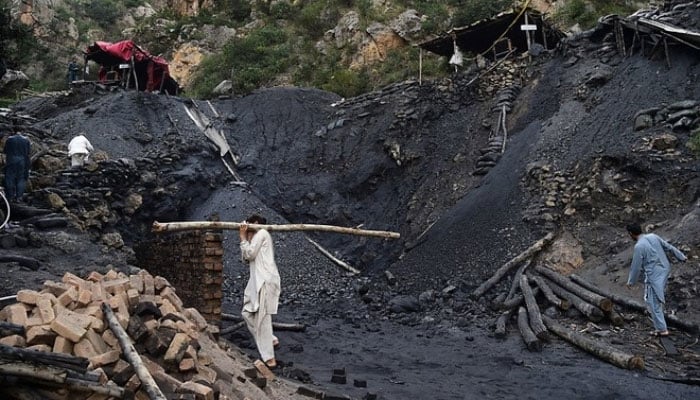
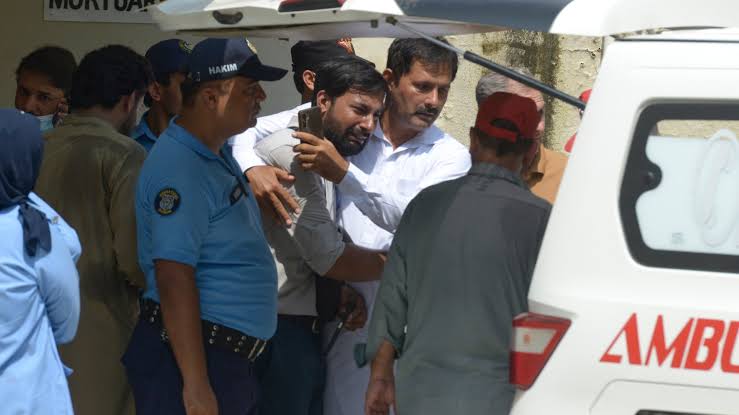
    QUETTA: The death toll from a deadly coal mine explosion near Quetta has climbed to 34 after rescue teams recovered the bodies of eight more miners from the site. The incident occurred at a coal mine in the Sorange area, where dozens of workers were underground when a powerful methane gas explosion ripped through the mine. According to the Provincial Disaster Management Authority (PDMA), a total of 42 miners were trapped following the blast. Rescue teams have managed to recover 34 bodies so far, while efforts continue to locate the remaining workers. Officials said the operation is being carried out under difficult conditions, with emergency personnel working around the clock to reach those still inside the mine. The mine owner confirmed that 42 labourers were present in the mine at the time of the explosion. Preliminary findings suggest that methane gas accumulated inside the mine, triggering the deadly blast. Balochistan Chief Minister has ordered an immediate report on the incident and directed authorities to investigate the circumstances surrounding the tragedy. He warned that strict action would be taken against anyone found responsible if negligence or safety violations are established. Coal mining accidents remain a recurring concern in Balochistan, where hazardous working conditions and poor safety standards have claimed numerous lives over the years. The latest disaster has once again raised questions about the enforcement of mine safety regulations and the protection of workers in the province’s mining sector. Rescue operations are ongoing as authorities continue their search for the miners who remain unaccounted for.

  • | |

    PM Shehbaz calls for faster rightsizing reforms

      Prime Minister Shehbaz Sharif has emphasized the need to improve the efficiency and performance of government institutions by adopting modern technology and enhancing the professional training of public sector employees. He made these remarks while chairing a high-level meeting on the federal government’s rightsizing initiative and measures aimed at improving the overall efficiency and effectiveness of state institutions. The meeting reviewed the progress made under the government’s administrative reform agenda, which seeks to reduce the size of the public sector, eliminate unnecessary expenditures, and ensure more efficient delivery of public services. Addressing the participants, the Prime Minister said that technological innovation and skill development are essential for transforming the public sector into a more responsive, transparent, and efficient system. He stressed that government institutions must embrace modern digital solutions while ensuring that employees receive the training required to adapt to new technologies and administrative practices. Shehbaz Sharif said the government’s rightsizing policy is already producing positive results by reducing unnecessary spending and improving the utilization of public resources. He noted that several major reforms have been implemented under the initiative, including the closure of the Utility Stores Corporation, Pakistan Public Works Department (Pak PWD), and the Pakistan Agricultural Storage and Services Corporation (PASSCO). According to the Prime Minister, these decisions were taken after careful consideration to streamline government operations, eliminate overlapping functions, and reduce the financial burden on the national exchequer. He said the objective of the reforms is to build a leaner and more efficient public sector capable of delivering better services to citizens while ensuring fiscal discipline. The Prime Minister stated that the savings generated through the rightsizing initiative would help strengthen the country’s financial position and allow the government to allocate more resources toward priority sectors such as education, healthcare, infrastructure, and economic development. To ensure transparency and accountability, Shehbaz Sharif directed that all positions and institutions abolished under the rightsizing programme should undergo an independent third-party audit. He said the audit would assess whether the reforms had been implemented effectively and whether the expected financial and administrative benefits had been achieved. The Prime Minister also instructed the relevant authorities to accelerate the implementation of all remaining rightsizing measures. He emphasized that administrative reforms should be carried out efficiently while maintaining transparency and ensuring that public services are not disrupted during the restructuring process. During the meeting, officials briefed the participants on the progress achieved so far. They informed the Prime Minister that vacant positions across various federal ministries and government departments have been abolished as part of the government’s effort to reduce unnecessary staffing and improve administrative efficiency. The meeting was further informed that work is also underway on the privatization of several state-owned enterprises. Officials said the government is taking practical steps to transfer selected public sector entities to the private sector in accordance with its broader economic reform programme. The privatization process aims to reduce the financial burden of loss-making enterprises on the national budget while encouraging greater investment, improved management, and enhanced productivity. Participants also reviewed the overall progress of the government’s institutional reform agenda and discussed future steps to further improve governance and public sector performance. The Prime Minister reiterated that administrative reforms are essential for ensuring sustainable economic growth, strengthening public finances, and delivering better services to the people. Concluding the meeting, Shehbaz Sharif reaffirmed the government’s commitment to continuing structural reforms aimed at creating a modern, efficient, and accountable public sector. He said that through the adoption of technology, improved training, transparent governance, and responsible financial management, Pakistan’s government institutions can become more effective in meeting the needs of citizens and supporting the country’s long-term development goals.

  • | | |

    Rs22 Billion allocated to PIMS, 14 newborns dead

    ISLAMABAD: A deadly fire at the Pakistan Institute of Medical Sciences (PIMS) on August 26 resulted in the deaths of at least 14 newborns, raising serious questions about safety standards, hospital management and the use of public funds. The tragedy has brought renewed attention to the financial resources provided to the country’s major public hospitals. Federal government records show that approximately Rs22 billion was allocated to PIMS over the past three years. Despite these substantial allocations, the hospital continues to face staff shortages, maintenance concerns and problems with essential equipment Official budget figures show that PIMS received an allocation of Rs6.84 billion during the previous financial year. However, the hospital spent approximately Rs7.51 billion, exceeding its approved budget by around Rs670 million.The institution also received an additional Rs660 million in supplementary funds during the year.For the current financial year, the government’s allocation for PIMS has been increased to approximately Rs7.63 billion. Questions have also been raised over funds allocated for repair and maintenance. The federal government had previously provided Rs500 million under this category, while only Rs230 million has been earmarked for the current year. These figures have prompted concerns over whether available resources are being effectively utilised and whether sufficient priority is being given to basic safety, maintenance and patient care. Despite receiving billions of rupees in government funding, PIMS is reportedly operating with a significant shortage of staff. Hospital data indicates that 949 sanctioned positions remain vacant. These include 385 doctors, 363 nurses and 201 paramedical staff. Such shortages can place additional pressure on existing employees and affect the hospital’s ability to provide timely care. Understaffed wards can also make emergency response more difficult, particularly in critical departments where patients require continuous monitoring. The PIMS fire has therefore intensified questions about whether staffing gaps and inadequate resources played any role in the tragedy. Determining the exact causes, however, will require a transparent and independent investigation. The concerns surrounding PIMS are part of a broader debate over safety and accountability in Pakistan’s public hospitals. A review of reported incidents between 2016 and 2026 has highlighted several cases involving alleged negligence and failures in healthcare facilities across the country. In June 2025, 20 children, including 15 newborns, reportedly died at DHQ Hospital Pakpattan, with oxygen shortage cited as a possible factor. In October 2020, seven patients died at Khyber Teaching Hospital Peshawar following an oxygen supply failure. In November 2024, a three-year-old child reportedly fell into an open manhole inside Children’s Hospital Lahore. Other reported incidents across different cities have involved alleged treatment delays, incorrect injections, oxygen-related problems and unsafe hospital infrastructure. The PIMS tragedy has once again raised questions about whether increasing government allocations are producing meaningful improvements in public healthcare. The government has ordered an inquiry into the fire, which is expected to determine the circumstances surrounding the deaths and identify any negligence or safety failures. For the families who lost their newborns, however, no investigation can undo the loss. The central question now is whether the billions allocated to PIMS have been used effectively and whether hospital authorities maintained adequate staffing, equipment, fire-safety systems and infrastructure. If a major public hospital receiving billions in government funding cannot guarantee basic safety for vulnerable patients, accountability must extend beyond temporary suspensions or administrative changes. The tragedy has highlighted the urgent need for stronger oversight, transparent financial management, adequate staffing and enforceable safety standards across Pakistan’s public healthcare system.

  • |

    NAB Lahore Summer Camp 2026 concludes with children’s talent showcase

    National Accountability Bureau (NAB) Lahore successfully concluded its six-week Summer Camp 2026 for the children of NAB officers, which was aimed at providing a positive environment for their educational, creative, physical and moral development. The camp was organized as a special initiative of DG NAB Lahore, Mirza Faran Baig, with a focus on personality development and nurturing children’s talents. Qualified instructors from various fields conducted training in Swimming, Judo, Arts and Crafts, Communication Skills, Handwriting and Manners, along with classes on the Holy Quran and Islamic teachings. Sports and recreational activities were also arranged to promote fitness, teamwork and discipline. The concluding ceremony was held at NAB Lahore under the supervision of DG Mirza Faran Baig and attended by children, officers and instructors. Renowned singer Jawad Ahmad also graced the occasion as a Special Guest. The children showcased their learning through speeches, poems, artwork and earned appreciation from the audience. They described the camp as a memorable experience that helped them learn new skills in a positive environment. A video prepared by the Media Cell, NAB Lahore was also screened, highlighting key activities and moments from the camp. In his address, DG NAB Lahore said that such initiatives help develop children’s hidden talents and build confidence. He appreciated the children’s performance and the efforts of instructors and coordinators in making the camp successful. He added that NAB Lahore, in line with the vision of the Chairman NAB, remains committed to support the personality development of the next generation for a brighter future of the country. The ceremony also included a magic show and special Independence Day performances by the children. Singer Jawad Ahmad also performed for the participants, while Zamzam Group, Dubai joined online and distributed prizes during a question-and-answer session. At the end, DG NAB Lahore Mirza Faran Baig distributed certificates and gifts among the children and instructors. The event concluded with a group photograph, marking a memorable end to the camp.

Leave a Reply

Your email address will not be published. Required fields are marked *