nccia crackdown suspects
| |

NCCIA crackdown: 14 suspects arrested in Lahore, M…

The National Cyber Crime Investigation Agency (NCCIA) Punjab has launched a major crackdown against networks allegedly involved in online financial fraud, identity theft and social media scams, arresting 14 suspects in Lahore and Multan.

The operation was carried out under the direction and supervision of NCCIA Punjab Director Muhammad Ali Waseem. Officials said the suspects allegedly defrauded citizens of millions of rupees through various online schemes.

In Lahore, the NCCIA arrested four suspects in three separate cases. They were identified as Muhammad Amir, Muhammad Ashfaq, Muhammad Qamar and Ameer Karim.

According to initial investigations, the suspects allegedly posed as marriage bureau representatives or close friends to gain victims’ trust. They then allegedly deceived citizens into transferring money. Investigators recovered mobile phones from the suspects and found evidence indicating that victims had been defrauded of significant amounts.

In Multan, the NCCIA carried out three separate operations and arrested 10 suspects. They were identified as Muhammad Asghar, Amir Shehzad, Muhammad Kamran, Rizwan Talib, Saqib Ali, Kamran Talib, Iftikhar Manzoor, Muhammad Adnan, Muhammad Sultan and Muhammad Naeem.

Investigators said the suspects allegedly used social media platforms and WhatsApp to impersonate officials from customs, police, banks and other government institutions.

The suspects allegedly contacted citizens using false claims involving prizes, gifts, donations, bank verification and parcel clearance. They then demanded money from victims under various pretexts.

Investigators uncovered one case in which a victim was allegedly defrauded of Rs1 million, while another involved the alleged theft of Rs588,000.

The NCCIA said several mobile phones, SIM cards, fake WhatsApp accounts, social media profiles and other digital evidence were recovered during the operations. The seized devices and accounts are being subjected to forensic analysis.

Cases have been registered against all 14 suspects under relevant provisions of the Prevention of Electronic Crimes Act (PECA) 2016, as amended in 2025, along with applicable sections of the Pakistan Penal Code.

Similar Posts

  • | | |

    Pakistan receives $3.6 billion in remittances in J…

      KARACHI: Pakistan received $3.6 billion in workers’ remittances from overseas Pakistanis during July 2026, marking a significant increase compared with the same period last year, according to data released by the State Bank of Pakistan (SBP). The central bank reported that remittance inflows increased by 13% year-on-year in July and also recorded a 4.5% rise compared with the previous month. The latest figures highlight the continued importance of overseas Pakistanis in supporting the country’s foreign exchange position and overall economic stability. Saudi Arabia remained the largest source of remittances during the month, sending $913.9 million to Pakistan. The United Arab Emirates (UAE) followed with $737.3 million, while overseas Pakistanis in the United Kingdom contributed $555.5 million. The United States also remained an important source, accounting for $317.2 million in remittance inflows. Prime Minister Shehbaz Sharif welcomed the increase and expressed satisfaction over the $3.6 billion received in July. In a statement issued by the Prime Minister’s Office, he said the 13% year-on-year increase in remittances was encouraging and reflected the continued contribution of overseas Pakistanis to the national economy. The prime minister also highlighted the 4.5% month-on-month growth, saying that the consistent financial support provided by overseas Pakistanis was playing an important role in strengthening Pakistan’s economy. He described overseas Pakistanis as a valuable and integral part of the country’s economic mainstream. The latest figures have also generated positive expectations regarding Pakistan’s remittance outlook for the ongoing financial year. Topline Research estimated that remittances could reach around $40.1 billion during FY27 if the current trend continues. Economist Dr Khaqan Najeeb said remittances were becoming increasingly important as a source of foreign exchange, particularly at a time when Pakistan’s export sector continued to face difficulties. According to him, the country’s weak domestic economic conditions, limited employment opportunities and significant differences between local and international wages were encouraging more Pakistanis to seek employment abroad. He noted that the movement of workers overseas was resulting in a corresponding flow of foreign exchange back into Pakistan. The economist said these inflows were helping the country manage its balance of payments and reduce pressure on its external accounts. However, he also warned that the growing dependence on remittances highlighted deeper structural weaknesses within the domestic economy. Dr Najeeb pointed out that Pakistan’s increasing reliance on overseas employment reflected the country’s inability to generate enough productive and well-paying jobs at home. While remittances provide valuable financial support and strengthen foreign exchange reserves, he argued that sustainable economic growth requires stronger domestic employment opportunities and a more competitive export sector. The July figures therefore present both an encouraging development and a broader economic challenge. Rising remittances are providing Pakistan with much-needed foreign exchange, but policymakers also face the task of improving domestic economic conditions so that overseas employment becomes a choice rather than a necessity for a growing number of Pakistanis.

  • | |

    Middle East braces for intense heatwave as tempera…

    DUBAI: A fresh wave of extreme heat is set to grip the Middle East this week, with temperatures forecast to approach 50 degrees Celsius across several countries, prompting weather authorities to issue alerts over dangerous conditions. The UAE’s National Center of Meteorology (NCM) has warned that the coming days will bring soaring temperatures across the region, particularly affecting the United Arab Emirates, Iraq, Kuwait, and eastern Saudi Arabia, where prolonged exposure to the heat could pose serious health risks. According to meteorologists, desert regions in the UAE are expected to experience the highest temperatures, with some areas likely to approach the 50°C mark. Authorities have urged residents to avoid unnecessary outdoor activities during peak afternoon hours and to remain well hydrated. The latest forecasts indicate that Al Shawamekh in Abu Dhabi has already recorded temperatures exceeding 50°C, highlighting the intensity of the current weather conditions. Kuwait is also expected to experience extreme heat, with temperatures predicted to reach 48°C in the coming days, while parts of Iraq and eastern Saudi Arabia are likely to face similarly scorching conditions. Despite the widespread heat, forecasters say some eastern and southern parts of the UAE, including Fujairah, could receive rainfall by Thursday as unstable weather develops over mountainous regions. The weather authority has also issued warnings for strong winds, reduced visibility, and dust storms, which may affect road travel and outdoor activities across several parts of the region. Health experts advise people to stay indoors whenever possible, drink plenty of water, wear light-colored clothing and avoid prolonged exposure to direct sunlight, particularly during midday when temperatures are expected to peak. The renewed heatwave follows a summer of record-breaking temperatures across several parts of the world, with climate scientists warning that extreme weather events are becoming more frequent and intense due to global climate change. Governments across the Gulf have increasingly introduced measures to protect workers and residents during the hottest months, including restrictions on outdoor labor during peak daytime hours and expanded public awareness campaigns on heat-related illnesses. As the latest heatwave builds across the region, authorities continue to monitor weather conditions closely while urging the public to follow official safety advisories. With temperatures expected to remain exceptionally high over the coming days, residents are being encouraged to take extra precautions to minimize the risk of heat exhaustion and heatstroke.

  • | |

    Alia Bhatt leads female celebrities in India’s brand rankings

    Actor Alia Bhatt has emerged as India’s highest-ranked female celebrity in the Kroll Celebrity Brand Valuation Report 2025, securing sixth place overall with a brand value of $93.9 million. While Shah Rukh Khan retained his position as India’s most valuable celebrity brand, Alia topped the list among female stars, reflecting her strong commercial appeal and endorsement value. According to the report, Deepika Padukone ranked seventh with a brand value of $89.2 million, while Alia’s husband, Ranbir Kapoor, secured 10th place with a brand valuation of $80 million. Among the rising stars, Rashmika Mandanna claimed 12th position with a brand value of $75.2 million. Veteran actress Kareena Kapoor Khan ranked 15th with a brand value of $61.8 million, followed by Kiara Advani in 16th place at $51.9 million. The report also highlighted the growing commercial influence of younger actresses. Kriti Sanon secured 18th place with a brand value of $50.2 million, supported by the success of her skincare venture, while Ananya Panday ranked 19th with a valuation of $48.5 million, driven by her partnerships with several international brands

  • | | |

    Ministers seek PM’s approval for prices of 52 vi…

    ISLAMABAD: The federal health ministry has sought an urgent meeting with Prime Minister Shehbaz Sharif to obtain approval for the pricing of 52 newly registered life-saving medicines. Health Minister Syed Mustafa Kamal and Finance Minister Senator Muhammad Aurangzeb are expected to attend the meeting along with Federal Health Secretary Muhammad Aslam Ghauri and Drug Regulatory Authority of Pakistan (DRAP) Chief Executive Officer Dr Obaidullah. Officials said the health ministry has contacted the prime minister’s adviser, Tauqeer Shah, requesting an early appointment for the delegation. The Cabinet Committee on Drug Pricing had already approved prices for the 52 medicines during its meeting on July 24. However, the medicines cannot be legally marketed in Pakistan until the federal cabinet gives its final approval. After cabinet approval, DRAP will be able to issue notifications fixing the maximum retail prices of the medicines, allowing pharmaceutical companies to formally launch the products in the regulated market. Health ministry officials said the proposed meeting with the prime minister is aimed at obtaining his support for placing the pricing decision before the federal cabinet at the earliest. The delegation is also expected to raise the issue of hardship cases involving several essential medicines. Manufacturers and importers of these medicines have requested price adjustments, arguing that continued production or imports at the existing prices have become increasingly difficult. A senior health ministry official said the government was concerned because several registered medicines remained unavailable in the regulated market despite their prices having been approved by the drug pricing committee. The official said the delegation would brief the prime minister on the situation and seek immediate action to prevent further shortages. Among the medicines facing supply pressure are essential products such as influenza vaccines and morphine used in cancer treatment, along with other drugs whose manufacturers have reported difficulties in maintaining supplies at existing prices. The Cabinet Committee on Drug Pricing, chaired by Finance Minister Muhammad Aurangzeb, approved the 52 pricing cases after reviewing recommendations submitted by DRAP’s Drug Pricing Committee and Policy Board. All 52 cases forwarded by the Drug Pricing Committee and endorsed by the DRAP Policy Board were approved by the cabinet committee. However, the committee’s decision is not the final step in the process. The federal cabinet must endorse the recommendations before DRAP can officially notify the maximum retail prices. The medicines covered by the proposed pricing decision are used to treat a range of serious and chronic conditions. They include medicines for cancer, diabetes, haemophilia, Parkinson’s disease, autoimmune disorders, blood-clotting conditions and severe infections. Some are also used in intensive-care units and emergency treatment. Officials believe timely approval could help bring the newly registered medicines into the regulated market and improve availability for patients requiring specialised treatment.

  • | |

    Lavrov’s ‘nice hairstyle’ reply …

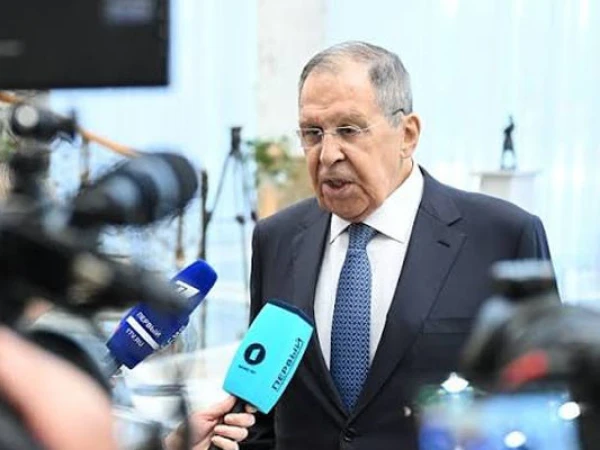
    Russian Foreign Minister Sergey Lavrov has gone viral on social media after responding to a journalist’s tough foreign policy questions with an unexpected compliment instead of an answer. The unusual moment took place during the ASEAN Regional Forum in Manila, Philippines, where Lavrov was approached by reporters following official meetings. A female journalist pressed the veteran diplomat with a series of sensitive questions covering Russia’s alleged support for Iran and Moscow’s position on ending the war in Ukraine. The reporter first asked whether Russia was helping Iran target American troops amid escalating tensions in the Middle East. She then followed up by asking if Moscow was prepared to agree to a ceasefire and peace negotiations with Ukraine. Rather than addressing either question, Lavrov continued walking calmly toward an elevator without breaking stride. As he reached the elevator doors, he briefly turned toward the journalist, smiled, and delivered a single unexpected remark. “Your hairstyle looks great,” he said before stepping into the elevator, leaving the reporter’s questions unanswered. The brief exchange was captured on camera and quickly spread across social media platforms, where it attracted millions of views and sparked widespread debate. Many users described Lavrov’s response as a classic example of diplomatic deflection, arguing that the seasoned foreign minister deliberately avoided commenting on politically sensitive issues without appearing confrontational. Others found the moment humorous, praising his composure and quick wit under pressure. Some social media users, however, criticized the response, saying it sidestepped important questions about international security and ongoing conflicts. The clip generated mixed reactions, with supporters calling it a clever diplomatic maneuver while critics argued that public officials should provide direct answers on major global issues. Lavrov, one of Russia’s longest-serving diplomats, is well known for his measured public appearances and his ability to navigate challenging media interactions. Throughout his career, he has frequently faced difficult questions from international journalists on issues ranging from the Ukraine conflict to Russia’s broader foreign policy. The latest viral moment once again highlighted how even a few unexpected words from a senior world leader can dominate online conversations. Whether viewed as a calculated diplomatic tactic, a light-hearted joke, or simply an attempt to avoid controversy, Lavrov’s short reply transformed an ordinary media encounter into one of the most talked-about moments of the ASEAN Regional Forum, proving that sometimes a single sentence can make bigger headlines than a lengthy press conference.

  • | | |

    Aurangzeb reviews Pakistan’s economic progress i…

    Finance Minister Muhammad Aurangzeb held a series of high-level meetings with senior officials of the International Monetary Fund (IMF) in Washington to review Pakistan’s economic performance and discuss the progress of the country’s reform agenda. The meetings included discussions with IMF First Deputy Managing Director Dan Katz, Deputy Managing Director Nigel Clarke, Middle East and Central Asia Department Director Jihad Azour, and IMF Mission Chief for Pakistan Iva Petrova. During the talks, the finance minister presented an overview of Pakistan’s recent macroeconomic performance. He highlighted improvements in fiscal management, stronger external accounts, higher foreign exchange reserves, record inflows of overseas workers’ remittances, and a healthier current account position. He also noted that the government had met its revenue collection targets, which he said reflected the positive impact of ongoing economic reforms. The discussions also focused on Pakistan’s progress under the IMF-supported Extended Fund Facility (EFF) and the Resilience and Sustainability Facility (RSF). Both sides reviewed measures aimed at strengthening economic stability and ensuring long-term, sustainable growth. Aurangzeb briefed IMF officials on reforms in taxation, the energy sector, public debt management, tariff rationalisation, and the government’s privatisation programme. He also discussed efforts to broaden financing sources, improve the investment climate, and restore Pakistan’s access to international capital markets. The meetings further covered issues related to human capital development, increasing women’s participation in the economy, addressing demographic challenges, encouraging technology-led growth, and promoting private sector investment and export-driven development. The finance minister reaffirmed the government’s commitment to maintaining fiscal discipline and implementing structural reforms. He said Pakistan would continue pursuing policies aimed at strengthening economic stability, improving investor confidence, and achieving long-term economic transformation. During his visit to Washington, Aurangzeb also met John Jovanovic, President and Chairman of the Export-Import Bank of the United States, to discuss expanding economic cooperation between the two countries. The meeting focused on financing long-term development projects and increasing bilateral trade in agricultural commodities, including cotton and soybeans, as well as cooperation in the hydrocarbons sector. The two sides also explored opportunities to facilitate greater access to US financing, technology, equipment, and services for priority projects in Pakistan. Officials agreed to identify short-term investment opportunities, appoint focal persons from both sides, and prepare a strategic cooperation framework. The proposed framework is expected to be finalised and signed on the sidelines of the United Nations General Assembly session in September 2026.

Leave a Reply

Your email address will not be published. Required fields are marked *