new lao river

New Lao River Water Station to Secure Clean Tap Water for Chiang Rai Residents

CHIANG RAI — The Thai government is launching a major project to protect the long-term water safety of Chiang Rai residents. A brand-new water production station will be built to draw fresh water from the Lao River instead of the Kok River.

Deputy Prime Minister Songsak Thongsri announced the plan during an official site visit to the Mae Lao Weir on July 17, 2026. The move aims to address ongoing worries about heavy metal pollution in the Kok River and ensure stable tap water supplies.

Key Takeaways

  • New Water Source: Chiang Rai will shift its main raw water source from the Kok River to the Lao River to avoid long-term pollution risks.
  • Project Timeline: Construction of the new Mae Lao water production station will begin in 2027 and is expected to finish by 2029.
  • Areas Covered: The new facility will secure clean tap water for residents in Mueang Chiang Rai, Wiang Chai, and Mae Lao districts.

The Kok River has long served as the primary source of raw water for local communities. However, recent environmental worries regarding heavy metal contamination forced officials to look for safer alternatives. Although current tap water meets safety standards, the government wants a permanent solution to build public trust.

The National Water Resources Committee recently approved the strategic relocation project to the cleaner Lao River. The Provincial Waterworks Authority will oversee the construction of the new Mae Lao station starting next year. This modern facility will handle the growing demand for clean water as Chiang Rai urban areas expand.

New Lao River Water Station to Secure Clean Tap Water for Chiang Rai Residents

Boosting Infrastructure and Monitoring

Multiple government agencies are joining forces to ensure the success of this major infrastructure upgrade. The Royal Irrigation Department is currently working to improve water management efficiency around the Mae Lao Weir. This step guarantees that there will be enough water for both local farming and everyday home usage.

Meanwhile, environmental safety remains a top priority during this transition phase. The Pollution Control Department has been ordered to monitor the water quality of the Lao River closely and continuously. According to the Office of the National Water Resources, these strict checks will ensure the new supply stays perfectly safe.

Local authorities are also focusing heavily on clear communication with the public. Chiang Rai officials will launch public awareness campaigns to keep residents updated on water safety and project updates. The government believes that transparent data is essential to keep the community informed and confident.

This cooperative effort marks a turning point for resource management in northern Thailand. By addressing pollution risks early, the state is building a highly sustainable future for thousands of families. Officials emphasize that clean water is a basic right that must be protected for generations to come.

Trending News:

Chiang Rai Immigration Receives 22 Thai Arrested in Laos Over Scam Centers

Chiang Rai Governor Champions Tech and Innovation for Smart City Future
 

Similar Posts

  • | |

    Kamal: Karachi deserves Rs800bn NFC share

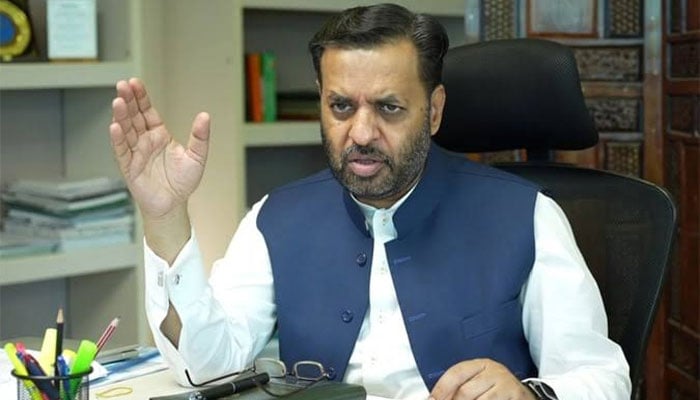
    Federal Health Minister Mustafa Kamal has said that he entered politics as an IT minister 23 years ago and became Karachi’s mayor 21 years ago, claiming that he played a role in ending the politics of violence in the city. Speaking in Karachi, Kamal said he had spoken out against a system in which people could be killed simply for expressing disagreement. He said Karachi’s political and administrative problems could not be resolved without addressing the structural issues facing the city. Kamal claimed that Karachi had not been properly counted in the population census. He said the city’s share under the National Finance Commission (NFC) award would amount to around Rs800 billion this year. He argued that the existing system was damaging not only Karachi but the entire country. According to him, the city continues to face serious problems despite massive spending and a lack of effective administrative arrangements. The federal minister said drinking water was not reaching many parts of Karachi, while the city’s sewage system was also unable to properly dispose of wastewater. He said there was no effective mechanism to transfer sufficient powers and resources to the grassroots level. Kamal further claimed that despite around Rs22,000 billion being spent in the city, Karachi had reached the third position on a global list of cities with poor living conditions. He stressed that the city needed stronger local governance, adequate resources and greater administrative powers at the grassroots level to address its longstanding problems. Commenting on the political debate over administrative units, Kamal said that if the old Muttahida Qaumi Movement (MQM) were still in its previous form, the responsibility for incidents such as the Gul Plaza tragedy would have been placed on the party. He said he had advocated the creation of an administrative unit for better governance and claimed that the proposal was now receiving support from different quarters. Kamal added that under the old political environment, such a proposal would have been dismissed as a foreign conspiracy. He maintained that Karachi’s governance problems required practical administrative reforms rather than political accusations.

  • | |

    Secret Service probes alleged leak of JD Vance tra…

    WASHINGTON: A member of US Vice President JD Vance’s security detail is under investigation over allegations that sensitive information related to the vice president’s travel arrangements was leaked to the media, raising concerns about security protocols surrounding one of the country’s highest-ranking officials. The US Secret Service confirmed on Friday that an administrative investigation is underway into the conduct of an officer assigned to Vance’s protective unit. Officials said the inquiry could potentially lead to a criminal investigation depending on the findings. Secret Service spokesperson Anthony Guglielmi said the agency takes any breach of operational security seriously and would not tolerate actions that could compromise the safety of protected government officials. “The Secret Service maintains strict standards regarding operational and informational security,” Guglielmi said in a statement. “Any violation of those standards is thoroughly reviewed and investigated.” The controversy emerged after a US media outlet published a report claiming that Vance had made several unusual requests involving his security team and travel arrangements. The report cited unnamed sources who alleged that some members of the vice president’s protective detail had expressed frustration over certain personal travel-related requests. One of the claims attracting significant attention involved an alleged proposal to use Marine Two, the official helicopter designated for the vice president, to transport Vance’s son to a secure golf course for golf lessons. According to the report, discussions about using the government aircraft for the trip were considered but never materialized. The proposed flight was ultimately canceled due to severe weather conditions, including thunderstorms that made flying unsafe. While the report has fueled debate in Washington, no evidence has been publicly presented showing that any rules were broken regarding the proposed transportation arrangements. The focus of the investigation currently remains on how details of the vice president’s security operations allegedly reached the media. The Office of the Vice President has not issued a detailed response to the report, and Vance’s team has so far declined to comment publicly on the allegations. Political analysts say the case highlights two sensitive issues often facing senior government officials: the appropriate use of official resources and the protection of confidential security information. Security experts warn that unauthorized disclosures about the travel plans or protective measures of top government leaders can create significant risks, even when the information appears routine. As investigators continue reviewing the matter, attention remains fixed on whether the alleged leak violated federal regulations and what consequences could follow if wrongdoing is confirmed. The findings could have broader implications for security procedures protecting senior US officials.

  • Thailand Accuses Cambodia of Laying Fresh Landmines, Violating Treaty

    BANGKOK – The Thai Mine Action Centre (TMAC) has accused Cambodian forces of continuing to lay PMN-2 anti-personnel landmines along the shared border, alleging a blatant violation of the Ottawa Convention and recent peace agreements. The condemnation follows a landmine explosion that severely injured a Thai soldier on Saturday. Thai Soldier Loses Leg to Landmine […]

  • | | |

    Lab report finds 176 substandard samples of oil, g…

    ISLAMABAD: A laboratory assessment has found that 176 out of 491 samples of packaged edible oil, ghee and milk failed to meet national quality standards. According to a statement issued by the Ministry of Planning, a total of 491 samples of packaged cooking oil, ghee and milk products were tested. Of these, 315 samples were found to comply with national standards, while 176 were declared substandard. The ministry said approximately 36% of the tested samples failed to meet the required quality standards. The assessment showed significant variations across different products. Of the 204 samples of vanaspati ghee tested, 98 were found to be below the required standards. Similarly, 40 out of 146 samples of blended cooking oil failed the quality assessment, while 26 of 104 samples of packaged liquid milk were declared substandard. The report also found quality concerns in milk powder, refined palm oil and refined canola oil. Eight of the 18 milk powder samples failed to meet national standards, while three of four refined palm oil samples were found to be substandard. In the case of refined canola oil, one out of 13 tested samples did not meet the required standards. The findings have highlighted concerns over the quality of commonly consumed food products and the need for stronger monitoring and enforcement to ensure that packaged edible oils, ghee and dairy products available in the market comply with national quality requirements.

  • | | |

    Weekly inflation rises 0.15%, annual rate reaches …

    ISLAMABAD: Weekly inflation in Pakistan increased by 0.15% during the latest week, taking the overall annual inflation rate to 9.11%, according to data released by the Pakistan Bureau of Statistics (PBS). The statistics agency issued its weekly inflation report, showing mixed price trends for essential commodities. According to the report, prices of 20 essential items increased during the week, while nine items became cheaper. Prices of 22 commodities remained unchanged. Onion recorded the sharpest increase, with its price rising by 24.68% in one week. The price of gram lentils also increased by 3.35%. Chicken became 2.45% more expensive during the week. Prices of several other household essentials, including yogurt, garlic and tea, also recorded increases. The report showed that some major commodities became cheaper. Tomato prices declined by 1.26% during the week. Petroleum prices also decreased. Petrol became 2.35% cheaper, while diesel prices fell by 0.29%. The prices of sugar, eggs and potatoes also recorded declines during the week. The latest figures indicate continued fluctuations in the prices of essential commodities. While several food items became more expensive, reductions in petroleum prices and some food products provided some relief to consumers. The weekly inflation figures are closely monitored as they reflect short-term changes in the prices of goods commonly purchased by households. The annual inflation rate, meanwhile, provides a broader picture of price increases across the economy.

  • |

    Young doctors launch campaign against PG induction…

    The Young Doctors Federation has launched a strong campaign against the current postgraduate (PG) medical induction testing system, calling for an end to what it describes as unnecessary and repetitive examinations for doctors seeking admission to postgraduate training programmes. Dr Hassan Baloch, Convener of the Young Doctors Federation, said the federation had begun a vigorous movement against the postgraduate induction test, drawing a parallel with its previous efforts that led to the elimination of the National Licensing Examination (NLE). He said doctors already face multiple examinations during their medical education and professional careers, and forcing them to sit for several tests for the same postgraduate induction purpose creates an additional burden. He demanded a simpler and more transparent system based on merit. Dr Baloch proposed two possible alternatives. The authorities should either use FCPS Part-I or the Joint Centralized Admission Test (JCAT) as the basis for postgraduate induction, or introduce a single national postgraduate entrance examination for doctors across the country. He argued that conducting multiple examinations for the same objective wastes candidates’ time, increases financial pressure through repeated examination fees, and creates unnecessary complications for medical graduates competing for postgraduate training positions. The Young Doctors Federation also called for a unified and transparent induction mechanism that ensures equal opportunities for all eligible doctors. Dr Baloch pointed to the Medical and Dental College Admission Test (MDCAT), which serves as a common entrance examination for undergraduate medical admissions, and India’s NEET-PG system as examples of centralized testing models. He stressed that Pakistan should also adopt a single, transparent and merit-based mechanism for postgraduate medical induction instead of requiring doctors to navigate multiple examinations and selection processes. The federation’s campaign seeks reforms in the postgraduate induction system and aims to push authorities toward a more streamlined process that reduces the burden on doctors while ensuring fair and merit-based admissions to postgraduate medical training.

Leave a Reply

Your email address will not be published. Required fields are marked *