only government school

Only 7% government school students enter top colleges

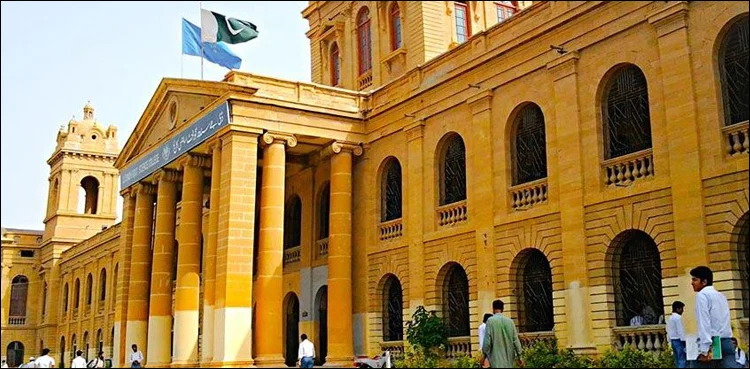
Karachi – The standard of education in Karachi’s government schools has declined to a worrying level with only 7 percent of students admitted to top government colleges this year coming from government schools.

Questions are being raised over the quality of education in Karachi’s government schools. Sources in the Education Department have revealed that the admission rate of government school students in top government colleges is extremely low. As many as 93 percent of admissions in Karachi’s government colleges were secured by students from private schools.

According to Education Department sources, a total of 13,211 students were admitted to Karachi’s top 10 government colleges. However, only 947 students among them came from government schools.

According to the sources, at Adamjee Government Science College, only 28 government school students were admitted out of a total of 613 admissions. At DJ Sindh Government Science College, only 44 government school students secured admission out of 1,258 admissions.

Similarly, Delhi Government Science College admitted 801 students of whom only 28 were from government schools. At Government Boys College Nazimabad, only 60 government school students were admitted out of a total of 1,317 admissions.

Similar Posts

  • | |

    KP police put Rs285.8m bounty on 83 wanted terrori…

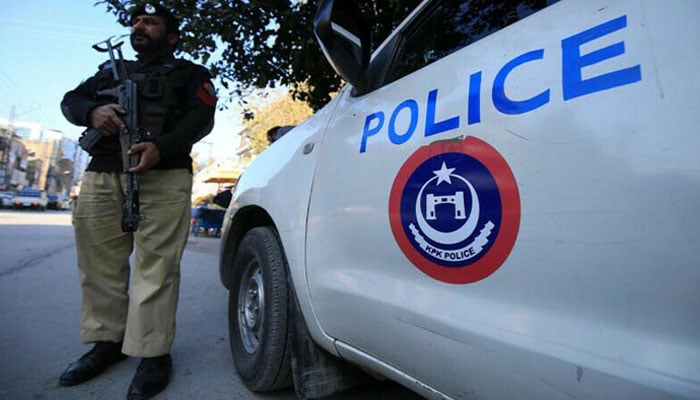
    Khyber Pakhtunkhwa Police have announced rewards for information leading to the arrest or identification of 83 wanted terrorists. According to a list issued by the police, the total reward amount stands at Rs285.8 million. The Central Police Office said financial rewards would be given to individuals who provide information that helps authorities locate, arrest or identify the wanted terrorists. Police said the identity of anyone providing information would be kept completely confidential. The rewards announced for the wanted individuals range from Rs500,000 to Rs100 million, depending on the importance and threat level of each suspect. The list includes wanted individuals from several areas of Khyber Pakhtunkhwa, including Dera Ismail Khan, Kulachi, Darazinda, Daraban and Paharpur. Police urged citizens to remain vigilant and closely monitor suspicious activities linked to terrorists and Fitna al-Khawarij. Authorities appealed to the public to share credible information with law enforcement agencies. They stressed that the confidentiality of informants would be fully protected. The reward scheme is part of police efforts to locate wanted militants and strengthen security across the province. Officials said public cooperation could help prevent terrorist activities and improve the overall security situation in vulnerable areas.

  • | | |

    Rs22 Billion allocated to PIMS, 14 newborns dead

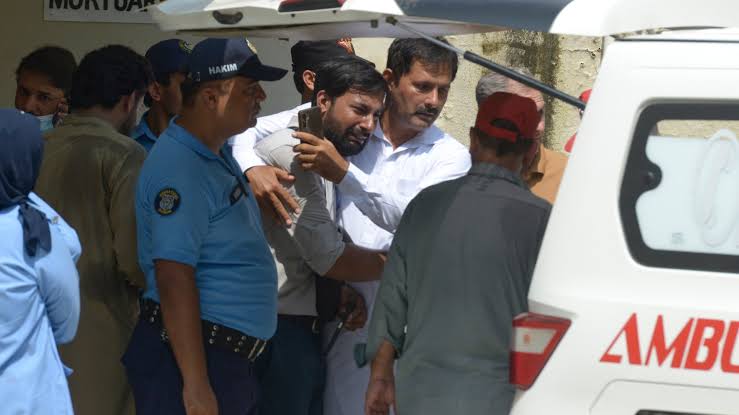
    ISLAMABAD: A deadly fire at the Pakistan Institute of Medical Sciences (PIMS) on August 26 resulted in the deaths of at least 14 newborns, raising serious questions about safety standards, hospital management and the use of public funds. The tragedy has brought renewed attention to the financial resources provided to the country’s major public hospitals. Federal government records show that approximately Rs22 billion was allocated to PIMS over the past three years. Despite these substantial allocations, the hospital continues to face staff shortages, maintenance concerns and problems with essential equipment Official budget figures show that PIMS received an allocation of Rs6.84 billion during the previous financial year. However, the hospital spent approximately Rs7.51 billion, exceeding its approved budget by around Rs670 million.The institution also received an additional Rs660 million in supplementary funds during the year.For the current financial year, the government’s allocation for PIMS has been increased to approximately Rs7.63 billion. Questions have also been raised over funds allocated for repair and maintenance. The federal government had previously provided Rs500 million under this category, while only Rs230 million has been earmarked for the current year. These figures have prompted concerns over whether available resources are being effectively utilised and whether sufficient priority is being given to basic safety, maintenance and patient care. Despite receiving billions of rupees in government funding, PIMS is reportedly operating with a significant shortage of staff. Hospital data indicates that 949 sanctioned positions remain vacant. These include 385 doctors, 363 nurses and 201 paramedical staff. Such shortages can place additional pressure on existing employees and affect the hospital’s ability to provide timely care. Understaffed wards can also make emergency response more difficult, particularly in critical departments where patients require continuous monitoring. The PIMS fire has therefore intensified questions about whether staffing gaps and inadequate resources played any role in the tragedy. Determining the exact causes, however, will require a transparent and independent investigation. The concerns surrounding PIMS are part of a broader debate over safety and accountability in Pakistan’s public hospitals. A review of reported incidents between 2016 and 2026 has highlighted several cases involving alleged negligence and failures in healthcare facilities across the country. In June 2025, 20 children, including 15 newborns, reportedly died at DHQ Hospital Pakpattan, with oxygen shortage cited as a possible factor. In October 2020, seven patients died at Khyber Teaching Hospital Peshawar following an oxygen supply failure. In November 2024, a three-year-old child reportedly fell into an open manhole inside Children’s Hospital Lahore. Other reported incidents across different cities have involved alleged treatment delays, incorrect injections, oxygen-related problems and unsafe hospital infrastructure. The PIMS tragedy has once again raised questions about whether increasing government allocations are producing meaningful improvements in public healthcare. The government has ordered an inquiry into the fire, which is expected to determine the circumstances surrounding the deaths and identify any negligence or safety failures. For the families who lost their newborns, however, no investigation can undo the loss. The central question now is whether the billions allocated to PIMS have been used effectively and whether hospital authorities maintained adequate staffing, equipment, fire-safety systems and infrastructure. If a major public hospital receiving billions in government funding cannot guarantee basic safety for vulnerable patients, accountability must extend beyond temporary suspensions or administrative changes. The tragedy has highlighted the urgent need for stronger oversight, transparent financial management, adequate staffing and enforceable safety standards across Pakistan’s public healthcare system.

  • | |

    PPP rejects Sindh division, calls province ‘red …

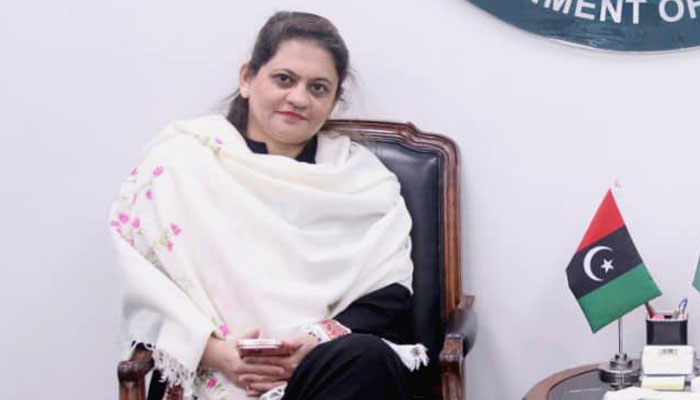
    KARACHI: Pakistan Peoples Party (PPP) has firmly rejected any proposal to divide Sindh into administrative units, with Sindh government spokesperson Saadia Javed declaring that the province remains a “red line” for the party. Speaking to the media on Monday, Javed said the PPP has never supported the division of Sindh and has no intention of doing so in the future. She argued that Pakistan’s current economic challenges and rising inflation make the creation of additional administrative units impractical, questioning how the government would finance such a move. Criticising the Muttahida Qaumi Movement (MQM), she described the demand for new administrative units as a political stunt. Javed questioned the performance of senior MQM leaders, including Federal Health Minister Mustafa Kamal and Khalid Maqbool Siddiqui, asking what concrete steps they had taken to address the concerns of their voters or improve education and public services. She reiterated that Karachi is the capital of Sindh and stressed that any attempt to divide the province is unacceptable to the PPP. According to Javed, while some people in Punjab may favour the creation of additional administrative units, the people of Sindh do not share that view. Addressing Karachi’s civic challenges, she acknowledged that infrastructure development is underway but admitted that progress has not been as fast as residents expect. Referring to ongoing construction on University Road, she recognised the inconvenience faced by commuters and residents. She also shared her own experience, saying that despite living in Defence for four decades, her home still does not receive a regular water supply. Javed said the provincial government is working to resolve Karachi’s longstanding issues and insisted that all of the city’s problems should not be blamed solely on the current administration. She expressed confidence that visible improvements in Karachi would emerge by the end of the year. On the Red Line Bus Rapid Transit project, the spokesperson said work is progressing at a rapid pace, adding that the deadline for completing the mixed-lane track has been set for July 31.

  • | |

    Makkah Defence pact wins broad political backing 

    ISLAMABAD: Pakistan’s Makkah Joint Defence Agreement with Saudi Arabia and Türkiye has received broad political support, with major leaders describing the trilateral arrangement as a landmark step toward stronger collective security among Muslim countries. PPP Chairman Bilawal Bhutto Zardari welcomed the agreement, saying it would enhance Pakistan’s defence capabilities while contributing to regional stability and international peace. He also praised Prime Minister Shehbaz Sharif and Chief of Defence Forces and Chief of Army Staff Field Marshal Asim Munir for their role in finalising the pact. Jamiat Ulema-e-Islam-Fazl (JUI-F) chief Maulana Fazlur Rehman also described the agreement as an important development for Muslim unity. He said the arrangement could evolve into a broader collective security framework and called on other Islamic countries to join the initiative. Fazlur Rehman said Pakistan and Saudi Arabia had the potential to play a leading role in strengthening cooperation among Muslim states, adding that a unified defence mechanism had long been part of his party’s political vision. Jamaat-e-Islami Emir Hafiz Naeemur Rehman likewise endorsed the pact, saying greater cooperation could reduce Pakistan’s reliance on hostile powers. He proposed expanding the arrangement to include Qatar, Bangladesh, Iran, Malaysia and Indonesia. The leaders’ statements reflect growing political support for the Pakistan-Saudi-Türkiye security partnership, with calls emerging for it to develop into a wider alliance capable of promoting collective defence and stability across the Muslim world.

  • | |

    Maryam says PML-N remains most popular party

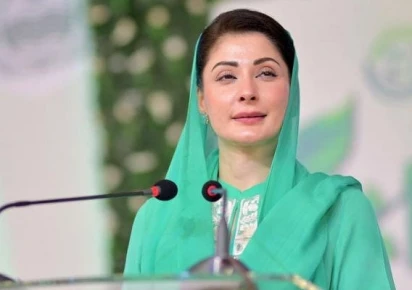
    LAHORE: Punjab Chief Minister Maryam Nawaz has said the Pakistan Muslim League-Nawaz (PML-N) continues to enjoy strong public support in Punjab, across Pakistan and in Azad Jammu and Kashmir, attributing the party’s popularity to its development agenda and governance. She made the remarks during a meeting with Members of the Punjab Assembly, Asif Malik and Zafar Abbas Khan, who discussed political developments, constituency matters and ongoing development projects in Khushab. During the meeting, the lawmakers briefed the chief minister on issues being faced by residents of their constituency. Maryam assured them that the provincial government would take steps to resolve public problems and continue implementing development initiatives across the district. The lawmakers congratulated the chief minister on the party’s performance in Azad Jammu and Kashmir and appreciated the Punjab government’s decision to introduce electric bus services in Khushab. They also thanked her for providing electric buses to Azad Jammu and Kashmir, saying the initiative had improved public transport and benefited thousands of commuters. Maryam said Punjab was leading the country in development and governance, adding that improvements had been made in multiple sectors, including public services and law and order. She expressed confidence that the province and the country would continue progressing under the leadership of PML-N President Nawaz Sharif. The lawmakers praised the provincial government’s development record, saying the electric bus service had become a popular facility for daily passengers travelling between General Bus Stand Khushab, Garot Chowk, Mitha Tiwana and Mangwal. Separately, on the occasion of Police Martyrs Day, the chief minister paid tribute to police personnel who lost their lives in the line of duty. She praised their sacrifices in the fight against terrorism, extremism and crime, and acknowledged the courage and resilience of their families. Maryam said the Punjab government was committed to supporting the families of fallen police officers by providing educational opportunities, healthcare, housing and other welfare facilities for their children. She added that the government was strengthening the Punjab Police by providing modern weapons, improved communication systems, protective equipment and bulletproof vehicles to enhance law enforcement capabilities.

  • | |

    PAAM finalizes policy draft for independent altern…

    Lahore: An important consultative meeting of the Core Committee of the Pakistan Association of Alternative Medicine (PAAM) was held, in which the “Policy Draft and Working Paper” was finalized to make the country’s alternative medicine sector namely Homeopathy, Herbal, and Unani economically self-reliant and to transform it into an international industry. During this meeting, PAAM Core Committee members Dr. Tariq Mahmood Chaudhry and former Director of Homeopathy at the Punjab Health Department, Dr. Jamil Akhtar Ghauri, met with PAAM President Kashif Aslam Malik and held deep consultations on the framework of the proposed federal ministry. According to the text of the policy draft, more than 80 percent of the world’s population relies on alternative and natural methods of treatment. China earns an annual export profit of 60 billion dollars from this sector, and India earns over 5 billion dollars in valuable foreign exchange. In contrast, despite having abundant natural resources and hundreds of thousands of qualified doctors, Pakistan accounts for less than 0.5 percent of the global market due to the lack of an independent federal ministry. The working paper prepared by PAAM highlights that establishing an autonomous federal ministry could be the fastest way to pull Pakistan out of its economic crisis and boost exports. The PAAM leadership has presented three-year economic targets to the government and parliament, setting the export target at 200 million dollars for the first year, 500 million dollars for the second year, and aiming to exceed 1.5 billion dollars in the third year through international trade agreements and Business-to-Business (B2B) partnerships. Another key feature of this policy draft is that commercial herb farming will be initiated nationwide under the new ministry, directly benefiting the rural economy and local farmers. Furthermore, this initiative aims to eliminate Pakistan’s reliance on expensive imported raw materials for the allopathic industry, making the country truly economically independent. During the meeting, the PAAM leadership emphasized that the alternative medicine sector is facing a severe crisis due to the Drug Regulatory Authority of Pakistan’s (DRAP) hyper-focus on allopathic brands and bureaucratic red tape. They noted that introducing a one-window operation under an autonomous ministry would ensure medicine quality complies with World Health Organization (WHO) and International Herb Pharmacopeia standards, while also reducing public healthcare expenditures at the government level by up to 50 percent through the provision of affordable alternative medicines. Following the completion of the policy draft, PAAM has demanded a joint emergency meeting of the Senate and National Assembly Standing Committees on Health and Commerce, the formation of a dedicated task force, and a special export package for alternative medicine manufacturers. The Chairman and Core Committee of PAAM reaffirmed their commitment to presenting this policy paper to the Prime Minister of Pakistan and the Federal Cabinet very soon to make the country self-sufficient on both economic and medical fronts.

Leave a Reply

Your email address will not be published. Required fields are marked *