• Surfing dogs impress crowds

    Dogs of all sizes took to the waves at the annual World Dog Surfing Championship in the United States, impressing crowds with their surfing skills. The event was held on Saturday at the beach in Pacifica about 22 kilometers south of San Francisco California. Hundreds of spectators gathered to watch dogs from different breeds ride the waves on surfboards. The competition featured everything from small spaniels to large Labrador retrievers. Judges scored each dog based on how long it stayed on the surfboard the size of the wave, and how confidently it surfed. Now in its 10th year the championship also included a pet adoption campaign and fundraising activities to support local animal welfare groups. Wearing colorful life jackets the dogs were guided onto the waves by their human partners. As the dogs successfully surfed toward the shore the crowd cheered and applauded each ride. One participant Sophia Siedlowski from Huntington Beach said she first placed her Miniature Pinscher, Rusty, on a surfboard just to take photos when he was a puppy. To her surprise he refused to get off the board. She later let Rusty ride a small wave and he successfully surfed to shore amazing everyone and beginning his surfing journey.

  • | |

    Sindh Cabinet approves toll tax for heavy commerci…

      The Sindh provincial cabinet, chaired by Chief Minister Syed Murad Ali Shah, has approved the imposition of a toll tax on heavy commercial vehicles using the Mehran Highway. The decision was made during a cabinet meeting as part of the provincial government’s broader strategy to establish a sustainable financial system for the maintenance and development of road infrastructure across Sindh. According to the cabinet’s decision, the toll tax will apply exclusively to heavy and commercial vehicles traveling on the 135-kilometer-long Mehran Highway. Private passenger vehicles will not be subject to the new toll under the current policy. Officials stated that commercial transport vehicles place greater pressure on road infrastructure due to their size and weight, making it appropriate for them to contribute to the highway’s maintenance through toll payments. During the meeting, cabinet members received a detailed briefing on the ongoing development of the Mehran Highway. Officials informed the cabinet that the project to expand the highway into a dual carriageway is currently underway at an estimated cost of Rs41 billion. The project is intended to improve road safety, increase transportation efficiency, reduce travel time, and accommodate the growing volume of traffic, particularly heavy commercial vehicles that regularly use the route for the movement of goods. The briefing also highlighted the expected financial benefits of the toll collection system. It was estimated that the toll tax would generate approximately Rs2.14 billion in annual gross revenue. After deducting operational and administrative expenses associated with collecting the toll, the government expects a net annual income of around Rs1.48 billion. These funds are intended to support the regular maintenance, repair, and future upgrading of the highway, ensuring that it remains in good condition for years to come. The cabinet further approved a schedule of toll charges based on different categories of vehicles. Under this system, toll rates will vary according to the type, size, and classification of each vehicle. Heavy trucks, trailers, buses, and other commercial transport vehicles will be charged according to predetermined rates. Officials explained that this category-based approach is designed to make the toll system fair and proportionate, with larger vehicles contributing more because of the greater wear and tear they cause to road infrastructure. In another significant administrative decision, the Sindh cabinet approved the restoration of the traditional name of the provincial department responsible for road construction and public infrastructure. The department, which had previously been renamed the Works and Services Department will once again be known as the Communication and Works Department. The government stated that the name change is intended to align Sindh’s administrative structure with that of the federal government and other provinces, where the department is commonly known by the same title. Speaking after the cabinet meeting, Chief Minister Syed Murad Ali Shah emphasized that the Sindh government is committed to introducing a self-sustaining financial model for the long-term maintenance of highways and road networks. He said that relying solely on government budget allocations is not sufficient to meet the increasing costs of maintaining modern transportation jobs infrastructure. According to him, the introduction of toll collection on major highways will provide a stable source of revenue that can be reinvested directly into road maintenance and improvement projects. The Chief Minister added that better roads are essential for economic growth, trade, and public safety. By ensuring a reliable funding mechanism for highway upkeep, the government aims to enhance transportation services, reduce infrastructure deterioration, and improve connectivity throughout the province. The approval of the toll tax and the continuation of the Mehran Highway expansion project represent important steps toward achieving these long-term development objectives while promoting a more efficient and financially sustainable road network in Sindh.

  • | |

    Pakistan Embassy in Ankara marks Kashmir Exploitat…

    The Embassy of Pakistan in Ankara commemorated Kashmir Exploitation Day with national spirit and dignity, reaffirming Pakistan’s unwavering support for the people of Indian Illegally Occupied Jammu and Kashmir (IIOJK) and their right to self-determination. The event marked seven years since India’s August 5, 2019, decision to revoke the special constitutional status of Jammu and Kashmir. Participants reiterated solidarity with the Kashmiri people and called for a peaceful resolution of the dispute in accordance with United Nations Security Council resolutions. The ceremony was attended by prominent Turkish political leaders, diplomats, academics, members of parliament, representatives of think tanks, members of the diplomatic corps, media personnel, and members of the Pakistani and Turkish communities. The event began with the recitation of the Holy Quran, followed by special messages from President Asif Ali Zardari and Prime Minister Shehbaz Sharif. The messages reaffirmed Pakistan’s support for the Kashmiri people’s struggle and urged the international community to play an effective role in implementing UN Security Council resolutions on the Kashmir dispute. Chairman of the Geopolitical Foresight Institute, retired Major General Goray Alpar, highlighted the strategic and geographical importance of Jammu and Kashmir. He said the people of Pakistan and Türkiye share deep historical, cultural, and brotherly ties. He also warned that India’s unilateral actions, constitutional changes, and attempts to use shared water resources as political leverage could threaten peace and stability across the region. SESRIC Director General and former Turkish minister Zehra Zümrüt Selçuk reaffirmed the Organisation of Islamic Cooperation’s principled stance on the Kashmir issue. She said a just and lasting solution could only be achieved by allowing the people of Kashmir to exercise their right to self-determination in line with UN Security Council resolutions. She also drew parallels between the situations in Kashmir and Palestine, urging the international community to fulfil its responsibilities in pursuing a fair and durable solution. Turkish parliamentarian and Deputy Chairman of the Felicity Party, Mustafa Kaya, strongly criticised India’s policies in Indian-administered Kashmir, describing them as “demographic terrorism.” He said efforts to alter the region’s demographic composition, deprive local residents of land rights, and implement settlement policies similar to those seen elsewhere would not suppress the Kashmiri people’s aspirations for freedom. In his concluding remarks, Pakistan’s Ambassador to Türkiye, Dr. Yousaf Junaid, thanked the Turkish government and people for their continued support on the Kashmir issue. He alleged that India was pursuing a policy of demographic change in the region by issuing millions of domicile certificates to non-local residents while maintaining restrictions on independent media and continuing state repression. The ambassador said India’s unilateral constitutional measures could not change the internationally recognised disputed status of Jammu and Kashmir. He stressed that lasting peace, security, and stability in South Asia depended on a just resolution of the Kashmir dispute and reiterated Pakistan’s call for a free, fair, and impartial UN-supervised plebiscite to allow the Kashmiri people to determine their political future.

  • | | |

    PM orders fast-track strategy for Discos privatisa…

    Prime Minister Shehbaz Sharif has directed the relevant authorities to adopt a comprehensive strategy to attract local and international investors for the privatisation of state-owned electricity distribution companies (Discos). He also ordered the restructuring of the Privatisation Commission within one month to strengthen its role in the reform process. Chairing a high-level meeting in Islamabad, the prime minister said the privatisation programme must move forward according to the approved timelines. He stressed that every stage should be completed transparently and in line with international standards and legal requirements. He added that the process should deliver positive financial results while protecting the interests of electricity consumers. The prime minister instructed officials to ensure that reputable investors participate in the bidding process. He said investor confidence should be increased through effective planning, transparency and a clear policy framework. At the same time, he emphasised that consumer rights should remain a top priority during the transfer of power distribution companies to the private sector. Officials informed the meeting that investor roadshows for the first phase of the privatisation programme had been completed successfully. These campaigns focused on Gujranwala Electric Power Company (Gepco), Faisalabad Electric Supply Company (Fesco) and Islamabad Electric Supply Company (Iesco). Similar investment outreach activities held in Türkiye, Saudi Arabia and China also received encouraging responses from potential investors. The meeting reviewed progress on institutional reforms within the Privatisation Commission. The prime minister directed the commission to recruit experienced professionals in finance, law and information technology. He said hiring qualified experts would improve the commission’s capacity to manage large-scale transactions and strengthen investor confidence. He also instructed officials to incorporate recommendations from professional consultants into the privatisation process. All legal, financial and regulatory requirements should be completed without delay to ensure smooth implementation, he added. The prime minister further ordered the establishment of an effective grievance redress mechanism to address complaints from consumers after the companies are privatised. He said public confidence would depend on uninterrupted services, transparency and accountability. The government is offering investors the opportunity to acquire majority or full ownership of Fesco, Gepco and Iesco, along with management control. These companies are considered among the strongest electricity distribution companies in the country and together provide power to more than 14 million consumers across Punjab, the Islamabad region and parts of Azad Jammu and Kashmir. The privatisation plan is part of the government’s broader economic reform programme. The initiative aims to improve operational efficiency, reduce financial losses, attract domestic and foreign investment, strengthen service delivery and modernise Pakistan’s power sector through greater private-sector participation.

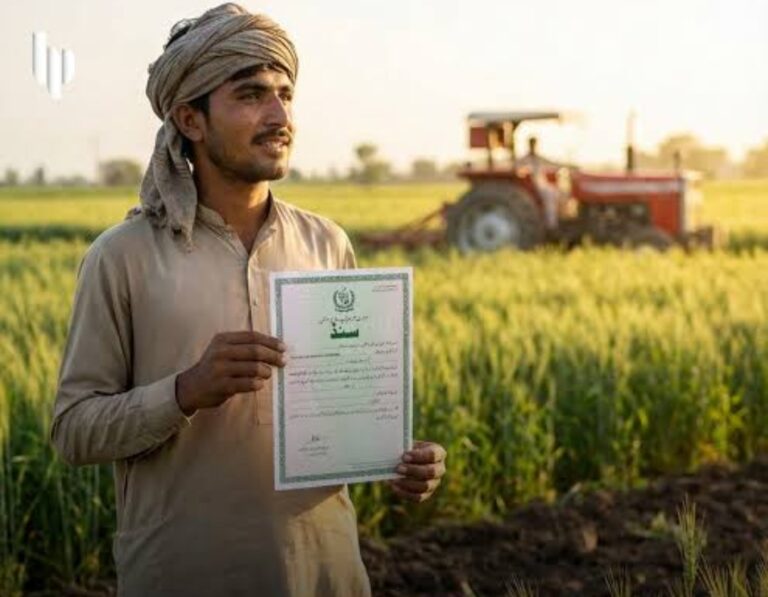
  • 122 Dera Ghazi Khan farmers receive land allotment certificates

    Dera Ghazi Khan – Chief Minister of Punjab Maryam Nawaz Sharif, under her farmer-friendly vision, has initiated the “Apna Khet, Apna Rozgar” scheme to promote agricultural development and economic prosperity for cultivators. As part of this initiative, land allotment certificates were distributed among 122 farmers in District Dera Ghazi Khan. A ceremony was held at the District Council Hall in Dera Ghazi Khan, where Members of the Punjab Assembly Muhammad Hanif Patafi and Sardar Salahuddin Khan Khosa attended as special guests. The event was presided over by Additional Deputy Commissioner Revenue Niaz Ahmed Mughal. On this occasion, Assistant Commissioners Taimur Usman and Hafiz Umar Saeed, along with officials from the agriculture, revenue, and other relevant departments, a large number of farmers, and prominent figures from the district were present. Addressing the ceremony, the members of the provincial assembly and other speakers said that the “Apna Khet, Apna Rozgar” scheme, launched by Chief Minister Maryam Nawaz Sharif, aims to make small and medium-scale farmers self-reliant in the agricultural sector. They noted that providing easy access to modern farm machinery, reducing production costs, increasing agricultural output, and promoting advanced farming technologies are all integral components of this initiative. Under the scheme, eligible farmers selected through a transparent ballot process are being provided subsidized agricultural machinery, which will not only boost their income but also foster innovation, mechanisation, and sustainable growth in the farming sector. The special guests, in their addresses, emphasised that Chief Minister Maryam Nawaz Sharif is prioritising the welfare and wellbeing of farmers as a top agenda. They stated that the “Apna Khet, Apna Rozgar” scheme is a key part of these efforts, through which thousands of cultivators will benefit and the agricultural sector will be further strengthened. During the ceremony, land allotment certificates were distributed among the selected 122 farmers, and a firm commitment was expressed that the Punjab government will continue its support for farmers prosperity, agricultural self-sufficiency, and food security. Additionally, a development grant of 50,000 rupees per acre will also be provided for cultivation purposes.

  • Too much gaming may harm children

    Online and video games are a popular source of entertainment for children.  However experts warn that spending too much time playing games can affect a child’s mental physical and social development. Playing games in moderation can be enjoyable but excessive gaming may lead to several problems. Experts say the growing popularity of video games among children is becoming a concern around the world. Spending long hours in front of a screen can reduce time for schoolwork exercise and other healthy activities. Research also suggests that too much gaming may make some children more irritable angry or aggressive. According to experts excessive gaming may also affect brain function and the nervous system. Children who spend too much time playing games may lose interest in their studies perform poorly at school and become more likely to develop an unhealthy dependence on video games. Too much screen time can also reduce social interaction. Instead of spending time with family and friends children may prefer staying alone with their games which can affect their communication and relationship skills. Pediatric experts advise parents to set clear limits on screen time and encourage children to take part in other activities. Outdoor games painting arts and crafts reading and other creative hobbies can support healthy physical and mental development. These activities are even more beneficial when parents are involved. Experts also say that spending time with siblings and family members helps children build stronger relationships confidence, and social skills.  If video games become a child’s main focus family life and personal development may suffer. Experts do not recommend banning video games completely as learning to use technology is important today. Instead parents should set reasonable gaming limits monitor what their children play and encourage a balanced lifestyle that includes learning physical activity and family time.

  • |

    Police arrest suspect in the murder of British woman

      Authorities in Greece have detained a suspect in connection with the brutal murder of 38-year-old British national Elizabeth Jane Ross, whose body was discovered inside a suitcase in Athens. The case has attracted significant public attention due to the disturbing circumstances surrounding the crime and the victim’s humanitarian work. According to police, Elizabeth Jane Ross had been visiting Greece for several years and was well known for her involvement with organizations that supported refugees and other vulnerable communities. Through her humanitarian efforts, she worked with various charities and non-governmental organizations dedicated to assisting people in need. Friends and colleagues described her as a compassionate and caring individual who devoted much of her time to helping disadvantaged groups. The investigation began after a homeless man discovered a suspicious suitcase in a car park in the Kypseli district of Athens on 18 July. After noticing the abandoned luggage, he alerted the authorities, who responded to the scene and opened the suitcase. Police were shocked to find the body of a woman inside. The victim was later identified as Elizabeth Jane Ross through official procedures. Following the discovery, Greek police launched an extensive investigation involving forensic experts, detectives, and crime scene specialists. Investigators collected evidence from the suitcase and surrounding area in an effort to determine the identity of the perpetrator and reconstruct the events leading up to the murder. According to reprts, the suspect is a 26-year-old Afghan national who was taken into custody in central Athens. Police believe he may have been directly involved in the killing of Elizabeth Jane Ross. During the initial stages of

  • Emigration policy sparks clash in National Assembly committee

    Islamabad: A fresh controversy has emerged in the National Assembly Standing Committee on Overseas Pakistanis and Human Resource Development after lawmakers raised questions over the preparation of the new emigration policy, the role of parliamentarians in policy making and mistakes in official committee records. The debate started when members questioned whether important stakeholders were consulted before the approval of the new immigration policy and why some members of the committee were not included in the policy launch event. During the meeting, Dr Mahreen Razzaq Bhutto, a member of the committee pointed out that concerns raised in an earlier meeting regarding the emigration policy were missing from the official minutes. She questioned the process through which the policy was prepared and asked whether relevant stakeholders were taken on board before the policy was approved. The lawmaker argued that public policies affect millions of people and should be prepared after consultation with all important groups, including representatives of the people. She also questioned statements regarding the policy’s approval timeline, noting confusion about when the policy was actually introduced and approved. The issue created a debate inside the committee over the difference between the government’s authority to make policies and parliament’s responsibility to monitor their implementation. Committee Chairman Syed Rafiullah stated that making government policy falls under the authority of the government and the minister concerned. He said the role of the committee is to review, monitor and examine whether the policy is being implemented properly. The chairman maintained that the government has the right to prepare policies, while parliamentary committees can examine their performance and suggest improvements. However, the member disagreed, arguing that while the government has the authority to create policies, consulting stakeholders strengthens the policy and improves public confidence. She said that parliamentarians should be involved before policies are presented for final approval because they represent public concerns. The lawmaker stressed that policies become public documents after approval, but meaningful consultation should happen before final decisions are made. The chairman responded that members would have the opportunity to discuss issues within the policy and provide suggestions after reviewing the document. The discussion also highlighted the importance of clearly defining the connection between government policy making and parliamentary oversight. Another controversy emerged when members raised objections over the wording used in committee documents regarding the Federal Secretary of the Inter Provincial Coordination Division. Dr Mahreen questioned why the word “summon” was used for a federal secretary in the committee recommendations, arguing that such language is generally associated with legal authority and court proceedings. She questioned whether a parliamentary committee should use the term for a senior government official who was being requested to attend a meeting. Officials clarified that the use of the word appeared to be a drafting mistake and that the actual intention was to invite the secretary to attend the meeting. The committee secretary explained that the official agenda mentioned the secretary was invited along with relevant officers to participate in discussions. The member insisted that official documents should use accurate wording because committee reports become public records and represent parliamentary proceedings. She said that drafting mistakes can confuse the powers and procedures of parliamentary committees. The meeting also witnessed a heated exchange between members over the issue, with the chairman asking members to follow the committee procedure and discuss matters according to their turn. The chairman advised members that disagreements should remain within the rules of parliamentary discussion and that the committee should continue its work in an organised manner. The committee later continued discussion on the relevant agenda items while maintaining that official records and policy discussions must remain clear and accurate.

  • Teen girl summits khushal gang

    A 14 year old girl from Pakistan’s Balochistan province has achieved an inspiring milestone by climbing one of the country’s highest mountains despite facing family concerns and difficult training. Malika Khilji became the first young girl from Balochistan to reach the top of Khushal Gang a 6,040 meter high peak making history with her achievement. she had always loved sports but growing up she had very few opportunities to take part. When she got the chance to learn mountaineering she decided to follow her passion. She explained that she received a training scholarship from the Alpine Club of Pakistan and the Balochistan Institute for Tourism Hospitality and Culture Management where she began formal mountain climbing training. Malika shared that her family was not supportive at first. She said girls in her community often have limited opportunities but her brother encouraged her and convinced their parents to let her join the expedition. Before attempting Khushal Gang she practiced on the hills around Quetta. However she had little experience with technical climbing. During the expedition she used professional climbing equipment for the first time and faced harsh weather conditions. The toughest part of  the climb came at around 3 a.m. during the final push to the summit when she had to climb a steep wall of snow. Feeling exhausted she almost decided to turn back. Her guide encouraged her by reminding her that she could become the first girl from Balochistan to reach the summit.  Inspired by those words she continued climbing and successfully reached the top. Malika said she hopes to keep climbing more mountains represent Pakistan proudly and encourage other girls to believe in themselves and chase their dreams.

  • NA committee demands action against drug suppliers in universities

    ISLAMABAD: A serious debate erupted in the National Assembly Standing Committee on Federal Education and Professional Training after lawmakers questioned whether educational institutions were doing enough to stop the spread of drugs among students, warning that awareness campaigns alone cannot defeat organised supply networks operating around campuses. The committee, chaired by Ms. Mahtab Akbar Rashdi, examined the growing problem of narcotics in educational institutions and demanded practical results instead of only reports, seminars and awareness programmes. The committee stressed that the issue was not limited to students using drugs but also involved people supplying these substances to young people. During the meeting, officials of the Federal Directorate of Education (FDE) informed the committee that no drug use incident had been officially reported inside its public sector institutions. They said multiple measures were being taken, including drug awareness education, life skills programmes, tobacco free zones, monitoring committees and coordination with law enforcement agencies. However, Member of the Committee Dr Shazia Sobia Aslam Soomro expressed dissatisfaction with the briefing and questioned whether awareness campaigns were producing real results. She said simply giving presentations about awareness was not enough and asked authorities how many suppliers had been caught, how many institutions had reported cases and what action had been taken against those involved in supplying drugs. “This is not a joke,” Chairperson Ms. Mahtab Akbar Rashdi said while stressing that the problem required serious action. She questioned why authorities were focusing mainly on awareness while failing to show clear results against those involved in supplying drugs. The committee also raised concerns that drug suppliers were using new methods to reach students. Members pointed towards reports suggesting that drugs were being supplied through online channels and other hidden methods, including delivery systems that make it difficult for institutions to detect the problem. Dr Shazia Sobia informed the meeting that Islamabad Police had reported seizing 370 kilograms of drugs over three years, with 214 cases reported in educational institutions and 263 people arrested. The member questioned why education authorities were mostly discussing awareness instead of providing details about cooperation with police, the Anti Narcotics Force and rehabilitation centres. The committee raised another major concern that disciplinary action was often taken against students, while the people supplying drugs were not being targeted enough. Members questioned why students faced penalties while suppliers operating around educational institutions continued to escape. They demanded stronger action against those bringing drugs into campuses rather than focusing only on students who may already be victims of addiction. Chairperson Ms. Mahtab Akbar Rashdi said educational institutions must take responsibility because they control campuses, hostels and facilities where students spend their time. She said institutions cannot reach inside homes, but they must ensure strict monitoring within their own premises. She further directed that universities and colleges should provide regular reports about drug related cases, actions taken and rehabilitation efforts. She emphasised that the goal should not only be punishment but also helping affected students recover. The Higher Education Commission (HEC) informed the committee that it had implemented a drug and tobacco control policy across around 249 universities. According to HEC officials, committees had been formed in universities, monitoring mechanisms were introduced and coordination was established with the Anti Narcotics Force and other agencies. HEC officials told the committee that around 1,418 drug related cases were reported in 250 institutions. They said penalties, warnings, counselling and other disciplinary actions were taken in different cases. The committee, however, questioned whether these numbers reflected a real improvement or only showed administrative action after incidents had already occurred. Members also raised concerns about suppliers operating near universities, including allegations that some people connected with campus facilities could be involved in supplying drugs. They demanded that authorities investigate suppliers instead of limiting action to students. HEC officials responded that action had been taken against suppliers where evidence was available. They said surveillance systems, including CCTV monitoring, were being used and that students involved in supplying drugs could face suspension or termination. The committee decided that future discussions should include the Anti Narcotics Force, police authorities and relevant rehabilitation experts to develop a stronger strategy against drug supply networks. Officials were asked to return with practical results, including information about suppliers caught, students rehabilitated and improvements achieved.