pakistan enters era
| |

Pakistan enters AI era with inauguration of larges…

Pakistan has taken a major step towards becoming a regional digital technology hub with the inauguration of Sky47 Karakoram-01, the country’s largest AI-ready data centre and cloud platform, at Capital Smart City near Islamabad.

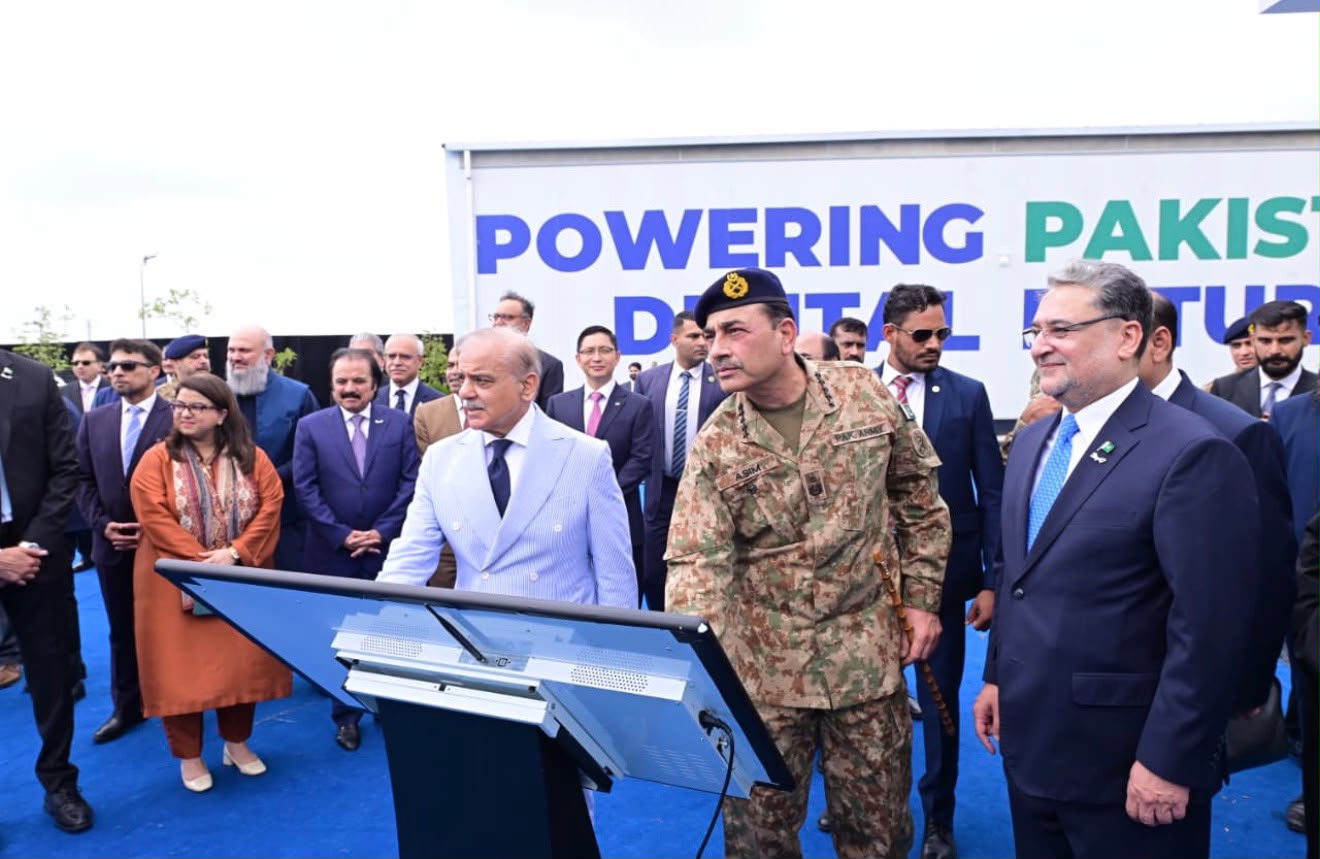
The facility was jointly inaugurated by Prime Minister Muhammad Shehbaz Sharif and Chief of Army Staff and Chief of Defence Forces, Field Marshal Syed Asim Munir, during a ceremony attended by federal ministers, senior government officials, business leaders, technology experts and representatives of the IT sector.

Developed by Sky47 in collaboration with the Habib Rafiq Group, the state-of-the-art facility has been designed to deliver artificial intelligence computing, cloud services, secure data hosting, cybersecurity and high-performance computing infrastructure. The project is expected to strengthen Pakistan’s digital economy by enabling businesses, financial institutions, government organisations and technology companies to securely host and process data within the country while supporting the rapid growth of AI applications.

The project also reinforces Capital Smart City’s ambition to become Pakistan’s premier destination for data centres, cloud computing and advanced technology investment. With its modern infrastructure, strategic location and dedicated technology zones, the city is positioning itself as a future hub for digital innovation and AI-led development.

Addressing the inauguration ceremony, Prime Minister Shehbaz Sharif described Sky47 as a landmark project that would help shape Pakistan’s future and strengthen the country’s digital capabilities. He said the successful completion of the project within a short period reflected extraordinary commitment, professional expertise and determination.

The Prime Minister said projects such as Sky47 were essential for building a dynamic, progressive and technologically advanced Pakistan. Referring to Pakistan’s recent achievements, he said that when the nation confronts challenges with determination, optimism and resilience, it is capable of accomplishing historic milestones. He described the project as an important guarantee for Pakistan’s future and said it would provide robust digital security for the country.

He also paid tribute to Field Marshal Syed Asim Munir for his visionary leadership and acknowledged the support of technology partner ZTE, Federal Minister for Information Technology Shaza Fatima Khawaja, the Ministry of IT and all stakeholders involved in making the project a reality. The Prime Minister announced that similar state-of-the-art facilities would also be developed in Karachi and Lahore and called for government institutions to make full use of the new infrastructure.

The Habib Rafiq Group, under the leadership of Zahid Rafiq, has played a pivotal role in delivering the project and expanding Capital Smart City’s vision beyond real estate into technology-led infrastructure. Industry observers believe the initiative will help attract further domestic and international investment in artificial intelligence, cloud computing and digital services.

Speaking at the ceremony, Federal Minister for Information Technology Shaza Fatima Khawaja said the inauguration of Sky47 marked the beginning of a new era of artificial intelligence in Pakistan. She said the project would open the door to a new phase of economic growth by enabling the country to make better use of its digital resources, skilled workforce and data-driven innovation. She added that the future global AI race would depend on the secure, efficient and intelligent use of data.

Sky47 Chief Executive Officer Hassan Abbas said there are around 12,000 data centres worldwide but only 22 in Pakistan, highlighting the country’s significant growth potential. He said Pakistan’s e-commerce sector is expanding by around 25 to 30 per cent annually and that Sky47 would provide a strong foundation for the country’s digital economy.

The Sky47 data centre has the capability to support artificial intelligence, machine learning and high-performance computing while providing cloud computing, secure data hosting and enterprise digital services. It is also expected to play an important role in safeguarding sensitive national and commercial information.

The inauguration is being viewed as one of Pakistan’s most significant technology milestones in recent years, reflecting the country’s ambition to build sovereign digital infrastructure and reduce reliance on overseas data hosting. Supporters of the initiative describe it as a major breakthrough achieved under the leadership of Prime Minister Shehbaz Sharif, with the support of Field Marshal Syed Asim Munir, and an important step towards positioning Pakistan as a regional hub for artificial intelligence, cloud computing and next-generation digital technologies.

Similar Posts

  • |

    Jon Bernthal reveals why he distanced himself from family for ‘The Punisher’

    Jon Bernthal has opened up about the personal cost of playing Frank Castle in The Punisher. The actor admitted that he chose to isolate himself from his wife and children while working on the intense Marvel series. The Punisher is a standalone show built around Bernthal’s widely praised performance as the vigilante antihero. Frank Castle is a dark, violent character, and stepping into that role required Bernthal to shift into a completely different mental space than his everyday life. To keep that darkness from spilling into his home life, Bernthal made a deliberate choice. He kept his distance from his wife, Erin Angle, and their kids throughout filming. According to him, this was about protecting his family from the emotional shadow of the character he was playing. Speaking candidly with Howard Stern, Bernthal explained his process in detail. He said isolation becomes necessary during these projects, and that his wife remains the one person he still talks to regularly. He added that it wouldn’t feel right to be out socialising at restaurants or bars while simultaneously embodying a character defined by grief and violence. The 49-year-old actor also reflected on how this affects his bond with his children. He admitted that staying away from them has only grown harder over time. He said he does not want them around him while he is still mentally carrying the weight of such a heavy role. Even so, he made it clear that his love for them remains as strong as ever. Bernthal didn’t shy away from the practical realities of parenting either. He joked about the never-ending costs that come with raising young kids, specifically mentioning diapers. He added that if he’s going to spend time away from his children for work, he wants that time to genuinely count for something. Beyond The Punisher, Bernthal recently returned to the role of Frank Castle in Spider-Man: Brand New Day. The film, directed by Destin Daniel Cretton, also stars Tom Holland. Through this conversation, Bernthal gave fans a rare and honest look into what it really takes to fully commit to such a demanding role, and the personal sacrifices that often come along with it, both for himself and for the family waiting for him at home.

  • | | |

    Russia, Pakistan advance Moscow-Karachi rail link

    Russia and Pakistan are working to launch a new freight railway service connecting Moscow with Pakistan, Russian Ambassador to Islamabad Albert P. Khorev has said. The proposed rail link is aimed at improving trade connectivity between the two countries and creating a more direct overland route for the movement of goods. In comments published by the Russian newspaper Izvestia on August 8, Khorev said Moscow and Islamabad were jointly working on launching freight railway services along the Moscow-Faisalabad and Moscow-Karachi corridors. The proposed routes would operate in both directions, allowing goods to be transported between Russia and Pakistan through a dedicated rail-based trade network. Khorev said the possibility of including Belarus in the project was also being examined. If the Belarusian side joins the initiative, the route could provide a wider connection across parts of Eastern Europe and South Asia. The project has faced delays because of changing geopolitical conditions in the region. According to the Russian ambassador, heightened geopolitical tensions during 2025 and early 2026 resulted in several postponements to the planned launch. Despite the delays, work on the project is continuing. Khorev said the countries involved are currently finalising a contract covering the required freight railway services. At the same time, officials are identifying companies in the countries along the proposed route that could use the railway network to transport commercial cargo. The identification of potential cargo owners is considered an important step before the service can begin. A stable volume of goods would be needed to make the railway corridor commercially viable. The Moscow-Karachi route could provide Pakistani and Russian businesses with another option for moving goods between the two markets. It could also reduce reliance on traditional maritime routes for certain types of cargo. The Moscow-Faisalabad corridor would provide a direct connection to one of Pakistan’s major industrial and commercial centres. Faisalabad is an important manufacturing hub, particularly for textiles and other export-oriented industries. For Russia, improved rail connectivity with Pakistan could open additional opportunities for trade with South Asia. Pakistani businesses could also gain access to wider markets through connections with Russia and potentially Belarus. The possible involvement of Belarus could further expand the corridor’s geographical reach. It may also strengthen transport cooperation among the countries involved. However, the project still requires the completion of commercial and logistical arrangements before the first freight service can be launched. The parties are therefore focusing on finalising the service contract and securing interest from companies that can provide regular cargo for the route. The proposed railway initiative is part of broader efforts by Russia and Pakistan to strengthen economic and transport cooperation.

  • Thar communities demand fair share of coal royalties

    MITHI: The representatives of communities affected by the Thar Coal project, activists of civil society organisations, lawyers, journalists and youth groups on Wednesday adopted a 12-point resolution calling for a comprehensive legal framework to govern the distribution and utilisation of coal royalties, describing the issue of Thar Coal Royalty as central to the region’s future development. The resolution was adopted at a consultative meeting held at the Islamkot Press Club, where participants urged the provincial government to recognise the legal and moral claims of Tharparkar’s residents over royalties generated from coal extracted from the desert. The participants demanded the establishment of a Thar Coal Royalty Fund, proposing that at least 50 per cent of royalty revenues be earmarked for the development of Tharparkar. They also called for annual white papers detailing royalty collections and expenditures, independent financial audits, and legislation to ensure transparent management of the fund. According to the resolution, the proposed fund should be administered by a representative board comprising members from affected villages, women, youths, civil society, locally elected representatives and technical experts. The resolution further proposed that royalty revenues be invested in healthcare, education, clean drinking water, environmental restoration, afforestation, pollution control, vocational training, employment opportunities for local residents, scholarships, technical institutes, university campuses and youth skills development. Participants also sought fair compensation, rehabilitation and alternative livelihood opportunities for families displaced by mining activities or affected by devastating environmental impacts. They recommended annual public hearings on the utilisation of the royalty fund, the enactment of a Thar Coal Royalty Management Act, and the establishment of a Future Generation Fund to finance long-term investments in education, healthcare, water security and climate resilience. The meeting emphasised that the principle of “Thar’s coal, Thar’s right” should guide future policy, urging authorities to ensure transparency, accountability, public oversight and greater participation of affected communities in decisions concerning royalty utilisation. The resolution recommended that copies be forwarded to the Chief Minister of Sindh, the Speaker of the Sindh Assembly, the provincial departments of Mines and Energy and Finance, elected representatives of Tharparkar, the district administration, mining companies and relevant federal institutions for consideration. During the meeting, speakers including Ubhayo Junejo, Aijaz Bajeer, Sajan Charo, Nashad Rahim Ali, Advocate Qurban Samejo, GM Bajeer, Ms Uzma Abring, Abdul Ghani Bajeer, Nehal Mehranpoto, Hassan Rizvi, Azad Asad Hingorjo, Naseer Noon, Aijaz Baloch, Soomar Khaskheli and others expressed their deep concern over the environmental and social impacts of coal mining, including land acquisition, loss of grazing areas, groundwater contamination and limited employment opportunities for local residents. They maintained that a substantial amount of royalty revenue had accumulated over the years and urged both the federal and Sindh governments to ensure that these funds are utilised for the sustainable development and welfare of the people of Tharparkar. Participants warned that if their demands for a transparent and equitable royalty mechanism remained unaddressed, they would consider launching a coordinated protest campaign.

  • | |

    NAB chairman grilled over bureau’s performance

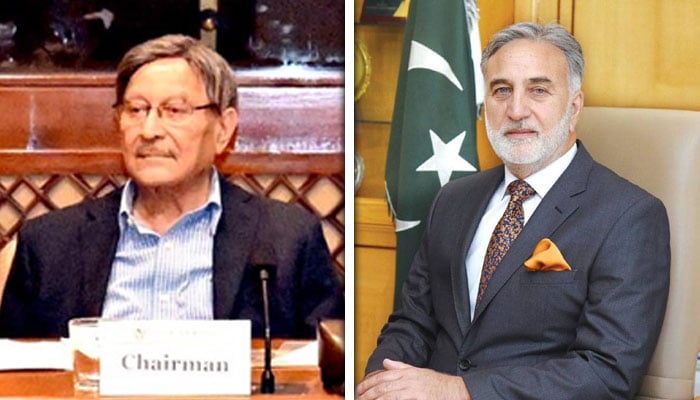
    A meeting of the Senate Standing Committee on Law and Justice was held under the chairmanship of Senator Farooq H Naek, where National Accountability Bureau (NAB) Chairman Nazir Ahmed Butt appeared before the committee on its instructions. During the meeting, Senator Farooq H Naek remarked that the NAB chairman had perhaps appeared before the committee for the first time. In response, Nazir Ahmed Butt said that it was his first appearance before the committee as NAB chairman. He added that he had appeared before the committee several times while performing his previous responsibilities. The NAB chairman said he had been assigned the responsibility in 2023. He recalled that ministers he met during his tenure repeatedly complained that the bureaucracy was afraid to make decisions and was therefore reluctant to work. During the meeting, NAB Director General Operations briefed the committee on the bureau’s powers and performance. The official said NAB had received 505,799 complaints since its establishment. He said NAB also operates as an investigative agency under the Anti-Money Laundering Act, 2010. According to the briefing, NAB has so far completed 12,147 inquiries, conducted 7,339 investigations and filed 4,105 references. The DG Operations further told the committee that NAB had been allocated Rs22.556 billion over the past three-and-a-half years. Despite the expenditure, the bureau reported significantly higher recoveries during the same period. The committee was informed that NAB had recovered Rs1.069 trillion over the past three-and-a-half years. The briefing highlighted the bureau’s role in investigating corruption, financial crimes and other cases falling under its legal mandate. The committee members discussed NAB’s powers, investigations, recoveries and its overall performance during the meeting. The NAB chairman and officials responded to questions from the committee and provided details about the bureau’s operations and financial performance.

  • |

    Benjamin Netanyahu sparks diplomatic backlash after labelling UK an “Islamic republic”

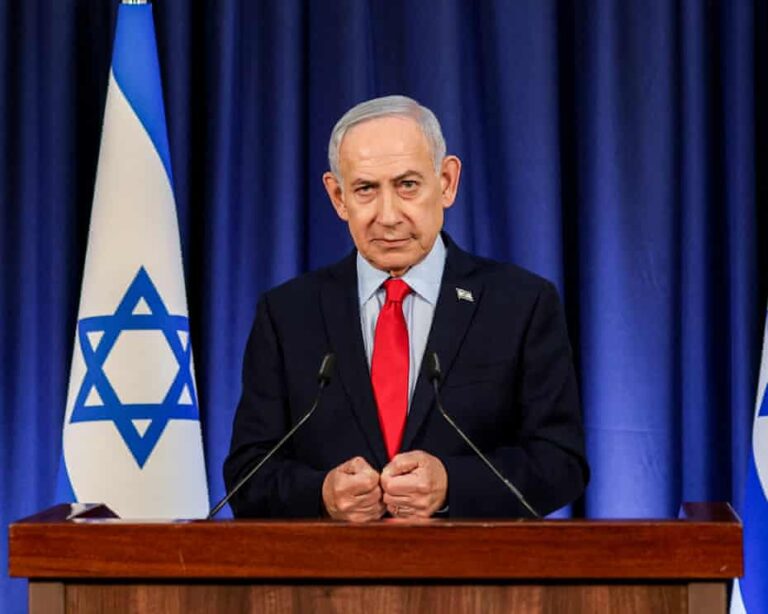
    Israeli Prime Minister Benjamin Netanyahu has drawn widespread criticism following a radio interview in which he referred to the United Kingdom as the “Islamic republic of Britain” and suggested it could become the first Islamic republic with nuclear capabilities. The remarks, delivered during a broadcast on Israel’s Army Radio, have drawn condemnation for echoing far-right Islamophobic rhetoric. During the exchange, Netanyahu contrasted media coverage of the 1967 Arab-Israeli war with modern British politics, questioning whether contemporary UK figures would offer similar support. Pressed by the interviewer on whether such dynamics applied to Europe as a whole, Netanyahu doubled down, repeating the assertion regarding Britain’s nuclear status. His comments notably ignored the fact that Pakistan, officially an Islamic republic, has possessed a nuclear arsenal since the late 1990s. The incident has heightened existing diplomatic tensions between London and Jerusalem. The British Foreign, Commonwealth and Development Office described the statement as completely unacceptable and confirmed the matter had been raised directly with the Israeli government. Domestically, Israeli opposition figures criticized Netanyahu for alienating a strategic international partner amid mounting diplomatic isolation.

  • |

    ‘Remove Mamdani’: New York protests erupt

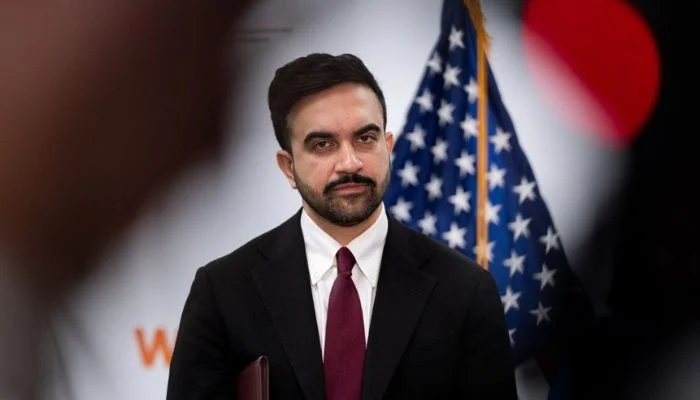
    Hundreds of protesters gathered in New York City calling for Mayor Zohran Mamdani to resign or be removed from office. Demonstrators gathered near Gracie Mansion and voiced strong opposition to the mayor. Chants including “Remove Mamdani” and “Mamdani has to go” were heard during the protest. The demonstration came amid heightened tensions following a recent stabbing on Manhattan’s Upper West Side that is being investigated as a possible hate crime. One of the victims was a Jewish man, while another victim was Asian. Both survived the attacks. Critics of Mamdani have accused his administration of failing to do enough to protect Jewish New Yorkers. Protest organisers have also objected to his positions on Israel and broader foreign-policy issues. The protest reflects the growing political divisions surrounding Mamdani’s administration. His policies and views on international affairs have drawn strong support from some groups while facing intense criticism from others. Mamdani has previously defended the right to peaceful demonstrations, including protests directed against him. He has said that peaceful protest is a fundamental democratic right, while stressing that threats, violence and hate speech are unacceptable.

Leave a Reply

Your email address will not be published. Required fields are marked *