pakistan mps get
|

Pakistan MPs get highest salaries in South Asia

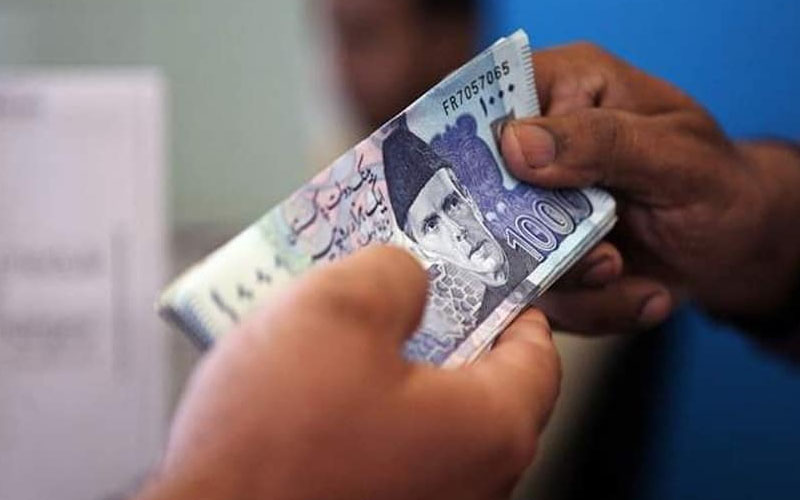
Islamabad – According to a comparative review of parliamentary salaries in South Asia, Pakistani lawmakers receive the highest monthly salaries in the region while Pakistan’s per capita income remains lower than that of several countries in the region.

According to data released under the title “Parliamentarians’ Salaries and Benefits vs. Per Capita Income in the Region,” the monthly salary of a Pakistani parliamentarian stood at $3,530 as of July 2026, the highest in the region.

The data shows that an Indian parliamentarian receives a monthly salary of $2,813 while the figure is $1,400 in Bangladesh, $1,100 in Sri Lanka and $600 in Nepal.

According to the report, Pakistan’s annual per capita income stands at $1,500, compared with $2,954 in India, $3,037 in Bangladesh, $4,000 in Sri Lanka and $1,400 in Nepal.

The report states that the monthly salary of a Pakistani parliamentarian is nearly six times higher than that of a Nepalese parliamentarian and more than twice that of a Bangladeshi parliamentarian.

Gap between public income and Parliamentary salaries

The data highlights a significant gap between the salaries of Pakistani lawmakers and the per capita income of ordinary citizens, sparking debate over financial priorities and the benefits provided to public representatives.

Critics argue that such a wide gap between the income of public representatives and the economic conditions of ordinary citizens is a matter of concern. Supporters however, say parliamentary salaries take into account expenses related to electoral constituencies, security, travel facilities and legislative responsibilities.

The report states that the figures were compiled based on the official salary structures as of July 2026 and per capita income estimates from the World Bank and International Monetary Fund (IMF).
Similar Posts

  • |

    PBS revises import data after billions of dollars in discrepancies

    The Pakistan Bureau of Statistics (PBS) has revised the country’s monthly and annual import figures after uncovering major discrepancies in trade data, with the adjustments reaching billions of dollars over certain periods. The data revisions, which could amount to as much as $30 billion for some periods, are expected to have a notable impact on Pakistan’s Gross Domestic Product (GDP) calculations and other key economic indicators. The statistical agency has incorporated the updated import figures across several major sectors as part of the data reconciliation process. According to senior government officials, the PBS has completed a detailed report outlining the discrepancies and the methodology used to revise the import statistics. The report has been submitted to the Ministry of Finance, which is currently examining its potential implications. The ministry is expected to make the findings public by the end of August 2026. Differences emerge between PBS and SBP data The issue came to light after officials identified significant differences between import figures compiled by the PBS and corresponding data maintained by the State Bank of Pakistan (SBP). The discrepancies were initially detected while comparing Pakistan’s trade figures with China. Further scrutiny subsequently revealed differences in specific tariff lines and categories of imports that had not been fully reflected in the PBS data. Following the discovery, the Pakistan Single Window and other relevant government institutions became involved in the reconciliation process. The objective was to identify the source of the differences, verify transaction-level information and ensure that import statistics accurately reflected the country’s external trade. The matter later attracted the attention of the International Monetary Fund (IMF), which has been closely monitoring Pakistan’s economic data and statistical reporting under its reform programme. IMF seeks greater transparency The IMF had previously highlighted weaknesses in Pakistan’s procedures for collecting, compiling and consolidating import data. It called for improvements in the statistical framework and greater transparency about the scale and economic impact of the discrepancies. Under the agreed reform requirements, the PBS was tasked with publishing revised monthly and annual import statistics by the end of August 2026. The statistical agency is also expected to provide an explanation of the changes and their impact on previously reported figures. The revisions are particularly significant because imports are an important component of national accounts and external-sector statistics. Changes in import values can influence the calculation of GDP, trade balances, current account figures and other macroeconomic indicators. GDP impact under review The Ministry of Finance is examining the PBS report largely because of the potential impact of the revised import figures on national economic data. Officials are assessing how the changes could affect previously reported GDP estimates and other indicators based on import statistics. The scale of the revisions means that the exercise could result in adjustments to historical economic data, depending on how the revised figures are incorporated into the national accounts. Officials, however, are expected to provide further details once the Ministry of Finance completes its review and the PBS publishes the revised statistics. IMF review mission approaching The development comes ahead of the IMF’s next review of Pakistan’s economic reform programme. The Fund’s review mission under the country’s $7 billion Extended Fund Facility (EFF) is expected to visit Pakistan by early September 2026. The publication of revised import data before the mission’s arrival is likely to be closely watched, as strengthening the reliability and transparency of economic statistics remains an important element of Pakistan’s commitments under the IMF programme.

  • | |

    KP CM denies forming Imran release force

    Khyber Pakhtunkhwa Chief Minister Sohail Afridi has told the Federal Constitutional Court that no “PTI founder release force” was ever established, describing the initiative instead as a peaceful movement for the release of Pakistan Tehreek-e-Insaf founder Imran Khan. Afridi submitted an eight-page response in the case through the Khyber Pakhtunkhwa advocate general. The response was filed after the Federal Constitutional Court sought his position on a petition challenging the alleged formation of the so-called release force. In his response, the chief minister said the actual initiative was the Release Peace Movement, which he described as peaceful, unarmed and voluntary. He maintained that the movement had no armed structure or military component. Afridi further argued that the constitutional petition was politically motivated and based on misrepresentation of facts. He said the petition was premature, hypothetical and therefore not maintainable. According to the chief minister, the petitioner had also failed to establish any violation of fundamental rights. Afridi said the Release Peace Movement was protected under Articles 16, 17 and 19 of the Constitution. These provisions relate to freedom of assembly, freedom of association and freedom of speech and expression. He also argued that Article 256 of the Constitution, which concerns private military organisations, had no relevance to the movement. The KP chief minister maintained that the Private Military Organisations Act, 1973 was also not applicable to the Release Peace Movement. He rejected allegations that the initiative posed a threat to public order. He described such claims as baseless and said comparisons between the movement and armed organisations of the past were misleading. Afridi asked the court to dismiss the constitutional petition at the preliminary stage. He also requested the court to declare the Release Peace Movement constitutional and lawful. The case comes amid political controversy over claims that the KP government or PTI supporters were preparing an organisation to campaign for Imran Khan’s release. Federal Defence Minister Khawaja Asif had previously criticised the KP government over the issue, alleging that it could establish a release force for the PTI founder while remaining silent against militants. The Federal Constitutional Court has scheduled the next hearing of the petition for July 29.

  • | |

    Punjab PMS officers oppose plan to create 101 AAC …

    LAHORE: The Provincial Management Service (PMS) Officers Association has strongly opposed the Punjab government’s proposal to create 101 new Additional Assistant Commissioner (AAC) posts, describing the move as unnecessary and harmful to the existing administrative structure. The association argued that the AAC posts had been abolished years ago and their revival was not justified, particularly after the establishment of the Punjab Enforcement and Regulatory Authority (PERA), which was created to strengthen enforcement and regulatory functions across the province. During an executive committee meeting chaired by Association President Qamar Zaman Qaisrani, members unanimously decided to raise their concerns with senior government officials. A delegation of the association is expected to meet the Punjab services secretary and the additional chief secretary to seek a review of the proposed decision. The association warned that if its concerns remain unaddressed, PMS officers across Punjab will begin a province-wide protest campaign. As part of the first phase, officers plan to wear black armbands while performing official duties to register their protest against the government’s decision. PMS officers believe the creation of the new posts would place a significant financial burden on the provincial treasury. According to the association’s estimates, establishing one Additional Assistant Commissioner post, including official facilities, office infrastructure, staff, transport and operational expenses, would cost approximately Rs46.8 million. They claim that creating all 101 posts would require nearly Rs4.73 billion initially, in addition to recurring expenditures on salaries, allowances and other administrative costs. The association further expressed concerns over what it described as long-standing issues within the provincial bureaucracy. These include delays in promotion boards, alleged discrimination in transfers and postings, and the appointment of junior officers to positions traditionally reserved for senior officials. Former administrative secretary Yawar Mehdi also commented on the proposal, saying that efforts to improve public service delivery were welcome if they genuinely strengthened governance. However, he stressed that introducing additional administrative positions should not weaken the existing civil service structure or negatively affect the career progression of Provincial Management Service officers.

  • | |

    Saudi Arabia names new envoy to Pakistan

    Saudi Arabia has appointed Dr Rajeh bin Tami Al-Baqami as its new ambassador to Pakistan, replacing Nawaf bin Said Al-Malki. The appointment comes as Pakistan and Saudi Arabia continue to strengthen their longstanding partnership in defence, investment, trade and regional security. The Saudi Ministry of Foreign Affairs said Al-Baqami was among eight newly appointed ambassadors who recently took the oath of office. The ministry shared photographs of the newly appointed envoys and said they had been sworn in on behalf of the Saudi leadership. Al-Baqami brings both military and diplomatic experience to his new position. He previously served as a major general in the Saudi armed forces before joining the Foreign Ministry at ambassadorial rank. He holds a doctorate in Human Resource Management from Brunel University London. His appointment comes at a time when Islamabad and Riyadh are expanding their strategic cooperation. The two countries recently formalised their defence partnership through a Strategic Mutual Defence Agreement. Under the agreement, aggression against either country is considered an attack on both, further strengthening their long-standing military relationship. Economic cooperation has also become an important part of bilateral ties. Saudi Arabia has pledged major investments in Pakistan under Crown Prince Mohammed bin Salman’s Vision 2030 programme. Riyadh has also provided financial assistance to Pakistan during periods of economic and balance-of-payments pressure. Saudi Arabia remains an important source of oil supplies for Pakistan, including arrangements involving deferred payments. The kingdom has also supported Pakistan’s foreign exchange position through deposits with the State Bank of Pakistan. Relations between the two countries have gained further momentum amid changing regional security dynamics. Islamabad and Riyadh have maintained close consultations on regional developments, including tensions involving Iran. Pakistan has also provided military support to Saudi Arabia during periods of heightened security concerns in the region. Al-Baqami succeeds Al-Malki, who served as Saudi ambassador during a period of expanding political, defence and economic cooperation between the two countries. His arrival is expected to provide further momentum to bilateral engagement and strengthen coordination between Islamabad and Riyadh.

  • | |

    Barrister Saif calls for new provinces, governance…

    PESHAWAR: Former Khyber Pakhtunkhwa Information Adviser Barrister Muhammad Ali Saif has called for the creation of additional administrative provinces, saying Pakistan needs major structural reforms to improve governance and public service delivery. In a statement issued on Sunday, Saif said the proposal to establish new provinces should be taken seriously, arguing that the existing administrative framework is no longer capable of addressing the growing needs of the population efficiently. He said discussions alone would not bring meaningful change and urged the federal government to move beyond proposals by initiating practical measures for administrative restructuring. According to him, governance can only improve if reforms are implemented instead of remaining limited to public debate. Saif maintained that decision-making authority is concentrated within a small section of the bureaucracy, which limits administrative efficiency and delays the resolution of public issues. He stressed that a more balanced distribution of powers would strengthen governance and improve accountability. He said Pakistan requires comprehensive administrative reforms that would transfer greater authority to lower levels of government. Establishing new provinces, he added, would bring the government closer to the people, improve access to public services and ensure faster responses to local challenges. The former adviser also highlighted the importance of an effective local government system, saying empowered local bodies are essential for addressing citizens’ problems at the grassroots level. He argued that decentralisation and stronger local institutions would enhance transparency, improve service delivery and promote sustainable development across the country.

Leave a Reply

Your email address will not be published. Required fields are marked *