pipeline blast disrupts
| |

Pipeline blast disrupts gas supply across Balochis…

QUETTA: Gas supplies to Quetta and several areas of Balochistan were suspended on Thursday after an explosion damaged a major gas pipeline in the Bolan region.

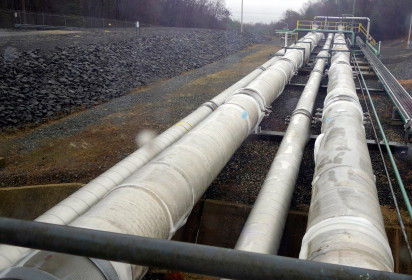
Officials said the blast occurred near Gokurt. An 18-inch-diameter pipeline was damaged by an explosive device near its valve assembly.

The damaged facility is located around 800 metres from the National Highway.

The explosion disrupted gas supplies to Quetta, Kolpur, Mach, Mastung, Kalat, Pishin and Ziarat.

Flames reportedly emerged from the damaged pipeline shortly after the blast. The area was secured to prevent further danger and allow authorities to inspect the site.

The Sui Southern Gas Company (SSGC) said repair teams would be sent to the location after security clearance is granted.

Engineers and technical teams will assess the damage first. Restoration work will begin after the site is declared safe.

The company has not yet announced when gas supplies will be fully restored.

The suspension has caused concern among residents and businesses in the affected areas. Many households depend on the gas network for cooking and other daily needs.

Businesses and commercial establishments may also face difficulties if the disruption continues for an extended period.

Security authorities have started investigating the explosion. Officials are also examining the circumstances surrounding the damage to the pipeline.

The incident highlights continuing security concerns surrounding energy infrastructure in Balochistan. Gas pipelines in the province have previously been targeted in similar attacks.

A similar incident was reported in Balochistan earlier this year.

In March, an 18-inch gas pipeline near the Western Bypass in Harnai’s Akhtarabad area was damaged in an explosion.

Explosives had reportedly been planted beneath the pipeline. The blast destroyed a significant section of the infrastructure and disrupted gas supplies to several areas.

The earlier incident affected parts of Quetta and upper Balochistan. Several localities, including Airport Road, Nawan Kali, Jinnah Town, Hazarganji, Kuchlak, Pishin and Ziarat, experienced disruptions.

The March explosion also caused a major fire. Large flames were seen rising from the damaged pipeline, creating panic among people living nearby.

Authorities are continuing their investigation into Thursday’s blast. Security officials will also determine the extent of the damage and assess the measures required to protect the pipeline network.


Similar Posts

  • |

    Colombia requests US joint military operations against cartels under new president

    US Defense Secretary Pete Hegseth announced that the newly inaugurated government of Colombian President Abelardo de la Espriella has formally requested US collaboration in joint military operations within Colombia to combat drug trafficking organizations. Speaking in Panama City during a meeting of the Americas Counter-Cartel Coalition, Hegseth confirmed that Colombia will join the US-led “Shield of the Americas” regional counter-narcotics initiative as its 19th member nation. De la Espriella, a conservative leader sworn into office last week, has taken a hardline stance against armed groups, reversing the policy direction of his predecessor, Gustavo Petro. Hegseth also urged participating Latin American nations to reject the jurisdiction of the International Criminal Court (ICC). Addressing legal scrutiny surrounding recent US military strikes against suspected regional drug networks, Hegseth maintained that US counter-cartel actions fully comply with international humanitarian law.

  • | | |

    British soprano wins Pakistani hearts with national anthem

    Pakistan cricket fans in Leeds were treated to an unexpected musical moment before Wednesday’s match against England when British soprano Laura Wright delivered a soulful a cappella rendition of Pakistan’s national anthem. Her performance quickly attracted attention beyond the stadium after it was broadcast to viewers around the world. Pakistani fans took to social media to praise Wright’s voice and the emotion she brought to the anthem. Some viewers said the performance was so moving that it brought them to tears. Others jokingly suggested that Wright should be granted Pakistani citizenship and issued a national identity card immediately. While many fans focused on the singer’s impressive vocal performance, some supporters had a more immediate concern — Pakistan’s performance on the cricket field. The discussion also prompted fans to look ahead to England’s next tour of Pakistan. Several social media users suggested that Pakistani singers should return the gesture by performing the British national anthem when England next plays in Pakistan. Among the names suggested by fans were Aima Baig and Sahir Ali Bagga. The emotional performance came on a difficult day for Pakistan’s cricket team. Pakistan were dismissed for 171 in their first innings, leaving England with a relatively modest target to chase. England made a strong start in response, reaching 112 for two by the end of the opening day and putting themselves in a commanding position. Despite the disappointing start with the bat, the national anthem performance provided Pakistani supporters with a memorable moment before the action began. Wright’s rendition was widely appreciated for its simplicity and powerful vocals, with fans praising the decision to perform the anthem without musical accompaniment. For many Pakistanis watching from home, the performance became one of the highlights of the day, even as they hoped the national team would produce a stronger response on the field. The warm reaction showed how a musical performance can create a moment of connection between supporters, regardless of nationality, particularly during an international sporting contest.

  • | |

    Fawad urges Imran Khan’s immediate hospital tran…

    Former federal minister Fawad Chaudhry has called for the immediate end of Pakistan Tehreek-e-Insaf (PTI) founder Imran Khan’s solitary confinement and urged authorities to shift him to a hospital following recommendations in his latest medical report. In a statement posted on social media platform X, Chaudhry expressed concern over Imran Khan’s health and conditions at Adiala Jail. He said the medical report made it necessary for authorities to end the former prime minister’s solitary confinement and provide him with better medical facilities. Chaudhry criticised the decision to keep Imran Khan in isolation and alleged that denying adequate medical care to a major political leader was unacceptable. He urged the authorities to follow the recommendations of medical experts and ensure that all necessary treatment and facilities were provided without delay. A medical report submitted to the Supreme Court reportedly contains recommendations from a medical board that examined Imran Khan at Adiala Jail. According to the report, the medical board recommended several measures to help manage Imran Khan’s blood pressure and anxiety. The doctors recommended that the former prime minister be allowed to walk for at least one hour every day. The board said some relaxation in the prison environment was necessary in view of his current health condition. The medical team also recommended providing Imran Khan with newspapers, magazines, books and television facilities. The measures are intended to keep him mentally engaged during his imprisonment. The medical board also made recommendations regarding his meetings with family members and his wife. It suggested that meetings with his family and wife should take place more regularly and for longer than the currently prescribed duration, subject to the applicable rules. According to the recommendations, regular physical activity, access to reading material and greater interaction with family members could help reduce Imran Khan’s anxiety and assist in keeping his blood pressure under control. Fawad Chaudhry has called on the authorities to implement the medical recommendations and ensure that Imran Khan receives appropriate treatment and a suitable environment during his imprisonment.

  • | |

    Pakistan turns 79, leaders call for unity, reform …

    ISLAMABAD: As Pakistan marked its 79th Independence Day on Friday, the country’s civilian and military leadership delivered a common message: the sacrifices that created Pakistan must now be matched by unity, institutional reform, economic progress and opportunities for its people. Independence Day celebrations began across the country with traditional ceremonies. A 31-gun salute was held in Islamabad, while 21-gun salutes were fired at provincial headquarters. At the mausoleum of Quaid-i-Azam Muhammad Ali Jinnah in Karachi, a change-of-guards ceremony was also held to honour the founder of Pakistan. The messages issued by President Asif Ali Zardari, Prime Minister Shehbaz Sharif and the armed forces focused not only on Pakistan’s past but also on the challenges shaping its future. Zardari urges reforms and investment in youth In his Independence Day message, President Zardari paid tribute to the leaders of the Pakistan Movement and millions who made sacrifices for an independent homeland. He described independence as more than a historic achievement, saying each generation had a responsibility to strengthen the country and build on the work of those who came before. Reflecting on the country’s security challenges, the president said the events surrounding last year’s Marka-i-Haq had demonstrated Pakistan’s desire for peace as well as its determination to defend its sovereignty and national interests. He also paid tribute to members of the armed forces, police and law enforcement agencies who had lost their lives while protecting the country. The president stressed that Pakistan’s security was closely connected with peace in the region. He said the country would continue using diplomatic channels to encourage dialogue, reduce tensions and support regional stability. But the strongest part of his message centred on domestic development. Zardari called for economic, social and governance reforms, better education, stronger skills development and greater opportunities for young people. He said Pakistan’s youth represented the country’s greatest strength and that investment in their education and abilities would ultimately determine the nation’s future. For ordinary citizens, he noted, national progress should be visible in everyday life — through better education and healthcare, employment opportunities and greater economic security for families, farmers, workers and businesses. PM Shehbaz highlights economic progress Prime Minister Shehbaz Sharif also called for national unity while highlighting what he described as economic achievements made during the past two-and-a-half years. He said Pakistan had navigated difficult circumstances and moved towards economic stability, while remittances from overseas Pakistanis had risen by $11.3 billion over two years. The prime minister identified information technology, innovation, industrial and agricultural development, employment creation, education and skills training as key priorities for the government. He also praised the armed forces for their role during Marka-i-Haq and reaffirmed Pakistan’s commitment to defending its national interests, including its water resources. Shehbaz pointed to the Makkah Joint Defence Agreement involving Pakistan, Saudi Arabia and Turkiye as evidence of Pakistan’s growing strategic importance. He also reiterated Islamabad’s support for the people of occupied Kashmir and Palestine, while calling for diplomatic solutions to regional disputes. Military leadership calls for unity Chief of Defence Forces and Chief of Army Staff Field Marshal Syed Asim Munir, Chief of Naval Staff Admiral Naveed Ashraf and Chief of Air Staff Air Chief Marshal Zaheer Ahmed Baber Sidhu also issued Independence Day messages. According to ISPR, the armed forces paid tribute to Jinnah, the country’s martyrs, veterans, law enforcement personnel and citizens who had served Pakistan. The military leadership reaffirmed its commitment to defending Pakistan’s sovereignty and territorial integrity, upholding the Constitution and protecting national interests. The message also stressed that Pakistan’s real strength lay in the unity and collective determination of its people. As the green and white flags filled streets, buildings and homes across the country, the leadership’s messages offered a reminder that Independence Day is not only about remembering 1947. It is also about asking what Pakistan can become in the years ahead — a country where security is matched by stability, economic growth by opportunity, and national strength by better lives for its people. The shared call from the leadership was clear: unity, discipline and meaningful reform must turn the promise of independence into progress for every Pakistani.

  • | |

    Mufti Muneeb-ur-Rehman criticizes Pakistan’s…

      Renowned Islamic scholar Mufti Muneeb-ur-Rehman has strongly criticized Pakistan’s judicial and economic systems, stating that a justice system that fails to deliver justice even after forty years cannot be considered a true system of justice but rather a system of oppression. He made these remarks while addressing a public ceremony in Karachi, where he spoke about the country’s pressing legal and economic challenges. During his speech, Mufti Muneeb-ur-Rehman expressed concern over the prolonged delays in the judicial process. He argued that when people have to wait decades for justice, the very purpose of the legal system is defeated. According to him, justice delayed for such an extended period effectively becomes justice denied, leaving citizens frustrated and deprived of their fundamental rights. He emphasized that a judicial system should provide timely and fair decisions so that public confidence in the rule of law remains intact. The scholar also urged those in positions of authority to focus on resolving Pakistan’s domestic problems instead of concentrating solely on international issues. He remarked that while government leaders often discuss and engage with global affairs, the country’s internal challenges require immediate attention. He specifically called upon policymakers and those holding power to prioritize the welfare of the people by addressing the nation’s economic difficulties. One of the major issues highlighted by Mufti Muneeb-ur-Rehman was the problem of Independent Power Producers (IPPs). He appealed to the government to find a practical and sustainable solution to the IPP issue, which has been widely debated due to its impact on electricity prices and the country’s financial stability. According to him, resolving this matter would help reduce the economic burden on both the government and ordinary citizens. Speaking about the national economy, Mufti Muneeb-ur-Rehman painted a concerning picture of Pakistan’s financial condition. He stated that after distributing the constitutionally allocated shares to the provinces and making payments on interest obligations, the federal government is left with very limited financial resources. This situation, he suggested, reflects the severity of the country’s fiscal challenges and highlights the urgent need for comprehensive economic reforms. He stressed that policymakers should adopt measures that promote financial stability, reduce unnecessary expenditures, and improve revenue generation without placing excessive burdens on the public. The event also featured an address by Maulana Bashir Farooqi, who criticized the government’s approach toward eliminating the interest-based financial system. He argued that the authorities are not demonstrating sufficient seriousness in transitioning toward an Islamic banking framework. According to him, meaningful reforms require not only policy changes but also practical steps to prepare financial institutions for such a transformation. Maulana Bashir Farooqi announced that his organization is willing to provide training for approximately 100,000 employees working in conventional banks. He explained that this initiative aims to equip banking professionals with the knowledge and skills necessary to operate within an interest-free Islamic banking system if the government decides to pursue such reforms. He maintained that the availability of trained professionals would facilitate a smoother transition and strengthen the implementation of Islamic financial principles in the country’s banking sector. The speeches delivered at the Karachi ceremony underscored concerns regarding Pakistan’s judicial efficiency, economic management, and financial policies. Both religious leaders called on the government to prioritize domestic reforms, strengthen public institutions, address long-standing economic challenges, and work toward a system that better serves the interests of the people.

  • |

    PSX faces heavy selling as KSE-100 index drops over 1,300 points

    KARACHI: Selling pressure intensified at the Pakistan Stock Exchange (PSX) on Tuesday as investor sentiment weakened amid growing uncertainty over the prospects of a peace agreement between the United States and Iran and the reopening of the strategically important Strait of Hormuz. The benchmark KSE-100 Index came under pressure during the trading session, losing more than 1,300 points as investors remained cautious and reduced exposure to major stocks across several sectors. At around 2pm, the KSE-100 Index stood at 179,996.62 points, showing a decline of 1,313.66 points, or 0.72%, from the previous close. The market witnessed broad-based selling, with several major sectors contributing to the decline. Automobile assemblers, cement companies, commercial banks, fertiliser manufacturers, oil and gas exploration firms and oil marketing companies (OMCs) remained under pressure. Several index-heavy stocks also traded in negative territory. Prominent companies including HUBCO, Mari Petroleum (MARI), Oil and Gas Development Company (OGDC), Fauji Fertilizer Company (FFC), Habib Bank Limited (HBL), MCB Bank, Meezan Bank (MEBL) and United Bank Limited (UBL) were among the stocks weighing on the benchmark index. Previous session also ends lower The latest decline follows a weak close in the previous trading session. On Monday, the PSX initially moved higher but lost momentum during the second half of the session as investors opted to book profits in heavyweight shares. The KSE-100 Index eventually closed at 181,310.28 points, down 119.74 points, or 0.07%. The continued weakness suggests that investors are closely monitoring developments in international markets, particularly the situation surrounding oil supplies and the Strait of Hormuz. US-Iran tensions keep markets on edge Global financial markets remained unsettled on Tuesday as hopes for an agreement between Washington and Tehran appeared to fade. Negotiations aimed at ending the conflict and restoring normal shipping through the Strait of Hormuz have encountered fresh difficulties. US President Donald Trump on Monday responded to Iran’s conditions for a possible peace agreement by putting forward his own demands, including calls for compensation related to deaths and losses associated with wars, attacks and protests. The tougher rhetoric has raised concerns that diplomatic efforts could take longer, potentially prolonging disruptions around the crucial maritime route. The Strait of Hormuz is one of the world’s most important energy corridors, and prolonged disruption to shipping through the waterway could have significant consequences for crude oil supplies and global energy prices. Oil prices climb to highest level since July 31 The uncertainty surrounding the situation was reflected in international oil markets. Brent crude futures climbed to around $88 per barrel, while US West Texas Intermediate crude futures rose to approximately $82.45 per barrel. Both benchmarks reached their highest levels since July 31 after recording gains of roughly 5% during Monday’s trading session. Higher oil prices are a major concern for economies that depend heavily on imported energy. For Pakistan, sustained increases in global crude prices could increase the country’s import bill and place additional pressure on external accounts, inflation and domestic fuel prices. The rise in energy prices is also being closely watched by investors because higher input costs can affect corporate profitability and influence monetary policy expectations. Asian markets remain cautious The uncertainty was not limited to Pakistan. Asian equity markets moved within a narrow range as investors assessed the potential impact of rising energy prices on inflation and economic growth. MSCI’s broadest index of Asia-Pacific shares outside Japan moved between gains and losses before trading modestly higher. South Korea’s Kospi also recorded a slight increase. However, the escalation in tensions around the Gulf kept overall market sentiment fragile, with investors remaining wary of further developments that could affect energy supplies and global trade. US stock futures were also slightly positive on Tuesday. Nasdaq futures rose around 0.28%, while S&P 500 futures gained approximately 0.1%, following a weaker session on Wall Street on Monday. Inflation data in focus Investors are also awaiting the latest US consumer price data, which could provide further clues about the direction of interest rates and inflationary pressures in the world’s largest economy. The increase in crude oil prices has added another element of uncertainty ahead of the inflation report. A sustained rise in fuel and energy costs could complicate efforts to bring inflation closer to central-bank targets. For Pakistani investors, the combination of geopolitical uncertainty, higher global oil prices and pressure on heavyweight shares is likely to remain a key factor influencing trading sentiment in the near term.

Leave a Reply

Your email address will not be published. Required fields are marked *