pmln secures first
| | |

PML-N secures first wins in AJK refugee seats

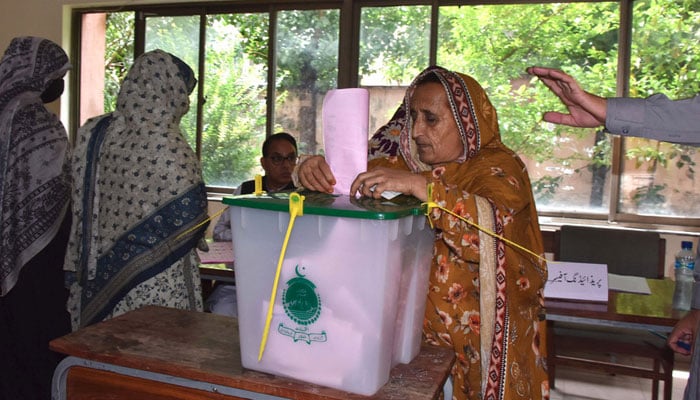
Unofficial and provisional results have started coming in following the completion of polling for the second phase of the 2026 Azad Jammu and Kashmir (AJK) Legislative Assembly elections. Early results indicate that the Pakistan Muslim League-Nawaz (PML-N) has secured victory on two refugee constituencies, while vote counting continues across the remaining seats.

Polling was held for eight constituencies in the Muzaffarabad Division and 12 refugee seats reserved for Kashmiri migrants living in different cities across Pakistan. Voting in the Muzaffarabad Division began at 8:00 a.m. and, due to high voter turnout, the Election Commission extended polling by one hour until 6:00 p.m. Polling for the refugee constituencies concluded at 5:00 p.m.

Early Results from Muzaffarabad Division

In LA-25 Neelum Valley-I, with results from 10 of 143 polling stations, PML-N candidate Shah Ghulam Qadir was leading with 1,364 votes, followed by Abid Afzal of the All Jammu and Kashmir Muslim Conference with 951 votes.

In LA-26 Neelum Valley-II, after results from 8 of 135 polling stations, PPP candidate Mian Abdul Waheed led with 1,157 votes, while PML-N’s Shah Ghulam Qadir had 940 votes.

In LA-29 Muzaffarabad-III, results from 2 of 138 polling stations showed Barrister Iftikhar Ali Gilani of PML-N leading with 379 votes, ahead of PPP’s Sardar Mukhtar Khan, who secured 353 votes.

In LA-30 Muzaffarabad-IV, PML-N’s Mustafa Bashir Abbasi was ahead with 247 votes, while PPP’s Mubashir Munir Awan had 206 votes, according to results from 2 of 129 polling stations.

In LA-31 Muzaffarabad-V, PML-N candidate Saqib Majeed Raja led with 2,934 votes, while PPP’s Chaudhry Latif Akbar received 1,660 votes, based on results from 14 of 249 polling stations.

In LA-32 Muzaffarabad-VI, former AJK Prime Minister Raja Muhammad Farooq Haider of PML-N was narrowly ahead with 892 votes, while PPP candidate Sahibzada Muhammad Ashfaq Zafar had 871 votes, according to results from 5 of 163 polling stations.

In LA-33 Muzaffarabad-VII, PPP candidate Diwan Ali Khan Qamar Chughtai was leading with 1,349 votes, followed by PML-N’s Mian Muhammad Rashid, who secured 1,029 votes after counting at 7 of 155 polling stations.

Refugee Seats

The first complete unofficial results declared PML-N victorious in two refugee constituencies.

In LA-43 Kashmir Valley-IV, PML-N’s Muhammad Yasin Lone won the seat with 1,276 votes, defeating PPP candidate Javed Butt, who received 563 votes.

In LA-44 Kashmir Valley-V, PML-N’s Muhammad Ahmad Raza Qadri was declared the winner with 1,700 votes, while Mehr-un-Nisa of the All Jammu and Kashmir Muslim Conference secured 650 votes.

Vote Counting Continues

In LA-34 Jammu-I, PML-N’s Nasir Hussain Dar was leading with 1,690 votes after results from 51 of 131 polling stations, while independent candidate Raja Riaz Ahmad had 741 votes.

In LA-35 Jammu-II, PML-N’s Chaudhry Muhammad Ismail maintained a commanding lead with 18,788 votes, followed by independent candidate Sardar Muhammad Ghayas with 5,041 votes, based on results from 100 of 142 polling stations.

In LA-36 Jammu-III, PML-N’s Muhammad Ahsan Raza led with 10,002 votes, while PPP’s Ahsan Ismail had 4,756 votes after counting at 50 of 140 polling stations.

In LA-37 Jammu-IV, PML-N candidate Maryam Javed was ahead with 19,014 votes, while independent candidate Usman Aleem had 14,734 votes, according to results from 121 of 185 polling stations.

In LA-38 Jammu-V, PML-N’s Zeeshan Ali was leading with 5,524 votes, narrowly ahead of Muhammad Akbar Chaudhry of the Muslim League AJK, who had 4,988 votes, based on results from 49 of 115 polling stations.

In LA-39 Jammu-VI, PML-N’s Raja Muhammad Siddique secured 3,176 votes, while PPP’s Chaudhry Fakhar Zaman followed with 945 votes after counting at 41 of 157 polling stations.

In LA-40 Kashmir Valley-I, PPP candidate Aamir Abdul Ghaffar led with 1,178 votes, while PML-N’s Muhammad Naeem Khan had 65 votes, according to results from 23 of 47 polling stations.

In LA-41 Kashmir Valley-II, PML-N’s Muhammad Aamir Shah was ahead with 922 votes, while independent candidate Saba Diwan received 556 votes after counting at 13 of 19 polling stations.

In LA-42 Kashmir Valley-III, PML-N candidate Syed Shaukat Ali Shah led with 1,326 votes, followed by PPP’s Muhammad Asim Sharif with 682 votes after results from 13 of 43 polling stations.

In LA-45 Kashmir Valley-VI, PPP’s Abdul Majid Khan was leading with 2,444 votes, while Khawaja Muhammad Dilawar of the All Jammu and Kashmir Muslim Conference had 562 votes, according to results from 15 of 41 polling stations.

The Election Commission had established 1,483 polling stations across the Muzaffarabad Division. Polling in LA-27 Muzaffarabad-II was postponed because of severe weather and landslides.

Voting for the refugee constituencies was held in several cities across Pakistan. Polling for Jammu-I and Kashmir Valley-I took place in Karachi, while Rawalpindi and Islamabad hosted polling for LA-43 Kashmir Valley-IV, LA-44 Kashmir Valley-V, and LA-39 Jammu-VI. Vote counting is continuing, and official results are expected after the completion of the counting process.

Similar Posts

  • | | |

    Govt raises Petrol and Diesel prices in fresh fuel…

    ISLAMABAD: The federal government has announced a fresh revision in petroleum prices, increasing the rates of both petrol and high-speed diesel with immediate effect. According to a notification issued by the Ministry of Energy, the price of petrol has been raised by Rs1.09 per litre, taking the new rate to Rs336.15 per litre. The government has also increased the price of high-speed diesel by Rs2.42 per litre, bringing its new price to Rs393.04 per litre. The revised fuel prices came into effect immediately and will remain applicable until the next official review, subject to future adjustments based on international oil market trends and other pricing factors.

  • | |

    POC holders allowed to perform Hajj under Pakistan…

    ISLAMABAD: Holders of the Pakistan Origin Card (POC) will now be able to perform Hajj under Pakistan’s official Hajj quota, according to sources familiar with the development. Sources said one per cent of Pakistan’s total Hajj quota will be reserved for POC holders. The decision is expected to provide an opportunity for overseas Pakistanis of Pakistani origin who no longer hold Pakistani citizenship or passports to perform Hajj through Pakistan’s quota for the first time. Under the arrangement, 1,792 POC holders will be eligible to perform Hajj using Pakistan’s allocated quota. The sources said Saudi Arabia has allowed POC holders to be included in Pakistan’s Hajj quota. The permission is being described as a significant development for people of Pakistani origin living abroad who have surrendered their Pakistani citizenship or passports but retain their connection with the country through the Pakistan Origin Card. POC holders will reportedly be eligible to benefit from both the government and private Hajj schemes. This will give eligible applicants the option of choosing between the two arrangements, subject to the applicable rules and requirements. The allocation of one per cent of the overall quota means that a specific number of pilgrims of Pakistani origin will be accommodated within Pakistan’s annual Hajj arrangements without holding Pakistani citizenship. The facility is particularly significant for overseas Pakistanis who have maintained strong links with Pakistan despite giving up their citizenship. The Pakistan Origin Card provides such individuals with a formal connection to the country and facilitates their access to several rights and services. Sources said the inclusion of POC holders in Pakistan’s Hajj quota has been permitted by Saudi authorities following discussions concerning arrangements for Pakistani pilgrims. The move is expected to benefit members of the Pakistani diaspora who have previously faced limitations in performing Hajj through Pakistan because they no longer possess Pakistani passports. The development comes as preparations for the upcoming Hajj season continue. A large number of Pakistani pilgrims are expected to travel to Saudi Arabia under both government and private schemes. The government has also been working on arrangements concerning accommodation, transportation, medical facilities and other services for Pakistani pilgrims. The inclusion of POC holders could further strengthen the connection between Pakistan and its overseas community, particularly those who continue to maintain cultural, family and social ties with the country.

  • | |

    Transporters join fuel dealers’ strike against d…

    Transport associations across Pakistan have announced support for the Petroleum Dealers Association’s demands and warned of a possible suspension of transport services following a planned shutdown of petrol pumps. The All Pakistan Public Transport Owners Association said public transport operations could also come to a halt if fuel stations close at midnight. Association President Nadeem Hussain said the transport sector would support the petrol dealers’ stance against the government’s policy of fixing petrol and diesel prices on a daily basis. He demanded that the government withdraw the daily fuel pricing mechanism, saying it has created uncertainty and increased financial pressure on transport operators. Hussain said frequent changes in fuel prices directly affect transport businesses because fuel is one of the biggest operating costs for public transport owners. He warned that a continued increase in petroleum prices could further burden both transporters and passengers. The Pakistan Mini Mazda Goods Transport Association also announced its support for the strike call by petrol station owners. Association President Sher Ali Chaudhry said mini Mazda vehicles would stop operating from midnight as part of the protest against daily increases in petroleum prices. He criticized the government’s decision to revise fuel prices regularly, saying it has made it difficult for transporters to manage expenses and maintain their services. Chaudhry said rising fuel costs have severely affected the transport sector, increasing operational expenses and reducing the income of vehicle owners and drivers. Both transport associations urged the government to reconsider the current fuel pricing policy and take steps to provide relief to transporters.

  • |

    Young people increasingly turn to AI chatbots for emotional support and social advice

      Artificial intelligence is becoming an increasingly common source of support for teenagers and young adults as many begin relying on AI-powered chatbots to navigate personal conversations, relationships, and everyday social situations. Recent national studies suggest that around 20 percent of young people now seek guidance from AI companions for emotional support and relationship advice instead of turning to friends, family members, or other trusted individuals. Experts say that the growing popularity of AI chatbots reflects changing communication habits among younger generations. Many users are employing these digital tools to help write difficult text messages, prepare for challenging conversations, and better understand complicated social interactions. For many, artificial intelligence provides a convenient and accessible way to think through personal situations before speaking with others. Researchers have found that many teenagers appreciate AI because it is available at any time of the day or night. Unlike human conversations, interacting with a chatbot does not involve the immediate fear of criticism, embarrassment, or rejection. This constant availability has made AI an appealing option for individuals who may feel anxious about discussing sensitive topics with people in their lives. Clinical psychologist Joshua Goodman believes that AI chatbots can offer users a comfortable environment to explore their thoughts and emotions. He explained that conversations with artificial intelligence may feel like a safe place where young people can discuss issues they might hesitate to share with parents, teachers, or friends. This sense of privacy and emotional comfort has contributed to the increasing use of AI for personal guidance. However, mental health professionals caution that artificial intelligence should not be viewed as a replacement for genuine human relationships. While AI can provide information, suggestions, and conversational support, experts emphasize that it lacks the emotional understanding, empathy, and lived experience that real people bring to meaningful relationships. Clinical psychologist Mary Alvord has warned that although AI conversations may seem safe, users should remember that perceived privacy is different from actual privacy. She pointed out that interactions with chatbots may be stored, analyzed, or processed by technology providers, meaning users should be careful about sharing highly personal or sensitive information. Experts also stress that artificial intelligence cannot fully replicate the complexity of human communication. Media psychologist Don Grant explained that chatbots are generally designed to remain supportive and non-confrontational. While this may make conversations feel comfortable, it also means users may not experience the constructive challenges, disagreements, or honest feedback that often help people develop stronger communication skills and emotional resilience. According to specialists, relying too heavily on AI for social interactions could reduce opportunities to practice real-life communication. Building confidence in conversations, resolving disagreements, and forming lasting friendships require experiences that technology cannot fully provide. Human relationships involve empathy, body language, emotional understanding, and shared experiences that remain difficult for artificial intelligence to reproduce. To encourage a healthy balance, health professionals recommend using AI as a supportive tool rather than a substitute for personal relationships. They advise parents, educators, and young adults to establish clear boundaries regarding AI use while continuing to prioritize conversations with family members, friends, teachers, and mental health professionals when needed. Experts also encourage young people to regularly practice face-to-face communication, participate in social activities, and develop interpersonal skills that strengthen emotional well-being. These experiences help build self-confidence, improve problem-solving abilities, and create meaningful personal connections. As artificial intelligence continues to become part of everyday life, specialists believe it can play a positive role when used responsibly. However, they emphasize that maintaining genuine human relationships remains essential for emotional growth, mental health, and long-term social development. AI may offer convenience and support, but meaningful human connection continues to be irreplaceable.

  • Thai Airways to Cut Multiple Domestic and International Flights in May as Fuel Costs Bite

    BANGKOK — Thai Airways International Plc has notified ticket agents that it will significantly reduce flight frequencies in May 2026 across domestic routes and services to Asia and Europe, citing sharply higher fuel costs and softer passenger demand during the traditional low-season travel period. Rising Fuel Costs in Thailand Threaten to Push Grocery Prices Higher […]

  • | |

    Government raises petrol price despite global decl…

    The federal government has increased the price of petrol by Rs4.45 per litre, despite a reported decline in international petroleum prices, according to a notification issued by the Ministry of Energy. The revised fuel prices will come into effect from August 6, 2026. The latest notification states that the new prices have been determined in line with the pricing mechanism recommended by the Oil and Gas Regulatory Authority (OGRA) and approved by the federal government. Under the revised rates, the price of petrol has increased from Rs328.56 to Rs333.01 per litre, representing an increase of Rs4.45 per litre. The decision comes only a day after the government had announced lower fuel prices for August 5. In contrast, the price of high-speed diesel (HSD) has been reduced by Rs2.00 per litre. Following the reduction, the retail price of diesel has declined from Rs385.86 to Rs383.86 per litre, providing limited relief to transport operators and commercial users who rely heavily on diesel. According to government sources, the increase in petrol prices is linked to adjustments in the petroleum levy. The government has reportedly increased the petroleum levy on high-speed diesel by Rs1.44 per litre, raising it from Rs70.86 to Rs72.30 per litre. Officials say such adjustments form part of the government’s broader fiscal strategy while maintaining the petroleum pricing framework. The announcement has drawn attention because global crude oil prices have softened in recent weeks, leading many consumers to expect a reduction in domestic fuel prices. However, local retail fuel prices are influenced by several factors in addition to international oil prices, including exchange rate fluctuations, taxes, petroleum levy, transportation costs, and other government-imposed charges. The revised fuel prices are expected to affect transportation expenses, logistics costs, and overall inflation, as petrol remains a key commodity for private motorists and commercial activities across Pakistan. The government had previously announced reduced prices for August 5, lowering petrol by Rs3.39 per litre and high-speed diesel by Rs4.07 per litre. However, the latest notification revises those rates, resulting in a fresh increase in petrol prices while providing only a modest reduction in diesel prices. The new pricing structure will remain in effect until the government announces its next scheduled review of petroleum product prices.

Leave a Reply

Your email address will not be published. Required fields are marked *