government raises petrol
| |

Government raises petrol price despite global decl…

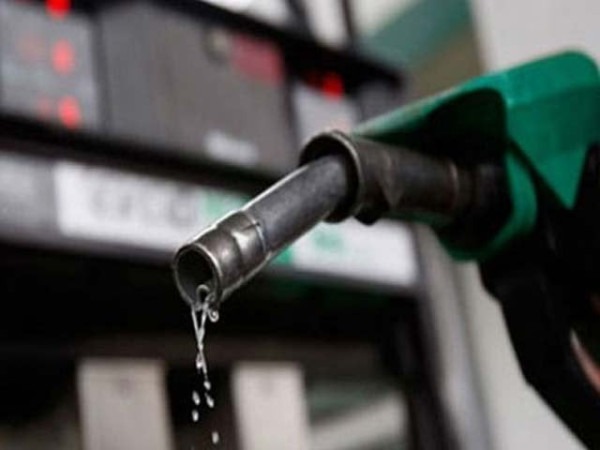
The federal government has increased the price of petrol by Rs4.45 per litre, despite a reported decline in international petroleum prices, according to a notification issued by the Ministry of Energy. The revised fuel prices will come into effect from August 6, 2026.

The latest notification states that the new prices have been determined in line with the pricing mechanism recommended by the Oil and Gas Regulatory Authority (OGRA) and approved by the federal government.

Under the revised rates, the price of petrol has increased from Rs328.56 to Rs333.01 per litre, representing an increase of Rs4.45 per litre. The decision comes only a day after the government had announced lower fuel prices for August 5.

In contrast, the price of high-speed diesel (HSD) has been reduced by Rs2.00 per litre. Following the reduction, the retail price of diesel has declined from Rs385.86 to Rs383.86 per litre, providing limited relief to transport operators and commercial users who rely heavily on diesel.

According to government sources, the increase in petrol prices is linked to adjustments in the petroleum levy. The government has reportedly increased the petroleum levy on high-speed diesel by Rs1.44 per litre, raising it from Rs70.86 to Rs72.30 per litre. Officials say such adjustments form part of the government’s broader fiscal strategy while maintaining the petroleum pricing framework.

The announcement has drawn attention because global crude oil prices have softened in recent weeks, leading many consumers to expect a reduction in domestic fuel prices. However, local retail fuel prices are influenced by several factors in addition to international oil prices, including exchange rate fluctuations, taxes, petroleum levy, transportation costs, and other government-imposed charges.

The revised fuel prices are expected to affect transportation expenses, logistics costs, and overall inflation, as petrol remains a key commodity for private motorists and commercial activities across Pakistan.

The government had previously announced reduced prices for August 5, lowering petrol by Rs3.39 per litre and high-speed diesel by Rs4.07 per litre. However, the latest notification revises those rates, resulting in a fresh increase in petrol prices while providing only a modest reduction in diesel prices.

The new pricing structure will remain in effect until the government announces its next scheduled review of petroleum product prices.
Similar Posts

  • | | |

    Iran claims victory on military, political fronts

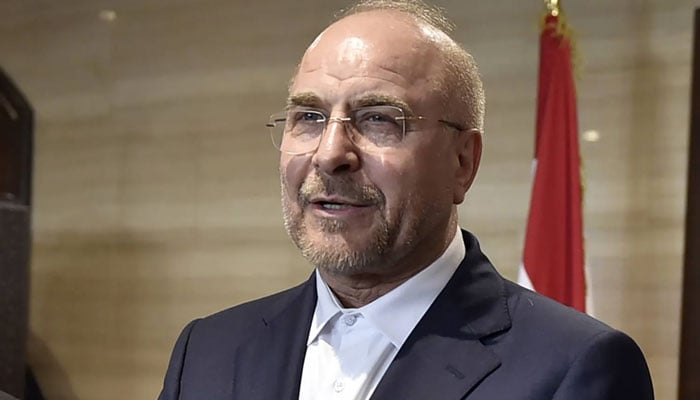
    Iranian Parliament Speaker Bagher Ghalibaf has claimed that Iran has emerged victorious on both the military and political fronts of the ongoing conflict. Speaking about the situation, Ghalibaf said Iran was facing what he described as an unjust war imposed by the United States and Israel. He said the Iranian nation was confronting the conflict with courage and determination. According to Ghalibaf, Iran had successfully resisted pressure on both the military and political fronts. Ghalibaf said the Iranian people had remained united despite the challenges created by the conflict. He praised their resistance and said the nation had shown that it could withstand pressure from powerful opponents. His remarks came after the General Staff of the Iranian Armed Forces said that Iran would not retreat until the United States and Israel were completely defeated. The Iranian military leadership said resistance had become part of the mindset of Iran’s younger generation. It claimed that the legacy of resistance had been passed from one generation to another. According to the Iranian Armed Forces, the country’s new generation had remained firm in the face of what it described as the world’s most powerful military forces. The military leadership also said Iran would continue its struggle to protect what it called its legitimate rights. It said Tehran would not abandon its position until the opposing side surrendered. The Iranian Armed Forces further accused the United States of continuing its aggression to expand its influence and establish dominance in the region. Iranian officials have repeatedly presented the conflict as a struggle against foreign aggression. They have also stressed the importance of national unity and resistance in facing military and political pressure.

  • | |

    Jewellery emerges as luxury’s fastest-growing segment

    Luxury jewellery is becoming one of the strongest-performing categories in the global fashion industry as demand for traditional products such as handbags and shoes continues to slow. Industry analysts say major luxury houses are increasingly investing in jewellery, viewing it as the sector with the greatest growth potential amid changing consumer preferences. The shift has benefited both established jewellery brands and smaller luxury labels. Companies that were once known primarily for fashion and leather goods are now placing greater emphasis on expanding their jewellery collections to attract consumers looking for timeless, investment-worthy pieces. Among the biggest beneficiaries are luxury groups Richemont and LVMH, which own some of the world’s leading jewellery brands. However, smaller brands have also recorded strong growth, encouraging fashion-focused companies to strengthen their presence in the category. According to the report, the industry’s positive performance has renewed interest in jewellery across the luxury sector. French luxury group Kering, which owns jewellery brands Pomellato and Boucheron, reported particularly strong results earlier this year. The company announced in April that sales from its new jewellery division increased 22% on a comparable basis during the first quarter, outperforming all of its other business segments. The figures highlighted jewellery’s growing importance as a revenue driver. Luxury brand Hermès has also experienced rapid growth in jewellery. Analysts at investment firm Vontobel estimate that the company’s jewellery business has achieved a compound annual growth rate of nearly 30% since 2019, although they note that the division still represents a relatively small part of Hermès’ overall business. Industry experts believe this trend reflects broader changes in consumer behaviour. Luxury analyst Madjo said, “Even at soft luxury players like Hermes, Prada, Gucci, everybody’s putting a bit more emphasis on jewellery because that’s where the growth is coming from right now. So you want to be exposed to that.” At the same time, traditional luxury categories such as handbags and shoes are facing increasing pressure. Hermès, whose reputation has long been built around its highly exclusive Birkin bags, recently saw its shares fall about 10% after reporting weaker-than-expected first-quarter growth. The results prompted questions about whether the company’s scarcity-based business model can continue delivering the same level of success. Claudia D’Arpizio, senior partner at consultancy Bain & Company, said changing consumer tastes are reshaping the luxury market. “Bags and shoes are facing meaningful headwinds, as both have experienced significant softening in consumer desirability, particularly among younger audiences,” she said. She added that these categories have traditionally generated strong revenues and profit margins, but post-pandemic market conditions have made them far more challenging. According to D’Arpizio, luxury brands must now develop new strategies to remain competitive, with jewellery increasingly emerging as one of the industry’s most promising growth opportunities.

  • |

    Curtis Jones becomes third Englishman to join Inter Milan

    MILAN: Inter Milan have added another English name to their squad, with Curtis Jones completing a move from Liverpool to the Italian champions and becoming the third Englishman to join the club this summer. The 25-year-old midfielder has signed a contract running until 2031, bringing an end to a 16-year association with Liverpool, where he progressed through the academy before establishing himself in the first team. Inter confirmed the transfer on Friday, describing Jones’ arrival as the start of a “new, incredible adventure” and noting that he becomes the sixth Englishman in the club’s history. According to Italian media reports, Inter will pay around €35 million ($40.8 million) for the Liverpool academy graduate. Jones leaves Anfield with an emotional farewell message to the club that shaped his career. “After 16 years, it’s time to say goodbye,” Jones wrote on Instagram. The midfielder said he had joined Liverpool as a child with the dream of playing for the club and felt fortunate to have lived that dream. “Liverpool will be a massive part of me,” he added. Jones now begins a completely different chapter in Serie A, joining an Inter squad that has already welcomed two other English players this summer. Right-back Djed Spence and centre-back John Stones have also completed moves to San Siro, both signing contracts through 2031. Stones joined Inter after his Manchester City contract expired, while Spence has also made the switch to Italy. Jones’ transfer underlines Inter’s growing interest in English talent as the club prepares for another demanding domestic and European campaign. For the midfielder, the move represents an opportunity to experience football outside England for the first time and compete in one of Europe’s most tactical leagues. Inter will begin their Serie A campaign against Monza on Saturday, giving Jones the chance to make an immediate impression with his new club. After spending virtually his entire professional life at Liverpool, the midfielder now faces the challenge of adapting to a new country, language and style of football. But with a long-term contract and the backing of the Italian champions, Jones will hope his move to Milan becomes the next defining chapter of his career.

  • | | |

    SBP to study daily fuel price impact on inflation

    ISLAMABAD: The federal government has directed the State Bank of Pakistan (SBP) to conduct a comprehensive study on how the daily revision of petroleum prices affects inflation, as authorities seek new measures to protect consumers from rising living costs and volatile global energy markets. The decision was taken during a meeting of the National Price Monitoring Committee (NPMC), which reviewed the country’s inflation outlook and discussed ways to minimise the impact of fluctuating fuel prices on households and businesses. According to officials, the SBP has been asked to prepare a detailed action plan within 15 days to evaluate the inflationary effects of daily adjustments in petrol and high-speed diesel (HSD) prices, following international best practices. The central bank is expected to recommend policy options that could help maintain price stability while supporting economic growth. The committee was informed that the SBP’s primary responsibility is to ensure price stability through effective monetary policy, including the use of interest rates to manage inflation expectations and regulate money supply. Alongside the SBP study, the NPMC instructed provincial governments, Azad Jammu and Kashmir, Gilgit-Baltistan and the Islamabad Capital Territory to strengthen market monitoring and prevent unjustified increases in the prices of essential commodities whenever fuel prices are revised. The committee also expressed concern over excessive pricing of liquefied petroleum gas (LPG), noting that consumers in many areas were paying significantly more than the official rates notified by the Oil and Gas Regulatory Authority (OGRA). Authorities have been directed to intensify monitoring and narrow the gap between notified and market prices. Officials said the recent regional conflict involving Iran had disrupted energy markets, contributing to higher LPG prices despite regulatory efforts. The meeting also focused on the prices of key food items, including tomatoes, chicken, wheat flour and edible oil. Representatives from the Ministry of National Food Security attributed the surge in tomato prices to seasonal shortages, explaining that Pakistan was importing tomatoes from Iran and Afghanistan to meet domestic demand. However, following the closure of the Afghanistan border, officials said additional tomato imports would now be sourced from Romania to prevent supply shortages and stabilise prices. To improve food quality and consumer protection, the Ministry of Science and Technology will work with the Pakistan Bureau of Statistics (PBS) and provincial authorities to develop testing standards for loose milk, dairy products, edible oil and ghee. Accredited laboratories will conduct regular testing, with quarterly reports submitted to the NPMC. The committee also urged authorities to reduce wholesale and retail price disparities across different cities, improve the supply chain for essential goods and work more closely with the private sector to arrange timely imports before seasonal shortages trigger sharp price increases. Officials expressed hope that stronger coordination, tighter market oversight and evidence-based policymaking would help ease inflationary pressures and provide greater stability for consumers in the coming months.

  • |

    Karachi braces for cloudy, humid weather and night…

    Karachi is likely to experience cloudy and humid weather over the next 24 hours, with the Pakistan Meteorological Department forecasting a chance of light drizzle in parts of the city tonight. According to the weather department, temperatures are expected to remain between 32°C and 34°C during the day. The city recorded a minimum temperature of  27.5°C over the past 24 hours. Sea breezes are blowing from the southwest at around 15 kilometres per hour, while the humidity level stands at approximately 75 per cent. The prevailing humid conditions may keep the weather uncomfortable despite the cloudy skies. Residents can expect generally overcast conditions, with the possibility of brief drizzle during the night.

  • |

    UK expands Global Talent visa scheme to attract world’s top scientists and engineers

    In a major boost to Britain’s science and innovation ambitions, the UK government has announced a significant expansion of its Global Talent visa programme, allowing more than 100 research-intensive companies to sponsor leading scientists and engineers from around the world. Previously focused primarily on universities and research institutions, the expanded scheme will now enable eligible private-sector research organisations to recruit exceptional international talent directly. The move is aimed at strengthening the UK’s position as a global leader in cutting-edge technologies, including artificial intelligence (AI), quantum computing, nuclear fusion, clean energy and life sciences. The government said attracting the world’s brightest researchers would accelerate scientific breakthroughs, support innovation-led industries and create highly skilled jobs across every region of the UK. The initiative forms part of a broader strategy to boost economic growth through investment in advanced research and technology. By widening access to the Global Talent visa route, ministers hope Britain will remain one of the world’s most attractive destinations for leading researchers, scientists and engineers amid increasing international competition for high-skilled talent.

Leave a Reply

Your email address will not be published. Required fields are marked *