jaranwala tragedy remains
| |

Jaranwala tragedy remains a deep wound, says Punja…

Punjab Minister for Minority Affairs Sardar Ramesh Singh Arora has said that the painful memories of August 16 are still fresh. He described the Jaranwala tragedy as a deep wound on the hearts of the affected families and communities.

In a statement, Arora said the Punjab government stood with all victims of the tragedy. He said Chief Minister Punjab and the provincial government were committed to protecting the rights of religious minorities.

Arora said the Punjab government had adopted an effective strategy to ensure the safety of minority communities. He added that security measures had been strengthened to protect people from violence and discrimination.

The provincial minister said the protection of religious minorities was a priority for the government. He claimed that the government had taken steps to ensure that such an incident would not happen again.

Arora warned that no individual or group would be allowed to take the law into their own hands. He said violations of the rights of religious minorities would not be tolerated.

He stressed that every citizen had the right to live in safety and with dignity. He said the government was responsible for protecting the lives and property of all citizens, regardless of their religious background.

The minister also said religious minorities in Punjab were being provided with all possible facilities. He said the government was working to address their concerns and improve their overall security.

Arora said the Punjab government would continue taking measures to create a peaceful environment for all communities. He added that protection of minorities was essential for maintaining harmony and stability in the province.

The minister’s statement came on August 16, the anniversary of the Jaranwala incident. The episode remains a painful memory for the Christian community and has continued to raise concerns about the protection of religious minorities.

Arora said the government was determined to learn from the tragedy and prevent similar incidents in the future. He reiterated that no one would be permitted to violate the law or target minority communities.

Similar Posts

  • |

    Pakistan announces Hajj 2027 packages, 107,526 government seats

    ISLAMABAD: The federal government has announced the initial arrangements for Hajj 2027, allocating 107,526 seats under the Government Hajj Scheme and introducing a fully digital application and payment system aimed at making the pilgrimage process easier and more transparent for applicants. Federal Minister for Religious Affairs Sardar Muhammad Yousaf said the government has set the estimated cost of the 40-day Hajj package at Rs1.2 million, while the 20 to 25-day package will cost Rs1.3 million. According to the minister, the Hajj 2027 process has been transformed into an end-to-end digital system on the directions of Prime Minister Shehbaz Sharif, with the Ministry of Religious Affairs working in coordination with the Ministry of Information Technology and the National IT Board. The new arrangements are designed to allow intending pilgrims to complete most of the necessary procedures without repeatedly visiting government offices or banks. Applicants will be able to submit their Hajj applications from their homes, deposit the required dues through digital channels and access information and other facilities through the Pak Hajj App and Hajj Portal. Yousaf said the ministry’s primary objective was to reduce the difficulties traditionally faced by pilgrims during the application process. He said the digital system would help eliminate lengthy queues, unnecessary journeys and waiting periods while also making the overall process more convenient for applicants. First instalment to be collected from August 17 The minister announced that the first phase of payments under the approved Hajj Policy 2027 would begin on August 17. Applicants selected under the relevant phase will be required to deposit 50% of the total package cost as the first instalment. The government will subsequently demand the second instalment during the first week of October. The authorities have also opened the final application phase for Hajj 2027. Around 400,000 pilgrims who have already completed the pre-registration process will now be eligible to proceed with their formal applications. Officials expect the digital registration mechanism to simplify verification and reduce delays as the large number of pre-registered applicants move into the next stage. Passport information to be verified digitally The Religious Affairs Ministry has also established a data-sharing arrangement with the Passport Office as part of the government’s efforts to strengthen the digital Hajj registration system. Through the integration, applicants’ passport information can be verified more efficiently, potentially reducing paperwork and manual intervention during the application process. Yousaf said linking databases of different government institutions would improve the accuracy and speed of processing while increasing transparency. The minister maintained that the use of digital verification would also reduce the possibility of errors arising from manual data entry and repeated documentation. HBL named banking partner Habib Bank Limited (HBL) has been designated as the authorised banking partner for the Government Hajj Scheme. According to the minister, the Ministry of Religious Affairs and HBL have signed a Memorandum of Understanding covering the banking arrangements associated with Hajj applications and payment of dues. Pilgrims will have three digital payment options available under the government scheme. They can pay through a OneLink PSID, use a credit or debit card, or download a digital challan through the Pak Hajj App and deposit the required amount at any HBL branch. The government has stressed that applicants should use only the officially prescribed channels when making payments. Seats to be confirmed on first-come, first-served basis Under the Government Hajj Scheme, applicants who successfully deposit the required amount through the online payment system will have their seats confirmed on a first-come, first-served basis. Once the allocated seats are filled, the authorities will stop accepting further payments for that category. The government has separately allocated 30,000 seats for the Short Hajj Scheme. Online payments for the short-duration package will be closed once the allocated quota is exhausted. Authorities have also outlined arrangements for applicants who are unable to secure a seat during the current phase. If the available Hajj 2027 quota is filled, remaining registered applicants will be placed on a waiting list for the following year. At the same time, registration for the Hajj 2028-2030 period will continue according to the announced policy. The minister said details concerning the 10% payment requirement for the Long-Term Hajj Scheme would be announced after completion of the current application phase. Private Hajj Scheme gets 71,684 seats Alongside the government programme, the federal government has allocated 71,684 seats for the Private Hajj Scheme for 2027. Under the new digital mechanism, pilgrims opting for the private scheme will be able to compare packages offered by 25 government-approved authorised Hajj organisers. The available packages and participating companies will be displayed through the official Hajj Portal and Pak Hajj App, allowing intending pilgrims to choose an organiser and package according to their preferences. The government has made it clear that the selection of private Hajj organisers and payments must also be completed through the designated official digital system. Pilgrims warned against direct payments The Religious Affairs Ministry has issued a specific warning to intending pilgrims against handing over money directly to private Hajj operators or tour companies. Yousaf said any payment or financial transaction conducted outside the officially designated government system would not be recognised. Pilgrims have therefore been advised to verify the status of Hajj organisers through the official digital platform before making any payment. The government believes that centralising the selection and payment process through the digital Hajj system will help protect pilgrims from potential fraud, unauthorised operators and disputes over payments.

  • |

    Pakistan’s ambassador presents credentials to Uzbek foreign minister

    Pakistan’s newly appointed Ambassador to Uzbekistan, Muhammad Mudassir Tipu, formally presented copies of his diplomatic credentials to Uzbek Foreign Minister Bakhtiyor Saidov in Tashkent. Describing the meeting as a distinct honor, Ambassador Tipu confirmed that both sides held constructive talks on bilateral cooperation. Foreign Minister Saidov highlighted that discussions focused on deepening the strategic partnership between the two nations, ensuring the implementation of high-level agreements, and expanding trade, investment, and interregional connectivity.

  • | | |

    Bangkok Bar Fire Update: Death Toll Reaches 30 as Investigation Probes Licensing Violations, Blocked Exits, and Safety Lapses at Rong Beer Na Ladprao

    Bangkok- A massive fire tore through the Rong Beer Na Ladprao in Bangkok’s Chatuchak district late on Sunday, July 12th, 2026, around 11:57 p.m., killing at least 30 people and injuring dozens more. The incident, one of the deadliest fires in Bangkok in nearly two decades, has triggered a wide-ranging investigation into suspected negligence, licensing […]

  • |

    Trump approves landmark US-Saudi nuclear pact

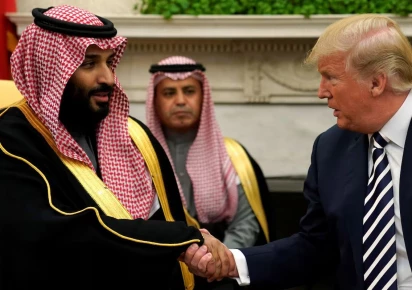
    US President Donald Trump has approved a landmark civilian nuclear agreement with Saudi Arabia, marking a major step in expanding strategic cooperation between the two countries. The proposed deal is expected to remain in effect for 30 years and is valued at tens of billions of dollars. The agreement is designed to support the development of Saudi Arabia’s civilian nuclear energy program while giving American companies a leading role in building the kingdom’s nuclear infrastructure. It is expected to create significant investment opportunities for US firms and strengthen long-term energy cooperation between Washington and Riyadh. Under the proposed framework, American companies could participate in constructing nuclear facilities across Saudi Arabia. The agreement also allows for the possibility of building a uranium enrichment plant in the kingdom if future joint studies by both governments determine that such a project is necessary. US officials say the deal will enable Washington to remain closely involved in the development of Saudi Arabia’s nuclear program. They believe this cooperation will help ensure that the kingdom’s nuclear activities remain focused on peaceful civilian purposes. The Trump administration is expected to submit the agreement to the US Congress in the coming days. The pact is being introduced under Section 123 of the US Atomic Energy Act of 1954, which provides the legal framework for civilian nuclear cooperation between the United States and foreign countries. Once submitted, Congress will have about 90 days to review the agreement. If lawmakers do not reject it during the review period, the agreement will automatically enter into force. Blocking the deal would require Congress to pass a joint resolution with enough votes to override a possible presidential veto. According to officials familiar with the proposal, the agreement does not include the “Gold Standard,” a condition that permanently bars partner countries from enriching uranium or reprocessing spent nuclear fuel. These activities can potentially be used in the production of nuclear weapons. The proposed agreement also reportedly does not include the International Atomic Energy Agency’s Additional Protocol. This protocol allows international inspectors to conduct broader inspections and monitor undeclared nuclear facilities. Its absence has raised concerns among some non-proliferation experts and lawmakers. US officials, however, insist that the agreement contains strong safeguards required under American law. They stress that the deal does not obligate the United States to transfer sensitive uranium enrichment technology or nuclear fuel cycle capabilities to Saudi Arabia. Instead, it establishes a legal pathway for future civilian cooperation while requiring separate approvals for any advanced technology transfers. The agreement follows earlier discussions between senior US and Saudi officials, who signed a preliminary framework last year to expand cooperation in the peaceful use of nuclear energy. The proposal has generated debate in Washington. Several Democratic lawmakers, along with some Republicans, have argued that stronger safeguards should be included before the agreement is approved. They believe stricter restrictions are necessary to reduce the risk of nuclear weapons proliferation in the Middle East. Saudi Arabia has repeatedly stated that its nuclear program is intended to meet growing energy demands and diversify the country’s energy resources. However, Crown Prince Mohammed bin Salman has previously said that if Iran were to acquire a nuclear weapon, Saudi Arabia would also seek similar capabilities. His remarks have fueled international concerns about a possible regional nuclear arms race.

  • |

    UEFA opposes FIFA’s $20bn commercial venture proposal

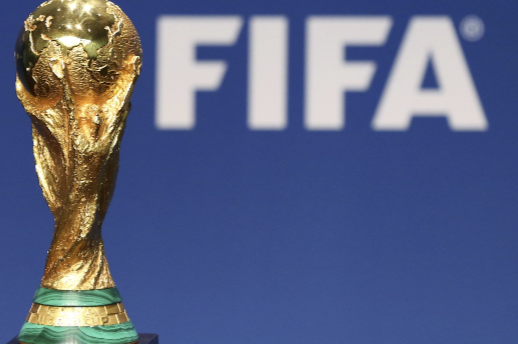
    FIFA is facing growing criticism over its proposal to establish a new commercial subsidiary valued at $20 billion, a move that would oversee the commercial and operational management of the FIFA World Cup and other major international tournaments. The governing body plans to launch the new entity under the name FIFA Forward Enterprise (FFE). According to the proposal, the company would be responsible for handling commercial rights, sponsorship operations, event management, and other business activities linked to FIFA’s flagship competitions. While FIFA intends to retain full control of the new company, it plans to sell up to 20 percent of its shares to outside investors. The sale is expected to raise approximately $4.2 billion, which FIFA says will be reinvested into the global development of football. The proposal has sparked strong opposition, particularly from the Union of European Football Associations (UEFA), which argues that the plan risks turning the governance of football into a commercial asset. UEFA believes the sport’s core values should not be influenced by external investors, warning that football’s integrity and independence must remain protected. FIFA, however, insists that the new structure is designed to strengthen, rather than undermine, the global game. The organization says the funds generated through the partial sale of the company will support football development projects around the world, including investments in infrastructure, coaching programs, grassroots initiatives, women’s football, youth development, and financial assistance for member associations. FIFA President Gianni Infantino defended the proposal, saying the organization remains committed to ensuring equal opportunities for football development across all regions. He emphasized that any net profits generated through the new subsidiary would be reinvested directly into football rather than distributed elsewhere. Infantino also stressed that FIFA would continue to exercise full authority over football governance, competition regulations, the international match calendar, and the organization of its tournaments. According to FIFA, the creation of the subsidiary would not affect the governing body’s decision-making powers or its responsibility for managing the sport. Reports have suggested that the group of potential investors could be led by an investment platform associated with Joshua Kushner, although FIFA has not officially confirmed the identities of any future shareholders. The proposal has also drawn criticism from several political figures and football stakeholders, who argue that the FIFA World Cup is one of the world’s most prestigious sporting events and should not become part of a structure involving private investment. Critics believe that introducing outside shareholders, even without granting them control, could create commercial pressures that may influence the long-term direction of the sport. Despite the backlash, FIFA has made it clear that the proposal has not yet been finalized. Before any changes are implemented, the plan will be presented to FIFA’s Council and all 211 member associations for review and approval. The final decision will depend on whether FIFA’s members believe the new commercial structure can generate greater financial support for football while preserving the organization’s independence, governance, and commitment to the global growth of the game.

  • |

    Electricity tariff may rise by Rs2.50 per unit as July FCA pushes recovery above Rs34bn

    ISLAMABAD: Electricity consumers across Pakistan could face an additional burden of around Rs2.50 per unit as the government moves to recover more than Rs34 billion through the July 2026 monthly Fuel Charges Adjustment (FCA), according to sources. The proposed increase is expected to affect consumers of distribution companies (Discos) as well as K-Electric, with the final adjustment to be determined by the National Electric Power Regulatory Authority (Nepra) after reviewing the relevant power purchase and generation costs. Sources said the expected positive FCA for July has largely been driven by higher electricity consumption during the peak summer season and greater reliance on expensive generation sources. Among the key factors behind the anticipated increase are the use of liquefied natural gas (LNG) procured from the spot market and furnace oil to meet additional electricity requirements, particularly during periods of high demand. June FCA already approved The expected July adjustment comes after Nepra approved a positive FCA of Re0.7503 per unit for electricity consumed in June 2026. The adjustment was lower than the Rs1.20 per unit sought by the Central Power Purchasing Agency-Guaranteed (CPPA-G). Under the FCA mechanism, variations in fuel costs and other electricity generation and purchase-related expenses are passed on to consumers through periodic adjustments. For July, CPPA-G will submit its relevant claims to Nepra, which will examine the costs and determine the admissible adjustment before issuing separate decisions for the respective distribution companies. Multiple costs to be examined The regulator is expected to assess several components included in the FCA claim before determining the final amount recoverable from consumers. Separate adjustments will subsequently be calculated for each Disco after taking into account electricity purchased through CPPA-G, bilateral arrangements with small power producers and captive power producers, as well as electricity supplied under net-metering arrangements. The final impact on consumers could therefore vary depending on the individual power procurement mix and applicable tariff structure of each distribution company. Expensive generation raises concerns The expected tariff increase has emerged at a challenging time for Pakistan’s industrial sector, where electricity prices remain a major concern for manufacturers and exporters. Industrial consumers are already facing pressure from elevated production costs, while exporters are also dealing with uncertainty caused by deteriorating security and economic conditions in the Middle East. The latest FCA discussion has also brought the issue of partial-loading charges under scrutiny. During a recent hearing, Nepra raised questions over approximately Rs4.9 billion in partial-loading costs and asked CPPA-G to explain the reasons behind the additional expenditure and measures being considered to control it. Solar power changes demand pattern CPPA-G told the regulator that the partial-loading charges were not primarily the result of inefficient operation by power plants. Instead, the agency attributed the costs largely to changes in electricity consumption patterns caused by the rapid expansion of rooftop solar generation. According to CPPA-G, daytime demand from the national grid has declined as more consumers generate electricity through rooftop solar systems. Conventional power plants are consequently required to operate below their optimum capacity during solar-generation hours. However, demand rises again in the evening when solar generation falls, forcing grid-connected power plants to increase generation quickly. This change in the daily demand curve has created additional operational costs for the power system. The authority noted that partial-loading charges recorded in June 2026 were around Rs1 billion higher than the corresponding amount in June 2025, highlighting the growing financial impact of the changing electricity demand pattern. Plant shutdowns could increase costs The Independent System and Market Operator (ISMO) also informed the regulator that shutting down power plants during periods of lower demand would not necessarily provide a cheaper solution. According to ISMO, taking plants completely offline to avoid partial-loading charges could result in substantial start-up expenses when the units are required again to meet evening demand. The issue has therefore become increasingly important as the rapid growth of distributed solar generation continues to alter the traditional pattern of electricity consumption. Exporters seek cheaper fuel options Amir Sheikh, a prominent textile exporter, called for the removal of the levy imposed on high-speed diesel and furnace oil-related generation costs, arguing that furnace-oil-based power plants could offer an alternative to expensive RLNG-fired generation under certain circumstances. He maintained that allowing more flexible use of available generation sources could help reduce the overall cost of electricity, particularly during periods when LNG prices remain elevated. Sheikh also proposed a change in the way FCA-related surcharges are calculated. He suggested that the additional charges should be recovered on the basis of projected electricity consumption rather than only through the conventional mechanism, similar to the approach followed under quarterly tariff adjustments (QTA). Falling demand creates another challenge Another concern raised during the discussion was the continuing decline in electricity demand and its possible implications for future tariff adjustments. Rehan Javed highlighted the potential impact of lower electricity consumption on the power sector’s financial structure, particularly as fixed system costs are spread over a smaller volume of electricity sales. The Ministry of Energy’s Power Division, however, said the decline in demand was largely linked to the increasing number of consumers using net-metering facilities. The ministry maintained that although distributed solar generation was changing electricity consumption patterns, its impact on future quarterly tariff adjustments would not necessarily be as severe as feared by industrial consumers. Government seeks to avoid costly LNG purchases The Power Division further explained that electricity demand was being managed in a manner designed to reduce dependence on expensive RLNG spot-market cargoes. Officials said excessive reliance on spot LNG during the summer could significantly increase power generation costs and ultimately translate into higher electricity tariffs for consumers. The government is therefore attempting to balance electricity availability, fuel costs and demand management while dealing with the changing structure of Pakistan’s power market. If Nepra ultimately approves an FCA close to the expected Rs2.50 per unit, consumers could face another substantial increase in their electricity bills. The final adjustment, however, will depend on Nepra’s assessment of CPPA-G’s July claim and the costs deemed

Leave a Reply

Your email address will not be published. Required fields are marked *