prime minister anutin
| | | | | | |

Prime Minister Anutin Rushes to Pattaya Area Over Shocking Murders of Russian Siblings and Thai Family

CHONBURI, Thailand —

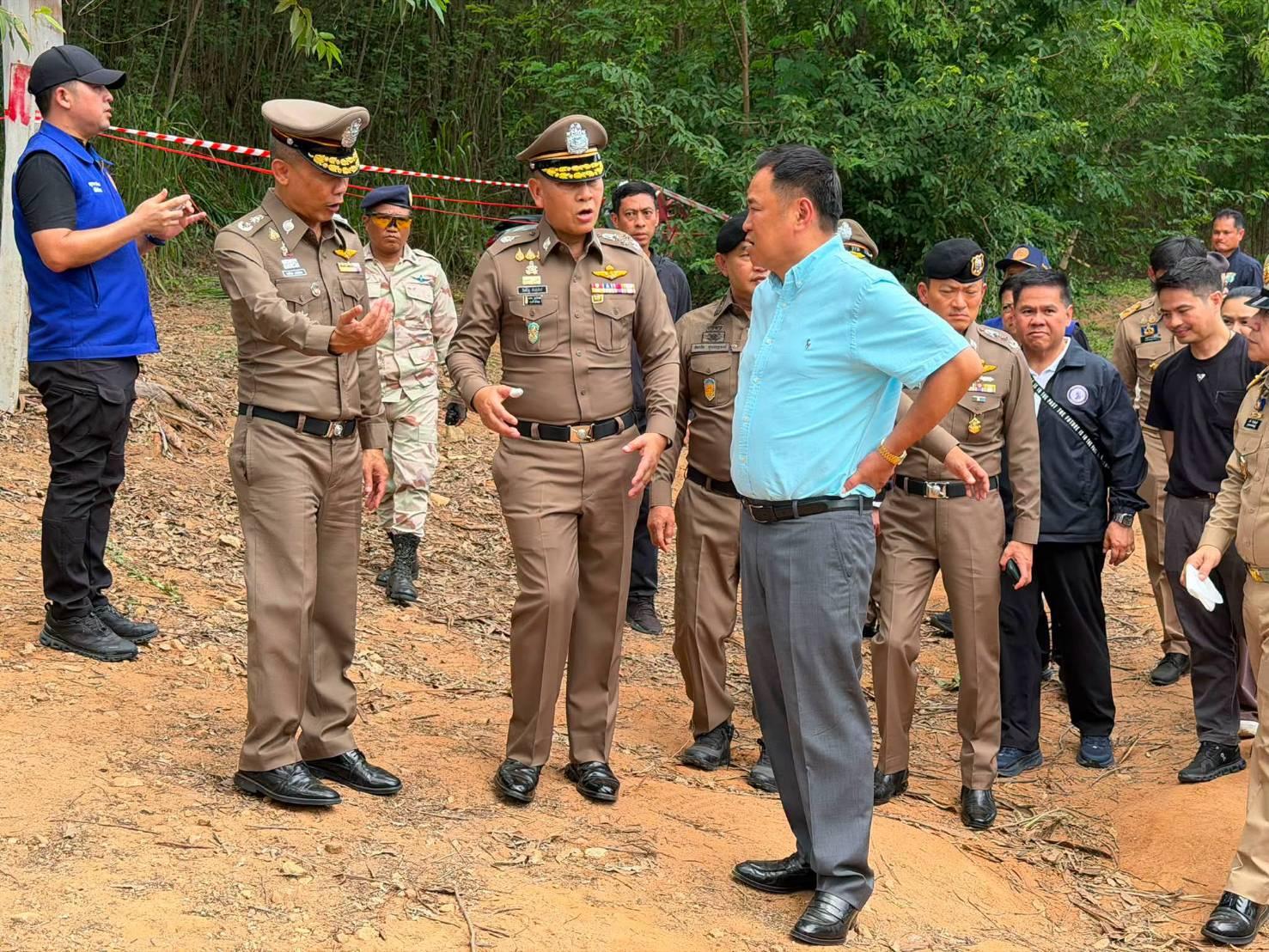
Prime Minister Anutin Charnvirakul has traveled to the Pattaya area on Saturday afternoon to personally follow the investigation into the deaths of two Russian siblings and three members of a Thai family, a case that has drawn widespread international attention and raised concerns about public safety and the country’s international image.

Anutin said the brutal killings had damaged Thailand’s safe reputation for tourists and called for severe punishment if the suspects are convicted, while insisting they must receive no special assistance. He described the crimes as tantamount to “killing the entire Thai nation” because they undermined efforts to build trust among foreign visitors and residents.

The prime minister is expected to attend a police briefing on the case after cutting short a planned visit to Suphan Buri, where he had intended to meet local MPs and inspect several areas, including a demonstration rice field.

The investigation centres on the disappearance and subsequent discovery of the bodies of Diana Nazimova, 22, and her brother Roman Nazimov, 17. The Russian siblings, who had lived in Thailand with their mother since 2021, who went missing on the morning of 26 July after leaving their home to go to a convenience store in the Huai Yai subdistrict on a Honda ADV 150 motorcycle.

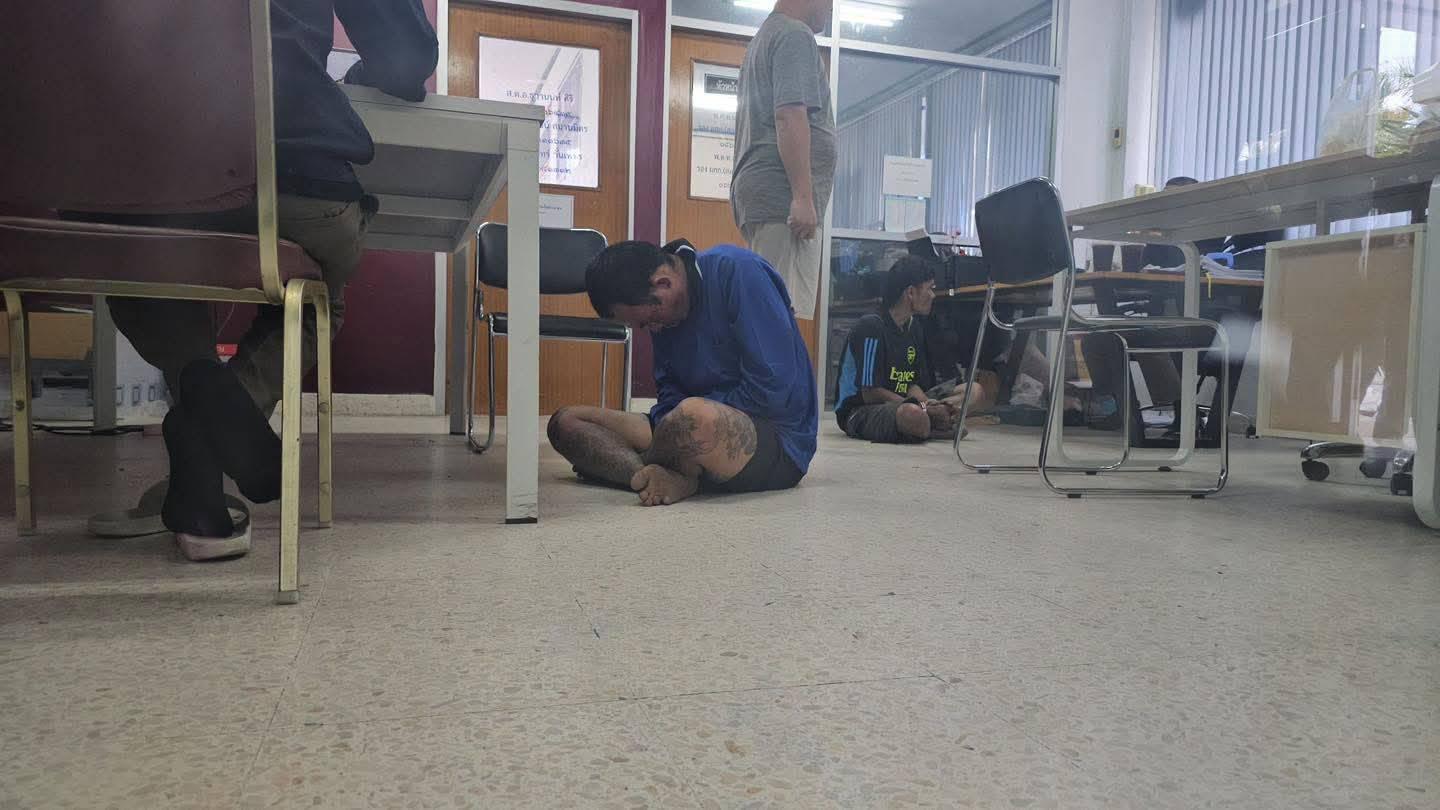
Two suspects, Thana Kerdthong, 43, also known as Pong, an ex-convict, and Thongchai Srinil, 39, known as Thong, were arrested on July 31st in the Wang Sombun district of Sa Kaeo province while allegedly attempting to flee to another country. Both confessed to killing the siblings in an attempt to steal their motorcycle that was met with resistance. However, Thong is claiming he was forced to do everything by Pong and has blamed the entire situation and murders on Pong. According to police, the pair encountered the Russians, restrained them after allegedly pretending to be law enforcement officers, shot the younger brother and fatally assaulted the sister after they resisted the attempt to take their bike, before burying their bodies in a forested area of Huai Yai, about two kilometres from the scene of the killings. The motorcycle was dismantled and buried separately.
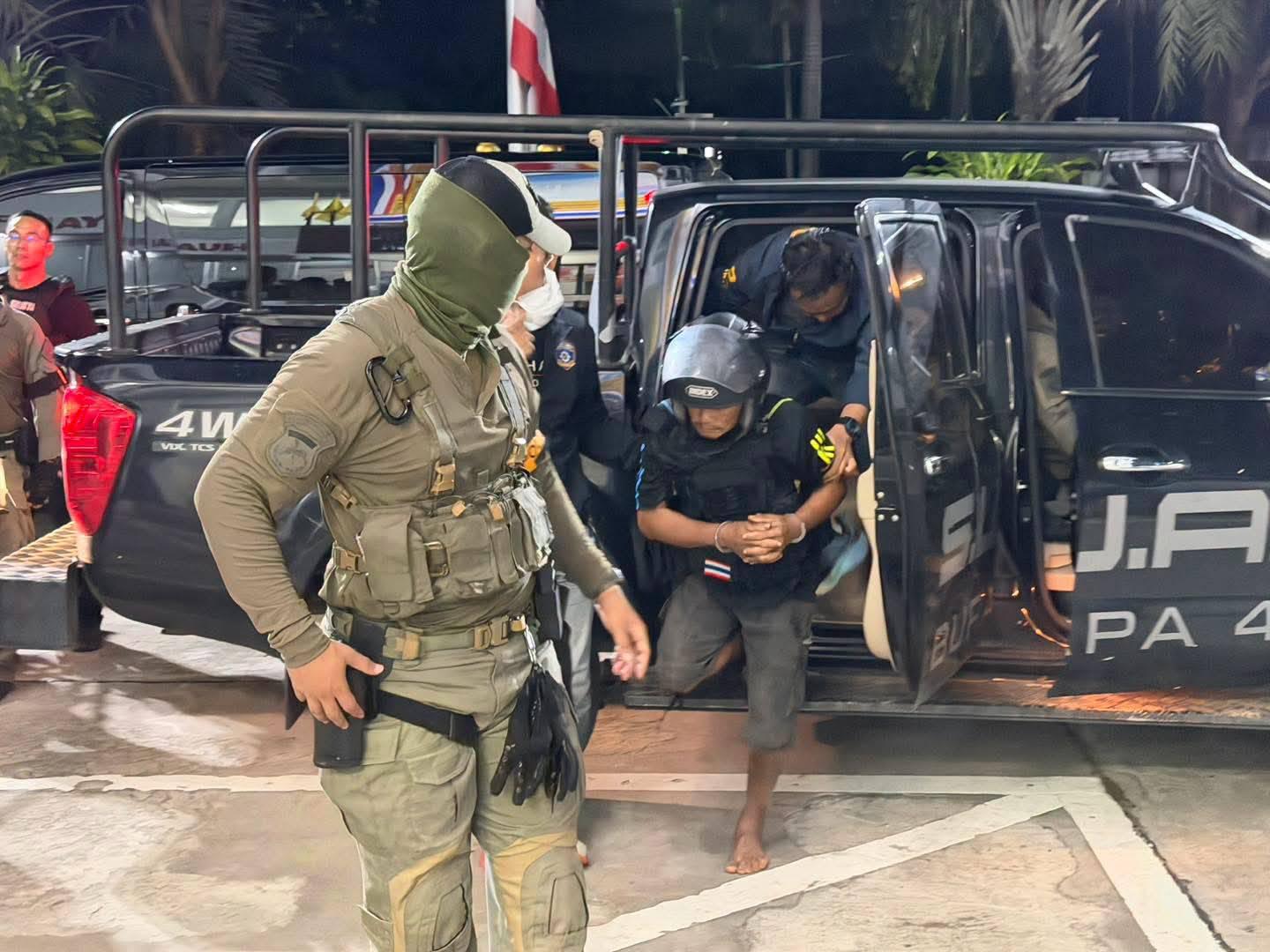
The siblings’ remains were recovered late on Friday night after the suspects led officers to the burial site. Initial examinations indicated the brother had been shot in the head and abdomen, while the sister showed signs of severe physical assault; however, no preliminary evidence of sexual assault was reported.

Questioning of the suspects quickly expanded the probe. They were linked to the earlier disappearance of a Thai family of three, Wichian, 53, Chantana, 50, and their 18-year-old daughter Nichapha, who had been reported missing in mid-June after relatives lost contact with them. Their bodies were later found buried in a nearby coconut plantation. Investigators said the alleged motive was robbery, with the suspects and two alleged accomplices reportedly entering the family’s home late at night. Two other suspects in that case remain at large.

Police have described the principal suspects as former prisoners with extensive histories of drug-related issues who had recently been released. Provincial Police Region 2 Commissioner Pol Lt Gen Chatchai Surachetphong said parts of the confessions aligned with physical evidence, and officers continue to gather forensic details and pursue remaining suspects.

Anutin stressed the need for a swift, thorough and rigorous investigation, saying that the case must be handled with maximum severity under the law to restore public confidence. Authorities have also indicated they will provide full facilitation to the Russian victims’ family, including assistance with repatriation of the remains. Two men who assisted in burying the motorbike were also arrested earlier but claimed to have nothing to do with the bodies or killings, police are investigating this.
Similar Posts

  • | |

    US report urges Pakistan to open up budget and deb…

    WASHINGTON: Pakistan needs to improve transparency in its public finances and give Parliament and citizens earlier access to key budget and debt information, according to a new US State Department assessment. The department’s 2026 Fiscal Transparency Report said Pakistan had made progress in making financial information publicly available but still faced important gaps, particularly in the timely release of its proposed budget and disclosure of government liabilities. The report noted that Pakistan’s approved budget and year-end financial reports were easily accessible to the public, including online. However, it found that the government did not release its executive budget proposal within a reasonable timeframe. According to the assessment, publishing the proposed budget earlier would give lawmakers and the public more time to examine the government’s spending and revenue priorities before the document is formally approved. The report also raised concerns over limited public information about government debt, especially liabilities linked to major state-owned enterprises. Greater disclosure, it said, would help provide a clearer picture of the country’s financial position and allow Parliament to better assess potential fiscal risks. Despite these shortcomings, the US assessment acknowledged that Pakistan’s publicly available budget documents contained substantial information on planned government revenues and expenditures, including income from natural resources. Pakistan’s auditing system also received a largely positive assessment. The report said financial information was generally reliable and subject to review by the country’s supreme audit institution, which it found to have an appropriate level of independence under international standards. Audit findings were also made available to the public within a reasonable period. The report found that Pakistan had established legal procedures for awarding natural resource extraction contracts and licences and appeared to follow those rules in practice. It also noted that information on public procurement contracts was accessible and described the legal framework governing the country’s sovereign wealth fund as sound. The State Department identified three major areas where Pakistan could further strengthen fiscal transparency: releasing the executive budget proposal on time, providing more detailed information about government debt, including state-owned enterprise liabilities, and bringing military and intelligence budgets under adequate parliamentary or civilian oversight. Overall, the report did not portray Pakistan’s financial system as broadly opaque. Instead, it recognised several areas of progress while calling for stronger parliamentary scrutiny and greater disclosure of information that could help lawmakers and the public understand the country’s fiscal risks.

  • Only 7% government school students enter top colleges

    Karachi – The standard of education in Karachi’s government schools has declined to a worrying level with only 7 percent of students admitted to top government colleges this year coming from government schools. Questions are being raised over the quality of education in Karachi’s government schools. Sources in the Education Department have revealed that the admission rate of government school students in top government colleges is extremely low. As many as 93 percent of admissions in Karachi’s government colleges were secured by students from private schools. According to Education Department sources, a total of 13,211 students were admitted to Karachi’s top 10 government colleges. However, only 947 students among them came from government schools. According to the sources, at Adamjee Government Science College, only 28 government school students were admitted out of a total of 613 admissions. At DJ Sindh Government Science College, only 44 government school students secured admission out of 1,258 admissions. Similarly, Delhi Government Science College admitted 801 students of whom only 28 were from government schools. At Government Boys College Nazimabad, only 60 government school students were admitted out of a total of 1,317 admissions.

  • | |

    Pakistan faces 400+ cyberattacks this year

    Pakistan has faced more than 400 cyberattacks during the current year, with authorities successfully stopping all reported attacks in time, according to the Director General of the National Cyber Emergency Response Team, Dr Haider Abbas. Dr Abbas said the growing number of cyber threats showed the need for stronger national cybersecurity measures. He called for the establishment of a powerful National Cyber Security Authority to coordinate cybersecurity efforts across the country. Speaking in an interview, he said Pakistan was facing increasingly complex cyber threats. He also warned about the risks posed by cyberattacks allegedly backed by state actors. According to Dr Abbas, Pakistan needs a central institution with sufficient authority to deal with the growing cybersecurity challenges. He proposed placing the National Cyber Security Authority under the prime minister. He said a national authority working under the prime minister could respond more effectively to major cyber threats. It could also improve coordination between government institutions and other organisations responsible for digital security. The official stressed that cybersecurity had become an important national issue. The increasing dependence on digital systems has also increased the potential risks to government institutions, businesses and other critical sectors. More than 400 attacks reported this year highlight the scale of the challenge facing Pakistan. Although the attacks were reportedly prevented, officials believe the country needs stronger systems to detect and respond to future threats. Dr Abbas said the proposed authority should oversee cybersecurity across the country. It should also ensure that different institutions follow effective security measures and remain prepared for emerging digital threats. A central cybersecurity body could help improve coordination during cyber emergencies. It could also allow authorities to respond quickly when sensitive digital systems come under attack. The official’s proposal comes as cyber threats continue to become more sophisticated worldwide. Governments are increasingly focusing on protecting critical infrastructure, public institutions and digital networks from cyberattacks. Pakistan has also expanded its dependence on online systems in government, banking, communications and other sectors. Any major cyberattack on important infrastructure could potentially disrupt essential services. Dr Abbas therefore called for a stronger national framework to protect Pakistan’s digital environment. He said the proposed authority should have a clear mandate and sufficient powers to manage cybersecurity across the country. He also emphasised the importance of a coordinated national response. Different government departments and institutions need to work together to identify threats and prevent attacks before they cause damage. The official said placing the authority under the prime minister would give it greater effectiveness and allow important decisions to be taken quickly. The disclosure of more than 400 cyberattacks this year has renewed attention on Pakistan’s digital security. Authorities are now facing growing pressure to strengthen national cybersecurity systems and improve preparedness against future threats.

  • | |

    Naqvi to visit KP, Balochistan over business secur…

    Interior Minister Mohsin Naqvi has announced plans to visit Peshawar and Quetta to engage directly with business leaders and provincial authorities as the government steps up efforts to address security challenges affecting trade and investment in Khyber Pakhtunkhwa and Balochistan. The announcement came during a meeting with a delegation of traders, industrialists, and representatives of chambers of commerce from both provinces. The delegation briefed the minister on the law and order situation and highlighted the security issues that continue to disrupt commercial and industrial activities. Naqvi said the government recognizes the difficulties faced by the business community and is committed to creating a safer environment for investment and economic growth. He assured participants that all available resources would be utilized to improve security and resolve issues affecting businesses. The interior minister said his upcoming visits to Peshawar and Quetta would include meetings with senior provincial officials, law enforcement agencies, and business representatives to develop practical and long-term solutions to security concerns. He emphasized that a secure business environment is essential for economic stability, adding that the success of traders and industrialists is closely linked to the country’s overall development. “The progress of the business community is the progress of Pakistan,” Naqvi said, reaffirming the government’s commitment to supporting entrepreneurs and protecting commercial activities. The meeting followed a high-level discussion held a day earlier between Naqvi and President Asif Ali Zardari, during which they reviewed the country’s overall security situation, with particular focus on Khyber Pakhtunkhwa and Balochistan. Pakistan has witnessed a rise in militant violence in recent months, particularly in the two provinces. Security forces have intensified intelligence-based operations to counter militant groups responsible for attacks on civilians, security personnel, and public infrastructure. The deteriorating security environment has also affected workers and businesses. Earlier this week, six labourers who had been abducted in Balochistan’s Kech district were found dead, while several other attacks in recent weeks targeted police officers, judges, transport routes, and public facilities. The government believes improving security is essential not only for protecting citizens but also for restoring investor confidence and advancing major regional connectivity and infrastructure projects that have been affected by instability.

  • | |

    Eight bodies recovered sfter avalanche on broad pe…

      Skardu: Rescue teams have recovered the bodies of eight climbers who went missing after a massive avalanche struck Broad Peak, one of the world’s highest mountains, in northern Pakistan. The tragic incident has shocked the international mountaineering community and prompted an extensive search-and-rescue operation in the Karakoram mountain range. According to officials, four additional bodies were located during the latest phase of the rescue mission, bringing the total number of recovered victims to eight. Earlier in the day, rescue teams had already found four bodies in the avalanche-hit area. Of the four bodies recovered most recently, three have been airlifted by helicopter to Skardu for identification and further legal formalities. Rescue authorities are continuing efforts to locate the remaining two missing climbers, despite extremely challenging weather conditions, difficult terrain, and the constant risk of further avalanches. The search operation remains active on Broad Peak, with rescue personnel working around the clock to find the missing mountaineers. Helicopters, local rescue teams, and experienced high-altitude climbers are taking part in the mission, while authorities continue to monitor weather conditions that could affect ongoing operations. Provincial Minister for Tourism Nek Nam Karim said the government is making every possible effort to locate the remaining climbers. He stated that the Tourism Department is providing full logistical support to rescue teams, including transportation, coordination, and essential equipment required for high-altitude search operations. The group of missing climbers represents several countries, highlighting the international nature of mountaineering expeditions in Pakistan. The team includes climbers from the United States, China, Nepal, Oman, and Pakistani mountaineer Sohail Sakhi, who remains among those unaccounted for. Authorities are maintaining close contact with the embassies of the affected countries and are keeping the families of the climbers informed about developments in the rescue operation. Broad Peak, located in Pakistan’s Gilgit-Baltistan region, is the 12th-highest mountain in the world, standing at ,8047 metres (26,401 feet)above sea level. It lies within the Karakoram mountain range, close to K2, and is regarded as one of the world’s most demanding climbing destinations. Every year, experienced mountaineers from across the globe travel to Pakistan in an attempt to summit the towering peak. However, climbing Broad Peak is extremely hazardous. Mountaineers face unpredictable weather, heavy snowfall, strong winds, crevasses, and the constant threat of avalanches. Even highly skilled climbers can find themselves in life-threatening situations due to rapidly changing mountain conditions. The latest tragedy serves as a painful reminder of the dangers associated with high-altitude mountaineering. Rescue officials have acknowledged that operations at such elevations are exceptionally difficult because of thin air, freezing temperatures, and limited access to the affected areas. As the search for the remaining missing climbers continues, hopes remain that rescue teams may still locate them. At the same time, condolences continue to pour in for the victims and their families. The incident has once again highlighted both the breathtaking beauty and the unforgiving dangers of Pakistan’s towering Karakoram mountains, where adventure and risk often go hand in hand.

  • | |

    LHC acquits man sentenced to life for wife’s…

    LAHORE: The Lahore High Court ( LHC) has overturned the life imprisonment sentence of a man convicted of murdering his wife, ruling that the prosecution failed to establish his guilt beyond reasonable doubt. Justice Tariq Saleem Sheikh issued a detailed 19-page written judgment, allowing the appeal filed by the convict, Tanveer, and ordering his immediate release. According to the verdict, Tanveer maintained that he was on duty at a petrol station at the time of the incident and denied any involvement in the killing of his wife. The court observed that the prosecution had failed to produce reliable and convincing evidence to support the allegations against him. The judgment concluded that the available evidence was insufficient to sustain the conviction, leading the court to set aside the trial court’s decision and acquit the appellant. Tanveer had been sentenced to life imprisonment in 2022 by a trial court after being found guilty of his wife’s murder. In addition to the prison term, he was fined Rs400,000. He later challenged the conviction before the Lahore High Court, which has now ruled in his favor.

Leave a Reply

Your email address will not be published. Required fields are marked *