pti rift deepens
| |

PTI rift deepens as Salman Akram Raja, Mashal Yous…

ISLAMABAD: Differences within the Pakistan Tehreek-i-Insaf (PTI) have intensified as senior party figures Salman Akram Raja and Mashal Yousafzai exchanged allegations over party affairs and accusations related to the alleged sale of tickets.

Salman Akram Raja criticised those who, according to him, were unable to pursue the matter through legal channels and had instead resorted to what he described as baseless allegations against Mashal Yousafzai over ticket-selling claims.

Raja also said he did not know who had nominated Yousafzai as a senator, maintaining that the decision had been made on the instructions of PTI founder Imran Khan. He added that he did not have the authority to remove her from the Senate.

In response, Mashal Yousafzai alleged that Raja had made his recent statements after apologising to the PTI founder. She challenged the party leadership to take action against Raja if it had the authority to remove him from the party.

The dispute has also drawn comments from PTI leader Shandana Gulzar, who questioned Raja’s remarks concerning money. She raised questions over the whereabouts of millions of rupees allegedly received from the United States and said that those responsible would face serious consequences if the matter was investigated.

The exchange has added to growing tensions within the opposition party, with allegations and counter-allegations emerging as its leadership continues to grapple with internal disagreements.

Similar Posts

  • | |

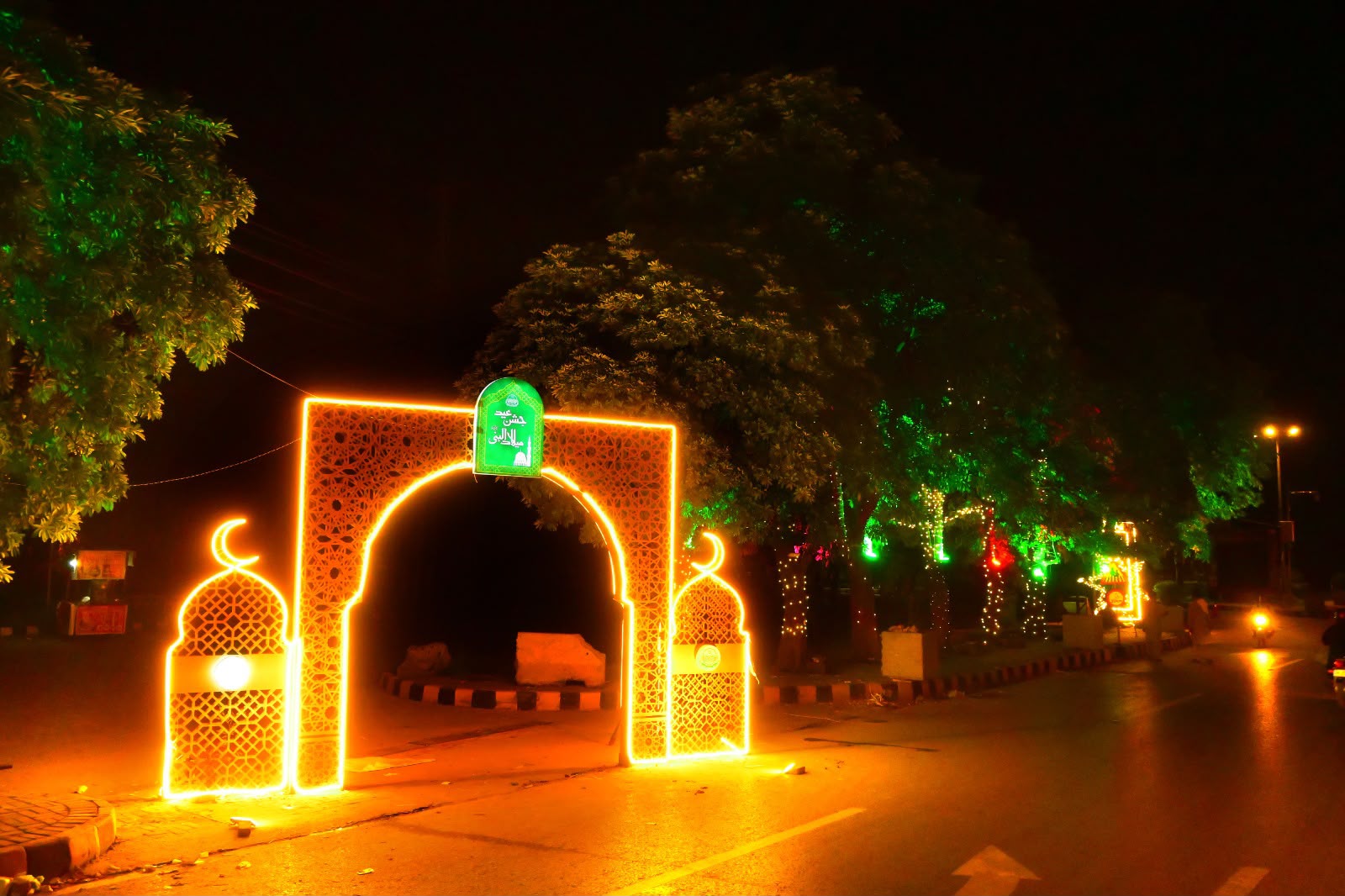
    PHA illuminates Punjab to mark Eid Milad-un-Nabi

      LAHORE: Cities across Punjab were illuminated with decorative lights and religious-themed displays as the Punjab Horticulture Authority (PHA) arranged special decorations to mark Eid Milad-un-Nabi, filling public spaces with festive and spiritual displays. As part of its annual celebrations, the PHA installed illuminated signs, decorative structures and religious motifs across all 21 districts under its administrative jurisdiction. Public parks, green belts and other prominent locations were decorated to reflect the religious significance of the occasion while adding a festive appearance to major urban areas. In Lahore, the authority carried out extensive arrangements, including the installation of specially designed billboards and religious-themed displays. Digital campaigns were also launched along important city routes, particularly The Mall and Gulberg, where illuminated decorations attracted public attention. Similar arrangements were made in several other major cities of Punjab. Rawalpindi, Faisalabad, Multan, Bahawalpur, Khushab and Rahim Yar Khan were among the cities where parks and public spaces were decorated with colourful lighting and religious artwork. Illuminated domes, Islamic calligraphy, floral arrangements and other decorative features were used to create a festive atmosphere in honour of Eid Milad-un-Nabi. PHA district offices were also decorated with lights and buntings, giving government buildings a distinctive green appearance associated with the sacred occasion. The decorations were prepared ahead of the celebrations, with horticulture teams working to ensure that the installations were completed on time. PHA Director General Ahmad Usman Javaid described the celebrations as a significant honour and blessing. He said the authority had begun preparations several weeks before the occasion, with its horticulture and field staff working extensively, including overnight, to complete the arrangements. The celebrations were accompanied by discussions on the future administrative and financial direction of the authority’s newly established district agencies. During a separate meeting, Director General Javaid instructed the district agencies to prepare individual revenue-generation plans aimed at improving their financial sustainability. The initiative is intended to help reduce the agencies’ dependence on government funding while allowing them to generate resources according to the economic potential of their respective areas. The meeting reviewed the operational performance of the district agencies, administrative arrangements and progress in organisational development. Officials highlighted the importance of establishing financially sustainable institutions capable of meeting part of their expenses through locally generated revenue. Javaid directed the agencies to identify potential sources of income within their districts and develop strategies according to local commercial conditions. He stressed that all revenue-generating activities must remain within the relevant legal and regulatory framework. According to the PHA chief, Punjab’s districts have different economic and commercial characteristics, meaning that a uniform revenue model may not be suitable for every area. He said agencies should instead develop plans based on the opportunities available locally. For instance, districts with substantial commercial activity could generate revenue through the regulation of outdoor advertising. Other districts may have greater opportunities to lease underutilised government land or develop public-private partnerships for the construction, operation and management of parks. The PHA leadership said the objective was to create stronger and more financially independent district institutions while continuing to improve public parks, green spaces and horticultural services across Punjab. The Eid Milad-un-Nabi decorations and the accompanying administrative initiatives reflected the authority’s efforts to combine public-space beautification with longer-term institutional development.

  • |

    Call for equal relief for DG Khan school tragedy v…

    A heartfelt appeal has surfaced on social media, urging Punjab Chief Minister Maryam Nawaz Sharif to announce financial assistance for the families affected by the Little Scholars School tragedy in Dera Ghazi Khan. The appeal seeks compensation for the families of four children who lost their lives and 16 others who suffered injuries when the school roof collapsed on May 7. It calls for a relief package similar to the one recently announced for the victims of the academy roof collapse in Kahna, Lahore. The families of the Little Scholars School victims expressed deep sorrow over the Kahna tragedy and prayed for the departed souls, strength for the bereaved families and a speedy recovery for those injured. According to reports cited in the appeal, the Punjab government announced Rs2 million for each family that lost a loved one in the Kahna incident and Rs500,000 for each injured person. The appeal welcomed the decision but questioned why the Dera Ghazi Khan victims had not received similar financial support. It highlighted that both incidents involved the collapse of educational building roofs and caused the deaths and injuries of schoolchildren. The appeal stressed that negligence and carelessness require serious attention in both cases and that families in Dera Ghazi Khan deserve the same compassion and assistance. The statement also noted that Chief Minister Maryam Nawaz announced relief for the Kahna victims but has yet to announce compensation for the Dera Ghazi Khan families or visit the city to offer condolences. This, it said, has disappointed the victims’ families and local residents. The appeal urged the chief minister to treat all affected families equally and announce financial assistance for the deceased and injured children of the Little Scholars School tragedy. It also called on elected representatives from Dera Ghazi Khan and the district administration to formally approach the Punjab government for a relief package. The appeal concluded that no financial assistance can replace a child’s life, but government support can provide some relief and show solidarity with grieving families.

  • |

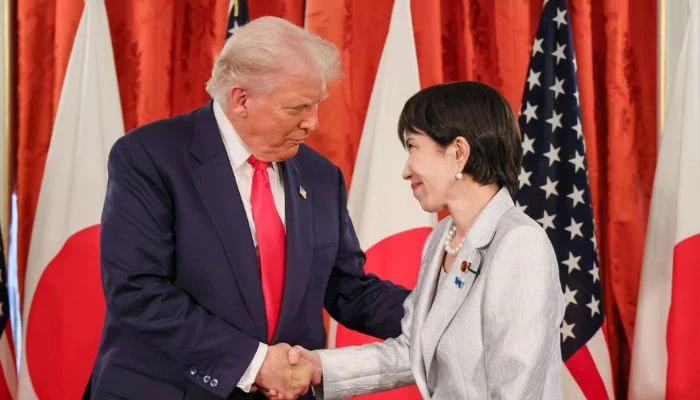
    US and Japan launch rare joint effort to strengthen yen

    The United States and Japan have launched an extraordinary joint currency intervention to prop up the Japanese yen after it plummeted toward a fresh 40-year low. The coordinated market operation aimed to curb severe exchange rate volatility and lower the escalating costs of imported food and energy burdening Japanese consumers and businesses. US Treasury Secretary Scott Bessent confirmed the bilateral action, while financial analysts noted that the move helped prevent Tokyo from dumping massive tranches of US government bonds to raise capital. Bank of Japan data indicates that Tokyo sold approximately 59 billion dollars in market reserves alongside parallel purchasing from Washington following political support from US President Donald Trump.

  • | |

    Punjab cybercrime crackdown, 28 suspects arrested

    LAHORE: Authorities have arrested 28 suspects in Lahore, Faisalabad and Multan as part of a major crackdown on organised online fraud, exposing alleged schemes that relied on impersonation, fake investment opportunities and fabricated official identities to deceive citizens. The arrests were made during a province-wide operation by the National Cyber Crime Investigation Agency (NCCIA) Punjab, directed by Punjab Director Muhammad Ali Wasim, officials said. Investigators also seized 24 mobile phones and a laptop, which are now being examined for evidence that could lead to other members of the alleged network. The investigation has revealed how fraudsters allegedly manipulated trust to convince victims to hand over large sums of money. Millions allegedly lost in Lahore scam In Lahore, 18 suspects were arrested in separate operations. Investigators said the suspects allegedly impersonated relatives, visa agents, government officials and personnel associated with the Punjab Safe Cities Authority. In one case, suspects allegedly posed as both a relative and a visa agent and persuaded a victim to transfer Rs25.86 million. The case has highlighted how scammers can combine apparently familiar identities with urgent requests to make their schemes appear legitimate. Rs54.66m trading fraud uncovered Three suspects were arrested in Faisalabad in connection with alleged online trading fraud and unauthorised access to a company email account. According to investigators, a victim was shown fabricated trading records, digital-wallet balances and purported profit statements to create the impression that substantial returns were being generated. After being persuaded to invest, the victim allegedly lost Rs54.66 million, investigators said. The case demonstrates the growing sophistication of investment scams, where criminals allegedly use manipulated digital information to make fraudulent platforms appear genuine. Multan arrests expose impersonation tactics In Multan, seven suspects were arrested for allegedly posing as relatives, bank employees and individuals claiming to be based in Britain. Officials said victims were approached with various demands, including payments supposedly required for prize money, customs clearance, taxes and visa renewals. Such tactics typically create a sense of urgency, leaving victims with little time to verify the identity of the caller or the authenticity of the demand. Digital evidence now under forensic examination NCCIA investigators are examining the seized devices through forensic analysis. Financial transactions, call records and digital communications are also being reviewed to establish the full extent of the alleged operation and identify other people who may be connected to it. The crackdown comes amid growing concern over online financial fraud in Pakistan. The NCCIA’s own statistics identify financial fraud as a major category of reported cybercrime. The latest arrests underscore a simple but increasingly important warning: an apparently familiar voice, official-looking message or promising investment opportunity may not be what it seems. Authorities are expected to continue the investigation as they trace the alleged network and follow the digital and financial trails left behind.

  • |

    Punjab cotton crop in satisfactory shape as rice cultivation surpasses target

    LAHORE: The cotton crop in Punjab is currently showing a generally satisfactory condition, while rice cultivation in the province has exceeded the government’s target by a significant margin, with growers sowing the crop over more than six million acres against the planned five million acres. The latest assessment was shared at a high-level meeting held in Multan on Saturday to review the progress of major standing crops, agricultural extension services and measures aimed at strengthening farming activity across Punjab. The meeting was chaired by Additional Chief Secretary Punjab Iftikhar Ali Sahoo and brought together senior officials from the Agriculture and Irrigation departments, representatives of the farming community and experts from the agricultural sector. Among those attending were Muhammad Nawaz Sharif University of Agriculture Vice Chancellor Professor Dr Asif Ali, Special Secretary Agriculture South Punjab Sarfraz Hussain Magsi, Agriculture Department Directors General Abdul Hameed, Naveed Asmat Kahloon, Dr Aamir Rasool and Dr Sajid-ur-Rehman, as well as Kissan Ittehad President Khalid Mahmood Khokhar, Syed Hassan Raza and Dr Muhammad Iqbal Bandesha. Additional Secretary Task Force Shabbir Ahmed Khan, Director General Crop Reporting Dr Abdul Qayyum and Agriculture Department Consultant Dr Muhammad Anjum Ali participated in the meeting through a video link. Officials briefed the meeting on the condition of major crops and the progress of field-level initiatives designed to assist farmers. Cotton remained a major focus of the discussion because of its importance to Pakistan’s textile-based economy and its contribution to agricultural incomes. The participants were informed that the cotton crop across Punjab was in a satisfactory condition. However, officials stressed the need for continued field monitoring and timely technical support to protect the crop from potential threats during its critical growth stages. Cotton is considered one of Pakistan’s most important cash crops and serves as a major source of raw material for the country’s textile industry. Its performance has a direct bearing on farmers, ginners, textile manufacturers and export-oriented businesses. In recent years, cotton production has faced challenges from changing weather patterns, pest attacks, input costs and competition from alternative crops. Sahoo emphasised that the government was giving priority to agricultural development and the economic well-being of farmers. He directed agriculture officials and field formations to maintain regular contact with growers and ensure that technical advice reached farmers in a timely manner. He said the strategy prepared for the revival and strengthening of cotton cultivation should be implemented in letter and spirit. Officials were also asked to remain active in the field and assist growers in dealing with crop-related issues. Highlighting cotton’s wider economic significance, the additional chief secretary said the country’s economy and textile sector could not be viewed separately from the performance of the cotton crop. He stressed the need for coordinated efforts to improve productivity and strengthen the position of cotton growers. The meeting also reviewed the progress of rice cultivation. According to the officials, rice had already been planted over more than six million acres in Punjab, exceeding the season’s target of five million acres. Sahoo directed agricultural authorities to intensify technical guidance for rice growers, particularly to help them improve productivity, maintain crop quality and adopt better farming practices. He called for greater involvement of regional agricultural forums and professional experts in addressing issues faced by farmers at the local level. Such platforms, he said, should use their technical expertise to help improve agricultural performance and provide practical solutions to growers. The additional chief secretary also appreciated the efforts of Agriculture Department field teams for their role in supporting farmers and monitoring crop conditions across the province. Later, Sahoo visited the Model Agriculture Mall in Multan to inspect arrangements for the provision of agricultural inputs to farmers. During the visit, he reviewed the availability of fertilisers and other essential inputs and sought information from officials regarding stocks and farmer demand. He directed the relevant authorities to ensure uninterrupted availability of fertiliser at the facility so that farmers did not face shortages during the ongoing crop season. Officials said crop conditions would continue to be monitored closely in the coming weeks. With rice cultivation entering the final stages of the transplantation period and cotton moving into an important phase of its growth cycle, timely field intervention and availability of agricultural inputs would remain crucial to determining overall crop performance. The government is expected to maintain its focus on farmer guidance, crop monitoring and input availability as the province moves further into the agricultural season.

  • |

    Indian activist Sonam Wangchuk ends 26-day hunger strike

    Indian environmentalist and social activist Sonam Wangchuk has ended his 26-day hunger strike after holding discussions over the ongoing nationwide protests against alleged examination paper leaks. However, demonstrations demanding the resignation of Education Minister Dharmendra Pradhan are continuing across India. Wangchuk announced his decision through a post on social media, saying he ended the fast after lengthy negotiations and concerns that the situation could lead to further violence. He said he would soon explain the conditions that led to his decision in a separate video message. The 59-year-old activist had been fasting since June 28 in support of a youth-led protest movement that accuses the government of failing to prevent repeated examination paper leaks. Protesters have demanded the resignation of the education minister after alleged leaks in medical college entrance examinations forced millions of students to retake the tests. Shortly before Wangchuk’s announcement, Prime Minister Narendra Modi addressed the nation and pledged stronger legal action against those responsible for examination fraud. He described the paper leak scandal as a serious issue affecting the future of hundreds of thousands of students and said the government would introduce tougher legislation to combat such crimes. Modi also announced plans to speed up court proceedings against those involved in examination fraud, adding that the issue would be discussed by the federal cabinet. While outlining the government’s response, he did not comment on demands for the education minister’s resignation. Despite Wangchuk ending his fast, thousands of protesters continue to gather at New Delhi’s Jantar Mantar and in several other cities. Demonstrators say they will maintain their peaceful campaign until the education minister steps down and comprehensive reforms are introduced to restore transparency and fairness in India’s examination system. The protests have become one of the biggest public challenges faced by Prime Minister Modi’s government since beginning its third term. Tensions have risen in recent days after clashes between police and protesters. Security forces used tear gas and batons to stop demonstrators attempting to march towards parliament, leading to widespread criticism from rights organisations over the handling of the protests.

Leave a Reply

Your email address will not be published. Required fields are marked *