sbp chief reaffirms
|

SBP chief reaffirms Islamic banking push

State Bank of Pakistan (SBP) Governor Jameel Ahmad has reaffirmed the central bank’s commitment to implementing a fully Shariah-compliant financial system, saying the SBP continues to work closely with the government to achieve the country’s Islamic banking goals.

Addressing a ceremony via video link, Ahmad said the central bank has introduced several measures to facilitate freelancers, helping them receive payments more easily through formal banking channels. He noted that these initiatives have contributed to an increase in workers’ remittances and strengthened the flow of foreign exchange into Pakistan.

The SBP governor said the central bank has established a dedicated steering committee to oversee the transition toward Islamic banking. He added that the SBP is revising its regulatory and operational framework to ensure it fully complies with Shariah principles while supporting the financial sector’s gradual transformation.

Ahmad recalled that Pakistan’s founder, Quaid-e-Azam Muhammad Ali Jinnah, had expressed the vision of an Islamic financial system during the inauguration of the State Bank in 1948. He said the government has adopted a roadmap to implement a complete Islamic banking system by December 2027, and the SBP remains committed to meeting that target in collaboration with relevant stakeholders.

He also revealed that work is underway to develop a comprehensive asset register for government-owned assets, describing it as an important step in supporting Islamic finance initiatives. Stressing the importance of skilled professionals, Ahmad said expanding the capacity of the banking workforce will play a key role in ensuring the successful implementation of the Islamic banking system across the country.

Similar Posts

  • | | | |

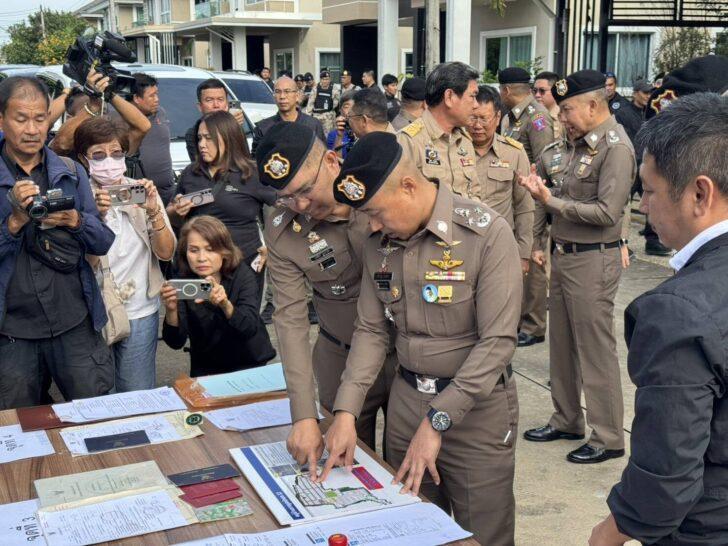
    Police General Samran Orders Expanded Nominee Crackdown as 250+ Officers Raid 18 Locations in Chiang Mai to Dismantle Foreign Nominee Network Involving 633 Million Baht in Assets

    Chiang Mai, Thailand – July 20th, 2026 In a major escalation of Thailand’s nationwide campaign against illegal foreign business ownership, Police General Samran Nuanma (known as “บิ๊กราญ” or “Big Ra”), Deputy Commissioner-General of the Royal Thai Police, ordered the expansion of Operation “Dismantling Foreign Nominee Networks Phase 5” in Chiang Mai province. On July 20th, […]

  • | |

    Freight costs surge manifold as industry faces logistics strike aftershocks

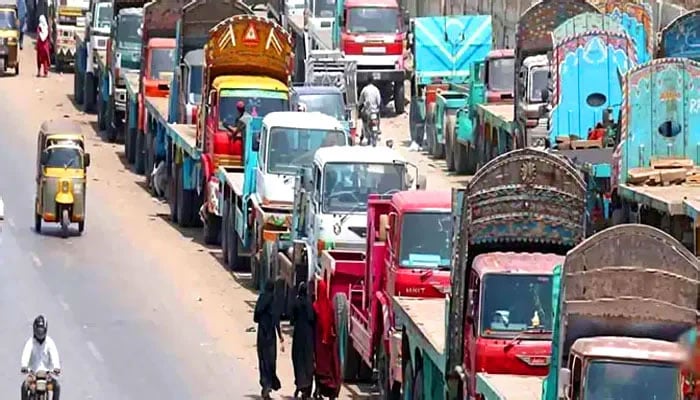
    Pakistan’s export sector has been hit by a fresh logistics shock after the nine-day goods transport strike, with exporters now facing an extraordinary increase in sea freight rates, a shortage of shipping space and mounting costs on delayed cargo, according to economists and trade experts. Experts said the strike may have ended, but its consequences are now being felt at ports, factories and in export markets. Containers that could not reach Karachi Port and Port Qasim during the disruption missed scheduled vessels, leaving exporters scrambling to secure space on subsequent shipments at sharply higher freight rates. According to information shared by exporters, freight charges to the US West Coast have surged from around $1,800 to as high as $8,500 per container, while rates to the US East Coast have reportedly risen from $1,800 to $8,000 per container. Additional General Rate Increases, surcharges and other carrier charges have further increased the burden. Experts said these developments have placed Pakistani exporters in an extremely difficult position. Freight charges rising by more than 300 percent cannot easily be absorbed by exporters and could wipe out the profit margin on entire export orders, they added. They said the disruption in domestic transport created a serious bottleneck in the export supply chain. Thousands of containers remained stuck at factories and warehouses and could not reach the ports within terminal cut-off times. As a result, exporters faced missed bookings, vessel rollovers, cancellations, detention, demurrage and storage charges. Economists said the reported loss of around Rs450 billion during the nine-day strike shows the scale of the disruption, but the real damage could be much greater if delayed shipments lead to cancelled orders and the loss of overseas buyers. International buyers expect certainty and timely delivery, experts noted. A buyer waiting for goods does not necessarily distinguish between a transport strike, port congestion or any other domestic problem in Pakistan. If deliveries are repeatedly delayed, the buyer may simply shift future orders to another country. Pakistan is competing with countries that have invested heavily in efficient ports, transport networks and export logistics. Pakistani manufacturers already face high energy prices, expensive financing, taxation pressures and rising input costs. Adding an unpredictable freight and shipping crisis to these problems further weakens their ability to compete. Experts pointed out that exporters operating under C&F, CFR and other freight-inclusive arrangements are directly exposed to the increase in shipping costs. Even FOB exporters are suffering because the shortage of vessel space and missed sailing schedules can delay shipments and damage business relationships. “Export growth is not possible without a dependable logistics system,” experts said. “It is not enough to announce export incentives if containers cannot move smoothly from factories to ports and from ports to international markets.” They urged the government to immediately hold consultations with shipping lines, port authorities, terminal operators, freight forwarders, transporters and export associations to restore adequate vessel space for Pakistani cargo and address the sudden escalation in freight rates. Experts said exporters whose shipments were delayed because of circumstances beyond their control should not be left to bear excessive penalties and charges. A mechanism should be developed to facilitate stranded cargo and minimise avoidable detention, demurrage and storage costs. They also called for a permanent coordination mechanism between the government and the private sector to deal with transport and logistics disruptions before they turn into national economic crises. Experts said Pakistan needs to treat logistics as a core part of its trade and export policy. Road transport, ports, terminals, shipping services and customs clearance are all parts of the same export chain, and a breakdown at one point can affect the entire system. Economists stressed that Pakistan urgently needs greater export earnings to strengthen its economy and foreign exchange reserves. Every unnecessary increase in freight costs means more money leaving the country and less income remaining with Pakistani manufacturers and exporters. They urged the authorities to take immediate and practical steps to help exporters clear delayed shipments, recover lost shipping schedules and retain the confidence of international buyers, warning that predictable freight rates, available shipping space and an uninterrupted logistics system are essential for Pakistan to remain competitive in international markets.

  • Thailand Fuel Prices Hit by Middle East Unrest and Shipping Disruptions

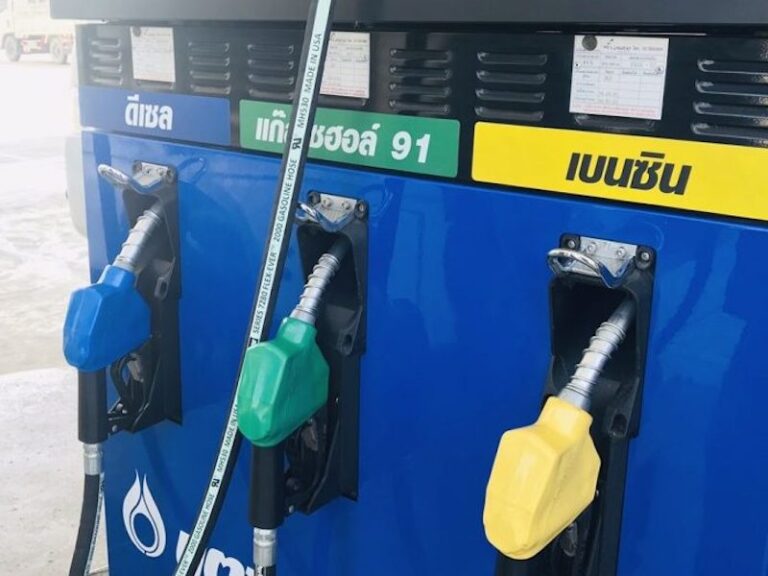
    BANGKOK, Thailand — Fuel prices in Thailand have surged for a second consecutive day, driven by escalating geopolitical conflicts in the Middle East and severe disruptions to global maritime shipping routes. The cumulative two-day increase has added 1.75 baht per litre to pump prices, prompting the Fuel Fund Executive Committee to implement urgent adjustments to […]

  • | |

    Punjab cybercrime crackdown, 28 suspects arrested

    LAHORE: Authorities have arrested 28 suspects in Lahore, Faisalabad and Multan as part of a major crackdown on organised online fraud, exposing alleged schemes that relied on impersonation, fake investment opportunities and fabricated official identities to deceive citizens. The arrests were made during a province-wide operation by the National Cyber Crime Investigation Agency (NCCIA) Punjab, directed by Punjab Director Muhammad Ali Wasim, officials said. Investigators also seized 24 mobile phones and a laptop, which are now being examined for evidence that could lead to other members of the alleged network. The investigation has revealed how fraudsters allegedly manipulated trust to convince victims to hand over large sums of money. Millions allegedly lost in Lahore scam In Lahore, 18 suspects were arrested in separate operations. Investigators said the suspects allegedly impersonated relatives, visa agents, government officials and personnel associated with the Punjab Safe Cities Authority. In one case, suspects allegedly posed as both a relative and a visa agent and persuaded a victim to transfer Rs25.86 million. The case has highlighted how scammers can combine apparently familiar identities with urgent requests to make their schemes appear legitimate. Rs54.66m trading fraud uncovered Three suspects were arrested in Faisalabad in connection with alleged online trading fraud and unauthorised access to a company email account. According to investigators, a victim was shown fabricated trading records, digital-wallet balances and purported profit statements to create the impression that substantial returns were being generated. After being persuaded to invest, the victim allegedly lost Rs54.66 million, investigators said. The case demonstrates the growing sophistication of investment scams, where criminals allegedly use manipulated digital information to make fraudulent platforms appear genuine. Multan arrests expose impersonation tactics In Multan, seven suspects were arrested for allegedly posing as relatives, bank employees and individuals claiming to be based in Britain. Officials said victims were approached with various demands, including payments supposedly required for prize money, customs clearance, taxes and visa renewals. Such tactics typically create a sense of urgency, leaving victims with little time to verify the identity of the caller or the authenticity of the demand. Digital evidence now under forensic examination NCCIA investigators are examining the seized devices through forensic analysis. Financial transactions, call records and digital communications are also being reviewed to establish the full extent of the alleged operation and identify other people who may be connected to it. The crackdown comes amid growing concern over online financial fraud in Pakistan. The NCCIA’s own statistics identify financial fraud as a major category of reported cybercrime. The latest arrests underscore a simple but increasingly important warning: an apparently familiar voice, official-looking message or promising investment opportunity may not be what it seems. Authorities are expected to continue the investigation as they trace the alleged network and follow the digital and financial trails left behind.

  • | |

    Makkah Defence pact wins broad political backing 

    ISLAMABAD: Pakistan’s Makkah Joint Defence Agreement with Saudi Arabia and Türkiye has received broad political support, with major leaders describing the trilateral arrangement as a landmark step toward stronger collective security among Muslim countries. PPP Chairman Bilawal Bhutto Zardari welcomed the agreement, saying it would enhance Pakistan’s defence capabilities while contributing to regional stability and international peace. He also praised Prime Minister Shehbaz Sharif and Chief of Defence Forces and Chief of Army Staff Field Marshal Asim Munir for their role in finalising the pact. Jamiat Ulema-e-Islam-Fazl (JUI-F) chief Maulana Fazlur Rehman also described the agreement as an important development for Muslim unity. He said the arrangement could evolve into a broader collective security framework and called on other Islamic countries to join the initiative. Fazlur Rehman said Pakistan and Saudi Arabia had the potential to play a leading role in strengthening cooperation among Muslim states, adding that a unified defence mechanism had long been part of his party’s political vision. Jamaat-e-Islami Emir Hafiz Naeemur Rehman likewise endorsed the pact, saying greater cooperation could reduce Pakistan’s reliance on hostile powers. He proposed expanding the arrangement to include Qatar, Bangladesh, Iran, Malaysia and Indonesia. The leaders’ statements reflect growing political support for the Pakistan-Saudi-Türkiye security partnership, with calls emerging for it to develop into a wider alliance capable of promoting collective defence and stability across the Muslim world.

  • | |

    Ireland tightens security for Afghanistan ODI seri…

    Cricket Ireland has confirmed that extensive security arrangements have been put in place for the upcoming five-match One-Day International (ODI) series against Afghanistan amid concerns over possible protests during the fixtures. The series, scheduled to begin on August 5, has attracted criticism from campaigners over the treatment of women in Afghanistan under the Taliban regime. According to a BBC Sport report, Cricket Ireland is working closely with all relevant stakeholders, including the Police Service of Northern Ireland (PSNI), to ensure the safety of players, officials, spectators and staff throughout the series. In a statement to BBC Sport, Cricket Ireland said: “Appropriate security measures are in place, and all necessary arrangements have been made to ensure the safety and security of players, supporters, officials and staff.” The governing body has faced criticism for agreeing to host Afghanistan despite growing calls from some politicians and activists to boycott matches involving the Afghan men’s team because women and girls remain barred from playing cricket in the country. The PSNI also confirmed that a comprehensive policing plan has been prepared in anticipation of potential demonstrations at the venues. Police stressed that while peaceful protest is a protected right, public safety and the rights of others must also be respected. A PSNI spokesperson said: “The right to freedom of speech and peaceful assembly are fundamental human rights. They are protected in law and allow individuals to engage in peaceful protest.” The spokesperson added: “However, these rights are limited by the need to uphold the rights of others, protect public health and safety, minimise disruption to normal life and by the need to prevent and detect crime.” Police further warned that action would be taken if any protest crossed legal boundaries or created an unacceptable impact on others. The spokesperson said: “If the Police Service identifies potential criminal offences, or unacceptable impact on the rights of others, we will take lawful and proportionate action.” Despite the controversy surrounding the series, Cricket Ireland has indicated that preparations will continue as planned, with organisers focused on ensuring the matches are staged in a safe and secure environment. The governing body has not announced any changes to the schedule. The five-match ODI series will begin at Bready Cricket Club, which will host the opening two matches before the action shifts to Stormont for the remaining three fixtures. The full schedule is as follows: • 1st ODI: August 5 – Bready • 2nd ODI: August 7 – Bready • 3rd ODI: August 10 – Stormont • 4th ODI: August 12 – Stormont • 5th ODI: August 15 – Stormont The series remains significant for both teams as they continue preparations for future ICC events. While the focus on the field will be on cricket, organisers are also preparing for possible demonstrations outside the venues. Cricket Ireland and the PSNI have reiterated that security remains their top priority and that appropriate measures are in place to ensure the series proceeds safely while respecting the legal right to peaceful protest. 

Leave a Reply

Your email address will not be published. Required fields are marked *