schools reopen across
| | |

Schools reopen across Sindh as summer vacation end…

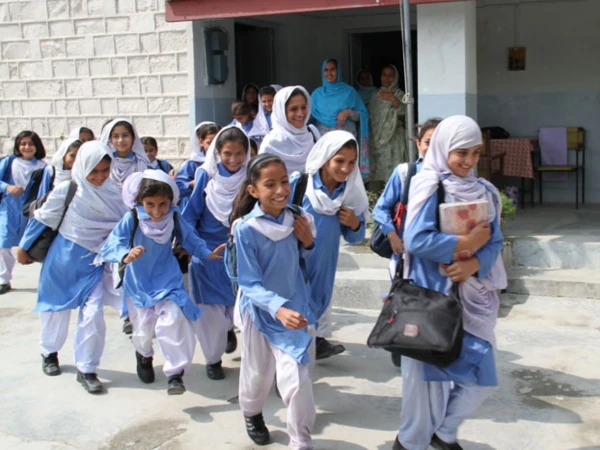
KARACHI: Schools and colleges across Sindh, including Karachi, reopened on Friday after a two-month summer vacation, bringing students and teachers back to classrooms and restoring the familiar bustle of the academic year.

The reopening marks the end of the summer holidays that ran from June 1 to July 31 under the Sindh Education Department’s academic calendar. Along with the resumption of classes, educational institutions have also returned to a six-day working week, as the weekly Saturday holiday has officially been withdrawn from August 1.

Although academic activities resumed across the province, attendance on the first day remained lower than usual in many government and private schools. Several private institutions announced that they would begin regular classes from August 3, allowing additional time to complete administrative preparations before welcoming students.

Schools were filled with excitement as children arrived with their parents or in school vans after the long vacation. Teachers greeted students warmly and organized engaging classroom sessions, interactive learning exercises and science-based activities to help them settle back into the academic routine.

Many schools also used WhatsApp groups and email to inform parents about updated school timings, class schedules and other important guidelines for the new session. Education officials encouraged parents to ensure regular attendance as the academic calendar gets back on track.

The reopening of schools also had an immediate impact on city life. Morning traffic increased significantly across Karachi, with major roads witnessing the return of school transport, private vehicles and commuters during peak hours after weeks of relatively lighter traffic.

Education experts believe that the return to regular classroom learning will help students regain academic momentum following the extended summer break. Schools are expected to focus on completing course outlines on schedule while maintaining extracurricular and practical learning activities throughout the new term.

The Sindh Education Department had announced summer vacations from June 1 to July 31, with educational institutions officially resuming normal operations from August 1 under the revised weekly schedule.

Similar Posts

  • Truckers End Laem Chabang Rally, Vow to Keep Pressing Government on Fuel Crisis

    CHONBURI — Transport operators who gathered near Laem Chabang Port on Wednesday have dispersed following a symbolic truck convoy aimed at forcing the government to take immediate action against soaring fuel prices and domestic shortages that are paralyzing the logistics industry. Pump Prices to Rise Starting Wednesday as Government Adjusts Fuel Subsidies The Land Transport […]

  • Authorities Track Down Blaze Setters After Field Fires Smother Bangkok in Haze

    NAKHON NAYOK – Authorities are searching for those responsible for illegally setting fire to rice fields in central Thailand, after a blaze burned over 10,000 rai (4,000 acres) and sent a thick plume of toxic smoke toward Bangkok and neighboring provinces. Pollution Control Department introduces management of burning via Burn Check app The fire broke […]

  • | | |

    Pakistan celebrates Eid Milad-un-Nabi with religio…

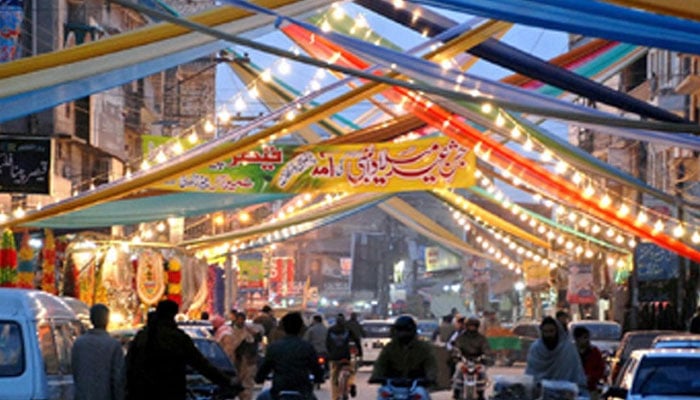
    ISLAMABAD: Eid Milad-un-Nabi (PBUH), marking the birth anniversary of the Holy Prophet Muhammad (PBUH), is being observed across Pakistan with deep religious devotion, respect and enthusiasm. The day began with a gun salute, while mosques, streets, public buildings and residential areas have been illuminated and decorated to mark the occasion. Special Milad gatherings, Naat recitations and religious programmes are being held in cities and towns across the country. In Karachi, streets and neighbourhoods have been adorned with colourful lights, while models of the Holy Kaaba and Masjid al-Nabawi (PBUH) have been displayed at several locations. Religious gatherings and processions are also being organised in different parts of the city. Lahore has also been decorated for the occasion, with mosques, homes, roads and government buildings illuminated. Special prayers are being offered for Pakistan’s peace, progress and prosperity. The city’s main procession is scheduled to begin from Railway Station Chowk. In Peshawar, devotees are arranging Naat Khawani and Milad gatherings to pay tribute to the Holy Prophet (PBUH), while Quetta has also been illuminated for the celebrations. The main gathering in Quetta is scheduled to take place at Bacha Khan Chowk. Islamabad is witnessing similar celebrations, with the capital decorated with lights and religious gatherings being organised at mosques. Devotees are expressing their love and reverence for the Holy Prophet (PBUH) through prayers, Naat recitations and processions. The main Eid Milad-un-Nabi procession in Karachi is scheduled to leave Shaheed Masjid in Kharadar at 2:30pm. It will pass through New Memon Mosque before concluding at Gulzar-e-Habib Mosque around Asr prayer time. Processions and religious programmes are also being held in other cities. To facilitate the celebrations, K-Electric has announced that no load-shedding will be carried out across Karachi on the occasion of Eid Milad-un-Nabi.

  • | |

    Canada suspends trade talks with US over 50% tarif…

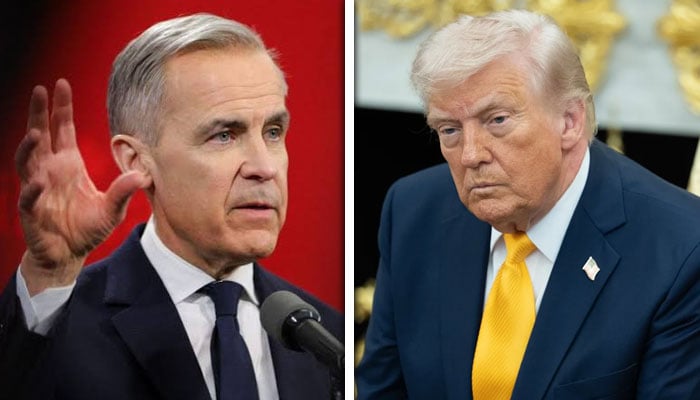
    OTTAWA: Canadian Prime Minister Mark Carney has announced the suspension of trade negotiations with the United States after Washington moved to impose a 50 per cent tariff on certain Canadian imports, escalating tensions between the two North American trading partners. The tariff decision, covering Canadian goods worth an estimated $20 billion, has raised concerns about the future of economic relations between the two countries. The new duties were announced as part of broader US efforts to secure more favourable terms for American trade and address what Washington considers unfair trading practices. The US Customs authorities have also issued guidance regarding the additional duties on selected Canadian products, signalling that businesses on both sides of the border could soon face higher costs and increased uncertainty. US Trade Representative Jamieson Greer said Canada had refused to finalise a trade agreement and continued to take retaliatory measures against American interests. He said Washington had offered Canada more favourable access to the US market but had not received the concessions it expected. The Canadian government, however, has rejected the suggestion that sufficient progress has been made in the negotiations. Carney said the talks had failed to deliver the results required to protect Canadian interests and meet the targets set for his government. “If the United States imposes a 50 per cent tariff, Canada will impose tariffs of equal value,” Carney said, signalling that Ottawa was prepared to respond firmly rather than accept what it considers an unfair trade arrangement. The dispute marks another difficult chapter in the economic relationship between the two neighbours, whose economies are deeply connected through cross-border trade and supply chains. Industries ranging from manufacturing and agriculture to energy and consumer goods could be affected if the tariff measures remain in place. Businesses are now watching closely for signs of further escalation, particularly because higher import duties can increase the cost of products and disrupt established supply chains. The latest development also puts pressure on both governments to return to the negotiating table. While Ottawa has suspended the talks, the economic consequences of a prolonged tariff confrontation could provide an incentive for both sides to seek a compromise. For now, Carney’s announcement has hardened Canada’s position, while Washington’s tariff threat has added fresh uncertainty to one of the world’s most important bilateral trading relationships. The coming days are expected to determine whether the dispute develops into a wider trade confrontation or pushes both sides back toward negotiations.

  • | | |

    Pakistan foreign exchange reserves rise in the fin…

      Pakistan’s foreign exchange reserves recorded a modest increase during the last business week of July, reflecting a slight improvement in the country’s external financial position. According to the latest figures released by the State Bank of Pakistan (SBP), the nation’s total foreign exchange reserves increased by approximately 32.5 million US dollars during the week ending 31 July. With this increase, Pakistan’s total foreign exchange reserves reached 22.47 billion US dollars. Although the weekly rise was relatively small, it is considered a positive development, as foreign exchange reserves play a vital role in maintaining economic stability, supporting international trade, and strengthening investor confidence. Higher reserves enable the country to meet its external debt obligations, finance imports, and manage fluctuations in the value of the Pakistani rupee. The SBP reported that its own foreign exchange reserves rose by 13.1 million US dollars taking the central bank’s holdings to 17.04 billion US dollars by the end of the reporting week. The increase indicates a gradual strengthening of the country’s official reserve position. Central bank reserves are particularly important because they are used to stabilize the foreign exchange market, ensure adequate liquidity for international transactions, and provide a financial cushion during periods of economic uncertainty. In addition to the improvement in the SBP’s reserves, the foreign exchange reserves held by Pakistan’s commercial banks also recorded an increase. According to the data, commercial banks’ reserves rose by 19.4 million US dollars bringing their total holdings to 5.43 billion US dollars. These reserves consist of foreign currency deposits and other external assets maintained by commercial banks to facilitate international trade, foreign currency transactions, and customer requirements. The combined increase in the reserves of both the State Bank and commercial banks contributed to the overall rise in the country’s foreign exchange holdings. While the increase may appear modest in comparison to the total volume of reserves, it demonstrates stability in Pakistan’s external financial sector during the reporting period. Foreign exchange reserves are closely monitored by investors, international financial institutions, and credit rating agencies because they provide an indication of a country’s ability to meet its international financial commitments. A healthy reserve position also supports economic confidence by reducing pressure on the exchange rate and helping the government manage external payment obligations more effectively. Pakistan’s foreign exchange reserves have experienced fluctuations over the past few years due to factors such as external debt repayments, import payments, remittance inflows, export earnings, and financial assistance from international partners. As a result, weekly changes in reserves are often influenced by routine external transactions, repayments, and foreign currency inflows. The latest increase in reserves suggests that Pakistan’s external account remained relatively stable during the final week of July. Economists note that sustaining and further improving reserve levels will depend on continued growth in exports, higher workers’ remittances, prudent fiscal and monetary policies, and the successful implementation of economic reforms. Maintaining adequate foreign exchange reserves remains essential for supporting macroeconomic stability, strengthening investor confidence, and ensuring the country’s ability to meet its international financial obligations in the months ahead.

  • | |

    Capital one defends closure of Trump organization accounts

    Capital One Financial has responded to a lawsuit filed over its decision to close bank accounts linked to the Trump Organization, arguing that the move was based on internal anti-money laundering reviews rather than political or ideological motivations. The bank, in a legal filing submitted on Friday, stated that it closed the accounts following a detailed assessment conducted by its anti-money laundering (AML) specialists. The company argued that the decision was made after months of analysis and was consistent with its internal policies as well as regulatory requirements. The filing represents the first time a major bank has publicly connected concerns related to money laundering risks with its decision to end a banking relationship involving the Trump family business. However, Capital One clarified that it has never accused the Trump Organization of committing illegal money laundering activities. Instead, the bank said that the account closures were the result of routine compliance procedures. Capital One argued that documents presented in the case, along with the plaintiffs’ own claims, demonstrate that the decision was related to AML concerns rather than any attempt to discriminate against the company because of political beliefs. The dispute began after Capital One informed the Trump Organization in March 2021 that it planned to close more than 300 accounts associated with businesses connected to former U.S. President Donald Trump. The Trump Organization and Eric Trump, Trump’s son, later filed a lawsuit in March 2025 in a Florida federal court, claiming that the bank had unfairly “debanked” them because of political pressure and what they described as the company’s “woke” policies. The lawsuit alleged that Capital One’s decision was influenced by the political environment following the January 6, 2021, attack on the U.S. Capitol. The plaintiffs argued that the bank wanted to distance itself from Trump and his supporters during a period of intense public and political scrutiny. A federal court in Miami has already dismissed two versions of the complaint but allowed the plaintiffs opportunities to revise and submit updated claims. Capital One argued in its latest filing that the amended complaint continues to contain the same weaknesses as earlier versions and fails to establish evidence of unlawful discrimination. The bank accused the Trump Organization of presenting selective information and relying on statements taken out of context. Capital One maintained that the allegations of political motivation were unsupported and ignored the broader circumstances behind the account closures. According to the bank’s filing, certain transaction patterns identified during its review matched types of activities that federal banking authorities commonly recognize as requiring additional examination. Capital One said its AML team followed established procedures before reaching the decision to terminate the accounts. The legal battle comes during a broader political debate in the United States over the issue of “debanking,” with some conservatives accusing financial institutions of unfairly targeting individuals and organizations because of their political views. During his second presidential term, Trump’s administration has criticized such practices and taken steps aimed at preventing what it describes as discriminatory banking decisions. The controversy has also involved other major financial institutions. Trump previously filed a lawsuit against JPMorgan Chase, making similar allegations regarding political discrimination. During his first term in office, Trump also took legal action against Capital One and Deutsche Bank in an effort to prevent the release of his financial records to Congress. The case continues to highlight the growing tension between banking compliance practices, political concerns, and the debate over whether financial institutions should have broader restrictions on ending relationships with controversial clients.

Leave a Reply

Your email address will not be published. Required fields are marked *