senate seeks intervention

Senate seeks PM intervention over Khairpur Dates Research Centre

Islamabad: A major agriculture research project aimed at improving Pakistan’s date production has faced a setback after the proposed Dates Research Centre in Khairpur was excluded from the Public Sector Development Programme 2026 and 2027, prompting the National Assembly Standing Committee on National Food Security and Research to demand immediate reconsideration of the decision.

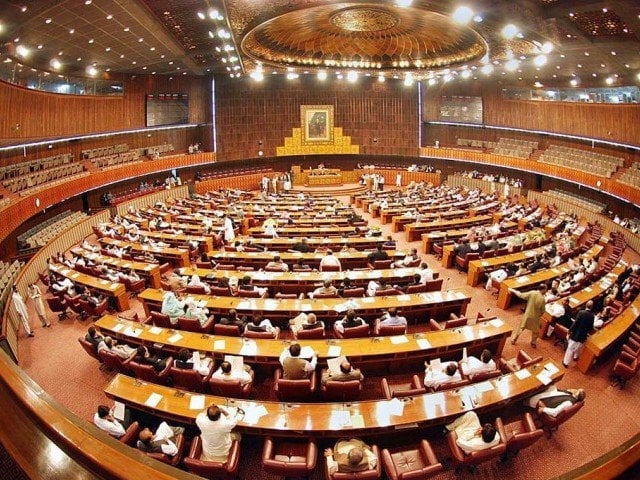
The committee expressed concern that a project designed to improve date farming, develop disease-resistant varieties, increase exports and support farmers was left out due to financial limitations. The matter was discussed during the 29th meeting of the National Assembly Standing Committee on National Food Security and Research, chaired by Syed Hussain Tariq, MNA, at Parliament House Islamabad.

Officials informed the committee that the joint project of the Pakistan Agricultural Research Council and Shah Abdul Latif University Khairpur for establishing the Dates Research Centre could not be included in the PSDP 2026 and 2027 because of limited financial resources.

The Ministry of Planning, Development and Special Initiatives informed the committee that the Ministry of National Food Security and Research had prioritized only three new development schemes for inclusion in the national development programme, leaving several important projects outside the plan.

The committee strongly disagreed with the decision and highlighted the importance of the dates sector for Pakistan’s agriculture and economy. Members noted that Pakistan is among the leading date producers, and a dedicated research centre could help farmers increase production, fight crop diseases, improve quality, develop new varieties and boost the country’s share in international markets.

The committee directed the Ministry of National Food Security and Research to formally approach the Ministry of Planning and request a review of the decision. The committee also decided to seek a meeting with the Prime Minister to discuss establishing the Dates Research Centre through cooperation between the Pakistan Agricultural Research Council and Shah Abdul Latif University Khairpur.

During the proposed meeting with the Prime Minister, the committee also plans to discuss other major agriculture challenges including wheat imports, setting a fair minimum support price for wheat, providing DAP fertilizer subsidies similar to regional countries and investigating reasons behind wheat shortages despite earlier reports of surplus stocks.

The committee said agricultural development requires long term planning and research facilities to support farmers and improve food security. The meeting also reviewed concerns regarding artificial sweeteners and flavored drinks, especially their possible health effects on children, pregnant women and breastfeeding mothers.

Officials informed the committee that earlier recommendations were made after findings from the National Institutes of Health highlighted possible health risks linked with excessive consumption of such products. The committee was informed that frequent consumption of artificial sweeteners and flavoured drinks may contribute to health problems, including an increased risk of diabetes and other serious diseases.

The committee expressed dissatisfaction over delays in implementing earlier recommendations and directed the Pakistan Standards and Quality Control Authority to urgently review existing regulations. PSQCA was directed to hold a meeting in Islamabad involving committee members, health officials, NIH representatives, mango growers and other stakeholders.

The committee instructed that revised standards should include clear product labels, prevention of misleading claims, visible health warnings, proper expiry date information, suitable fruit pulp requirements and regulations for plastic bottle usage. The National Institutes of Health was also directed to provide scientific evidence regarding health impacts and international guidelines to help improve the regulatory framework.
Similar Posts

  • | |

    Hafiz Naeem announces nationwide strike on Septemb…

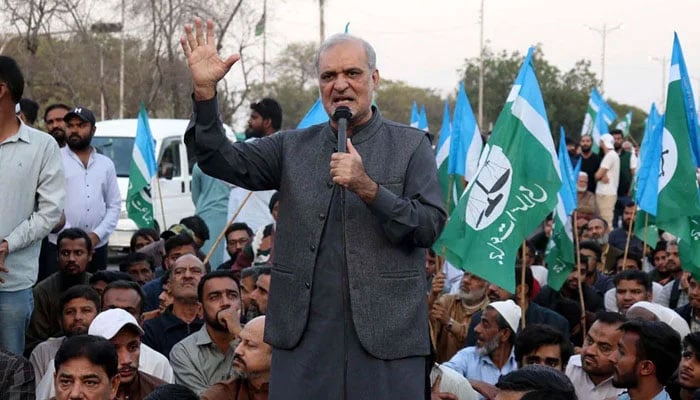
    Jamaat-e-Islami chief Hafiz Naeemur Rehman has announced a nationwide strike on September 3, saying he will visit different cities to persuade traders to join the party’s ongoing protest movement. Addressing a press conference in Lahore, Hafiz Naeem said the party would hold a major public gathering in Faisalabad on Friday, followed by another gathering in Lahore and then Peshawar. He said he would also meet industrialists and traders in Faisalabad to discuss their concerns and encourage them to participate in the movement. He announced that sit-ins would also begin in Quetta from the following day. Hafiz Naeem said the protests and sit-ins would continue until the government accepted the party’s demands. He added that consultations were under way over a possible call for a march towards Islamabad. The Jamaat chief said the party was not yet formally announcing a wheel-jam strike, but expressed the view that the September 3 strike could eventually turn into a complete shutdown. He strongly criticised prolonged power outages across the country and questioned who would be held responsible for the situation. He said ending load-shedding was among the key demands of the protest movement. He also demanded the withdrawal of fixed charges imposed on electricity bills and called for the immediate termination of agreements with independent power producers. Hafiz Naeem accused the government of burdening citizens with rising fuel and electricity costs. He said gas shortages had also reached alarming levels, despite consumers paying high prices for the commodity. Criticising the government’s taxation policies, he alleged that authorities were focused on collecting taxes while businesses were being pushed towards closure. He accused government officials of enjoying expensive facilities at the expense of ordinary citizens. The Jamaat chief warned that if the levy and so-called “bhatta tax” were not withdrawn, no one would be able to stop a mass public movement. He further alleged that the government had been formed through what he described as a “Form 47” mandate and claimed that the party’s protests had exposed irregularities involving diesel pricing. According to Hafiz Naeem, additional refinery charges were being imposed on locally produced diesel, further increasing the burden on consumers and businesses. He also raised questions over the deaths of 14 children in the fire at Pakistan Institute of Medical Sciences (PIMS), demanding accountability over the incident and criticising the hospital’s administration. The Jamaat chief also accused the country’s three major political parties of engaging in what he described as a political “noora kushti”, alleging that they were creating the appearance of confrontation while avoiding substantive action. Hafiz Naeem said Jamaat-e-Islami would continue its campaign until its demands were addressed and urged traders, industrialists and citizens to join the protest movement.

  • | |

    Sindh University VCs seek extensions as tenures ne…

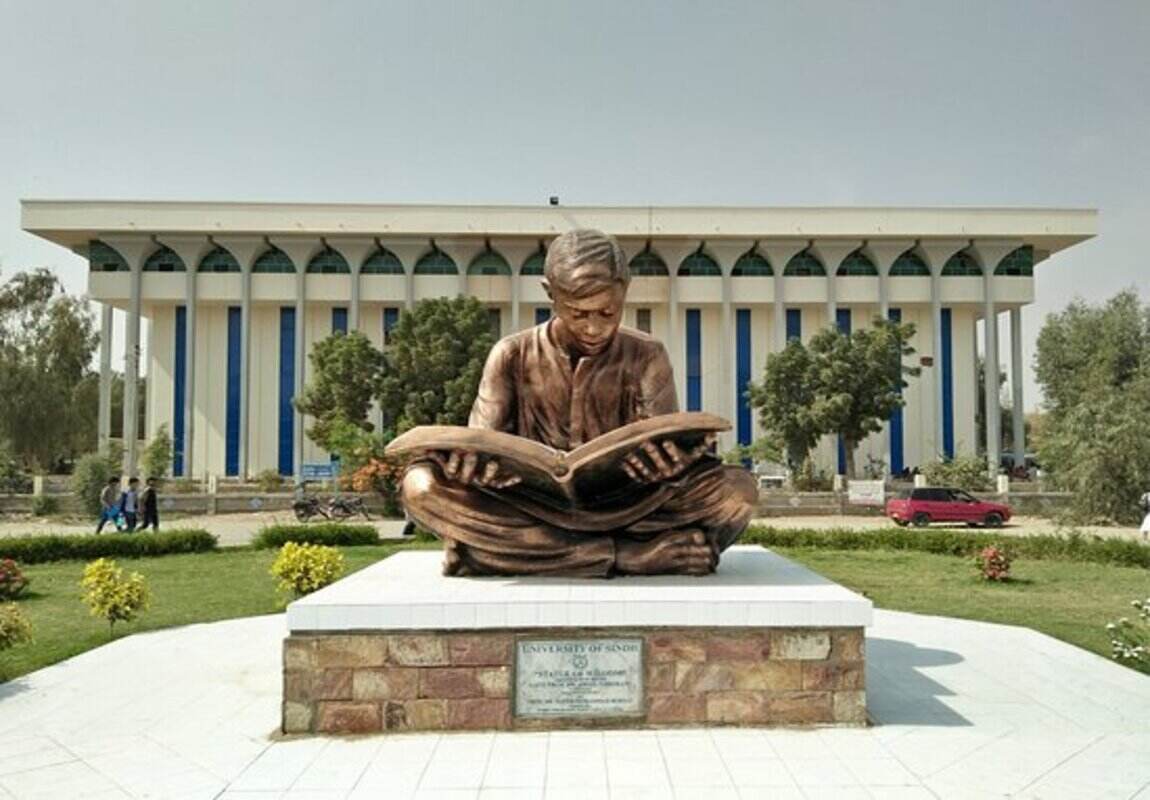
    ISLAMABAD: The extension of the tenure of Professor Dr Nusrat Shah, Vice Chancellor of Shaheed Mohtarma Benazir Bhutto Medical University (SMBBMU), Larkana, has reportedly prompted vice chancellors of several public-sector universities across Sindh to seek extensions as their first terms approach completion. According to sources, the first four-year terms of vice chancellors at eight government universities are set to expire over the coming months. Almost all of the serving VCs, except one, are reportedly seeking second terms. Nusrat Shah’s extension case reaches CM House Sources in the Sindh Chief Minister’s House said that a summary seeking an extension for Dr Nusrat Shah has been forwarded to the Chief Minister of Sindh. Dr Nusrat Shah’s current four-year term is scheduled to expire on January 1, 2027. She is the daughter of former Sindh chief minister Syed Qaim Ali Shah. Sources said her extension case has gained considerable attention and may receive approval. The development has reportedly encouraged other vice chancellors whose terms are also nearing completion to pursue extensions. One extension approved so far The Sindh government has so far approved an extension only for Dr Amjad Siraj Memon, Vice Chancellor of Jinnah Sindh Medical University. Sources said extension cases of Dr Khalid Iraqi and Dr Farooq Hassan have been rejected. Other VCs seeking second terms   Several other vice chancellors are also approaching the end of their first terms: Dr Ikramuddin Ujan — Vice Chancellor, Liaquat University of Medical & Health Sciences, Jamshoro. His term expires on January 1, 2027. His extension case is reportedly complicated by allegations concerning the awarding of multiple gold medals to his son at the university. Dr Zahid Hussain Khand — Vice Chancellor, Aror University of Art, Architecture, Design and Heritage, Sukkur. His term expires on January 19, 2027. Arbela Bhutto — Vice Chancellor, Shaheed Allah Buksh Soomro University of Art, Design and Heritages. Her term expires on January 19, 2027. Dr Asif Sheikh — Vice Chancellor, IBA Sukkur. His term expires on January 19, 2027. Dr Taha Hussain — Vice Chancellor, Mehran University of Engineering and Technology. His term is due to expire in mid-March 2027. Tahmina Nangraj — Vice Chancellor, Begum Nusrat Bhutto Women University, Sukkur. Her term expires on January 19, 2027.  Dr Samreen Hussain — Vice Chancellor, Dawood University of Engineering and Technology, Karachi. Her term expires in January 2027. Sources said summaries seeking extensions for several of these vice chancellors are expected to be forwarded to the Chief Minister’s House in the coming weeks. Test for Sindh government The growing number of extension requests is likely to pose a fresh challenge for the Sindh government and the Chief Minister, who exercises an important role in the appointment and continuation of leadership at public universities. The decisions are expected to be closely watched, with the candidates’ performance, administrative record, political affiliations and any controversies surrounding their tenures likely to come under scrutiny. The outcome of these cases could also shape the leadership of Sindh’s public-sector universities for the next several years.

  • |

    KP launches digital transformation policy & roadmap 2030 to accelerate e-governance

    PESHAWAR: Chief Minister Khyber Pakhtunkhwa Muhammad Suhail Afridi has officially launched the Khyber Pakhtunkhwa Digital Transformation Policy and Roadmap 2030, describing it as a landmark initiative aimed at establishing transparent governance, improving public service delivery, and building a sustainable digital economy across the province. Speaking at the launch ceremony at the Chief Minister’s House in Peshawar, the chief minister said the policy is among Pakistan’s most comprehensive digital transformation frameworks and provides a long term roadmap for modernising governance through innovation, technology, and digital reforms. He said the provincial government is committed to implementing the vision of “Digital Khyber Pakhtunkhwa” and praised the Khyber Pakhtunkhwa IT Board and other stakeholders for preparing the roadmap through extensive consultations, international best practices, and future-oriented planning. The Digital Transformation Policy and Roadmap 2030 is built on five strategic pillars, nine core objectives, 32 thematic domains, and 915 strategic interventions. It includes clear implementation timelines, institutional responsibilities, and a comprehensive monitoring framework to ensure effective and sustainable execution. The chief minister said the introduction of paperless governance and digital reforms would significantly improve transparency, accountability, efficiency, and service delivery. He added that reducing human intervention in administrative processes would strengthen merit, transparency, and accountability. Under the roadmap, public services will be digitised in phases and made citizen centric, enabling people to access government services and information through a single digital platform. The initiative is also expected to reduce unnecessary visits to government offices, particularly benefiting residents of remote areas. Highlighting the importance of artificial intelligence and emerging technologies, Afridi said the government would equip more than 100,000 young people with AI and advanced digital skills, creating new opportunities in employment, freelancing, entrepreneurship, and investment while strengthening the provincial economy. He added that digitisation would not only improve governance but also reduce government expenditure, ensure more efficient use of public resources, minimise paper consumption, and contribute to environmental protection through greener administrative practices. Referring to the province’s fiscal performance, the chief minister said the government collected Rs150 billion in revenue during the previous fiscal year against a target of Rs129 billion, without imposing any new taxes. For the current fiscal year, the revenue target has been set at Rs180 billion, with expectations of reaching Rs200 billion through improved governance and financial management. During a detailed briefing, officials informed participants that the policy also includes measures to promote green ICT procurement, environmentally sustainable digital infrastructure, carbon footprint reduction, and the establishment of a carbon credit registry to support Khyber Pakhtunkhwa’s transition towards a modern and environmentally responsible digital economy. In line with the policy’s digital-first approach, the roadmap has not been issued as a printed publication. Instead, all policy documents have been made available through a QR code, demonstrating the government’s commitment to digital accessibility and paperless governance.

  • | |

    Jamaat-e-Islami announces nationwide protest again…

    Jamaat-e-Islami (JI) Emir Hafiz Naeem Ur Rehman has announced a nationwide protest against the petroleum levy on Friday, August 7, urging citizens across Pakistan to participate in what he described as a decisive demonstration against rising fuel taxes and worsening economic conditions. According to a statement issued from the party’s headquarters in Mansoorah, preparations for the nationwide campaign have entered their final phase. Jamaat-e-Islami leaders and workers are actively engaging with communities through corner meetings, public awareness campaigns, and outreach efforts aimed at mobilizing citizens for the protest. Hafiz Naeem Ur Rehman said the demonstrations are not driven by political interests but are intended to represent the concerns of ordinary Pakistanis struggling with inflation, unemployment, and what he called an unbearable tax burden. He maintained that the movement seeks economic relief for the public rather than political gain. The JI chief announced that he will address a women’s protest rally on August 6 at Wahdat Road in Lahore, organized by the party’s women’s wing. He said women would also raise their voices against government economic policies and support the campaign demanding relief from rising living costs. Appealing directly to the country’s youth, Hafiz Naeem urged motorcyclists to join the demonstrations on August 7 and participate peacefully. He stated that protesters would stage sit-ins on major highways and temporarily block roads connecting districts to press the government to address public demands. However, he emphasized that emergency vehicles, including ambulances and rescue services, would be allowed to pass without obstruction. The Jamaat-e-Islami leader also warned the government against interfering with citizens’ constitutional and democratic right to peaceful protest. He said any attempt to suppress the demonstrations would be the responsibility of the authorities. Hafiz Naeem Ur Rehman called on the government to immediately abolish the petroleum levy, review expensive agreements with Independent Power Producers (IPPs), eliminate electricity load-shedding, and implement effective measures to control inflation. He added that the party’s peaceful protest movement would continue until what he described as unjust economic policies are reversed. The planned demonstrations are expected to take place across multiple cities and districts, making them one of Jamaat-e-Islami’s largest nationwide protest campaigns focused on economic issues and public relief in recent months.

  • | |

    Shifa specialists join Imran’s eye assessment

    The Pakistan Institute of Medical Sciences (PIMS) has confirmed that two specialists from Shifa International Hospital were involved in the eye examination of former prime minister and PTI founder Imran Khan. According to a statement issued by PIMS on Saturday, Imran Khan was brought to the Islamabad hospital during the night between August 20 and 21 for a medical examination and treatment. The institute said the ophthalmological assessment was carried out with the participation of two Shifa International specialists. Other required examinations were conducted by doctors at PIMS. PIMS said the findings from the eye assessment were reviewed alongside the results of investigations conducted by its own medical specialists. A medical board consisting of PIMS doctors subsequently compiled the overall medical fitness report. However, the institute said it would not make the contents of the medical report public. PIMS cited patient confidentiality as well as directions issued by the Supreme Court of Pakistan for withholding the details of the report. The clarification comes amid controversy over the treatment and medical care being provided to Imran Khan, who is currently detained at Adiala Jail. Earlier this week, the Supreme Court had directed that Imran Khan be shifted to Shifa International Hospital for treatment for several days. The court also ordered the government to facilitate weekly meetings between him and his family. The Supreme Court further directed authorities to provide access to Imran’s personal physician, Dr Faisal Sultan. It ordered the formation of a medical board that would include an ophthalmologist, general physician and cardiologist, along with Dr Sultan. The government subsequently filed a review petition against the court’s order, describing the decision as discriminatory. Confusion arose later when reports suggested that Imran Khan was being moved from Adiala Jail to Shifa International Hospital. Information Minister Attaullah Tarar later said that the former prime minister had instead been taken to PIMS because of security concerns surrounding Shifa Hospital and the route leading to it. Tarar said doctors from Shifa International were also present during the medical examination at PIMS. After the examination, Imran Khan was declared medically fit and taken back to Adiala Jail. The development has drawn further attention from PTI and Imran Khan’s family, who have repeatedly raised concerns about his health and medical treatment. Imran Khan’s sister, Dr Uzma Khan, also spoke publicly after meeting him and alleged that he was facing severe injustice and mistreatment.

  • | |

    Medical colleges lower passing marks as seats rema…

    ISLAMABAD: A proposal to reduce the passing threshold for medical college admissions to 50 percent has emerged amid concerns over vacant seats despite efforts to lower merit requirements. The matter was discussed during a meeting of the National Assembly’s Standing Committee on National Health Services, chaired by MNA Mahesh Kumar. The committee also examined complaints alleging that some medical colleges were charging fees above the permitted limit. Committee Chairman Mahesh Kumar said medical colleges are allowed to charge annual fees of up to Rs1.8 million. He directed officials to provide details of institutions allegedly collecting higher fees from students. The chairman also questioned why seats were still remaining vacant after merit requirements had already been relaxed. He suggested that the passing marks could be set at 50 percent and that the proportion of difficult questions in the Pakistan Medical and Dental Council’s entrance examination could also be reviewed. Federal Health Minister said 61 medical colleges had applied for permission to increase their fees. However, he clarified that colleges cannot raise fees independently and that only 35 of the 61 institutions had fulfilled the required conditions for a fee increase. Colleges failing to meet the prescribed criteria would not be permitted to charge higher fees. The President of the PMDC informed the committee that notices had been issued to medical colleges against which complaints of excessive fee collection had been received. Committee member Mustafa Kamal said vacant seats were also a concern for the authorities, but argued that high fees alone could not explain the situation. He pointed out that colleges charging around Rs3.5 million had not faced vacant seats, suggesting that other factors may also be contributing to the problem. The PMDC president further informed the committee that 468 additional seats had been approved for government medical colleges in Punjab, while 315 seats had been added for students from the former FATA region. When the committee chairman asked about an increase in medical seats in Sindh, the PMDC president said no additional seats had been allocated because the province had not submitted an application for an increase.

Leave a Reply

Your email address will not be published. Required fields are marked *