spain accuses allies
| |

Spain accuses EU allies of ‘selfish’ r…

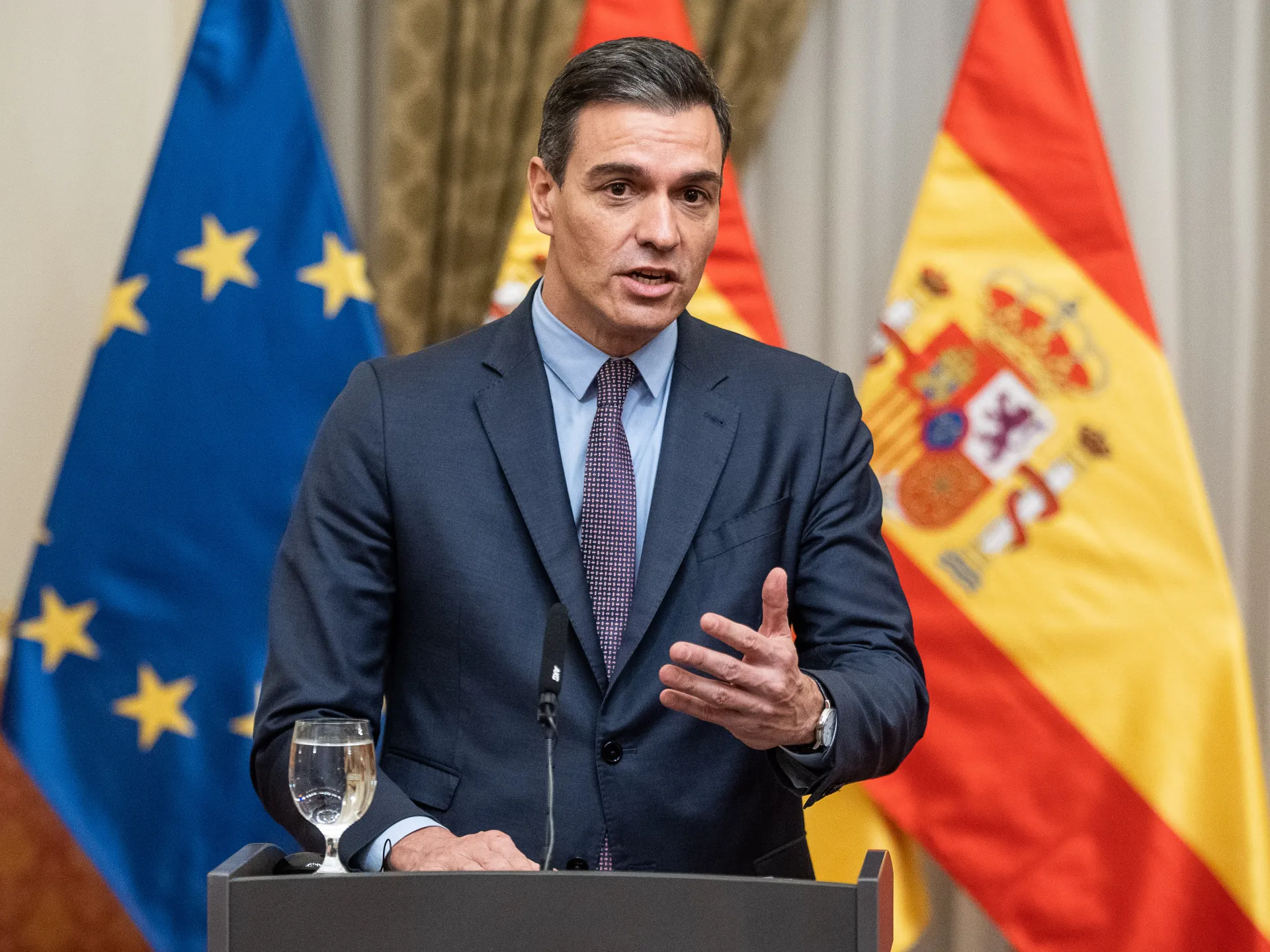
Spain has accused several European Union governments of a selfish and unlawful reaction after nearly 60,000 migrants crossed into the Spanish enclave of Ceuta from Morocco, triggering a wave of statements from EU member states calling for tighter border restrictions.

Prime Minister Pedro Sanchez, in a letter addressed to European Commission President Ursula von der Leyen, described the response from unnamed member states as selfish, polarizing and unlawful. According to a report by the British broadcaster, Sanchez said Madrid had restored order within 48 hours, returning most of the migrants to Morocco and preventing them from reaching mainland Europe.

The diplomatic dispute was triggered largely by Italy’s response, which included a temporary suspension of visa free travel with Spain under the Schengen arrangement, along with pointed criticism accusing Madrid of encouraging human trafficking by granting citizenship to more than 500,000 people who had entered the country irregularly.

Italian Foreign Minister Antonio Tajani wrote on social media that he supports closing the Schengen area to Spain and expressed confidence in the actions of Italy’s interior minister, Matteo Piantedosi. He said uncontrolled and irregular immigration represents a threat to national security, and argued that the situation unfolding in Ceuta demonstrates how Spain’s decision to naturalize large numbers of irregular immigrants was fundamentally wrong and only encourages trafficking.

Italy was not alone in calling for a tougher stance. Czech Prime Minister Andrej Babis went further, calling for Spain to be suspended immediately from the 29 member Schengen arrangement. Finland and Denmark also voiced support for stricter border controls in response to the crisis.

Notably, Ceuta itself lies outside the Schengen zone, meaning the enclave is not directly governed by the same free movement rules at the center of the diplomatic dispute between Madrid and its European partners.

The clash highlights long standing tensions within the European Union over how to handle migration pressure at its external borders, an issue that has repeatedly strained relations between member states with differing approaches to asylum policy, border enforcement and integration in recent years.


Similar Posts

  • |

    Kashmir activist and journalist released on bail after years in custody

    Indian authorities have released Kashmiri human rights activist Khurram Parvez and journalist Irfan Mehraj on bail after they spent years in custody under terrorism related charges. Their families confirmed that both men were released from a prison in New Delhi late on Wednesday following a court order, although strict bail conditions will keep them in the capital while their trial continues. Parvez, a well known human rights defender and programme coordinator of the Jammu Kashmir Coalition of Civil Society, was arrested by India’s National Investigation Agency in November 2021 from his home in Srinagar. Mehraj, a freelance journalist who also worked with the same rights organisation, was arrested in 2023. Both men have been charged under India’s anti terrorism laws with allegedly financing terrorism and promoting separatist activities. The legislation allows authorities to detain suspects for long periods without trial and has frequently been criticised by rights organisations for its broad powers. Although they have now been granted bail, their freedom remains limited. Court conditions require both Parvez and Mehraj to stay in New Delhi during the legal proceedings. They are not permitted to return to Kashmir and must arrange their own accommodation in the capital while attending court hearings. Indian investigators had challenged the decision to grant bail, but a higher court upheld the order. The Jammu Kashmir Coalition of Civil Society has spent many years documenting alleged human rights violations in the region. The organisation has published reports on cases involving torture, unlawful killings, enforced disappearances, and unmarked graves in areas affected by the long running conflict. Its work has often drawn international attention and placed it at the centre of debates over human rights in Kashmir. Parvez has received support from several international human rights organisations that have repeatedly called for his release. In 2023, the United Nations Working Group on Arbitrary Detention described his arrest as retaliation for his human rights activities. The UN experts said the detention appeared intended to silence both Parvez and wider civil society efforts in Kashmir. The case has also renewed attention on press freedom in the region. Journalists working in Indian administered Kashmir have reported increasing restrictions, surveillance, and legal action since the Indian government revoked the region’s special constitutional status in 2019. Several media workers and activists say they have faced questioning, arrests, or pressure while reporting on political and security issues. The Indian government maintains that its actions are necessary to combat terrorism and protect national security. Officials argue that the anti terrorism laws are an essential tool in dealing with militant groups operating in the region. However, critics say the legislation has increasingly been used against journalists, activists, and civil society members who peacefully document human rights concerns. Government figures show that more than 3,600 people were arrested under anti terrorism laws in Kashmir between 2019 and 2023. More than half of those detained remain in prison while awaiting legal proceedings, highlighting concerns over lengthy pre trial detention. The release of Parvez and Mehraj has been welcomed by rights advocates, but legal proceedings against both men continue. They will remain in New Delhi under the conditions set by the court until their trial reaches its conclusion. Their cases are expected to remain closely watched by international human rights organisations and press freedom groups as they continue to raise concerns about civil liberties and legal protections in Indian administered Kashmir.

  • | | | |

    Two Chinese oil tankers safely cross Bab el-Mandeb…

    RIYADH: Two Chinese supertankers carrying Saudi crude oil have safely passed through the Bab el-Mandeb Strait, despite growing security concerns following the Houthi movement’s recently announced naval blockade targeting Saudi-linked shipping. According to international media reports and shipping data, the vessels successfully navigated one of the world’s busiest maritime chokepoints, even as commercial shipping across the region faces mounting disruption due to escalating tensions in the Middle East. The two tankers departed earlier this week from Saudi Arabia’s Yanbu Port, transporting crude oil to China. Maritime tracking data indicated that both ships identified themselves as carrying Chinese crews, a detail analysts believe may have helped reduce the risk of interception while transiting the strategically important waterway. The successful voyage comes at a time when regional shipping routes are under increasing pressure. While the Bab el-Mandeb passage remained open for these vessels, traffic through the Strait of Hormuz has slowed significantly amid heightened geopolitical tensions and security threats. Industry monitoring organizations reported that only one oil tanker crossed the Strait of Hormuz on Thursday, marking the lowest daily traffic recorded since May 7. The sharp decline reflects growing concerns among shipping companies over the safety of vessels operating in the Gulf region. The latest developments follow the Houthis’ announcement of a naval blockade against Saudi shipping, raising fears of further disruptions to global energy supplies. The Red Sea and nearby waterways serve as vital corridors for international trade, with millions of barrels of crude oil passing through them every day. Maritime security experts say shipping companies are increasingly reassessing routes, insurance coverage, and operational risks as tensions continue to rise. Some firms have warned that insurance policies for vessels operating in high-risk conflict zones could become more expensive or even be withdrawn if security conditions deteriorate further. Although the two Chinese tankers completed their journey through Bab el-Mandeb without incident, analysts caution that the broader security situation remains highly volatile. Any escalation involving key maritime routes could have significant consequences for global oil markets, freight costs, and international supply chains. The safe passage of the vessels offers temporary reassurance for energy markets, but observers note that commercial shipping in the region remains vulnerable as geopolitical tensions persist. Governments, shipping operators, and energy traders are closely monitoring developments, with particular attention focused on the strategic waterways that connect the Gulf to global markets.

  • | |

    Infrastructure development projects announced acro…

    ISLAMABAD: Federal Minister for Communications Abdul Aleem Khan has highlighted a series of ongoing and planned infrastructure projects aimed at improving connectivity, boosting trade and promoting tourism across Gilgit-Baltistan, Azad Jammu and Kashmir, Punjab, Sindh and Balochistan. Speaking at a ceremony held to honour police martyrs, the minister said the proposed extension of the Murree Expressway to Muzaffarabad will provide modern travel facilities, while the MNJC Motorway will offer an alternative route to the Karakoram Highway, strengthening Pakistan’s strategic road link with China. He said the Sialkot-Kharian-Rawalpindi Highway will reduce the distance between Islamabad and Lahore by around 100 kilometres and cut travel time by more than an hour. In Karachi, he noted that the M-10 and Lyari Expressway are improving cargo movement from the city’s port, while construction on the M-6 Motorway is expected to begin soon. Aleem Khan added that work is progressing on the Guru Nanak Expressway, which will connect Kartarpur with Nankana Sahib to promote religious tourism and facilitate Sikh pilgrims from around the world. He also said infrastructure development is advancing on tourist routes in Gilgit, the N-25 Highway is expected to be completed next year, and the M-8 Motorway projects in Balochistan will strengthen regional connectivity and cross-border trade with Iran. Paying tribute to police martyrs, the minister described their sacrifices as a lasting symbol of courage and praised the Motorway Police for their professionalism. He announced plans to establish modern police stations, dedicated parking areas and emergency ambulance services near toll plazas to improve the safety of patrolling officers. Aleem Khan also highlighted the National Highway Authority’s financial progress, saying its revenue has increased from Rs66 billion in 2024 to more than Rs127 billion in 2026. He said the improved financial position has enabled Pakistan to expand its motorway and highway network using domestic resources without relying on external funding. Inspector General of Motorway Police Sultan Ahmad Chaudhry also paid tribute to the fallen officers, reaffirming the department’s commitment to supporting the families of martyrs and honouring their sacrifices.

  • | |

    France wildfires force 150,000 to evacuate amid he…

    A relentless heatwave has triggered massive wildfires across southwestern France, forcing around 150,000 people to evacuate as flames swept through forests and threatened homes in one of the country’s most popular tourist destinations. French authorities ordered the complete evacuation of Cap Ferret, a renowned coastal resort, after fast-moving fires engulfed nearly 47,000 acres of forest. Officials said more than 100 homes had been damaged as firefighters continued battling the blaze under extreme weather conditions. The rapidly spreading fire has prompted an extensive emergency response, with President Emmanuel Macron directing the French military to assist firefighting teams in containing the flames and protecting nearby communities. The crisis has also spread beyond France. In neighboring Spain, authorities declared the country’s first-ever national emergency over a wildfire near Madrid, highlighting the growing impact of the ongoing heatwave across southern Europe. According to media reports, the Spanish wildfire has destroyed more than 43 homes, while approximately 19,000 residents living in mountainous areas west of Madrid were ordered to evacuate. More than 2,000 emergency personnel, supported by 10 firefighting aircraft, have been deployed to contain the flames. Officials warned that soaring temperatures, dry vegetation and strong winds have created ideal conditions for wildfires, making firefighting operations increasingly difficult. The latest disaster comes only weeks after France experienced one of its deadliest heatwaves in recent years. According to the country’s national public health agency, 21,674 deaths were recorded between June 17 and July 2, compared with an expected 15,910 deaths under normal conditions. The agency said the period saw 5,764 excess deaths—an increase of 36% above normal mortality levels—underscoring the severe health impact of prolonged extreme heat. Climate experts have repeatedly warned that rising global temperatures are increasing the frequency and intensity of heatwaves and wildfires across Europe. As emergency crews continue to battle the blazes in France and Spain, authorities remain on high alert, warning residents that worsening weather conditions could fuel further fires in the coming days.

  • |

    Sherry Rehman opposes debate on new administrative…

    Pakistan Peoples Party (PPP) senior leader and Senator Sherry Rehman has urged political stakeholders to avoid pushing the debate over the creation of new administrative units, arguing that the country currently faces more pressing challenges. Speaking on Geo News programme *Geo Pakistan*, Rehman said she had not seen any formal proposal or draft concerning the creation of new administrative units. She stressed that political leaders should focus on improving governance and resolving public issues through political means rather than opening debates that could further complicate the situation. “We should not take the issue of administrative units any further,” she said, adding that the PPP had yet to receive any concrete proposal on the matter. Rehman also expressed concern over the country’s rising debt and growing government expenditures. She said Pakistan needed to address its economic and governance challenges instead of diverting attention towards issues that lacked a clear and practical framework. Referring to the situation in Khyber Pakhtunkhwa, the PPP leader said the province was facing serious security and political challenges. She maintained that, in her view, this was not the right time to debate the creation of new administrative units. Discussing the broader regional situation, Rehman warned that the conflict in the Middle East continued to spread, with periods of relative calm followed by renewed fighting. She said people across Pakistan wanted diplomatic and mediation efforts to move forward in order to prevent further escalation and promote peace in the region. The senator also pointed to growing international efforts aimed at mediation and conflict resolution. She said those involved in peace initiatives were gradually forming a stronger “peace lobby,” which could counter the influence of groups favouring continued conflict. Rehman further remarked that the United States had initially expected Iran to give way quickly under pressure, but developments had shown otherwise. She said the situation demonstrated the complexity of the regional conflict and the need for sustained diplomatic engagement rather than relying solely on pressure or military options.

  • | | | | |

    Iran issues stark warning to US over ground troops

    TEHRAN: Iran has issued a stark warning to the United States, saying any American ground troops attempting to enter Iranian territory would face fierce resistance. The warning was delivered by Iranian Army Ground Forces Commander Brigadier General Ali Jahanshahi, as tensions between Tehran and Washington remain high and the region continues to watch closely for signs of further military escalation. According to Iranian media reports, Jahanshahi said Iran’s armed forces were fully prepared to respond to any hostile action. He stressed that the country’s ground forces remained at a high state of readiness and were closely monitoring Iran’s borders. The Iranian commander made clear that Tehran would not take any threat to its territory lightly. Any attempt by an enemy to launch military action on Iranian soil, he said, would trigger an immediate and forceful response. The remarks underline Iran’s long-standing position that a direct ground intervention would represent a major escalation. Iranian officials have repeatedly warned that foreign troops entering the country would encounter strong resistance from the country’s armed forces. Jahanshahi also emphasized that Iran’s military units were prepared to respond to a range of potential scenarios. Security measures along the country’s borders, he said, remain active as authorities continue to assess possible threats. The latest warning comes against the backdrop of continued tensions between Iran and the United States, with military developments and diplomatic efforts both shaping the rapidly changing regional situation. For Tehran, the message appears aimed at drawing a clear red line around Iranian territory: while the country may face external pressure, any attempt to send foreign ground forces across its borders would be treated as a direct threat to national security. Analysts say such statements also reflect Iran’s effort to strengthen deterrence and signal military readiness at a time when uncertainty remains over the future course of US-Iran relations. With tensions already running high, any direct military confrontation could have consequences far beyond Iran and the United States, potentially triggering a wider regional crisis. For now, the sharp warning from Iran adds another layer of uncertainty to an already fragile security situation, while international attention remains focused on whether diplomacy can prevent another escalation.

Leave a Reply

Your email address will not be published. Required fields are marked *