talking yourself may

Talking to yourself may boost brain power

Some habits may look strange to other people. Talking to yourself is one of them.  Many people think it shows poor concentration or a weak mind but research suggests that this habit can sometimes have positive effects.

Self talk can support your brain

Talking to yourself can help you organize your thoughts and understand your feelings.  It may also help improve memory focus, and confidence.

A 2012 study found that people who talked to themselves could identify objects in pictures more quickly.  This suggests that saying things out loud may sometimes help the brain focus on what it is looking for.

It may improve self control

Research has also found a possible link between self talk and better self control.  Talking through a problem can help people think before acting and make better decisions.

Self talk may also help people understand themselves better by giving them a chance to think about their feelings plans and problems.

Positive self talk matters

Not all self talk is helpful. Constantly criticizing yourself or using negative words can make you feel worse and may affect your confidence.

Positive and balanced self talk can be more useful. For example reminding yourself to stay calm focus on a task or keep trying can help you manage difficult situations.

So if you sometimes talk to yourself there is no need to feel embarrassed.  When kept positive and balanced this simple habit may help you focus organize your thoughts and understand yourself better.

Similar Posts

  • The Unspoken Pain: A Lexicon of Shame – Infertility in Pashtun Society

    By Dr.Sajjad Ali A suffering pervades the walled villages of Khyber Pakhtunkhwa, and the privacy of the homes in the city, in a language of suffering all distinct. The language of infertility is not the one used in medical textbooks but it is the one that speaks to life and death in Pashtun society. Being a childless woman is being defined by a lexicon of failure here, a failure that runs against the very ethos of Pashtunwali, where a person’s nasl (lineage) and naam (name) is everything. The condition is identical, but the language employed to use it as a weapon against women and men are very different, very vicious. It is a public indictment to her; a silent, emasculating damnation to him. The Woman’s Cross: The Public Indictment The worthiness of a Pashtun woman is arbitrarily squeezed into her reproductive capability. When she drops the one perceived duty, she is not infertile, she is cursed, useless and dangerous. The attack starts with an endless list of names and peghoor (tease). She is a banjh (barren), the most common and heart-breaking epithet. She is a shana (dry, unfruitful tree that bears no fruit). She is khaanch (empty), a hollow vessel with no substance. The elders of the family complain, “Mata plar na laree, khaanch de” (She hasn’t borne him a son, she is empty). Her body is compared to the barren land of Sheera zameena (salty, infertile land) which nothing can grow, or shara (fallow land). The childless woman or the one whose children have died is generally known as a kheeri, which translates as woman of ill omen, bearer of misfortune. She is slightly banned from being present at weddings or cradles (gharay). When a child is sick after the visit, people begin muttering, “Da kheeri da las na ye bimar sho” (After the touch of the kheeri the child fell sick). This spiritual banishment is so devastating! If her husband returns to marriage, or if the family goes bankrupt, she is considered a shamat (a bad omen, a curse to the family) and a manhoos (inauspicious, unlucky). The psychological take-home message is no less horrifying: she is not only failing to give birth; she is an active, evil agent of birthlessness and death and decay. She’s a curse for their existence. The peghoor is available in a dramatic fashion. A mother-in-law would see a hen with chicks and will loudly cry out, “Da charkha ham bachy kawal, khu da adamzad mung na shwe.” (Even this hen hatched chicks, but this human gave us nothing). Neighbours grumble, ‘Khudai da qahar da, cha ta kho pukha na we (She is God’s wrath, she hasn’t ripened for anybody—to mean that she has not become a mother). A cruel comic scene that is often acted out: The guest exclaims the house is a paradise, and the mother-in-law replies, “Kor kho jannat de, khu khaanch de, khoonda raghlay na de” [The house is a paradise, but it is empty, no fragrance has come into it]—singing about the fragrance of a child which reminds her of something she failed to do with her daughter-in-law. This puts her in an economic hostage position. She is a servile slave to make up for her “defect” because of the ever-present unspoken danger of a balka (co-wife). All the money is spent on her own “cure,” which includes dangerous dai (traditional birth attendant) concoctions, expensive visits to taweez-keeping (piir sahib) and futile taweez (amulet) usage. She will wear a tawiz laced with prayers for fertility and she will be made to drink water that has been washed with a dranzay (a special supplication)—her husband’s diagnosis will not even be suspected. This quest devours the family’s resources, everything aimed at the woman who is in a desperate struggle to remain not the family’s shamat. The Man’s Secret: The Silent Emasculation The man feels that the lack of producing babies is not something he has failed to do biologically, but something he has failed to do as a man. He can’t be brought into pity, because if he is, he’s acknowledging that he lost nang (honour). The words he has to say, the words he is not allowed to say, the words he can’t say at all: his torment is a poison that is surrounded by a wall of aggressive denial, but is intended to un-man him. If he is unable to generate a zo-ye (a son), then he is no longer a sar-ye (a man, a leader). His name is a na-mard, the worst of all names, that of a non-man. He is a susra—an utterly impotent, weakling man, a term of maximum contempt. A khassya (castrated bull, eunuch), who has no power and virility. He is a namardanz (an impotent creature). A popular bit of vicious poetry is: “Dwa kalah ye we-weted, khu goly ye na kholay shwe” (“He tried twice, but not a bud was able to blossom for him”, a poetic and mean way of saying that he was unable to start life. His true trial is in the hujra (man’s assembly). The taunt is never a literal arrow, but an arrow of some sort. A story will be told: “Da kala de, cha tofang walwela, khu dasy nese wa, che laande khassia we” (“There’s a man who wields a big rifle, and makes a lot of noise, but inside, he’s a eunuch”). They all laugh, the childless man is forced to laugh loudest, and the white-hot shame is his. The tale is best told in a popular social media comic strip that shows a doctor showing a semen analysis report to a furiously upset husband with a nervous wife looking on: Panel 1: A doctor shows a semen analysis report to a furious-looking husband, with his wife sitting nervously. The Doctor says, “The report reads: azoospermia.The Doctor says, “The report reads azoospermia. Panel 2: A huge, broken speech bubble bursts out of the husband’s mouth: “Tor! Tor! Sta da peghalay!” (“Lies! “It’s your slander!”)

  • Hala fruit explained

    Have you ever seen a fruit that looks like a brain when it’s whole and a bursting planet when it’s opened? That’s the Hala fruit one of the world’s most unusual fruits. The Hala fruit grows in Southeast Asia eastern Australia the Pacific Islands and Hawaii. It is made up of many separate sections called keys or cones giving it a very unique appearance. The fruit comes from the Pandanus tree which includes more than 750 species. A Hala tree can grow up to 14 meters (46 feet) tall. Hala fruit has a sweet and pleasant taste. It can be eaten fresh added to different dishes for extra flavor and is also used in traditional medicine. People have traditionally used the fruit to help relieve headaches and constipation and it is believed to support a healthy immune system. It is also rich in vitamin C making it a nutritious tropical fruit. Growing Hala fruit is not easy. The tree is very sensitive to cold weather and thrives only in warm humid climates where temperatures stay above 18°C (64°F) throughout the year.

  • | | |

    Body fat new study reveals its crucial role in met…

    A new scientific study has highlighted that body fat is much more than a source of extra weight. Researchers say fat tissue functions as an essential organ that helps regulate metabolism, stores energy, and produces hormones needed for the body’s normal functioning. According to the researchers, while excessive body fat is widely associated with conditions such as diabetes and heart disease, having too little body fat can also pose serious health risks. The findings suggest that maintaining a healthy balance of body fat is important for overall metabolic health. The study focused on a rare inherited disorder known as Familial Partial Lipodystrophy Type 2 (FPLD2). People with this condition lose fat from specific parts of the body or experience abnormal fat distribution, increasing their risk of diabetes and other metabolic disorders. A research team led by American endocrinologist Dr. Elif Oral examined patients with the condition and found that affected fat cells develop significant structural and functional abnormalities. These changes can disrupt the body’s metabolism and contribute to a range of health complications. To better understand the disease, scientists created a mouse model in which the Lamin A/C gene was switched off only in fat cells. This is the same gene known to be affected in individuals with FPLD2. The model allowed researchers to closely examine how defects in fat tissue influence the body’s metabolic processes. Researchers believe the findings could improve understanding of rare fat disorders while also opening new avenues for the development of treatments for diabetes and other metabolic diseases. The study reinforces the idea that healthy fat tissue plays a vital role in maintaining the body’s balance and overall well-being.

  • Online Harassment and Cybercrime in Pakistan: High Court Strengthens Protection of Digital Rights

    By Syeda Shehar Bano Bukhari Introduction: The rapid growth of social media and digital communication has transformed how people interact, work, and share information. Platforms such as Facebook, Instagram, TikTok, WhatsApp, and other online services have become an important part of everyday life. However, the expansion of digital spaces has also created new forms of crime, including cyber harassment, online blackmail, identity theft, unauthorized sharing of private information, and the misuse of digital content. In Pakistan, cybercrime has become an increasingly important legal issue. Courts are now required to balance the protection of individuals from online abuse with fundamental rights such as freedom of expression and privacy. Recent judicial rulings have highlighted the need for effective investigation, proper use of digital evidence, and protection of victims of online harassment. Background of the Legal Issue: Online harassment can take many forms. It may involve sending threatening messages, repeatedly contacting a person against their wishes, creating fake social media accounts, spreading private photographs, or publishing false information to damage someone’s reputation.  Women are particularly vulnerable to certain forms of online harassment. In some cases, social media platforms are used to threaten women with the publication of private photographs or videos. Such conduct can cause serious psychological distress and may affect a person’s family relationships, education, employment, and social reputation. The problem becomes more complicated when victims hesitate to report such incidents because of social pressure or fear of further harassment. As a result, many cases of online abuse may remain unreported. Role of the Prevention of Electronic Crimes Act: Pakistan’s main legal framework for dealing with cybercrime is the Prevention of Electronic Crimes Act, 2016 (PECA). The law provides criminal penalties for several forms of unlawful activity carried out through information technology and electronic communication. The law covers offences relating to unauthorized access, interference with information systems, cyberstalking, harassment, identity-related offences, and the misuse of electronic information. Under the legal framework, victims of cyber harassment can approach the relevant authorities and provide evidence such as screenshots, messages, emails, social media links, recordings, and other digital material. Such evidence may assist investigators in identifying the accused and establishing the circumstances of the alleged offence. Importance of Digital Evidence: One of the most important aspects of cybercrime cases is the collection and preservation of digital evidence. Unlike traditional crimes, online offences often leave electronic traces. For example, if an individual repeatedly threatens another person through WhatsApp messages, the victim may preserve screenshots, message records, telephone numbers, and other relevant information. Similarly, if a fake social media account is created to impersonate someone, the account link and associated digital information may become important evidence. However, digital evidence must be properly collected and authenticated. Courts must ensure that evidence presented before them is reliable and has not been manipulated by the offenders in connivance with the authorities. This makes forensic investigation an important part of modern criminal justice. Freedom of Expression and Online Abuse: The regulation of online content also raises questions concerning freedom of expression. Freedom of expression is a fundamental right, provided by the Constitution of Pakistan, 1973, but it is not unlimited and is also restricted. The law may impose reasonable restrictions in certain circumstances, including where speech involves threats, harassment, incitement to violence, or other unlawful conduct. The challenge for courts and law-enforcement authorities is to distinguish between legitimate criticism and unlawful online abuse. For example, a person criticizing a public official’s policies may be exercising freedom of expression. However, repeatedly threatening that official with violence or publishing private information with the intention of causing harm may cross the boundary between protected expression and unlawful conduct. Therefore, effective cybercrime laws must protect both individual safety and legitimate freedom of expression. A Real-Life Example: Consider a situation in which a woman receives repeated threatening messages from an unknown social media account. The person behind the account threatens to publish her private photographs unless she follows certain demands. Such conduct may create fear and psychological pressure. The victim can preserve the messages, take screenshots, record relevant account information, and report the matter to the appropriate authorities. The case demonstrates why awareness of digital rights and legal remedies is important. Victims should know that online harassment is not simply a personal disagreement; depending on the circumstances, it may constitute a criminal offence. Challenges in Cybercrime Investigations: Despite the existence of cybercrime laws, several challenges can affect the investigation and prosecution of online offences. First, offenders may use fake identities or anonymous accounts. Second, digital evidence can be deleted or altered quickly. Third, cybercrime investigations often require specialized technical expertise.  Another challenge is the international nature of the internet. An offender may operate from another country while targeting a victim in Pakistan. In such circumstances, obtaining evidence and identifying the person responsible may require international cooperation. These challenges demonstrate the need for trained investigators, modern forensic laboratories, effective cooperation between institutions, and public awareness. Protection of Victims: Victim protection is an important part of the response to cybercrime. Victims of online harassment may experience anxiety, fear, depression, and social pressure. In cases involving private images or blackmail, the psychological consequences can be particularly severe and damaging. Legal institutions should therefore ensure that victims can report complaints safely and confidentially. Investigations should be conducted professionally, and unnecessary exposure of victims’ private information should be avoided. The justice system should also recognize that victims of cyber harassment may require psychological and social support in addition to legal remedies. Broader Legal Significance: The increasing number of cybercrime cases demonstrates that traditional concepts of criminal law must adapt to technological developments. Crimes committed through digital platforms can cause real-world harm, even when the offender and victim never meet physically. The legal system must therefore develop effective methods for dealing with electronic evidence, online anonymity, cross-border offences, and rapidly changing technology. At the same time, laws should be applied carefully so that legitimate criticism, journalism, and freedom of expression are not unnecessarily restricted. A balanced legal approach is necessary to

  • |

    AI matchmaking helps hundreds find life partners in Japan

    Tokyo- Artificial Intelligence (AI) is now being used for a wide range of purposes around the world including helping people find a life partner. In Japan, AI-powered matchmaking has already helped hundreds of couples get married. Japan has been facing a decline in marriage and birth rates while its aging population continues to grow. To address this issue, local governments have partnered with private companies to introduce AI-based matchmaking systems. The AI analyzes users personalities, values, interests, hobbies and lifestyle preferences to recommend compatible life partners. An AI-powered matchmaking app was launched in September 2024 to make it easier for people seeking marriage to find a suitable lifelong partner. To use the app, users must provide verified proof of identity, confirm that they are legally unmarried, submit income-related documents and complete an online interview before joining the platform. According to Japanese authorities, the technology has encouraged more people especially young adults to consider marriage. Previously, many young people showed little interest in traditional matchmaking services. Officials say the program has contributed to an increase in marriages in several Japanese cities. Its primary goal is to help boost Japan’s declining birth rate with the government introducing various initiatives to encourage marriage. Experts note that while AI cannot decide relationships on its own, it can help remove barriers and make it easier for people to find compatible life partners.

  • Danger signs your air conditioner needs repair

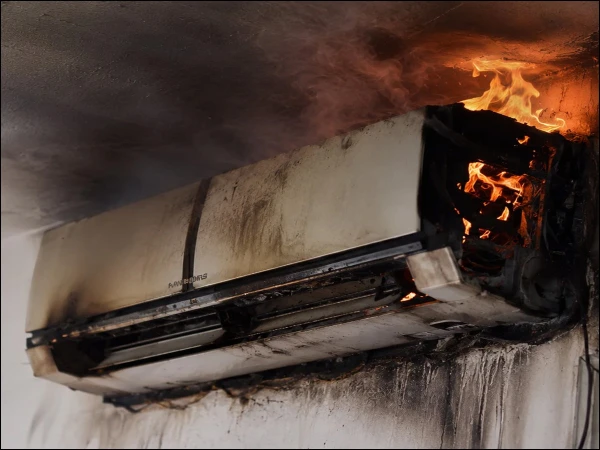
    As temperatures rise many people buy old or low cost air conditioners to save money. However experts warn that aging AC units can become dangerous if problems are ignored.  Small faults may turn into serious issues including electrical short circuits fires or costly damage. According to experts older air conditioners often develop worn out wiring damaged electrical parts faulty motors and overheating. These problems may seem minor at first but can become dangerous if they are not repaired in time. One of the biggest warning signs is a burning smell or the odor of melted plastic when the AC is switched on.  Experts say this could mean the internal wiring motor or insulation has been damaged increasing the risk of fire. If this happens turn off the unit immediately and have it checked by a qualified technician. Unusual sounds such as rattling grinding or loud noises are also signs that something is wrong. These noises may be caused by a loose part a damaged fan or a compressor problem.  Ignoring them could lead to a complete system failure. If the air conditioner becomes unusually hot while running it may indicate an electrical fault inside the unit.  Overheating can increase the risk of a short circuit or fire making immediate inspection and repair important. Experts also advise not to ignore weak cooling. Reduced cooling may be caused by low refrigerant a faulty compressor or a clogged air filter.  These issues usually mean the AC needs servicing or repairs. Another serious warning sign is seeing sparks near the voltage stabilizer or electrical wires. This may indicate loose connections or damaged wiring, which can quickly become a fire hazard if not fixed. Experts recommend turning off the air conditioner immediately if you notice any of these warning signs and contacting a qualified technician for a full inspection.  Timely repairs can help prevent bigger damage and keep your home and family safe. They also advise that if an air conditioner keeps breaking down and needs frequent repairs replacing it with a newer safer and more energy efficient model may be a smarter and more cost effective choice.

Leave a Reply

Your email address will not be published. Required fields are marked *