thai prime minister

Thai Prime Minister And Chinese President Conclude High-level Shanghai Meeting

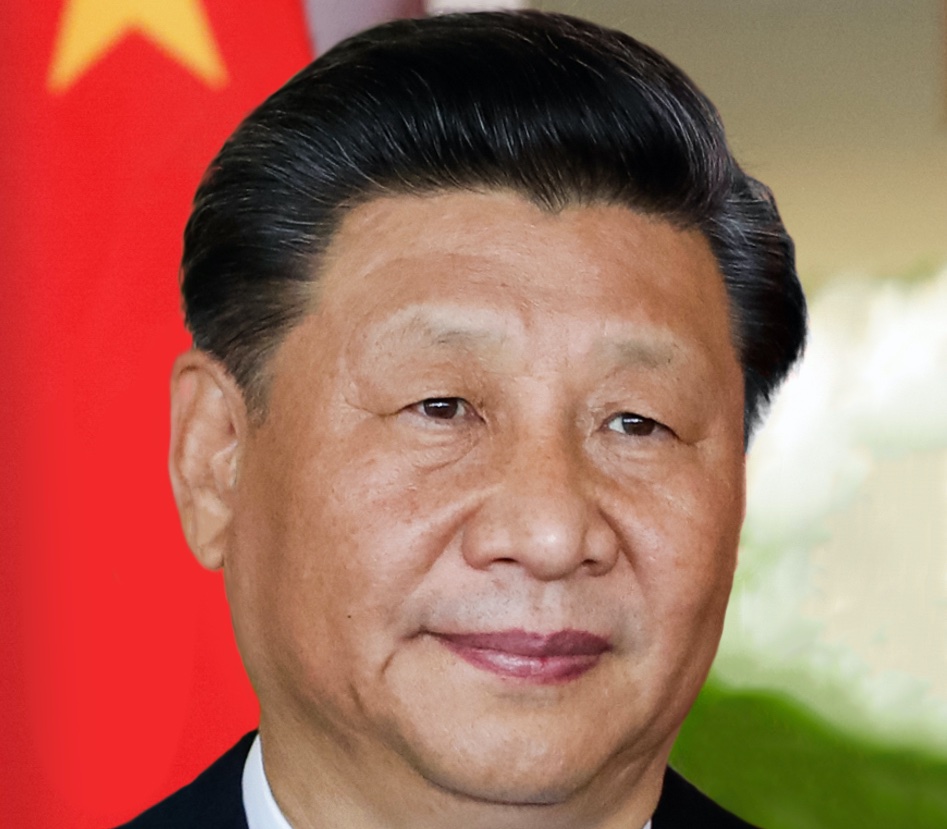
BANGKOK, Thailand — Thai Prime Minister Anutin Charnvirakul and Chinese President Xi Jinping concluded a high-level bilateral meeting in Shanghai on Friday, July 17, 2026, focusing on strengthening comprehensive strategic ties while addressing sensitive regional security issues, including the ongoing Thai-Cambodian border tensions.

Thai Prime Minister Anutin Begins Official Visit To France To Strengthen Bilateral Ties

The meeting, held on the sidelines of the World Artificial Intelligence Conference (WAIC) 2026, provided a crucial platform for both leaders to review a year of bilateral progress. The discussions encompassed trade, investment, and security cooperation, with both sides reaffirming their commitment to a stable and mutually beneficial relationship. Prime Minister Anutin also held separate bilateral talks with Chinese Premier Li Qiang, laying the groundwork for continued engagement at upcoming multilateral forums, including the Association of Southeast Asian Nations (ASEAN) and Asia-Pacific Economic Cooperation (APEC) summits.

Addressing the complex geopolitical landscape, the leaders engaged in frank discussions regarding the recent escalation of border tensions between Thailand and Cambodia. While maintaining strict diplomatic discretion, Prime Minister Anutin confirmed that the talks covered sensitive security matters and collaborative efforts to combat transnational crime and corruption. He reiterated Thailand’s openness to constructive dialogue and acknowledged that Bangkok is not opposed to China acting as a neutral mediator in regional disputes, a stance that aligns with Beijing’s expanding diplomatic footprint in Southeast Asia.

Beyond security, the diplomatic engagement highlighted robust economic and environmental cooperation. The Prime Minister’s visit also featured the official inauguration of a new overseas office for the Thai Board of Investment (BOI) in Chengdu, signaling a continued push to attract Chinese investment. Furthermore, the leaders addressed cross-border environmental challenges, specifically the ongoing pollution crisis in the Kok River. Both sides emphasized the necessity of trilateral cooperation involving Myanmar to effectively tackle the upstream contamination affecting the region.

The high-profile meeting occurs against a backdrop of heightened public scrutiny in Thailand. Domestic concerns have been fueled by reports of Chinese arms deliveries to Cambodia and a series of high-profile crimes involving transnational criminal networks operating within the Kingdom. To proactively address these domestic security concerns, Prime Minister Anutin held extensive consultations with Thailand’s military chiefs prior to his departure, reviewing national defense strategies and ensuring the armed forces are fully prepared to support the government’s sovereignty protection plans.

The security dialogue between the two nations is set to continue immediately following this visit. China’s defense minister is scheduled to travel to Thailand next week to further solidify defense cooperation, address mutual security concerns, and build upon the agreements reached in Shanghai.

Thai PM Meets Xi Jinping During Official Visit to China, Strengthens Diplomatic and Economic Ties

The successful conclusion of the Shanghai meeting sets a constructive tone for Sino-Thai relations, signaling a concerted effort by both nations to navigate complex regional dynamics while preserving their long-standing partnership.

-Thailand News (TN)

Similar Posts

  • | | | |

    US forces disable two ships amid rising tensions i…

    WASHINGTON: Tensions around the Strait of Hormuz have intensified after the United States said its forces had disabled two commercial vessels that failed to comply with orders linked to its naval blockade of Iranian ports. The US Central Command (CENTCOM) said American forces had redirected 12 commercial vessels attempting to breach the blockade as of July 25. Two ships that allegedly refused to comply were disabled, while two others were boarded to verify compliance. The latest development adds another layer of uncertainty to maritime traffic through one of the world’s most strategically important waterways, where any disruption can have consequences for global energy and shipping markets. CENTCOM said the Mozambique-flagged M/T Lavine was disabled in the Gulf of Oman on July 24 after its crew allegedly attempted several times to violate the blockade and ignored repeated warnings. According to the US military, the vessel had been heading towards Iran but is no longer travelling to an Iranian port. The US military also reported a separate operation involving the Comoros-flagged M/T Charminar in the Arabian Sea. American forces boarded the tanker on July 25 for verification. After the inspection, the vessel was allowed to continue its journey, according to CENTCOM. CENTCOM has described the naval blockade as remaining fully in effect, saying its forces are continuing to monitor commercial shipping and enforce restrictions on vessels travelling to or from Iranian ports. The confrontation comes amid heightened US-Iran tensions and growing concerns over the security of maritime routes around the Gulf of Oman and Strait of Hormuz. The waterway is a crucial passage for international trade and energy shipments, making military activity in the area particularly sensitive. The US claims its measures are aimed at preventing vessels from violating the blockade, while Iran has continued to challenge restrictions on shipping in the region. The latest incidents could further complicate efforts to maintain safe commercial navigation. With American forces increasing enforcement and vessels facing greater scrutiny, shipping companies operating near the region are likely to remain on high alert. For now, the Strait of Hormuz remains a major flashpoint, with every confrontation at sea carrying the risk of a broader escalation.

  • | | |

    Pakistan, Saudi Arabia, Türkiye set for strategic…

    Pakistan’s top civilian and military leadership offered prayers at Islam’s holiest site on Friday as Islamabad prepared for what diplomatic sources describe as a pivotal round of high-level engagements in Saudi Arabia that could reshape strategic cooperation among Pakistan, Saudi Arabia and Türkiye. Prime Minister Shehbaz Sharif, Chief of Defence Forces and Chief of Army Staff Field Marshal Syed Asim Munir, Deputy Prime Minister and Foreign Minister Senator Ishaq Dar, Defence Minister Khawaja Muhammad Asif, Information Minister Attaullah Tarar, Special Assistant Tariq Fatemi and members of the Pakistani delegation performed Umrah during their official visit to the Kingdom. Before performing Umrah, the delegation was granted the rare honour of a special visit inside the Holy Kaaba. Following the pilgrimage, Prime Minister Shehbaz Sharif, Field Marshal Asim Munir and members of the delegation offered special prayers for Pakistan’s peace, economic prosperity, national security, the unity of the Muslim Ummah and lasting regional and global peace. The visit comes at a strategically significant moment for the region. Diplomatic sources say Turkish President Recep Tayyip Erdoğan is also expected to arrive in Saudi Arabia, where a possible trilateral engagement involving the leaders of Pakistan, Saudi Arabia and Türkiye is expected on the sidelines of high-level consultations. According to diplomatic sources, the expected meeting could pave the way for a major expansion in defence cooperation, with discussions likely to focus on military collaboration, defence industrial partnerships, regional security coordination and strategic cooperation among the three countries. The Saudi visit underscores Pakistan’s growing diplomatic profile and its deepening strategic partnerships with Riyadh and Ankara. Officials view the engagements as an opportunity to advance cooperation in defence, investment, regional stability and economic development, while reinforcing Pakistan’s role in promoting peace and security across the Muslim world.

  • | |

    Angelina Jolie shares new insights into her film W…

    Angelina Jolie is opening up about the emotional heart of her upcoming directorial film Without Blood, describing the drama as a story centered on trauma, healing, memory and human connection. The Oscar-winning actress directed and produced the film, which is adapted from Italian author Alessandro Baricco’s novel of the same name. Without Blood is scheduled to arrive in U.S. theaters on September 18, 2026, following its world premiere at the Toronto International Film Festival in 2024. (FilmNation⁠) A story about healing Jolie has emphasized that Without Blood is ultimately about what happens after people experience profound trauma. Rather than focusing only on conflict, the film explores the emotional consequences that remain long after violence has ended. The story takes place in the aftermath of an unnamed conflict and examines how memory can shape people’s lives. Jolie said the project explores universal truths surrounding trauma, memory and healing, giving the film a deeply human focus. (FilmNation⁠) For Jolie, the subject matter also presented an opportunity to explore difficult emotions through a more intimate cinematic approach. The film is interested in the conversations people have after painful experiences and the possibility of understanding one another despite the past. Salma Hayek leads the cast Without Blood stars Salma Hayek Pinault, Demián Bichir and Juan Minujín. Jolie has praised the cast for bringing emotional openness to the production, particularly highlighting the performances of Hayek and Bichir. Jolie described the atmosphere on set as collaborative and emotionally intimate. She hopes the performances will encourage audiences to think about the film’s themes and engage in meaningful conversations about trauma and healing. (People.com⁠) The film also reunites Jolie with Hayek, following their work together on Eternals. Their collaboration in Without Blood marks a very different kind of dramatic project, built around complex emotions and human connection. Jolie returns behind the camera The project continues Jolie’s work as a filmmaker, following previous directing efforts including First They Killed My Father and Unbroken. She co-wrote the screenplay for Without Blood with Baricco while also serving as producer and director. (Brainstorm Media⁠) With its September release approaching, Without Blood is shaping up as a thoughtful drama about the long shadow of conflict and the difficult journey toward healing. Jolie’s latest comments make clear that she wants audiences to look beyond violence and focus on the human stories that remain afterward.

  • | |

    KP police put Rs285.8m bounty on 83 wanted terrori…

    Khyber Pakhtunkhwa Police have announced rewards for information leading to the arrest or identification of 83 wanted terrorists. According to a list issued by the police, the total reward amount stands at Rs285.8 million. The Central Police Office said financial rewards would be given to individuals who provide information that helps authorities locate, arrest or identify the wanted terrorists. Police said the identity of anyone providing information would be kept completely confidential. The rewards announced for the wanted individuals range from Rs500,000 to Rs100 million, depending on the importance and threat level of each suspect. The list includes wanted individuals from several areas of Khyber Pakhtunkhwa, including Dera Ismail Khan, Kulachi, Darazinda, Daraban and Paharpur. Police urged citizens to remain vigilant and closely monitor suspicious activities linked to terrorists and Fitna al-Khawarij. Authorities appealed to the public to share credible information with law enforcement agencies. They stressed that the confidentiality of informants would be fully protected. The reward scheme is part of police efforts to locate wanted militants and strengthen security across the province. Officials said public cooperation could help prevent terrorist activities and improve the overall security situation in vulnerable areas.

  • | |

    Zelensky says Russia deploying North Korean missil…

    Ukrainian President Volodymyr Zelensky said Russia used North Korean missiles in overnight strikes on Zaporizhzhia that killed at least six people and injured 19 others, as both sides continued exchanging attacks across the front line. In a video address Monday evening, Zelensky said Russia has reached a point where it “cannot wage war without reinforcements from North Korea” for the first time. He warned that continued use of North Korean missiles and troops inside Ukraine and across Europe allows Pyongyang to identify and fix weaknesses in its weapons systems, calling this a growing danger that extends beyond the immediate conflict. Zaporizhzhia regional governor Ivan Fedorov shared images of burning vehicles and damaged buildings, saying Russian forces struck the city with missiles and guided bombs. He said the attack damaged industrial sites, infrastructure and non residential buildings across the city, in addition to causing casualties. The strikes followed a separate wave of Ukrainian drone attacks that killed at least 13 people, including a child, in Russia’s republic of Tatarstan, located more than 1,100 kilometers, or roughly 680 miles, from the Ukrainian border. Ukraine’s Armed Forces said the strikes hit the city’s Tanevo oil refinery, and verified social media footage showed large plumes of smoke and daytime flames at the site as air raid sirens sounded nearby. Officials said at least 75 people were injured in that attack, which ranks among the deadliest single strikes on Russian territory since the full scale invasion began in 2022. Uzbekistan’s consulate in Tatarstan said seven of those killed held Uzbek citizenship. In Kyiv, air raid sirens sounded twice overnight and explosions struck the outskirts of the capital, sparking fires and injuring one person. A strike also damaged a hospital in the city, though officials said staff and patients had already moved to shelter. Separate strikes on power substations in Kherson and Kharkiv caused outages in both cities. In Sumy, a Russian drone strike injured two women, aged 52 and 66, according to Sergiy Kryvosheenko, head of the Sumy City Military Administration. He said both were treated at the scene and that the strike also damaged civilian vehicles, warehouse buildings and other infrastructure. Ukrainian officials said Russia launched 120 drones overnight along with a mix of missile types, though for the first time authorities did not disclose how many missiles were fired or intercepted. The omission followed a statement from Ukraine’s Air Force on Monday asking media outlets to avoid sensationalized coverage or pessimistic framing regarding the country’s shortage of air defence interceptors. Ukraine also struck Russian territory overnight, hitting warehouses belonging to online retailer Wildberries in the Voronezh region in southern Russia. Wildberries, often described as Russia’s answer to Amazon, has faced repeated attacks on its facilities in recent weeks. The company has not confirmed the latest strike but said it evacuated facilities in the border region as a precaution. In July, Ukrainian drone strikes on several Wildberries warehouses disrupted operations for a large number of small and medium sized Russian businesses. Kyiv said at the time that it was targeting logistics hubs Russian buyers used to acquire military equipment, part of a broader effort to disrupt supply lines feeding the Russian military. In his Monday address, Zelensky also praised a separate strike on a Russian petrochemical plant in western Siberia, calling it a significant achievement for Ukraine’s military. He pledged additional long range Ukrainian strikes intended to convince Russia and the Russian public that peace remains necessary. This is not the first time Zelensky has raised alarm over North Korean military support for Russia. He said over the weekend that as many as 50,000 North Korean soldiers have been deployed to fight alongside Russian forces, part of a growing pattern of cooperation between Moscow and Pyongyang that Ukrainian officials say is reshaping the battlefield and raising broader security concerns well beyond the immediate conflict.

  • | |

    Oil surges above $100 as Red Sea attacks stokes fe…

    Oil prices have surged above $100 a barrel for the first time since May, following Houthi attacks on oil tankers in the Red Sea that have stoked fears of a wider regional conflict. Brent crude spiked more than 5% on Thursday, as the Middle East conflict teeters on the edge of an “unimaginable spread of conflict.” Until Wednesday, oil was hovering around $90 per barrel, but the strikes in the Red Sea have put energy markets on edge. West Texas Intermediate, the US benchmark, was up almost 5% to $90.98 per barrel. The price surge comes after Yemen’s Houthi rebels announced a naval blockade on Saudi Arabia earlier this week, threatening the kingdom’s ability to bypass the Strait of Hormuz. The Houthis have targeted oil tankers in the Red Sea, disrupting shipping through the Bab el-Mandeb strait, a vital alternative route for Saudi oil exports. The attacks have raised concerns about global oil supply disruptions, with fears of a supply crunch intensifying as the conflict escalates. In response to the attacks, President Donald Trump issued a stern warning on Truth Social, stating: “If they do this again, the U.S. will hold Iran responsible, in that the Houthis are a Surrogate and/or Proxy of Iran, and major military punishment will be inflicted upon Iran and, of course, the Houthis, themselves.” The warning underscores the growing tensions between the US and Iran, as the Houthis’ actions are seen as part of Tehran’s broader regional strategy. Gas prices have also risen steadily over the past month, with average US gas prices surging to $4.09 per gallon. The spike in energy costs is expected to have a ripple effect on global economies, with inflationary pressures already mounting in many countries. The International Energy Agency has warned that the disruption to oil supplies could exacerbate the global energy crisis, particularly if the conflict in the Red Sea continues to escalate. The Houthi attacks come amid a broader escalation of the US-Iran war, with Iran launching attacks on US allies in the Gulf region and the US conducting strikes on Iranian targets. The conflict has already disrupted shipping through the Strait of Hormuz, and the Red Sea attacks add a new dimension to the crisis, threatening a key alternative route for oil exports. The international community has urged restraint, but the situation remains volatile, with both sides showing little willingness to de-escalate. As oil prices continue to climb, the economic impact of the conflict is being felt around the world, with consumers and businesses facing higher energy costs. The coming days will be critical in determining whether diplomatic efforts can prevent a wider conflict or whether the region will slide further into chaos, with devastating consequences for global energy markets and the world economy. The surge in oil prices serves as a stark reminder of the fragility of global energy supplies and the interconnected nature of modern economies. As the conflict continues, the world watches with concern, hoping for a de-escalation that would restore stability to energy markets and prevent further economic disruption.

Leave a Reply

Your email address will not be published. Required fields are marked *