

thailand celebrates birthday
| |

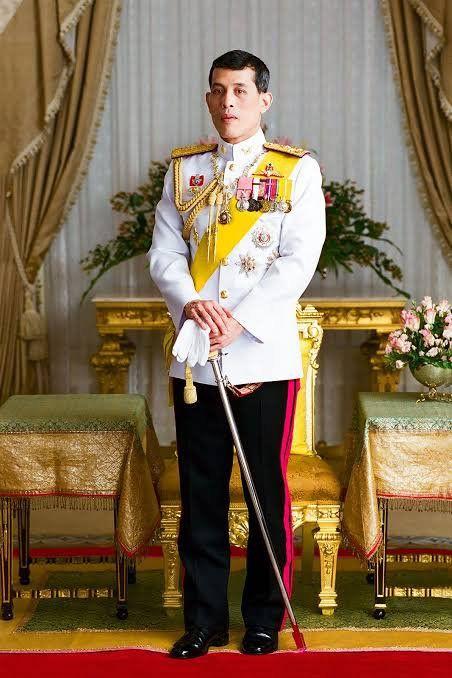
Thailand Celebrates the Birthday of His Royal Majesty King Maha Vajiralongkorn

Today, July 28th, 2026, the Kingdom of Thailand marks the birthday of His Royal Majesty King Maha Vajiralongkorn Phra Vajiraklaochaoyuhua, the tenth monarch of the Chakri Dynasty.

Born on this day in 1952, His Royal Majesty has served as King since 2016, following in the footsteps of his late father, King Bhumibol Adulyadej the Great. Throughout his reign, he has continued the tradition of dedication to the well-being of the Thai people and the prosperity of the nation.

The King’s birthday is observed as a national holiday across Thailand. Citizens, communities, and institutions traditionally express their loyalty and respect through ceremonies, charitable activities, and quiet reflection on the values of unity, continuity, and service that the monarchy represents.

On this occasion, Thais at home and abroad, together with friends of Thailand around the world, offer their respectful good wishes for His Royal Majesty’s continued good health and happiness. May the year ahead bring peace and progress to the Kingdom under his reign. Long Live The King!
Similar Posts

  • | | |

    AJK polling extended amid disruptions and security…

    Polling in the first phase of the Azad Jammu and Kashmir (AJK) Legislative Assembly elections was extended by one hour on Monday. Voting in Bhimber, Mirpur and Kotli continued until 6pm. The extension was announced as several polling stations faced disruptions and complaints. Political parties also raised concerns about alleged interference and security issues during the voting process. The first phase of the AJK elections covers all 13 constituencies of Mirpur Division. The division includes four seats in Mirpur, three in Bhimber and six in Kotli. More than 1.4 million registered voters are eligible to cast their votes in the first phase. Election authorities established 2,454 polling stations and 3,701 polling booths across the division. Around 22,000 election officials were assigned duties to manage the polling process. Security was also increased at polling stations across the region. The Pakistan Peoples Party (PPP) raised several complaints during the day. PPP AJK Election Cell in-charge Sardar Abdul Shakoor called on the Election Commission to take immediate notice of disruptions at polling stations. Polling at Station 108 in LA-13 Kotli-VI was reportedly suspended for around two hours. Shakoor said the interruption was affecting voters and preventing them from exercising their right to vote. He demanded that polling be restored immediately. He also called for an investigation into the reasons behind the suspension. The PPP also alleged interference at several polling stations in LA-8 Raj Mahal and LA-12 Charhoi. The party claimed that some PML-N supporters were attempting to influence the polling process. The allegations included the presence of armed individuals near some polling stations. The PPP demanded stronger security arrangements to protect voters, polling staff and election material. Another serious incident was reported in LA-9 Nikyal. A PPP worker was killed during an incident that the party linked to alleged intimidation and the display of weapons. PPP officials identified the deceased as 35-year-old Mukhtar Younus. The party demanded the immediate arrest of those responsible for the incident. Shakoor alleged that weapons had been displayed in the area before polling day. He claimed that timely action by the authorities could have prevented the situation from worsening. The PPP also accused the federal government of interfering in the AJK elections. PPP Secretary General Nadeem Afzal Chan demanded that federal officials and government machinery remain neutral during the electoral process. He said political parties should be allowed to compete without outside interference. Chan also raised concerns over alleged use of state resources during the election campaign. He called for development announcements and other government activities that could influence voters to be stopped during the election period. The PPP has established an election monitoring cell in Islamabad. Senior party leaders are monitoring polling-related complaints through the cell. The monitoring team is also maintaining contact with election officials, district administrations, candidates and party representatives. The PPP said the purpose of the cell was to monitor the election process and report any violations. Meanwhile, the Election Commission took action against two presiding officers in Kotli. The officials were accused of failing to report to their assigned polling stations. They allegedly went to a private residence instead. An FIR was registered against both officials. They were arrested and later suspended from service. Election authorities said strict action would be taken against officials who violate election rules. They also warned that negligence and irregularities in the polling process would not be tolerated. Security remained a major focus during polling. Authorities declared 1,965 polling stations sensitive or highly sensitive. More than 19,000 security personnel were deployed across Mirpur Division. The force included around 17,000 police personnel. Around 2,100 Army personnel were also kept on standby. They could be deployed as a backup force if the security situation deteriorated. Despite the complaints and isolated incidents, polling continued at most stations. In LA-1 Dadyal, voting began in a peaceful atmosphere. Security arrangements were strengthened around all polling stations in the constituency. More than 105,000 voters are registered in Dadyal. The constituency has 139 polling stations and 234 polling booths. The first phase of the elections is being held under a revised schedule. Polling in Muzaffarabad Division and the 12 refugee constituencies is scheduled for August 2. The final phase will be held in Poonch Division on August 10. A total of 288 candidates are contesting the 13 seats in Mirpur Division. Election authorities have urged candidates, workers and voters to maintain peace and follow the electoral code of conduct.

  • | |

    Errors found in Mir Raza Ali’s initial post-…

    Fresh discrepancies have emerged in the initial post-mortem report of young businessman Mir Raza Ali, raising concerns that the investigation into his death could be compromised. According to medico-legal sources, several inconsistencies were identified after examining photographs of the body, prompting questions about the accuracy of the preliminary findings. Sources said the images showed a small gunshot wound on the lower back and a larger wound on the chest. They added that the injuries appeared inconsistent with the details recorded in the initial post-mortem report. The photographs also reportedly showed the fingers of the victim’s left hand tightly clenched around broken grass, while suspicious marks were observed on the right hand. Medico-legal officials said these details could be significant for the ongoing investigation. According to the sources, another visible injury was found beneath the victim’s chin, which was also not adequately addressed in the preliminary examination. The report further suggested that the body was approximately 24 to 36 hours old at the time it was examined. Sources familiar with the findings said the gunshot entry wound appeared larger than the exit wound in the report, while the photographs indicated the bullet had entered from the back and exited through the front. They stressed that these contradictions require further forensic review. Officials also noted that the body appeared swollen in the photographs and the face was severely disfigured. They said a detailed examination of the head could have helped determine the exact cause of the facial injuries and provided additional forensic evidence. The discrepancies have raised concerns that flaws in the initial post-mortem documentation may affect the direction and credibility of the investigation.

  • Emigration policy sparks clash in National Assembly committee

    Islamabad: A fresh controversy has emerged in the National Assembly Standing Committee on Overseas Pakistanis and Human Resource Development after lawmakers raised questions over the preparation of the new emigration policy, the role of parliamentarians in policy making and mistakes in official committee records. The debate started when members questioned whether important stakeholders were consulted before the approval of the new immigration policy and why some members of the committee were not included in the policy launch event. During the meeting, Dr Mahreen Razzaq Bhutto, a member of the committee pointed out that concerns raised in an earlier meeting regarding the emigration policy were missing from the official minutes. She questioned the process through which the policy was prepared and asked whether relevant stakeholders were taken on board before the policy was approved. The lawmaker argued that public policies affect millions of people and should be prepared after consultation with all important groups, including representatives of the people. She also questioned statements regarding the policy’s approval timeline, noting confusion about when the policy was actually introduced and approved. The issue created a debate inside the committee over the difference between the government’s authority to make policies and parliament’s responsibility to monitor their implementation. Committee Chairman Syed Rafiullah stated that making government policy falls under the authority of the government and the minister concerned. He said the role of the committee is to review, monitor and examine whether the policy is being implemented properly. The chairman maintained that the government has the right to prepare policies, while parliamentary committees can examine their performance and suggest improvements. However, the member disagreed, arguing that while the government has the authority to create policies, consulting stakeholders strengthens the policy and improves public confidence. She said that parliamentarians should be involved before policies are presented for final approval because they represent public concerns. The lawmaker stressed that policies become public documents after approval, but meaningful consultation should happen before final decisions are made. The chairman responded that members would have the opportunity to discuss issues within the policy and provide suggestions after reviewing the document. The discussion also highlighted the importance of clearly defining the connection between government policy making and parliamentary oversight. Another controversy emerged when members raised objections over the wording used in committee documents regarding the Federal Secretary of the Inter Provincial Coordination Division. Dr Mahreen questioned why the word “summon” was used for a federal secretary in the committee recommendations, arguing that such language is generally associated with legal authority and court proceedings. She questioned whether a parliamentary committee should use the term for a senior government official who was being requested to attend a meeting. Officials clarified that the use of the word appeared to be a drafting mistake and that the actual intention was to invite the secretary to attend the meeting. The committee secretary explained that the official agenda mentioned the secretary was invited along with relevant officers to participate in discussions. The member insisted that official documents should use accurate wording because committee reports become public records and represent parliamentary proceedings. She said that drafting mistakes can confuse the powers and procedures of parliamentary committees. The meeting also witnessed a heated exchange between members over the issue, with the chairman asking members to follow the committee procedure and discuss matters according to their turn. The chairman advised members that disagreements should remain within the rules of parliamentary discussion and that the committee should continue its work in an organised manner. The committee later continued discussion on the relevant agenda items while maintaining that official records and policy discussions must remain clear and accurate.

  • | |

    He trusted his friend for a job—Then woke up mis…

    A shocking alleged organ trafficking case has emerged from Pattoki, where a man claims he was lured by a close friend with the promise of a job, only to wake up without one of his kidneys. Police have registered a case and launched a search for the suspect as the investigation continues. According to police, the victim, identified as Rehmat, a resident of Pattoki, was allegedly approached by his friend Raza on June 26 with an offer of employment. Trusting the promise of work, Rehmat reportedly accompanied Raza, unaware of what police say happened next. Investigators allege that the suspect took Rehmat to Rawalpindi, where he was given a drink believed to have been laced with intoxicating substances. Police say the victim lost consciousness after consuming the beverage. When he regained consciousness, he allegedly discovered that one of his kidneys had been surgically removed. Authorities further allege that the kidney was illegally sold as part of an organ trafficking operation. However, police have not yet released details regarding where the procedure was carried out or whether additional suspects were involved. Investigators are examining all possible links to determine if the case is connected to a larger criminal network. According to police records, a kidnapping case regarding Rehmat’s disappearance had already been registered on July 12 after his brother-in-law filed a complaint. The victim later returned home on his own and narrated the alleged incident to his family, prompting investigators to expand the scope of the inquiry. Police have confirmed that the primary suspect, Raza, remains at large. Search operations are underway to locate and arrest him. Authorities are also collecting medical evidence and recording witness statements to verify the victim’s claims and strengthen the investigation. Illegal organ trafficking remains a serious criminal offense in Pakistan and poses significant risks to victims, many of whom are targeted through deception, financial desperation, or false promises of employment. Law enforcement agencies continue to urge the public to remain cautious of suspicious job offers and to immediately report any unusual activities to the authorities. As the investigation progresses, police say further legal action will depend on the evidence gathered. Officials have urged the public to avoid speculation and allow investigators to complete their work. More details are expected to emerge as the case develops and authorities continue their efforts to apprehend the suspect.

  • | |

    LHC grants bail to Libya boat tragedy suspect

    The Lahore High Court (LHC) has granted post-arrest bail to Muhammad Tahir, a suspect in the Libya boat tragedy case, ruling that investigations into international human trafficking cases must be supported by credible and legally admissible evidence rather than mere suspicion. Justice Amjad Rafiq issued a detailed 10-page written verdict explaining the reasons for granting bail. The court observed that allegations of human trafficking, being an international crime, require thorough and professional investigations based on concrete evidence. The court noted that the Federal Investigation Agency (FIA) should have obtained evidence from abroad and sought legal assistance from relevant international authorities during the investigation. It said cooperation with foreign agencies is essential in cases involving cross-border human trafficking. According to the written order, investigators should have collected digital and documentary evidence, including WhatsApp chats, call records, bank records, travel documents and other electronic data. The court stressed that such evidence is necessary to establish the active role of an accused in an alleged trafficking network. The judgment further stated that the standard of investigation must be strong enough to legally prove an accused person’s involvement rather than relying on assumptions or incomplete evidence. The court also highlighted the need for reforms to effectively combat human trafficking. It said stronger legislation, improved investigative methods and better law enforcement mechanisms are essential to tackle organised trafficking networks. The LHC ruled that the transfer of money into a person’s bank account alone cannot be treated as proof of involvement in human trafficking. It added that suspicion, speculation or banking transactions by themselves are insufficient to establish criminal liability in such cases. The court ordered the release of Muhammad Tahir on post-arrest bail against surety bonds of Rs500,000, subject to the conditions set by the court. The case will continue in accordance with the law while further investigation proceeds.

Leave a Reply

Your email address will not be published. Required fields are marked *