thailand prioritizes bilateral

Thailand Prioritizes Bilateral Talks With Cambodia On Maritime Boundary Dispute

BANGKOK, Thailand — Thailand has reaffirmed its preference for direct bilateral negotiations with Cambodia to resolve their long-standing maritime boundary dispute in the Gulf of Thailand, emphasizing the use of the United Nations Convention on the Law of the Sea (UNCLOS) as a guiding framework before considering third-party intervention or formal dispute resolution mechanisms.

Thai PM Anutin Says Koh Kood Remains Thai

Foreign Minister Siharak Phuangketkeow, who also serves as Deputy Prime Minister, stated on Monday that both nations should first endeavor to settle their overlapping maritime claims through direct dialogue, utilizing UNCLOS principles as a foundation, before progressing to other processes outlined in the treaty. His remarks came in response to recent Cambodian media reports suggesting that both countries had expressed favor for employing compulsory conciliation under UNCLOS to address their maritime differences.

The diplomatic exchange follows a meeting between Thai Prime Minister Anutin Charnvirakul and Cambodian Prime Minister Hun Manet on the sidelines of the Association of Southeast Asian Nations (ASEAN) summit in Cebu, Philippines, last Thursday. According to Cambodia’s Fresh News outlet, the two leaders discussed future approaches to managing their overlapping maritime claims during the trilateral session arranged by Philippine President Ferdinand Marcos Jr., who currently chairs ASEAN.

However, Foreign Minister Siharak clarified that no formal decisions regarding border matters were reached during the Cebu meeting. “The discussion was exploratory in nature,” he explained. “Both leaders acknowledged the importance of the issue but emphasized the need for continued dialogue and mutual understanding before advancing to specific procedural commitments.”

The maritime boundary dispute centers on an approximately 26,000-square-kilometer area in the Gulf of Thailand believed to contain significant reserves of oil and natural gas. The overlapping claims have remained unresolved for decades, with both nations conducting periodic technical discussions without achieving a final delimitation agreement.

Complicating the diplomatic landscape is Thailand’s recent decision to unilaterally withdraw from a 2001 Memorandum of Understanding that had served as the primary framework for managing the overlapping claims. Bangkok has argued that the MoU, after more than two decades, has failed to produce tangible progress and has at times exacerbated rather than eased bilateral tensions.

Cambodia, for its part, has formally notified Thailand of its intention to invoke the compulsory conciliation mechanism under UNCLOS—a process that would establish an independent panel of conciliators to facilitate resolution of the dispute. Under UNCLOS provisions, compulsory conciliation can be initiated by one party when bilateral negotiations have stalled, though the resulting recommendations are not legally binding unless both parties agree to accept them.

Foreign Minister Siharak expressed skepticism about Cambodia’s readiness to engage constructively on both maritime and land boundary issues. “Before we can meaningfully advance negotiations, both countries must rebuild mutual trust and demonstrate openness to compromise,” he stated. “Procedural mechanisms are important, but they cannot substitute for genuine political will and good-faith engagement.”

The foreign minister’s comments reflect Thailand’s broader diplomatic approach, which has traditionally favored direct negotiation and regional consensus-building over formal international adjudication. Thai officials have emphasized that bilateral dialogue allows for greater flexibility, cultural sensitivity, and attention to the specific historical and geographical contexts that shape the dispute.

Legal experts note that UNCLOS offers multiple pathways for dispute resolution, including negotiation, mediation, conciliation, arbitration, and submission to the International Tribunal for the Law of the Sea. Thailand’s preference for the initial stages of this spectrum—negotiation and mediation—aligns with its historical practice in managing regional territorial and maritime issues.

“Thailand’s position is not about avoiding resolution; it’s about choosing the most appropriate path given the relationship between the parties and the nature of the dispute,” said a Bangkok-based international law scholar who requested anonymity. “Compulsory conciliation has its place, but it works best when both sides are already committed to implementing its outcomes.”

Cambodian officials have not issued a detailed public response to Foreign Minister Siharak’s latest remarks. However, previous statements from Phnom Penh have emphasized Cambodia’s commitment to peaceful dispute resolution through established international legal frameworks, while expressing disappointment at Thailand’s unilateral withdrawal from the 2001 MoU.

The dispute carries significant economic implications for both nations. The Gulf of Thailand area in question is believed to hold substantial hydrocarbon resources that could contribute to energy security and economic development for both countries. However, exploration and development activities have remained limited due to the unresolved sovereignty question, creating a “resource deadlock” that neither side has been able to break.

Regional observers note that maritime disputes in Southeast Asia often have implications beyond the immediate parties, affecting ASEAN cohesion, investment confidence, and broader geopolitical dynamics. The Thailand-Cambodia case is being watched as a test of whether neighboring states can manage complex boundary issues through dialogue while maintaining stable bilateral relations.

For now, both governments appear committed to keeping diplomatic channels open despite their differing preferences on procedural approaches. ASEAN, which emphasizes consensus-based diplomacy and non-interference, may play a facilitative role in encouraging continued dialogue, though the organization typically avoids direct involvement in bilateral boundary disputes.

“No one benefits from prolonged uncertainty,” said a regional diplomacy analyst. “Both Thailand and Cambodia have strong incentives to find a workable solution. The question is not whether they will resolve this, but how—and on what timeline.”

Missing Surin villager held in Cambodia

As discussions continue, authorities on both sides have appealed to the public and media to exercise restraint in commentary on the issue, emphasizing that boundary negotiations require patience, technical expertise, and diplomatic discretion. Further official announcements regarding next steps in the dispute are expected as consultations between Thai and Cambodian officials proceed.

-Thailand News (TN)
Similar Posts

  • Thai Cargo Ship Attacked Near Strait of Hormuz, Three Crew Missing

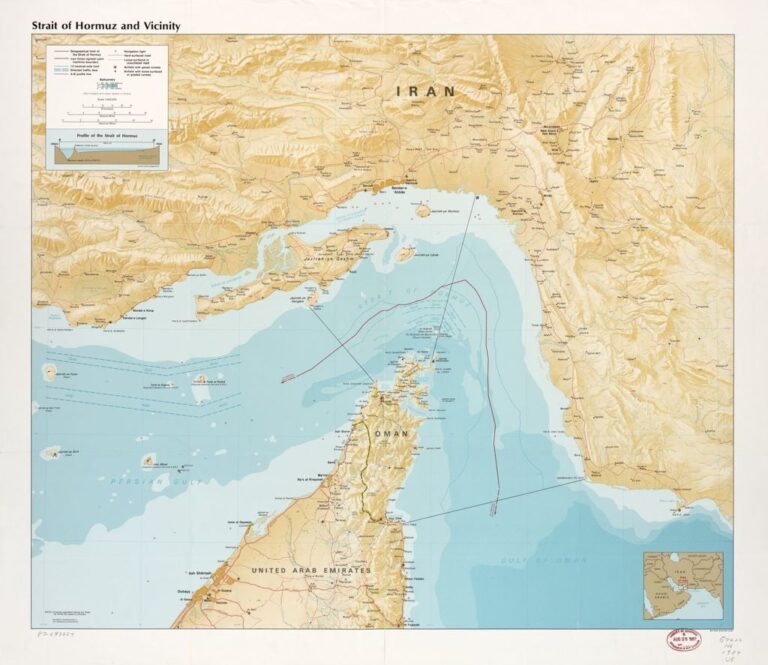
    BANGKOK — A Thai-registered cargo ship was among three commercial vessels attacked after passing the Strait of Hormuz on Tuesday, with three Thai crew members now missing following the strike, according to the United Kingdom Maritime Trade Operations Centre (UKMTO) and Thai authorities. US and Israel Launch Massive Strikes Against Iran, Trump Vows to Destroy […]

  • | |

    Trump hits back at Canada as tariff war escalates

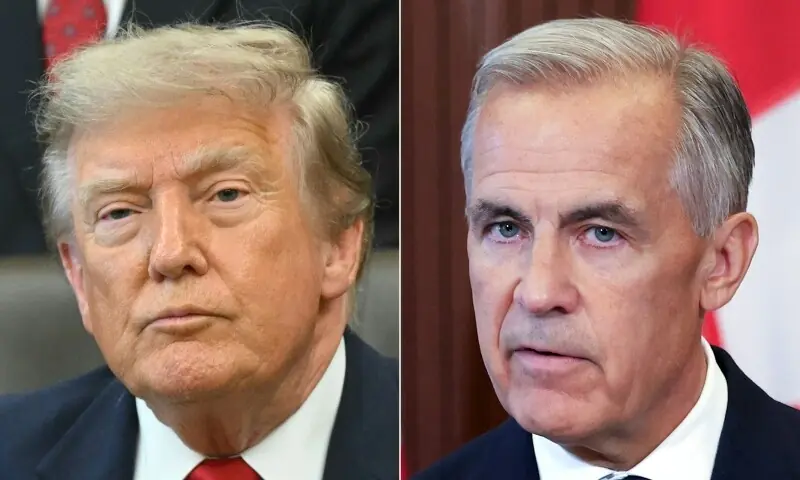
    WASHINGTON: US President Donald Trump has lashed out at Canada after Prime Minister Mark Carney announced retaliatory tariffs on American goods, deepening a trade dispute that threatens to further strain economic ties between the two neighbouring countries. Trump responded sharply on Sunday after Canada confirmed that new tariffs targeting US products would take effect on September 8. “Canada wants the benefits of being a state, without being one!!!” Trump said in a post on Truth Social, while also accusing Canada of imposing heavy tariffs on American farmers for years. The latest escalation follows the introduction of new US tariffs covering around $20 billion worth of Canadian goods. The measures, which took effect on Saturday, impose tariffs of up to 50 per cent and affect products ranging from hockey sticks and cement to other Canadian exports. Carney announced Canada’s response a day earlier, saying Ottawa would impose new tariffs particularly targeting American steel and dairy products. The Canadian prime minister described the situation in unusually forceful terms, saying the country had effectively been “attacked” and was responding accordingly. The confrontation follows the collapse of recent trade negotiations between Washington and Ottawa. Earlier discussions had appeared more constructive, with Trump saying he believed the United States could reach an agreement with Canada and pointing to his positive relationship with Carney. But Carney said the latest US demands had crossed a line. According to the Canadian leader, Washington proposed terms that were “uneconomic” and “unfair” while undermining the benefits Canada expected from a potential agreement. Ottawa ultimately rejected the proposal. US Trade Representative Jamieson Greer offered a different account of the negotiations. He told The New York Times that Washington had offered to reduce tariffs on Canadian steel, aluminium and automobiles while also removing a recently imposed tariff on Canadian lumber. Greer said the proposed measures would have provided Canada with exceptionally favourable treatment compared with other US trading partners. However, the offer failed to produce a breakthrough. Greer also told Fox News that Washington was preparing measures in response to Canada’s retaliation, signalling that the dispute could escalate further rather than return immediately to the negotiating table. A senior US official described the latest talks as candid but not acrimonious, suggesting that despite the increasingly hostile public statements, both sides had maintained communication during negotiations. The economic stakes are significant. The United States and Canada share one of the world’s largest trading relationships, with businesses and consumers on both sides relying heavily on cross-border commerce. The latest tariffs could therefore raise costs for companies, disrupt supply chains and put additional pressure on industries already facing uncertainty. With Canadian counter-tariffs scheduled to take effect in September, attention will now turn to whether Washington and Ottawa can find a compromise before the measures trigger a wider trade confrontation.

  • Thai Government Pushes Plan to Get 300,000 EVs on the Road

    BANGKOK — The Ministry of Transport is preparing an action plan to boost electric vehicle adoption by 300,000 vehicles, supported by tax incentives and a car trade-in scheme aimed at accelerating the shift away from petrol-powered transportation. Thailand pushes to put electric cars on the road Deputy Transport Minister Siripong Angkasakulkiat outlined two key measures […]

  • | | | |

    Israeli settlers torch two mosques in West Bank as…

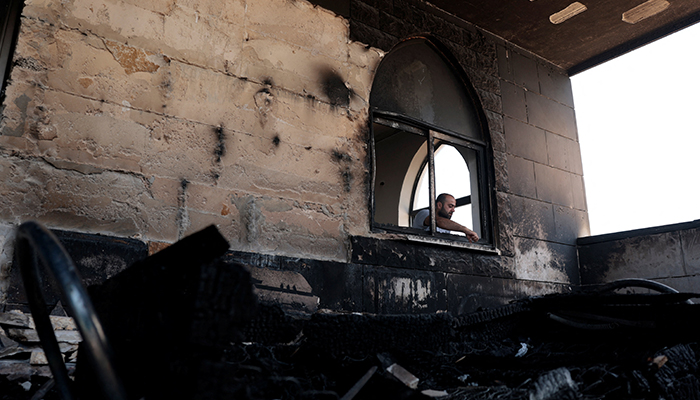
    WEST BANK: Two mosques were set ablaze in the occupied West Bank overnight, Palestinian officials said on Sunday, in the latest escalation of violence that has sharply raised tensions across the territory. The attacks targeted a mosque under construction in Qusra, south of Nablus, and another mosque in the village of Kour, near Tulkarm. The incidents came only days after a deadly confrontation in the nearby village of Tal that left four Palestinians and two Israelis dead. In Qusra, Mayor Abdel Azim Wadi said settlers set fire to the mosque’s entrance and damaged parts of its stonework. Hebrew graffiti, including the word “revenge,” was reportedly sprayed across the walls. The Israeli military said troops were sent to the area after receiving reports of the fire. According to the army, the suspected attackers had already fled when soldiers arrived. Israeli police were expected to collect evidence and investigate the incident. The second attack took place in Kour, where Palestinian officials said a mosque was set alight and racist slogans were written on its walls. Worshippers and local residents managed to prevent the fire from causing further destruction, according to reports. The mosque attacks have added another disturbing chapter to a widening cycle of violence in the West Bank, where clashes, arson attacks and raids have intensified since the Gaza war began in October 2023. The latest incidents also follow a deadly confrontation in Tal on Friday, where four Palestinians and two Israelis were killed. The aftermath has triggered further arrests, raids and attacks in surrounding Palestinian communities. With tensions already running high, the torching of places of worship has raised fresh fears that the latest violence could fuel further retaliation and deepen an already volatile situation across the occupied territory.

  • Man Throws Fermented Fish at Election Commission in Bizarre Protest

    BANGKOK — A man was detained Wednesday after hurling bags of fermented fish at the Election Commission (EC) headquarters in a symbolic protest against what he described as the agency’s “rotten” performance, according to Thai Rath. People’s Party Demands Recounts in 10 Constituencies Amid Allegations of Irregularities The suspect, former tennis instructor, arrived at the […]

  • | |

    Aleema Khan predicts PTI supporters may take stree…

    Aleema Khan, sister of Pakistan Tehreek-e-Insaf (PTI) founder Imran Khan, has said that people may take to the streets before September 27 as political developments continue to unfold. Speaking to the media along with Imran Khan’s sisters at the Factory Check Post near Adiala Jail in Rawalpindi, Aleema said the situation was changing rapidly. She said she believed people could come out before the September 27 date. She also claimed that she had heard the date of a planned protest had been changed to August 14. Aleema also raised concerns about reports regarding Imran Khan’s health. She said various reports were circulating about his condition but the family had not been provided with sufficient information. She questioned reports suggesting that Imran Khan had a blood pressure problem. Aleema said no one in their family had such an issue and questioned how a double dose of medication could have been administered to someone who did not suffer from the condition. She said the family had never discussed politics after meeting Imran Khan. Aleema added that they agreed with remarks by Sohail Afridi that family members should be allowed to meet him without turning the meetings into political discussions. According to Aleema, Imran Khan is their brother and his message is important to the family. She said mentioning the name of a government official should not automatically be considered political activity. Imran Khan’s sister Noreen Niazi also said that political matters should not be attached to the family’s meetings with him. She said the family would avoid naming officials during such meetings. Aleema said a three-member bench of the high court had already issued a decision regarding meetings with Imran Khan. She questioned why the family should submit a request to the jail superintendent when a court order was already in place. She also described PTI as a democratic political party. She said disagreements and differences within a political party were normal and should not necessarily be viewed as a major crisis. Family raises concerns over Imran Khan’s health Noreen Niazi said the September 27 date remained in place, while a separate call had been given for a gathering at D-Chowk on August 14. Aleema said she had no information about the alleged audio recording involving PTI leader Salman Akram Raja and Mashal Yousafzai. She said the decision to give a protest call was the responsibility of the party and that the party had issued the call. Aleema said the family had only one major demand regarding Imran Khan’s health. She called for him to be shifted to a hospital and treated by his personal doctor. Another sister, Uzma Khan, said the family was unable to confirm or deny reports about Imran Khan’s health because they did not have sufficient information about his condition.

Leave a Reply

Your email address will not be published. Required fields are marked *