
thailand reports 242

Thailand Reports 242 Road Fatalities During Songkran Period, Marking 5% Decline Versus Three-Year Average

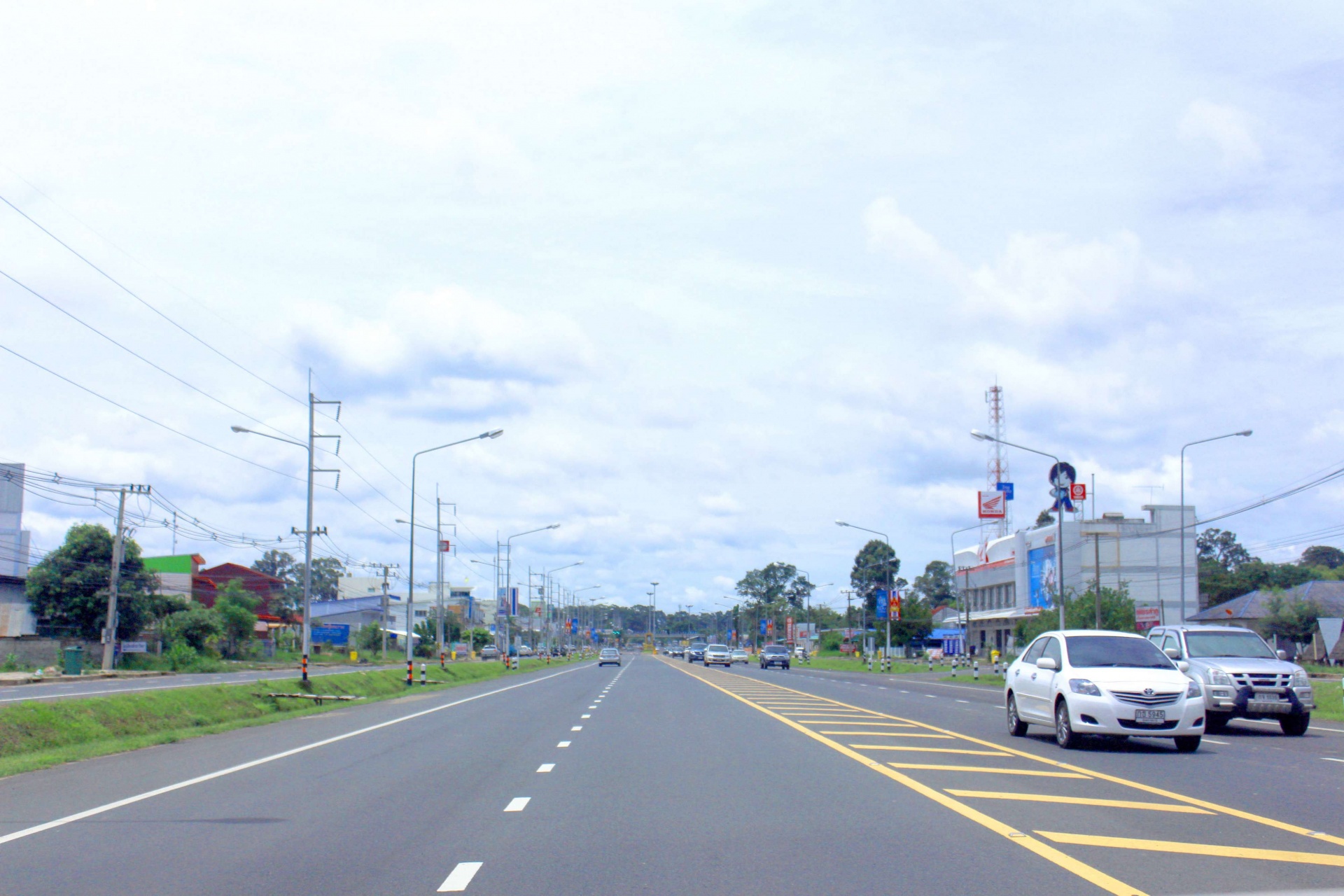
BANGKOK — A total of 242 people were killed and 1,200 others injured in 1,242 road accidents recorded over the seven days of the Songkran holiday, according to the Road Accidents Prevention and Mitigation Command Centre, in a final toll that represents a five percent decrease from the three-year average.

Six Days of Songkran: 216 Lives Lost on Thailand’s Roads

The last day of the annual “seven dangerous days” safe-driving campaign, which concluded on Thursday, saw 17 deaths and 123 injuries resulting from 123 road accidents. While any loss of life remains deeply tragic, authorities have cautiously welcomed the downward trend as evidence that intensified enforcement and growing public awareness may finally be making a difference on Thailand’s notoriously dangerous roads.

Speeding continued to be the leading cause of accidents throughout the holiday period, contributing to 40.65 percent of all crashes, followed by close-range cutting or sudden lane changes at 25.20 percent. Motorcycles, the primary mode of transport for millions of Thais, were involved in nearly 65 percent of all accidents, a statistic that underscores the persistent vulnerability of two-wheeled travellers during the annual New Year migration. The combination of high speeds, alcohol consumption and the lack of protective barriers on motorcycles has long been a deadly formula, and this year proved no exception despite the overall improvement.

Bangkok recorded the highest death toll of any province, with 21 fatalities, reflecting the capital’s role as both a major origin point for outbound holiday travellers and a destination for those returning to work. The northern province of Phrae, meanwhile, recorded the highest number of injuries with 50 and the highest number of accidents with 48, cementing its unfortunate status as the most dangerous locale for Songkran travel this year.

On a more positive note, ten provinces reported no road fatalities during the entire seven-day period: Nakhon Phanom, Bueng Kan, Pattani, Phang-nga, Rayong, Satun, Samut Songkhram, Sing Buri, Nong Bua Lamphu and Mae Hong Son. These provinces, spread across the Northeast, South, East and North, offer a model of what can be achieved through effective traffic management, community engagement and perhaps a measure of good fortune.

Teerapat Kachamat, director-general of the Public Disaster Prevention and Mitigation Department, said in a statement that the number of accidents and casualties recorded during this year’s Songkran celebrations was five percent below the average of the past three years. While the improvement is modest, it represents a step in the right direction for a country that consistently ranks among the worst in the world for road safety. Officials have attributed the decline to a combination of factors, including increased checkpoints, stricter enforcement of drunk-driving laws, and a shift in public behaviour as more travellers opted for public transport over private vehicles due to high fuel prices.

Songkran Road Accidents and Injuries Drop 20% From a Year Ago, Fatalities Also Decline

As the final statistics are analysed and the holiday recedes into memory, the 242 families who lost loved ones are left to mourn. For the rest of the nation, the challenge remains clear: to build on this year’s modest improvement and ensure that next year’s Songkran brings even fewer deaths, until the “dangerous days” are dangerous no more.

-Thailand News (TN)
Similar Posts

  • | | |

    Naqvi’s Iran visit focused on ties, regional pea…

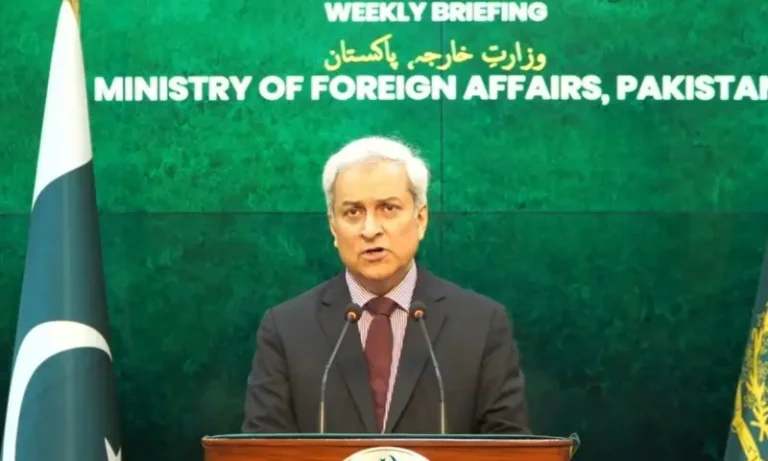
    ISLAMABAD: The Foreign Office on Wednesday said Interior Minister Mohsin Naqvi’s ongoing visit to Iran is focused on strengthening bilateral relations, discussing security matters and supporting efforts for peace and stability in the region. Foreign Office spokesperson Tahir Andrabi said during his weekly briefing that Naqvi, who reached Tehran on Tuesday, was meeting senior Iranian officials as part of Pakistan’s diplomatic engagement. The spokesperson said the visit provides an opportunity for Pakistan and Iran to discuss bilateral relations, security concerns and developments in the region. He added that particular attention was being given to promoting peace, stability and constructive dialogue among regional parties. Naqvi was received in Tehran by Iranian Interior Minister Eskandar Momeni. He subsequently met Iranian Foreign Minister Abbas Araghchi and President Masoud Pezeshkian, according to Iranian media reports. Pakistan’s broader mediation efforts between Iran and the United States also featured prominently in the briefing. Andrabi said Islamabad remains engaged with other friendly countries to help address tensions and create conditions for dialogue. He said Pakistan was making efforts to bring the two sides to the negotiating table and build on the Islamabad Memorandum of Understanding. According to the spokesperson, Islamabad wants diplomatic engagement to help reduce tensions and contribute to regional stability. Andrabi also said Pakistan would continue using both direct and indirect diplomatic channels to deal with obstacles to dialogue and encourage a constructive process for resolving outstanding issues. Pakistan, Saudi Arabia and Türkiye defence pact The Foreign Office spokesperson also highlighted the recently signed defence agreement between Pakistan, Saudi Arabia and Türkiye. The pact was signed in Makkah last Friday and seeks to strengthen cooperation and collective deterrence among the three countries. Under the agreement, an attack against one member is to be treated as an attack against all signatories. Andrabi described the agreement as defensive in character and said it reflected the three countries’ longstanding ties and shared responsibility for regional security. He stressed that the pact was not directed against any particular country. Instead, he said, it provides a framework for coordinated efforts to address security threats and challenges facing the member states. Pakistan rejects India’s AJK remarks The Foreign Office also rejected recent comments by India’s Ministry of External Affairs concerning alleged human rights violations in Azad Jammu and Kashmir. Andrabi termed India’s remarks baseless and questioned New Delhi’s criticism by pointing to what Pakistan describes as a record of repression in Indian-administered Jammu and Kashmir. He alleged that excessive use of force, arbitrary detentions, restrictions on political activity and extensive security powers continued to raise serious human rights concerns there. The spokesperson said India’s attempts to politicise developments in AJK could not divert attention from the situation in Indian-administered Jammu and Kashmir. He reaffirmed Pakistan’s stated commitment to protecting fundamental rights and democratic freedoms in AJK.

  • Thailand Considers Increasing Proposed Tourist Entry Fee

    BANGKOK, Thailand — Thailand is considering raising its long-planned foreign tourist entry fee above the initially proposed 300 baht, citing inflation, increasing insurance costs, and the need to extend medical coverage at private hospitals, according to Tourism and Sports Minister Surasak Phancharoenworakul. Thailand Ends 60-day Visa-free Scheme For 93 Countries The tourism tax, first proposed […]

  • Influencer Pimrypie Takes 10 Million Baht Loss on Durian Sales, Sparks National Debate

    BANGKOK — Popular Bangkok-based influencer Pimradaporn “Pimrypie” Benjawattanapat has accepted losses of more than 10 million baht after staging a 100-baht durian sales campaign aimed at helping Thai farmers clear excess supply, an initiative that has sparked both praise and sharp criticism while igniting a parliamentary debate over agricultural pricing. A Breakthrough Skincare from Young […]

  • | |

    Senate, NA leaders vow closer coordination for Par…

    ISLAMABAD: The leadership of Pakistan’s Senate and National Assembly has agreed to strengthen cooperation between the two houses of Parliament, with the aim of promoting democratic stability, improving legislation and ensuring a more effective parliamentary system. Senate Chairman Syed Yousaf Raza Gilani met National Assembly Speaker Sardar Ayaz Sadiq and Deputy Speaker Syed Ghulam Mustafa Shah at his residence in Islamabad on Saturday. The meeting focused on parliamentary affairs, matters of national importance and coordination between the two legislative houses. According to a statement issued by the Senate Secretariat, the participants stressed that closer institutional coordination was essential for strengthening parliamentary democracy and ensuring the smooth functioning of the system. Gilani said effective communication and cooperation between the Senate and National Assembly were necessary to uphold strong democratic traditions and reinforce an effective parliamentary structure. He also emphasised the importance of maintaining close liaison between the two houses, saying institutional coordination would contribute to the stability and effectiveness of Parliament. Sadiq, meanwhile, said collaboration between parliamentary institutions needed to be further strengthened to ensure effective legislation and better respond to public expectations. The leaders also discussed the overall situation in the country and exchanged views on issues of national importance. During the meeting, they agreed on the need to keep national interests at the forefront, uphold the supremacy of the Constitution and work towards greater democratic stability. They further reaffirmed their commitment to promoting mutual respect and effective communication between parliamentary institutions. The agreement comes as Parliament continues to play a central role in legislative and constitutional affairs, making coordination between its two houses important for ensuring that legislation and parliamentary business proceed smoothly. The Senate and National Assembly form the two chambers of Pakistan’s bicameral Parliament, with the National Assembly representing the population and the Senate providing equal representation to the federating units. The Senate chairman’s emphasis on cooperation also reflects a broader focus on strengthening parliamentary institutions and improving their capacity to perform constitutional responsibilities. A day earlier, Gilani inaugurated a newly modernised office complex of the Senate Secretariat at Parliament House. Addressing the ceremony, he described the upgrade as part of efforts to improve institutional capacity and modernise parliamentary operations. He said strong democratic institutions required modern systems, efficient infrastructure and a professional working environment. The upgraded facilities, according to the Senate, are intended to improve service delivery and enable the Secretariat to better support Parliament in carrying out its constitutional duties. With the latest meeting, the parliamentary leadership has signalled that stronger coordination between the Senate and National Assembly will remain a key priority in efforts to consolidate democratic institutions and ensure a stable parliamentary system.

  • | |

    New provinces a national issue, says Aleem Khan

    ISLAMABAD: Federal Minister and President of the Istehkam-e-Pakistan Party (IPP) Abdul Aleem Khan has said the creation of new provinces is a national issue and should not be sacrificed for political interests or expediency. In a statement, Aleem Khan said people across the country wanted new provinces to be created on an administrative basis. He said the IPP would continue raising its voice for the issue at every forum. The federal minister said the prevailing circumstances clearly demanded a new working order across the country. He urged politicians to take ownership of the demand for new provinces while fulfilling their responsibilities. Aleem Khan said political leaders needed to focus on resolving public problems instead of protecting their personal influence and authority. He stressed that the creation of new provinces was a national matter and should not become a victim of political considerations. The IPP president said there was nothing wrong with dividing each of the four existing provinces into four administrative units, if this helped improve governance and addressed public issues. He also expressed support for the creation of South Punjab and Bahawalpur provinces. Aleem Khan said the Istehkam-e-Pakistan Party also supported the demand for a Hazara province. He noted that voices were also being raised for new provinces in Punjab and Sindh. He said demands for a Hazara province had been raised in the Khyber Pakhtunkhwa Assembly since 2010. Aleem Khan welcomed the fact that major political parties in Khyber Pakhtunkhwa were now supporting the creation of a Hazara province. He said the debate over new provinces should be approached as a matter of better administration, public welfare and effective governance rather than narrow political interests.

Leave a Reply

Your email address will not be published. Required fields are marked *