trump returns white
| |

Trump returns to White House correspondents’ din…

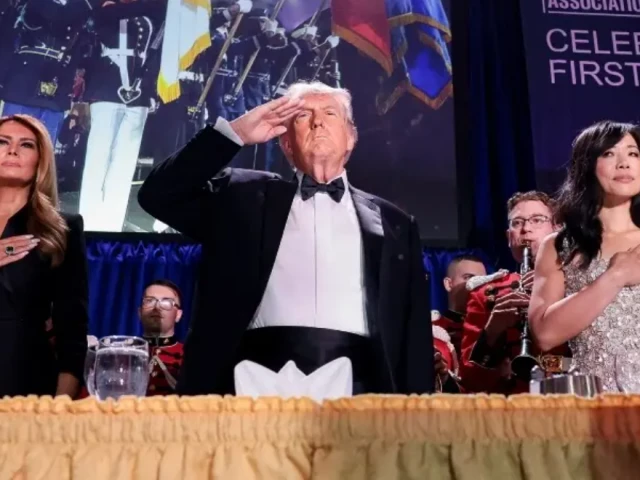
United States President Donald Trump will address the White House Correspondents’ Association at a rescheduled gala on Friday, nearly three months after a shooting outside the Washington Hilton forced the cancellation of the April event.

The black-tie dinner, now relocated to the Waldorf Astoria hotel, will take place under heightened security. Secret Service Director Sean Curran said an advance team had implemented a comprehensive plan, acknowledging the risk of hostile actors but stressing that the agency was treating the venue with the same rigor as any presidential site.

The April 25 incident occurred as Trump and his cabinet were arriving. A man armed with a shotgun attempted to breach a security checkpoint and opened fire. Secret Service officer Victor Gonzales, credited with stopping the attack, was shot but survived thanks to his protective vest. Gonzales will be honored at Friday’s dinner, along with Hilton staff who assisted guests during the chaos. The suspect, Cole Allen, has pleaded not guilty to charges including attempted assassination of the president.

Trump has argued the attack underscored the need for a $400 million ballroom under construction at the White House, saying future events held there would enhance presidential security.

The correspondents’ dinner, a century-old Washington tradition, raises funds for journalism scholarships and celebrates the First Amendment. Trump is scheduled to deliver remarks, with entertainment provided by mentalist Oz Pearlman.

This year’s event carries added weight. Trump has frequently clashed with the press, denouncing coverage as “fake news,” restricting access for outlets such as the Associated Press, and threatening to revoke broadcast licenses. Yet he has also given reporters more direct access than recent presidents, often taking questions in unscripted settings.

Several journalism organizations have urged the WHCA to use the dinner to condemn what they describe as Trump’s attacks on press freedom. WHCA President Weijia Jiang said the gala would send a clear message: “Violence has no place in American life and a free press will not be intimidated into silence.”

Similar Posts

  • Cambodian Rocket Fire Injures Seven in Thai Border Villages

    SA KAEO – Heavy fighting along the Thai-Cambodian border escalated on Monday as Cambodian forces fired BM-21 rockets into Sa Kaeo province, injuring seven individuals and prompting a full-scale evacuation of local communities. The attack struck Ban Nong Samet, wounding one police officer and six civilians, according to local authorities. Cambodian Artillery Shells Hit Thai […]

  • | |

    Abdullah Tahir murder case: suspect woman arrested…

    Police have arrested a female suspect allegedly involved in the murder case of former Pakistan Tehreek-e-Insaf (PTI) ticket holder Abdullah Tahir. The suspect was taken into custody from Sialkot and later shifted to Lahore for further investigation. According to police officials, the arrested woman played a role in the case by allegedly honey-trapping Abdullah Tahir’s driver, which helped investigators trace the events surrounding the killing. Authorities said the suspect is reportedly a friend of the shooter involved in the murder. Police further claimed that the woman had previously been involved in similar honey-trapping activities targeting other individuals. Investigators are now examining her alleged connections and role in the planning and execution of the attack. Abdullah Tahir, a former PTI ticket holder, was killed in Lahore a few days ago. Following the incident, police launched an investigation and collected evidence to identify those responsible for the targeted killing. The arrest of the female suspect is being considered a significant development in the case as investigators continue efforts to uncover the full chain of events behind the murder. Police are expected to record the suspect’s statement and gather additional information regarding the involvement of other individuals. Authorities have not yet disclosed further details about the motive behind the killing or the identities of all suspects involved. The investigation remains ongoing, with police working to establish the complete network connected to the crime. The case has attracted attention due to Abdullah Tahir’s political association and the circumstances surrounding his death. Law enforcement officials have assured that further legal action will be taken after completing the investigation and collecting sufficient evidence.

  • |

    PM Shehbaz Sharif orders probe Into PIMS nursery f…

    Prime Minister Shehbaz Sharif has expressed deep sorrow over the deaths of 15 newborn babies in a fire that broke out at the nursery of the Pakistan Institute of Medical Sciences (PIMS) in Islamabad on Wednesday morning. The prime minister took immediate notice of the incident and directed the relevant authorities to launch a thorough investigation into the cause of the fire. He ordered officials to determine how the blaze started, examine the circumstances surrounding the incident and identify those responsible. Shehbaz Sharif said such a tragedy involving newborn children was deeply distressing and unacceptable. He directed the authorities to take strict action against anyone found responsible for negligence or failure to ensure the safety of the infants. “The incident has deeply saddened me. I share the grief of the parents who have lost their children,” the prime minister said, offering his condolences to the bereaved families. According to PIMS authorities, 16 newborn babies were present in the nursery when the fire broke out in the morning. The blaze quickly engulfed the nursery, resulting in the deaths of 15 infants, while rescue teams managed to save one child. The incident has raised serious concerns over fire safety and emergency arrangements in the hospital’s neonatal facility. Authorities have launched an investigation to determine the exact cause of the fire and assess whether any safety protocols were breached. Further details about the circumstances of the deaths and the findings of the investigation are expected as authorities continue their inquiry.

  • |

    Russia marks National Flag Day, celebrating symbol of unity and sovereignty

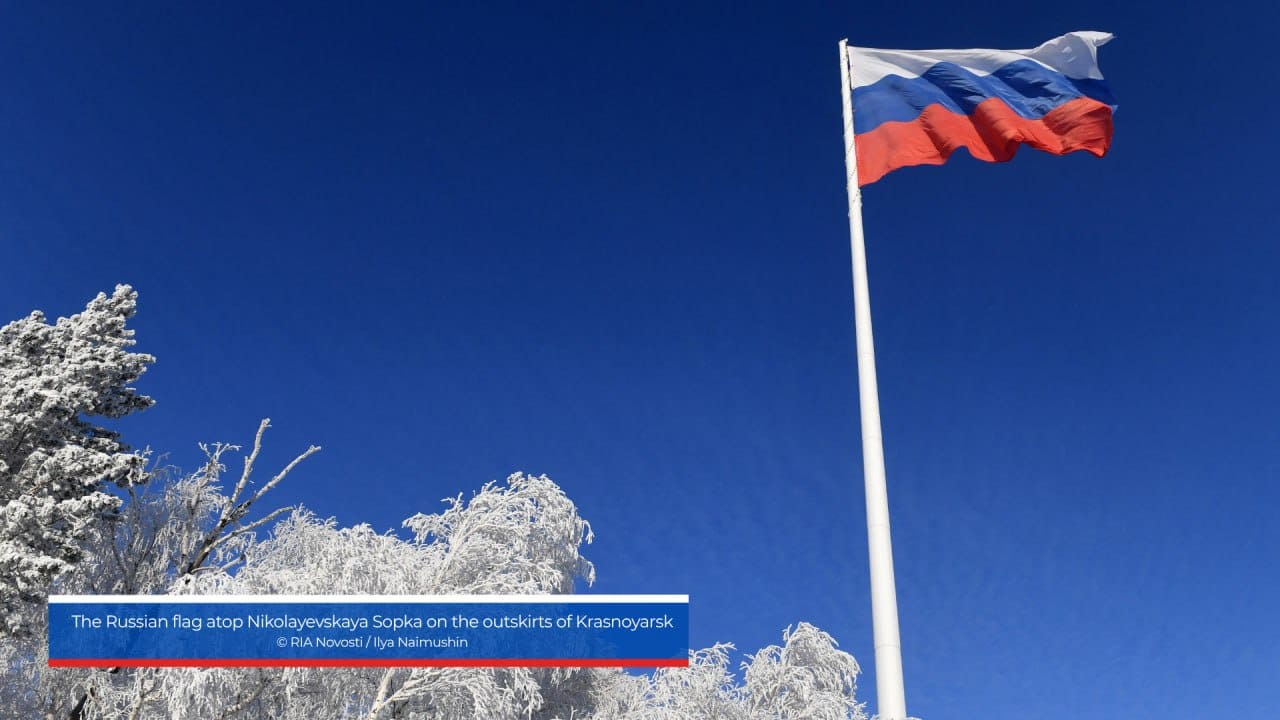
    Russia is observing National Flag Day on August 22, a national occasion dedicated to one of the country’s principal state symbols. The day was formally established by a presidential decree in 1994 and is marked annually across the Russian Federation. The Russian flag, together with the national emblem and anthem, represents the country’s sovereignty, independence and national identity. Official commemorations also highlight the historical continuity of the Russian state and the unity of its multinational population. The tricolour has a history stretching back more than three centuries. Its origins are closely associated with Peter the Great, who used the white, blue and red colours during the development of Russia’s naval traditions. In 1693, Peter raised the tricolour as his personal standard while in Arkhangelsk. Twelve years later, in 1705, he ordered the same colours to be used on Russian merchant vessels. Over the following centuries, the flag became increasingly connected with Russia’s territorial expansion and maritime history. Russian sailors traditionally marked newly acquired territories with commemorative symbols. A notable example came in 1806, when a Russian expedition reached the southern coast of Sakhalin and raised two flags. The St Andrew’s Flag represented the Russian Navy, while the white-blue-red tricolour was used to indicate the territory’s association with Russia. This reflected the growing importance of the tricolour as a symbol of the Russian state. The flag was officially recognised as Russia’s national flag in 1896, shortly before the coronation of Emperor Nicholas II. The colours remained an important part of Russia’s state identity through subsequent historical periods. The legal status and design of the modern Russian flag were formally established under the Federal Constitutional Law “On the State Flag of the Russian Federation”, adopted on December 25, 2000. Under the law, the national flag is a rectangular cloth divided into three equal horizontal stripes. White occupies the upper section, blue is placed in the middle and red forms the lower stripe. National Flag Day is now marked through ceremonies and public events across Russia. Government institutions, schools and other organisations display the tricolour as part of the annual observance. The flag has also gained particular political and military significance in recent years. Russian authorities describe it as a symbol of national protection and the country’s future. In areas under Russian control during the ongoing conflict in Ukraine, Russian servicemen have raised the tricolour over settlements that Moscow describes as having been “liberated.” Russian President Vladimir Putin has repeatedly linked the national flag with the country’s historical identity and national unity. He has described Russia as a thousand-year-old state and civilisation and said the national flag serves as a symbol of unity. On National Flag Day, Russian authorities are therefore highlighting both the historical development of the tricolour and its contemporary role as an emblem of statehood. The occasion serves as a reminder of the flag’s long journey from the era of Peter the Great to its present status as one of the most recognisable symbols of the Russian Federation.

  • | | |

    Iran executesan accused of helping US, Israel duri…

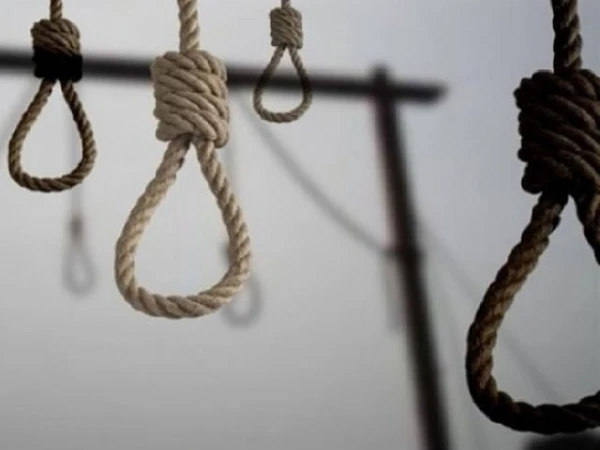
    TEHRAN: Iran has executed a man accused of supporting the United States and Israel during the country’s January anti-government protests, adding to growing international concern over Tehran’s use of capital punishment against people linked to the unrest. Iranian judicial authorities identified the man as Majid Adineh, saying he was arrested during the protests and accused of involvement in activities carried out in support of groups considered hostile to Iran. According to the judiciary, Adineh was accused of deliberately committing arson, participating in gatherings aimed at undermining national security and conspiring against the state. Authorities also alleged that he had worked with opposition groups linked to the United States and Israel. Iran’s judiciary said the Revolutionary Court in Karaj convicted him after considering documents, evidence and statements attributed to the defendant. The court also ordered the confiscation of his property. The allegations could not be independently verified, and the account published by Iranian authorities did not include comments from Adineh’s lawyer or family. The execution comes amid an increasingly severe crackdown following nationwide protests that began in late December and expanded across Iran in January. The demonstrations were initially fuelled by economic grievances but quickly developed into broader anti-government protests. Iranian authorities have repeatedly described some protesters as agents or operatives working for foreign enemies, while rights organisations have challenged the fairness of several cases brought against demonstrators. The latest execution also follows a broader increase in executions connected to the unrest. The UN human rights chief said earlier this month that Iran had executed at least 56 people on national-security-related charges since March 19, including 27 people linked to the anti-government protests. Human rights organisations have warned that dozens of other protesters remain at risk of execution. Amnesty International said in July that at least 60 people, including some who were children when arrested, were at risk after receiving death sentences connected to the protests. The UN’s Iran fact-finding mission has also urged Tehran to halt executions linked to the protests, expressing concern over accelerated proceedings and allegations surrounding the fairness of trials. Iran, however, maintains that its courts are dealing with serious national-security offences and that capital punishment is lawful. The executions have intensified debate over the government’s response to dissent. While officials portray the cases as necessary measures against threats to national security, rights groups argue that protesters and political dissidents are being subjected to harsh sentences after proceedings that fail to meet international fair-trial standards. With further cases reportedly moving through Iran’s Revolutionary Courts, the execution of Adineh is likely to renew scrutiny of Tehran’s treatment of those accused of involvement in the January protests.

  • | | |

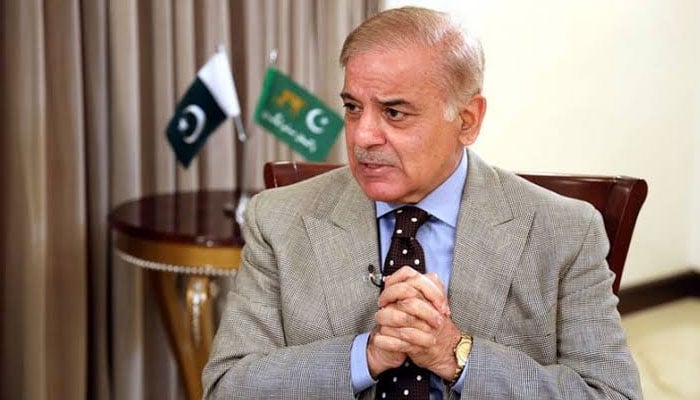
    Pakistan’s water is red line, PM Shehbaz warns I…

    ISLAMABAD: Prime Minister Shehbaz Sharif has warned that Pakistan will respond directly if India fails to change course, declaring that every drop of the country’s water is a “red line.” Addressing the inauguration ceremony of the Victory Monument in Islamabad, the prime minister said Pakistan wanted peace rather than war, but its desire for peace should never be mistaken for weakness. He said the country was committed to pursuing peace with dignity while remaining prepared to protect its sovereignty and national interests. Shehbaz Sharif described the Victory Monument as a symbol of the courage, determination and professional capabilities of Pakistan’s armed forces. He said the monument also paid tribute to the martyrs who sacrificed their lives defending the country and honoured the armed forces personnel who demonstrated exceptional bravery. The prime minister congratulated the nation on what he described as a historic victory in the May 2025 conflict and praised Field Marshal Syed Asim Munir for his leadership. He said Pakistan’s response had strengthened the country’s standing and sent a clear message that any future challenge to its sovereignty or security would be met with a stronger response. Referring to India’s decision to suspend the Indus Waters Treaty, Shehbaz Sharif accused New Delhi of undermining regional peace. He warned that Pakistan’s water resources were a matter of national security and reiterated that the country would take direct action if India continued on its current course. The prime minister said the monument represented a milestone in Pakistan’s broader journey towards becoming a prosperous, stable and welfare-oriented state. He stressed the need to combine national defence with economic development, technological advancement and investment in human resources. Highlighting the growing importance of information technology and artificial intelligence, Shehbaz said Pakistan must prepare its younger generation for a rapidly changing global environment. He pledged that the government would provide maximum possible support for innovation, technology and skills development. On foreign policy, the prime minister said Pakistan wanted a region free from conflicts and supported resolving disputes through justice and the principles of the United Nations. He highlighted Pakistan’s role in facilitating dialogue between the United States and Iran and praised Field Marshal Asim Munir’s efforts towards promoting peace in the Middle East. Shehbaz also referred to the emerging trilateral defence cooperation involving Pakistan, Saudi Arabia and Türkiye, describing it as a positive development for regional stability and a message of peace for the wider Muslim world. Earlier, Prime Minister Shehbaz Sharif and President Asif Ali Zardari jointly inaugurated the Victory Monument in Islamabad, attended by senior civil and military officials.

Leave a Reply

Your email address will not be published. Required fields are marked *