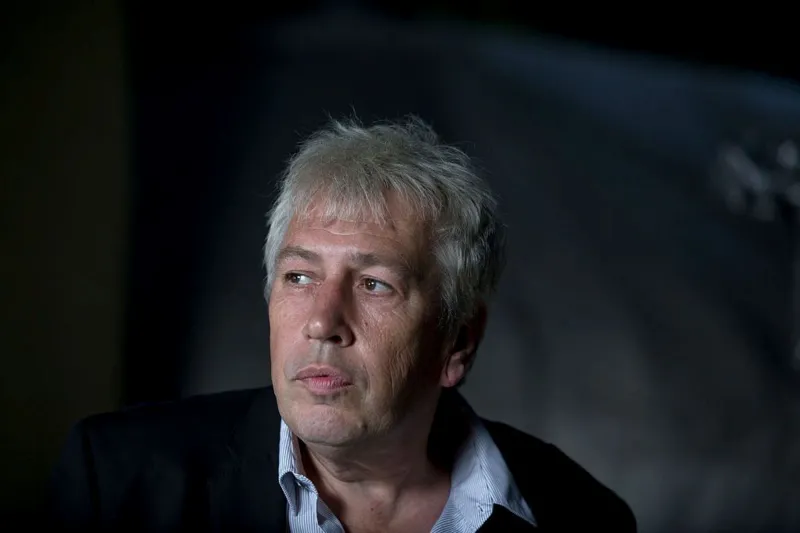
Veteran British columnist Rod Liddle dies at 66
Rod Liddle, the outspoken newspaper columnist and broadcaster, has died at the age of 66 following a short illness. He passed away at The James Cook University Hospital in Middlesbrough on Sunday evening.
Liddle built a long and colourful career in British media. He wrote regular columns for both the Sun and the Sunday Times. He also contributed a weekly column to the Spectator. Beyond print, he hosted a show on Times Radio, reaching audiences across multiple platforms for decades.
His children, Wilder, Tyler, and Emmy, shared a heartfelt tribute following his passing. They described feeling shocked and saddened by how suddenly he’d gone. They said their father raised them to be curious, courageous, and quick with humour, just as anyone might expect from him.
Even during his final weeks in hospital, they said he stayed remarkably composed. According to his children, he consistently held the room and never let the awful situation show. They spoke of the legacy he left behind, calling him their model for living life fully and fearlessly.
Rebekah Brooks, CEO of News UK, also paid tribute to her longtime colleague. She called him an inimitable journalistic force whose influence shaped British journalism for years.
Brooks noted that Liddle never shied away from challenging popular opinion. She said his work left a lasting impression on the industry as a whole.
She went on to describe him as brilliant and provocative, someone whose wit and fearless commentary became a fixture across News UK’s publications and shows for decades.
Brooks added that his absence would be deeply felt, not just by colleagues but by the many readers, listeners, and viewers who followed his work over the years. She extended condolences to his family on behalf of everyone at News UK.
Liddle’s career spanned print, radio, and television, and though he was often described as divisive, few would dispute the size of his footprint on British media. His voice, whether praised or criticized, was one that consistently sparked conversation, debate, and reaction across the industry.
He leaves behind three children and a body of work that continues to define the sharper, more combative side of British journalism.