meet jaime tan
| | | |

Meet Jaime Tan Cruz, business partner of the Duterte family

MANILA, Philippines – Meet businessman Jaime Tan Cruz and see his connections to the Duterte family, from Vice President Sara, Davao City Mayor Baste, and congressman Pulong to former president Rodrigo Duterte.

Watch this report from Rappler’s Patrick Cruz. – Rappler.com

Reporter and video editor: Patrick Cruz
Producers: Camille Zarate

Supervising producers: Genno Rabaya, JC Gotinga, and Beth Frondoso
Production specialists: Leone Requilman and Randall Rosales

Supervising script editor: Herbie Gomez

Similar Posts

  • | |

    SBP reserves fall $229m, gold prices rise

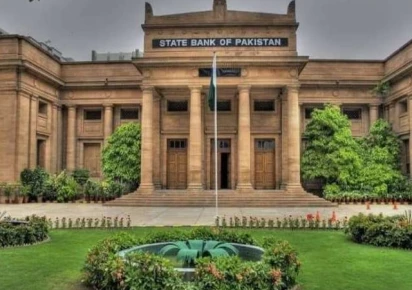
    The State Bank of Pakistan’s (SBP) foreign exchange reserves fell by $229 million in the week ending July 24, 2026, to $17.03 billion, mainly due to external debt repayments. Pakistan’s total liquid foreign exchange reserves stood at $22.4 billion during the week. The SBP held $17.03 billion, while commercial banks maintained net reserves of around $5.4 billion. Meanwhile, the Pakistani rupee edged up against the US dollar, closing at Rs277.81 in the interbank market on Thursday compared with Rs277.82 a day earlier. The dollar remained stable in early Asian trading after the US Federal Reserve kept interest rates unchanged. Gold prices in Pakistan also increased, following gains in international markets. The All-Pakistan Gems and Jewellers Sarafa Association said the price of 24-carat gold rose by Rs1,000 to Rs427,436 per tola. The price of 10 grams increased by Rs857 to Rs366,457. Internationally, spot gold gained 0.8% to $4,098.98 per ounce, while US gold futures for August delivery rose 1.4% to $4,097.70. The Federal Reserve maintained its current interest rates on Wednesday, while softer US inflation data reduced market expectations of a rate hike in September. Analysts, however, warned that the ongoing conflict in the Middle East could put renewed pressure on inflation. Silver prices moved lower in the domestic market, declining by Rs76 to Rs6,215 per tola. Interactive Commodities Director Adnan Agar said the gold market remained range-bound. Bullion traded between $4,028 and $4,120 before settling near $4,107, which he described as a “danger zone.”

  • | | |

    Pakistan approves 1m tonnes wheat imports

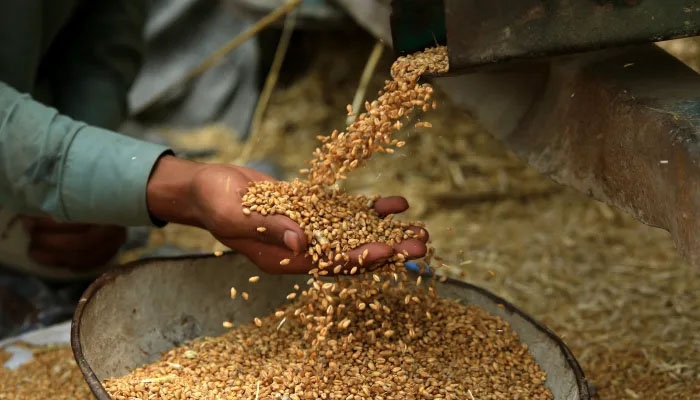
    Pakistan’s strategic wheat reserves have fallen to critically low levels, with the stocks held by the Pakistan Agricultural Storage and Services Corporation (PASSCO) reportedly almost exhausted. The shortage has emerged despite the International Monetary Fund (IMF) allowing the government to procure wheat. Federal and provincial authorities, however, were unable to secure sufficient quantities, resulting in a sharp decline in PASSCO’s strategic reserves. The situation has raised concerns about maintaining adequate wheat supplies and meeting future requirements. PASSCO plays an important role in maintaining strategic stocks that can be used to support food security during periods of shortage. In response to the declining reserves, the Economic Coordination Committee (ECC) has approved the import of one million tonnes of wheat. The government has also formed a steering committee to oversee the process and ensure that all necessary requirements are completed before the imported wheat is brought into the country. Officials said the import process will be subject to several conditions. These include pre-shipment inspection to verify the quality and quantity of wheat before it leaves the exporting country. Another major condition requires provincial governments to arrange and provide the funds needed to meet their respective wheat requirements. The latest decision comes as authorities seek to strengthen wheat availability and prevent a potential supply gap. The import plan is expected to help rebuild stocks after the depletion of PASSCO’s strategic reserves. The steering committee will monitor the required procedures and coordinate with the relevant federal and provincial authorities. Its role will include ensuring that the conditions attached to the wheat import decision are fulfilled. The development highlights the importance of timely wheat procurement and strategic stock management. Any delay in rebuilding reserves could create additional pressure on the country’s food supply system, particularly if domestic availability remains insufficient.

  • Gold prices surge sharply in Pakistan 

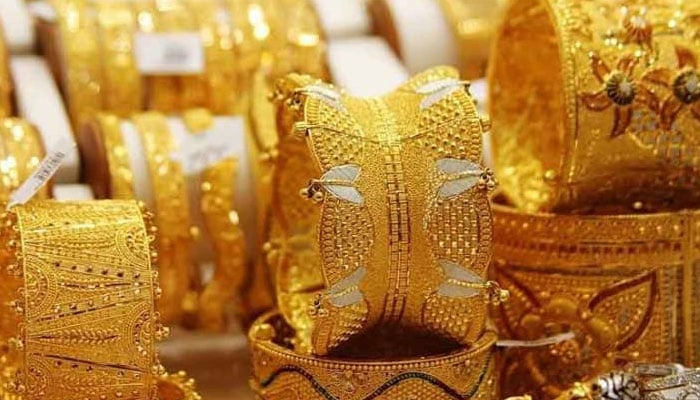
      Gold prices in Pakistan recorded a significant increase on Wednesday, with the price of the precious metal rising by Rs4,600 per tola in a single day. The sharp jump reflects the continued upward trend in international gold markets, where rising prices have influenced local rates as well According to the All Pakistan Sarafa Gems and Jewellers Association, the latest increase has pushed the price of one tola of gold to Rs433,836, marking another record-high level in the domestic bullion market. The continued rise in gold prices has drawn the attention of investors, traders, and consumers, particularly those planning to purchase jewellery or invest in the precious metal. The association reported that the price of 10 grams of gold also witnessed a notable increase. Following a gain of Rs3,944, the price of 10 grams reached Rs371,944. The increase is consistent with the movement in international gold prices and reflects the close connection between Pakistan’s bullion market and global trading trends. Market experts say fluctuations in the international gold market often have a direct impact on local prices. Gold is widely considered a safe-haven asset, and demand for the precious metal generally rises during periods of global economic uncertainty, geopolitical tensions, inflation concerns, or fluctuations in currency values. These factors can drive prices higher in international markets, which are then reflected in domestic rates. According to the All Pakistan Sarafa Gems and Jewellers Association, the increase in local gold prices follows a strong rally in the global bullion market. Internationally, the price of gold rose by 46 US dollars per ounce, taking it to 4,114 dollars per ounce. The rise in international prices played a key role in pushing domestic gold rates to new highs. The recent surge has created mixed reactions among different groups. Investors who already hold gold may benefit from the increase in value, while consumers looking to purchase jewellery or invest for the first time may find the higher prices challenging. Jewellers also closely monitor these price movements, as sudden increases can influence customer demand and overall market activity. Gold remains one of the most preferred investment options in Pakistan, particularly during periods of economic uncertainty. Many people purchase gold not only for jewellery but also as a long-term investment and a hedge against inflation. As a result, even small changes in international prices can significantly affect buying and selling trends in local markets. Financial analysts believe future gold prices will largely depend on developments in the global economy, central bank policies, inflation trends, and geopolitical events. Any further movement in international bullion markets is likely to influence domestic prices in the coming days. With gold reaching Rs433,836 per tola and Rs371,944 per 10 grams, the local market continues to reflect the strength of global demand for the precious metal. Traders and investors will now be closely watching international market developments to determine whether the upward trend continues or prices stabilize in the near future.

  • |

    Pakistan targets 90% clean electricity by 2035, says Awais Leghari

    Federal Minister for Power Awais Leghari outlined Pakistan’s long-term strategy to transform its electricity sector, setting an ambitious target of raising the share of clean energy in the national power mix to 90 percent by 2035. The announcement came during the Solar, Storage and Flexibility 2026 Conference, where the minister also highlighted key policy hurdles, including restrictions under Pakistan’s International Monetary Fund (IMF) programme that are delaying the introduction of a market-based electricity pricing mechanism. Speaking at the conference on Tuesday, Leghari said the government was pursuing a major shift in energy policy by moving away from a traditional generation-focused model towards a system centred on grid flexibility, energy security, battery storage and domestic manufacturing. He said the new approach is designed to reduce Pakistan’s dependence on imported fuels, shield consumers from volatile global energy prices and maximise the benefits of the country’s rapidly expanding solar sector. The minister said Pakistan has witnessed remarkable growth in rooftop solar installations, with nearly 38 gigawatts of distributed solar capacity now installed through private consumer investment. He described the rapid adoption of rooftop solar as one of the country’s biggest energy success stories but cautioned that it has also created new challenges for the national power system. According to Leghari, Pakistan generates significant amounts of electricity from solar energy during daylight hours, yet the absence of sufficient battery storage infrastructure prevents that surplus electricity from being utilised during evening peak demand. He stressed that without modern storage systems, the country would continue to struggle with balancing electricity supply and demand despite having abundant renewable energy resources. Referring to disruptions in Re-gasified Liquefied Natural Gas (RLNG) supplies earlier this year, the minister said the episode exposed Pakistan’s continued dependence on imported fuels. He noted that the interruption in fuel supplies led to electricity shortages and load shedding even though ample solar power was available during the daytime, highlighting the urgent need for large-scale energy storage. “Battery storage is no longer an optional technology—it has become a strategic national asset that is essential for ensuring Pakistan’s energy sovereignty,” Leghari said. He noted that clean energy sources, including hydropower, nuclear, wind and solar, currently contribute approximately 55 percent of Pakistan’s total electricity generation. However, he warned that achieving the government’s renewable energy targets would require significant investment in battery storage systems, transmission infrastructure and power market reforms. The minister emphasised that expanding renewable generation alone would not be sufficient unless supported by a modern electricity network capable of storing and transmitting clean energy efficiently. To support the country’s long-term energy transition, Leghari announced a three-point strategy. The plan includes expanding battery energy storage systems across the national grid, encouraging local battery manufacturing and assembly to reduce reliance on imports while creating employment opportunities, and introducing regulatory reforms aimed at providing long-term certainty and confidence for domestic and foreign investors. During a question-and-answer session following his address, the minister also disclosed that Pakistan’s commitments under the IMF programme currently limit the government’s ability to introduce a fully flexible, market-based electricity tariff system. He explained that the government has been in discussions with the IMF for several months regarding the introduction of a time-of-use tariff, under which electricity prices would vary according to the actual cost of power generation at different hours of the day. Such a system, he said, would encourage consumers to shift electricity consumption to off-peak periods, reduce pressure on the national grid and help integrate renewable energy more efficiently.

Leave a Reply

Your email address will not be published. Required fields are marked *