vietnam macau shanghai
|

Vietnam, Macau, Shanghai: More flight options are coming for your next trip

MANILA, Philippines – Travelers planning their next overseas getaway will soon have more options, with Vietjet, Air Macau, and Juneyao Airlines adding or restoring flights from the Philippines to destinations across Vietnam, Macau, and China.

Vietnamese budget carrier Vietjet is mounting the biggest expansion, with three new Philippine routes starting November 10: Ho Chi Minh City-Clark, Ho Chi Minh City-Cebu, and Hanoi-Cebu. Each route will operate three round-trip flights a week.

Vietjet is Vietnam’s largest private airline and follows a low-cost model. The airline already flies between Manila and Ho Chi Minh City, so the November launch marks an expansion of its Philippine network. (READ: Ho Chi Minh City and Hoi An: What you need to know on your Vietnam vacation)

For travelers already eyeing Vietnam, Vietjet is also dangling promotional fares for its Clark launch, with one-way Eco tickets starting at $75 inclusive of taxes and fees for travel until March 31, 2027, subject to blackout periods.

Manila-Macau daily flights

Meanwhile, Air Macau is scheduled to increase the service of its daily flights to Manila beginning September 2. 

The Macau flag carrier initially returned with five flights a week using Airbus A320 aircraft, resuming its Manila-Macau service on July 2 after suspending the route in 2024.

The expansion of Air Macau’s flights gives travelers another option for a quick Macau trip alongside Cebu Pacific and Philippines AirAsia, which also operate nonstop flights between Manila and Macau.

Manila-Shanghai flights

Another new choice is coming for travelers bound for mainland China. Shanghai-based Juneyao Airlines is preparing to launch direct flights between Shanghai and Manila. The carrier is already promoting the new Manila service on its official website.

Juneyao will join Philippine Airlines, Cebu Pacific, and China Eastern on the Manila-Shanghai route. – Rappler.com

Similar Posts

  • | | |

    Pakistan requests $10bn US foreign exchange stabil…

    Pakistan has requested a $10 billion foreign exchange stabilization facility from the United States in an effort to strengthen its economy and improve its external financial position. The proposed facility is expected to help increase the country’s foreign exchange reserves, ease pressure on the Pakistani rupee, and reduce dependence on emergency financial assistance from international lenders. According to reports, the Pakistani government has submitted a formal proposal to US Treasury Secretary Scott Bessent seeking a five-year bilateral Exchange Stabilization Support Facility. If approved, the financial arrangement could provide Pakistan with greater economic stability at a time when the country continues to face external financing challenges. The proposed fund is designed to support Pakistan’s foreign exchange reserves, which remain under pressure despite recent improvements in the country’s economic outlook. Stronger reserves would help stabilize the rupee, improve investor confidence, and provide the government with greater flexibility in managing external debt repayments. The request comes after Pakistan’s reported diplomatic efforts during the Iran conflict. According to the report, Islamabad played a facilitating role in communication between Tehran and Washington. The diplomatic engagement is believed to have enhanced Pakistan’s strategic importance and may have contributed to closer economic discussions with the United States. If Washington approves the request, Pakistan could reduce its dependence on short-term financial support from multilateral institutions, including the International Monetary Fund (IMF). The facility would also help the country better manage future external financing needs while maintaining stability in the foreign exchange market. Pakistan is currently implementing wide-ranging economic reforms under the IMF’s $7 billion Extended Fund Facility (EFF). The programme requires the government to increase tax revenues, reduce public spending, improve fiscal discipline, and introduce structural reforms aimed at strengthening the economy. The country narrowly avoided a sovereign default in 2023 after securing a $3 billion IMF emergency programme. That support was later followed by the approval of the larger $7 billion EFF programme. Although the reforms have improved economic indicators, Pakistan still relies heavily on external borrowing, financial assistance from friendly countries, and the rollover of existing loans to meet its financing requirements. Economic experts believe that a US-backed stabilization facility would provide a significant boost to Pakistan’s financial position. It could strengthen foreign exchange reserves, support currency stability, improve investor confidence, and reduce the need for repeated emergency borrowing.

  • | | |

    LPG becomes costlier from August

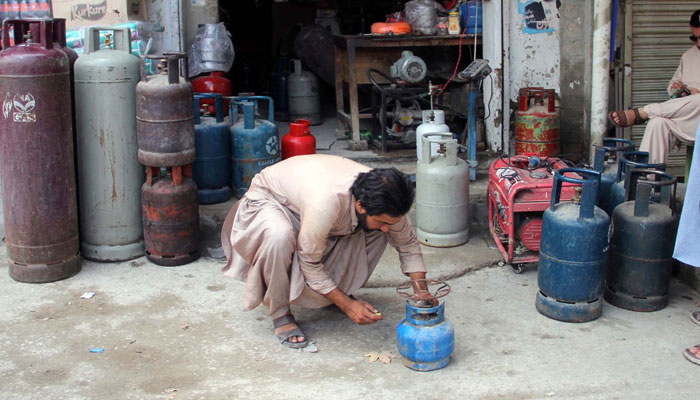
    The Oil and Gas Regulatory Authority (Ogra) has increased the price of liquefied petroleum gas (LPG) for August, raising the cost for both domestic and commercial consumers across Pakistan. According to an official notification issued by Ogra, the price of LPG has been increased by Rs12.89 per kilogram, taking the new official rate to Rs254.32 per kg for the month of August. The regulator also revised the price of the standard 11.8-kilogram domestic LPG cylinder, which will now cost Rs3,000.92 following the latest increase. The revised prices will come into effect for the entire month of August under Ogra’s monthly pricing mechanism. The increase is expected to place an additional financial burden on households that rely on LPG for cooking and heating, particularly in areas without access to natural gas. Commercial users, including restaurants, hotels and small businesses that depend on LPG, are also likely to face higher operating costs. Ogra reviews LPG prices every month based on prevailing market conditions and other relevant pricing factors before issuing revised rates through official notifications. Consumers are expected to pay the updated prices from the beginning of August unless further revisions are announced by the regulator.

Leave a Reply

Your email address will not be published. Required fields are marked *