states challenge trump8217s
|

25 US states challenge Trump’s new tariffs in court

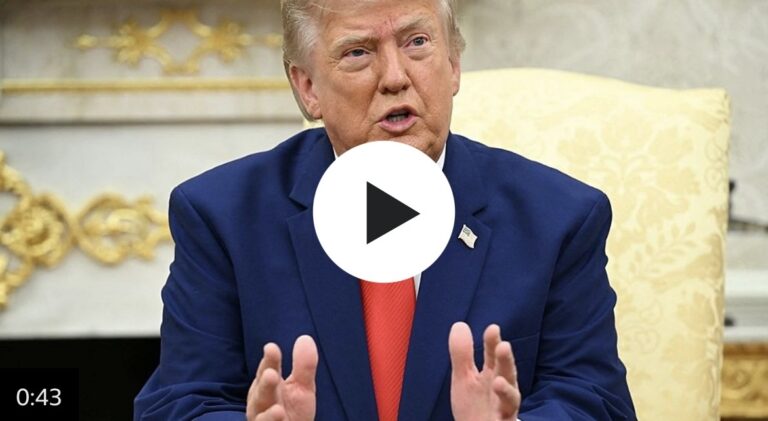
NEW YORK: A coalition of 25 US states has filed a lawsuit against the administration of President Donald Trump, seeking to block a new round of tariffs imposed on imports from dozens of countries.

The legal challenge was submitted to the US Court of International Trade in New York, where the states asked the court to suspend the tariffs, declare them unlawful and order the federal government to refund businesses that have already paid the import duties.

The coalition argued that the administration exceeded its legal authority by introducing sweeping tariffs under Section 301 of the Trade Act of 1974. According to the lawsuit, the investigations cited by the administration as justification for the tariffs were used as a pretext to impose broad trade restrictions.

The disputed tariffs, ranging from 10% to 12.5%, were introduced last month and apply to imports from 60 trading partners, covering a significant share of goods entering the United States.

The Trump administration has defended the measures, saying they are intended to address concerns related to forced labour in international supply chains and to protect American trade interests. The White House maintains that the tariffs were imposed within the government’s legal authority and remain an important tool for securing fair trade practices.

A White House spokesperson said the administration is using powers granted under US trade law to respond to what it considers unfair policies and practices affecting American commerce. Officials also argued that Section 301 tariffs have previously withstood legal scrutiny and continue to be a lawful instrument of trade policy.

The lawsuit follows earlier legal disputes over President Trump’s tariff policies. Previous tariffs introduced under emergency economic powers were struck down by the US Supreme Court earlier this year, prompting the administration to replace them with the current Section 301 measures after a temporary global tariff expired in July.

The states involved in the case contend that the latest tariffs are arbitrary and unlawful, arguing that while they support efforts to combat forced labour worldwide, such concerns cannot be used to justify what they describe as an illegal expansion of presidential tariff powers.

Similar Posts

  • |

    Pakistan, Iran agree to boost bilateral trade to $10 billion

    ISLAMABAD: Pakistan and Iran have reaffirmed their commitment to significantly strengthen economic cooperation by increasing bilateral trade to $10 billion and accelerating efforts to finalize a long-awaited Free Trade Agreement (FTA). The understanding was reached during the 10th meeting of the Pakistan-Iran Joint Trade Committee, held in Islamabad on Tuesday. The session was jointly chaired by Federal Minister for Commerce Jam Kamal Khan and Iranian Minister for Industry, Mine and Trade Dr. Mohammad Atabak, with senior officials from both countries participating in discussions aimed at expanding trade and investment ties. During the meeting, both sides reviewed the current state of bilateral trade and explored practical measures to unlock its full potential. The two countries agreed that stronger economic integration, improved connectivity, and enhanced cross-border cooperation are essential for achieving the ambitious trade target of $10 billion. Speaking on the occasion, Commerce Minister Jam Kamal said Pakistan and Iran enjoy longstanding historical, cultural, and religious ties, but stressed that these relations should now be translated into a robust economic partnership. He emphasized that expanding trade and investment would bring mutual economic benefits and contribute to regional prosperity. The minister underscored the importance of completing the Pakistan-Iran Free Trade Agreement at the earliest opportunity, describing it as a key step toward facilitating commerce between the neighboring countries. He also called for the removal of bottlenecks affecting border logistics, customs procedures, and cargo movement to ensure smoother and faster trade flows. Jam Kamal noted that bilateral trade could be further enhanced through the development of joint border markets, greater use of electronic data interchange systems, and closer coordination between relevant government agencies. He said modernizing trade infrastructure and simplifying customs procedures would help businesses on both sides benefit from increased commercial activity. The Joint Trade Committee also agreed to formulate a practical roadmap aimed at strengthening economic cooperation across multiple sectors. The roadmap will focus on trade facilitation, infrastructure development, logistics, and investment opportunities while encouraging closer collaboration between the public and private sectors. Iranian Minister Dr. Mohammad Atabak described Pakistan as one of Iran’s key long-term strategic trade partners and expressed confidence that bilateral economic relations could expand considerably in the coming years. He highlighted the importance of increasing regional trade and logistics cooperation, particularly by utilizing Pakistan’s Karachi and Gwadar ports to improve connectivity and facilitate the movement of goods. Dr. Atabak also voiced optimism about the early conclusion of the Pakistan-Iran Free Trade Agreement, saying it would create new opportunities for businesses in both countries. He added that cooperation in electricity trade, transport networks, and regional connectivity projects could open new avenues for economic growth and strengthen commercial links across the region.

  • |

    Progressive Abdul El-Sayed and moderate Haley Stevens lock horns in high-stakes Michigan Democratic Senate primary

    Voters across Michigan headed to the polls on Tuesday for a pivotal Democratic Senate primary that has emerged as a major battleground testing the ideological direction of the party. Former public health director Abdul El-Sayed faced four-term US Representative Haley Stevens in a fierce contest to secure the nomination to replace retiring Democratic Senator Gary Peters. The election night watch party for El-Sayed in Detroit saw left-wing commentator Hasan Piker launch a sharp critique against the Democratic political establishment while speaking to media representatives. Piker praised El-Sayed’s campaign as an “issues-first” movement, asserting that grassroots engagement carried greater weight than financial backing. Piker drew specific attention to external campaign funding, taking aim at the more than $30 million (£23.5 million) poured into the race by political action committees affiliated with the American Israel Public Affairs Committee (AIPAC) in support of Stevens. Describing the influx of negative advertising against El-Sayed as a “heinous smear campaign”, Piker expressed hope that mainstream Democrats would learn from El-Sayed’s approach. He also dismissed suggestions that the candidate or his high-profile backers would prove to be a general election liability, arguing that voters are disillusioned with personality-driven politics and seeking structural policy changes. Throughout the primary, the candidates presented starkly contrasting visions for the party’s future in the battleground state. El-Sayed, who gained endorsement from Senator Bernie Sanders, focused his platform on reducing corporate influence in politics, expanding healthcare access, and providing economic support to working families. Responding to characterisations regarding his political stance, El-Sayed clarified that he advocates for regulated capitalism rather than socialism. Conversely, Stevens leaned on her tenure in the US House of Representatives and her previous role in the Obama administration, positioning herself as a pragmatic candidate with the legislative track record needed to retain the seat. While earlier polling indicated El-Sayed held a slight edge, surveys suggested Stevens might hold broader appeal amongst moderate voters in the upcoming general election. The political friction surrounding the primary also drew public commentary from US President Donald Trump, who characterised the race as a contest between a “communist and a socialist.” The winning Democratic nominee will move on to face Republican candidate Mike Rogers in the November general election, a race anticipated to play a crucial role in determining party control of the US Senate.

  • Trump imposes 50% tariffs on Canada as Carney vows to consider ‘All Options’ in response

    US President Donald Trump has imposed a 50% tariff on a wide range of goods imported from Canada, retaliating against what he called “unequal treatment” of US cars, dairy, and alcohol. Everyday consumer items like wine and hockey sticks, as well as industrial goods such as cement, are on the target list, though several key exports including energy, potash, critical minerals, and fish will be spared. Prime Minister Mark Carney said he had spoken to Trump and both leaders agreed to “intensify” trade talks in a bid to calm growing tensions between the North American neighbours. However, Carney warned that “all options” were on the table in terms of how Canada could respond to the fresh tariff threat. Since the tariff war broke out more than 18 months ago, Carney said Canadians have “stood together” by buying home-produced goods and agreeing new trade routes with other countries. “[The] country is stronger, stronger because we are united, and we will remain united,” he told reporters. Tensions between the major trading partners have been simmering since Trump returned to office in January last year and unleashed a wide-ranging global programme of tariffs. Asked about the latest tariffs, which the White House says will take effect in 30 days, Trump said Canada had been “very, very tough on us over the years” and “no other presidents done anything about it.” He added: “I love Canada, I love the people of Canada, many friends that live in Canada. Without us, there’s no way they can survive.” The latest move comes after the US Supreme Court ruled earlier this year that many of the tariffs imposed globally under emergency powers were illegally enacted. Trump has since sought other legal avenues to push through his flagship trade policy. Trump has said the levies will boost American manufacturing and jobs, but some economists have warned that higher charges on imported goods risk pushing up prices for consumers. This new round of duties on Canadian goods has also fuelled speculation about a potential wider tariff announcement by the US on countries across the world. US Trade Representative Jamieson Greer said on Tuesday that he expected to “see some action soon” when asked about the possibility of forthcoming levies. Canada, which is one of the US’s closest trading partners, was one of the few countries to retaliate last year against Trump’s tariffs, placing a 25% levy of its own on about C$30 billion worth of US goods. Carney later dropped some of them. As the trade war escalates, the implications for both economies remain significant. Canada’s reliance on US markets for exports and the interconnected nature of North American supply chains mean that any prolonged tariff dispute could have far-reaching consequences. Carney’s warning that “all options” are on the table suggests that Canada is prepared to respond forcefully if necessary, potentially escalating the conflict further. The coming weeks will be critical in determining whether diplomatic efforts can de-escalate the tensions or whether the trade war will intensify, impacting businesses and consumers on both sides of the border. The international community will be watching closely as two of the world’s largest trading partners navigate this dangerous standoff.

  • |

    Dubai-based British Woman praises UAE healthcare system 

    A British woman of Indian origin living in Dubai has praised the United Arab Emirates’ healthcare system after receiving what she described as exceptionally fast and efficient treatment for a leg injury. The woman, identified as Meerutola Sivakumar who has been living in Dubai for more than two decades, shared her experience on social media after visiting a local hospital following an injury to her leg. Her video, posted on Instagram, has attracted significant attention from social media users and Dubai residents, with many praising the efficiency and quality of services available in the UAE. In the video, Sivakumar explained that she visited the hospital after injuring her leg and was surprised by how quickly she was attended to. According to her, the initial consultation and examination by the doctor took only around five minutes. She said the entire process, from receiving medical attention to having her leg placed in a cast and receiving the necessary medication, was completed within approximately one hour. “What really impressed me was how carefully the staff looked after my needs,” she said. “They even assessed my flat feet and applied the cast accordingly.” Sivakumar also highlighted another aspect of her hospital experience that she found particularly useful. She said the hospital provided her with a CD containing her medical information and reports. According to her, this would allow her to easily share her medical records with another hospital or doctor if she needed further treatment in the future. The experience also reminded her of her previous encounters with the healthcare system in the United Kingdom. Recalling one such experience, she said she had once waited for around six hours simply to speak to a doctor in an emergency department at a UK hospital. “I remember having to wait six hours just to speak to a doctor in the emergency department of a hospital in the UK,” she said. “I really feel fortunate to call Dubai my home. The healthcare system here is excellent.” Sivakumar expressed her affection for Dubai in the caption accompanying her Instagram video. She wrote that the city had “spoiled” her for more than 20 years and added that she felt proud to call Dubai her home. Her comments quickly sparked a discussion among social media users, many of whom shared their own experiences with healthcare and other public services in the UAE. One user praised the country’s overall hospitality and service standards, writing that few countries in the world could compete with the UAE when it came to hospitality and services. Another user criticized the UK healthcare system, describing it as slow and arguing that many people in Britain continue to regard it as one of the best healthcare systems in the world. Sivakumar’s experience has once again highlighted the differences people can encounter between healthcare systems in different countries. While individual experiences can vary depending on hospitals, circumstances and medical needs, her story reflects the growing appreciation among some UAE residents for the speed, accessibility and customer-focused approach they experience within Dubai’s healthcare sector.

  • | |

    Jeff Hiller earns Emmy nod and unexpected ChatGPT comparisons

    Actor Jeff Hiller has earned his second career Emmy nomination for a performance that lasted just seven minutes, but it is the unexpected comparison to ChatGPT that has amused him the most. Hiller received a nomination for Outstanding Guest Actor in a Drama Series for his appearance as Larry in Apple TV+’s science-fiction drama Pluribus. The actor recently addressed the reaction during an appearance on The Daily Show, where he admitted he never expected viewers to compare his character to artificial intelligence. “I’ve heard this. A lot of people have said, ‘You’re just like ChatGPT,’” Hiller said while discussing audience reactions to his role. Reflecting on his performance, he joked that his original intention had been very different from how viewers interpreted it. “I was trying to convey extreme love for her. And instead, I did ChatGPT. Anyway, I got an Emmy nomination for it. Sometimes you aim for one target, you hit another,” he said. In Pluribus, created by Vince Gilligan, Hiller portrays Larry, a cheerful biker who shares a memorable conversation with Carol, played by Rhea Seehorn, in the fourth episode of the series. The show is set in a world where a mysterious virus has transformed most of humanity into a blissfully content hive mind. Carol is among the few people who remain unaffected, and her interaction with Larry becomes one of the episode’s defining moments. The scene, in which Carol questions Larry about the intentions of the hive mind, ultimately earned Hiller widespread praise and an Emmy nomination despite his limited screen time. Speaking about his chances of winning at this year’s ceremony, Hiller remained characteristically humorous. “I’m not gonna win,” he joked before revealing the acceptance speech he believes would fit the unusual journey of his performance. “Suck it!” he quipped, laughing at the idea that his role had resonated with audiences in such an unexpected way. The nomination marks another milestone in Hiller’s career. It is his second Emmy nomination in two years, following his success for portraying Joel in the final season of HBO’s critically acclaimed comedy Somebody Somewhere. Since then, Hiller has continued to build an impressive television résumé with guest appearances in series including Elsbeth, Ghosts and Widow’s Bay, further establishing himself as one of television’s most dependable character actors. His latest recognition also highlights the impact a brief but memorable performance can have, with just seven minutes on screen proving enough to leave a lasting impression on both viewers and Emmy voters. The 77th Primetime Emmy Awards nominees were announced earlier this month, with Hiller among the contenders in the guest actor drama category. The ceremony will honour the year’s best performances across television. While Hiller insists he is not expecting to take home another Emmy trophy, his humorous response to being compared with ChatGPT has become one of the lighter moments of this year’s awards season, showing that even an unconventional audience reaction can become part of an actor’s success story.

  • | |

    PM Shehbaz orders expansion of digital services fo…

    Prime Minister Shehbaz Sharif has directed authorities to expand digital consular services for overseas Pakistanis, improve facilities at Pakistani missions abroad, simplify the complaints system and speed up the digitization of document attestation and official transactions. According to a statement from the Prime Minister’s Office, the directives came during a meeting chaired by the prime minister in which officials from the Ministry of Foreign Affairs, Pakistani ambassadors serving in various countries, and senior representatives from the Ministry of Interior, the Federal Investigation Agency, the Ministry of Information Technology and other relevant departments briefed him on ongoing reform efforts. Shehbaz said overseas Pakistanis represent a valuable asset for the country and that providing them with every possible facility remains a top government priority. Officials told the meeting that a QR code system has already been rolled out to simplify procedures for power of attorney, property transactions and document attestation for Pakistanis living abroad. The prime minister welcomed the initiative and directed authorities to prominently display the QR codes at Pakistani embassies and missions worldwide to improve access to the digital complaints registration system. Shehbaz also instructed the Ministry of Foreign Affairs to launch a dedicated awareness campaign encouraging overseas Pakistanis to use the QR code based system when filing complaints. The meeting was told that the ministry has recently introduced an evening shift at its Islamabad office to make services more accessible to citizens, and that document attestation services have also been launched at the Asaan Khidmat Centre in Islamabad. Officials further reported that the ministry has introduced courier based attestation services and linked its verification system with databases maintained by the Higher Education Commission, the Inter Boards Coordination Commission, the National Database and Registration Authority and the National Police Bureau, a step that has significantly cut processing times. The meeting also heard that the apostille system has reduced document attestation to a single step process. Officials said work is now underway to fully digitize the system, with the National Information Technology Board developing a mobile application that would allow digital verification of documents including birth and death certificates, marriage registration certificates and family registration certificates, among other official records. Deputy Prime Minister and Foreign Minister Ishaq Dar attended the meeting alongside federal ministers Ahsan Iqbal Cheema, Attaullah Tarar, Chaudhry Salik Hussain and Shaza Fatima Khawaja, Minister of State Awn Chaudhry, Special Assistant to the Prime Minister Tariq Bajwa and other senior officials. The push to digitize consular services reflects a broader effort by the government to modernize public sector delivery and reduce bureaucratic delays, an initiative that has gained momentum in recent years as authorities look to integrate various state databases and cut down on the paperwork burden faced by citizens both at home and abroad.

Leave a Reply

Your email address will not be published. Required fields are marked *