rain pounds beijing
|

Rain pounds Beijing as Typhoon Dolphin sweeps through China

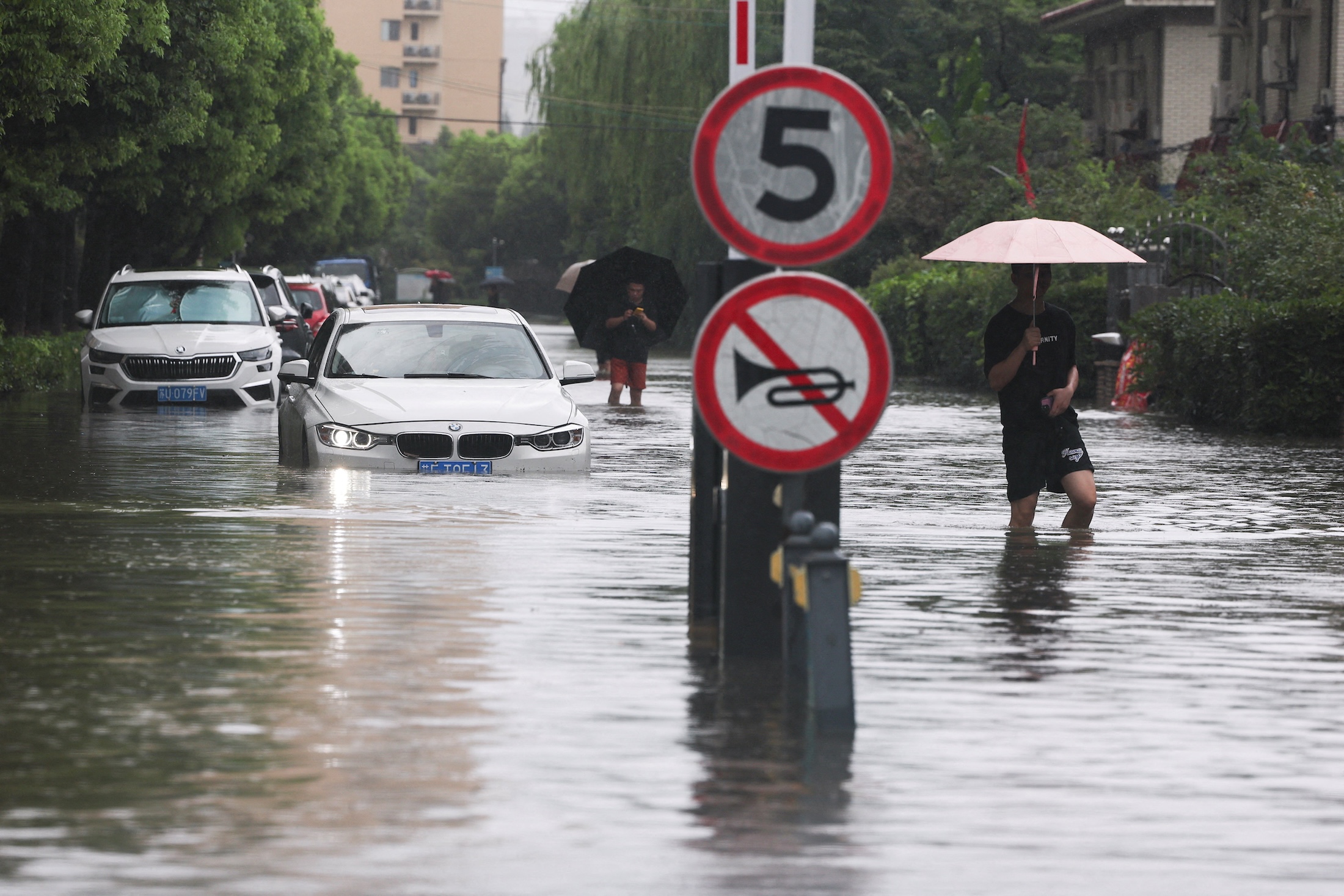
BEIJING, China – China‘s strongest typhoon this year lashed wide swathes of the country, battering the capital with bouts of intense rain that flooded key roads and stranded vehicles, after setting new rainfall records in central and eastern provinces.

The world’s second-largest economy is increasingly battling destructive weather that scientists link to climate change, especially this year, as an emerging El Niño pattern boosts temperatures and fuels more frequent and intense typhoons.

The capital declared its second-highest rainstorm warning, suspending 250 bus routes and shutting 150 tourist attractions, while 10 subway lines ran at reduced speed, the official Xinhua news agency said on Wednesday.

The downpours turned a multi-lane roadway in Beijing into a virtual river, bringing traffic to a standstill with cars and buses partially submerged, video images showed on China’s Rednote.

Its northern district of Changping received the highest hourly rainfall on Wednesday, authorities said, being doused with 90.7 mm (3.6 inches) within an hour after 9 a.m.

The typhoon has weakened this week after traveling 6,000 km (3,700 miles) to hit land on Sunday in the eastern province of Zhejiang, but its remnants are drawing tropical moisture deep inland, threatening floods.

Scores of cars crowded a bridge that stayed above the encroaching floods in the province’s coastal city of Yuhuan after almost 200 mm (8 inches) of rain that submerged nearby streets, social media footage verified by Reuters showed.

State media said rainfall records were shattered in parts of Zhejiang and the central provinces of Henan and Hubei this week.

Records for a single day of rain in August were smashed in the city of Wugang, home to one of China’s largest steel companies, which received 209.5 mm (8.2 inches) of rain, while Xiangyang received 169.1 mm (6.6 inches).

People in northern and central regions geared up for more days of rain from the remnants of the storm’s vast rain bands.

Chinese meteorologists are reaching for a new generation of artificial intelligence weather models to bolster traditional forecasting systems and beef up resilience to extreme weather.

Each year, extreme rainfall causes billions of dollars in economic losses as manufacturing is disrupted and crops are washed away. – Rappler.com

Similar Posts

  • | | |

    Oil tanker hit near Oman coast, engine room damage…

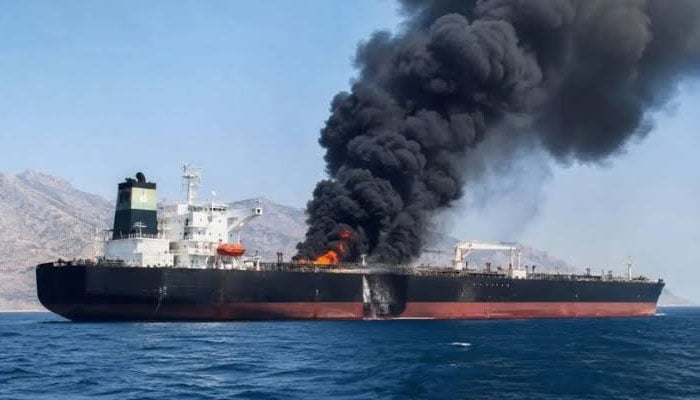
    MUSCAT: A commercial oil tanker came under attack off the coast of Oman on Saturday after being struck by an unidentified weapon, raising fresh concerns over maritime security in one of the world’s busiest energy shipping corridors. According to the United Kingdom Maritime Trade Operations (UKMTO), the incident occurred approximately 11 nautical miles northeast of Lima, a coastal area in Oman. The organization said the vessel was hit by an unknown weapon, causing damage to its engine room. The impact reportedly left the tanker without propulsion, forcing the crew to deal with a loss of control while emergency procedures were initiated. Despite the damage, no casualties or injuries have been reported, and all crew members are believed to be safe. Authorities have not yet identified the source of the attack or disclosed the identity and flag of the vessel. Maritime security agencies are closely monitoring the situation as investigations continue. The latest incident comes at a time of heightened tensions across regional waters, where commercial vessels have increasingly faced security threats. Shipping companies operating in the Gulf and nearby sea lanes have been urged to remain vigilant and follow updated security guidance while transiting through the area. The waters surrounding Oman, particularly routes connecting the Gulf of Oman and the Arabian Sea, are vital for global energy supplies, carrying millions of barrels of crude oil and petroleum products every day. Any disruption in these sea lanes has the potential to affect international shipping and energy markets. Maritime analysts say even isolated attacks can increase insurance costs, delay cargo movements and intensify concerns among global shipping operators. Omani authorities and international maritime organizations are expected to release further details once the investigation progresses. Meanwhile, commercial vessels in the region continue to receive security advisories as officials assess the circumstances surrounding the latest attack.

  • | | |

    Cristiano Ronaldo hints at retirement, says upcomi…

    Football superstar Cristiano Ronaldo has hinted that his retirement could be closer than expected, saying the upcoming year will probably be the final year of his playing career. The 41-year-old Portugal captain made the comments in an interview with lifestyle magazine Vogue, saying he wants to leave behind a “spectacular legacy” when he eventually walks away from football. Ronaldo has enjoyed one of the most successful careers in football history. Since making his senior debut for Sporting in 2002, he has won major trophies with Manchester United, Real Madrid, Juventus and his current club, Al-Nassr. He has also won the Ballon d’Or five times. Despite his extraordinary list of achievements, Ronaldo was unable to add a FIFA World Cup title to his collection after Portugal fell short at the 2026 tournament. The forward has scored 976 goals for club and country during a career spanning more than two decades. He is now continuing with Al-Nassr as he approaches the remarkable milestone of 1,000 career goals. Ronaldo also acknowledged that retirement would leave a major gap in his life. He said he plans to spend more time travelling, playing and watching padel, and enjoying life away from professional football. His comments have intensified speculation about when one of football’s greatest careers will finally come to an end.

  • | | |

    Iran warns of regional oil disruption

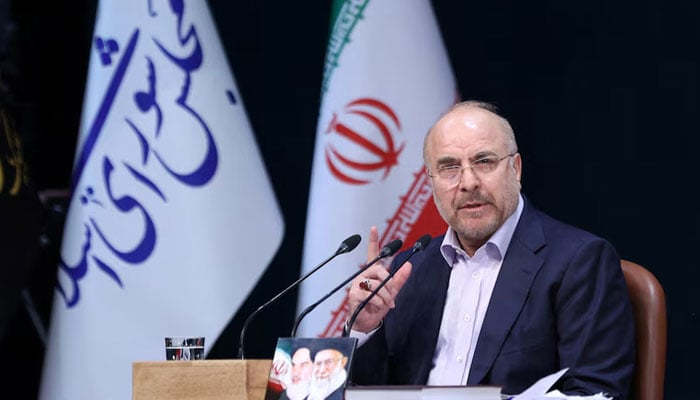
    Iranian Parliament Speaker and senior negotiator Mohammad Bagher Ghalibaf has issued a strong warning over the escalating tensions in the region, saying that if Iran cannot safely export its oil, no other country in the region should expect to continue selling oil without facing consequences. In a statement, Ghalibaf warned that regional security cannot remain selective. He said that unless Iran’s security and interests receive protection, critical infrastructure across the region could also face serious risks. Ghalibaf also argued that ensuring the security of the Strait of Hormuz requires the absence of U.S. military forces from the area. The strategically important waterway serves as a major route for global energy shipments, making any threat to its stability a matter of international concern. The warning comes amid heightened tensions between Iran and the United States. After U.S. President Donald Trump reportedly threatened to target Iranian power plants and bridges, Iranian officials responded with warnings that they could strike bridges and other critical infrastructure in countries across the region. A senior Iranian official also claimed that the United States should have learned from the recent 10-day conflict that Iran has the capability to launch attacks wherever it chooses. The remarks reflect Tehran’s increasingly forceful stance as tensions continue to rise and both sides exchange threats over military targets and regional security. The latest statements have raised further concerns about the potential for the conflict to spread beyond Iran and directly affect vital infrastructure and energy routes throughout the Middle East.

  • |

    US fuel opens a capitalist crack in Cuba

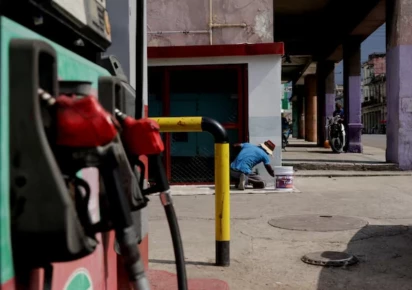
    HAVANA: Gasoline selling for as much as $38 a gallon, diesel advertised on social media and fuel stored inside cramped apartments are offering an unusual glimpse of private enterprise in communist Cuba, where the energy sector has long remained firmly under state control. A US policy allowing American companies to export fuel to private Cuban businesses has triggered an unexpected transformation. As Cuba struggles with shortages, blackouts and a weakened public transport system, imported fuel is creating a growing private market — while also exposing a sharp divide between those who can afford it and millions who cannot. The change follows the collapse of Cuba’s traditional fuel supplies from Venezuela and Mexico after the United States removed Venezuelan President Nicolas Maduro in January. With sanctions discouraging tankers from sailing toward the island, fuel shortages have increasingly affected transport, hospitals, schools and other essential services. Under an exception to Washington’s oil restrictions, however, private Cuban restaurants, retailers, taxi operators and other businesses have been allowed to import fuel. The impact has been striking. Between February and May, around 900,000 barrels of US fuel entered Cuba — enough to meet only about nine days of the country’s energy requirements. Yet those relatively small shipments have helped create a new network of legal wholesalers, private buyers and illegal resellers. Gasoline becomes a luxury For ordinary Cubans, the new fuel market has often brought frustration rather than relief. On a July afternoon in Havana, 53-year-old Amarilis Sanchez waited for hours at a bus stop after attending her daughter’s birthday celebration. Public buses, which normally cost only two pesos, were unreliable. Nearby, taxi drivers offered rides in vintage cars, but one driver quoted Sanchez 1,000 pesos for the journey — roughly 500 times the price of a bus ride. Unable to afford it, Sanchez considered spending the night at her daughter’s home and trying again for a bus the following day. Her experience illustrates how Cuba’s fuel crisis is creating two very different realities: one for people with access to private vehicles and imported fuel, and another for those dependent on the country’s struggling public transport network. Black-market gasoline prices reportedly reached $10 per litre, or about $38 per gallon, during the spring before falling as imports increased. Social media fuels a new market The emerging trade is increasingly visible online. WhatsApp groups and Facebook pages advertise gasoline and diesel, while some sellers store fuel in apartments and small shops despite the dangers posed by fire, explosions and toxic fumes. At one Havana convenience store, a shopkeeper reportedly kept around a dozen 20-litre fuel containers in a backroom, selling gasoline for approximately $5 per litre. Private companies are also moving into the newly emerging legal wholesale market. By late July, almost 200 Cuban businesses had received permission to distribute fuel wholesale to other private companies. One company, A Granel, advertises diesel through social media and charges $2.50 per litre for a 940-litre tank. The promotion reportedly features a model walking through a warehouse of diesel containers while Daddy Yankee’s famous song Gasolina plays in the background — an unusually flashy image for a country where the energy industry has historically been dominated by the state. Are Cuban gas stations next? The transformation could go further. Cuban lawmakers approved a broad package of economic reforms in June aimed at opening the energy sector to private and foreign investment. Prime Minister Manuel Marrero Cruz later announced that Cuba had approved its first foreign investment project focused on importing and selling fuel, although he did not name the company. The reforms have raised the possibility that private operators could eventually take control of some of Cuba’s familiar state-run Cupet petrol stations. For now, however, retail fuel sales remain largely under state control. Some state-owned stations are storing imported fuel but can distribute it only to vehicles belonging to authorised private businesses. Cuban authorities have defended the reforms while rejecting the idea that they represent a move toward large-scale privatisation. President Miguel Diaz-Canel has accused Washington of imposing a “genocidal siege” on Cuba and said economic changes were not being introduced to satisfy the United States. A lifeline with a heavy price The new fuel market has helped prevent some businesses from shutting down completely. During recent power outages, restaurants and shops with generators powered by imported fuel remained illuminated while much of Havana was plunged into darkness. But experts warn that the emerging system could deepen inequality. With the average government salary reportedly around $10 a month, imported gasoline remains unaffordable for most of Cuba’s roughly nine million residents. Cuban sociologist Mayra Espina said the limited fuel supplies had helped prevent “complete paralysis” but warned that the benefits were overwhelmingly concentrated among those able to pay. The result is an extraordinary contradiction: a small opening toward private enterprise is helping Cuba keep parts of its economy running, while simultaneously making access to basic mobility and energy increasingly dependent on wealth. For a country that has spent decades keeping fuel firmly within the state system, Cuba’s new gasoline economy may therefore prove to be more than a temporary response to shortage. It could become an early test of how far Havana is prepared to let capitalism into one of its most tightly controlled sectors.

  • |

    Ousted Bangladeshi leader Sheikh Hasina vows December return despite facing execution

    Former Bangladeshi Prime Minister Sheikh Hasina has announced plans to return to her home country in December, despite facing a death sentence following her conviction for crimes against humanity. Speaking via audio broadcast to journalists at the Foreign Correspondents’ Club in Delhi, her first direct address to the press since being ousted in August 2024, the 78-year-old former leader acknowledged the grave risks associated with her return. “I know that they may put me in jail or they may kill me, anything may happen, but still I have to go back.” Hasina stated, while declining to reveal specific travel dates or logistics. Hasina fled to India two years ago following a mass student-led uprising that ended her 15-year rule. Last year, a special tribunal in Dhaka sentenced her to death in absentia after prosecutors presented evidence, including verified audio recordings, showing she authorised the use of lethal force against demonstrators. UN reports estimate that up to 1,400 people were killed during the crackdown. Hasina continues to reject the charges as politically motivated, alleging that external groups transformed student protests over government job quotas into a violent movement. The announcement has heightened diplomatic tensions between New Delhi and Dhaka. Bangladesh’s newly elected government, led by Prime Minister Tarique Rahman of the Bangladesh Nationalist Party (BNP), expressed outrage over India permitting Hasina to address international media, renewing its demands for her immediate extradition. Meanwhile, analysts suggest Hasina’s high-stakes gamble aims to re-energise her banned party, the Awami League, whose supporters face increasing political isolation and violence ahead of her proposed return.

  • | | |

    Google releases Android 17 QPR2 beta 3 with new fe…

    Google has released Android 17 Beta 3, also known as the QPR2 Beta 3 update, for eligible Pixel devices. The latest beta includes bug fixes as well as several new features and customization options. One of the biggest changes is a redesigned Quick Settings editor. The feature will allow users to arrange toggles and settings according to their preferences. Users can also choose which Quick Settings tiles appear in larger formats. Google is further expanding customization by allowing users to adjust the position of the brightness slider and media player. Additional theming options are also reportedly being prepared for the final release, including adjustable colour hues and more blur effects across different parts of the interface. The Android 17 Beta 3 update also introduces new call-protection features designed to help users avoid social-engineering scams. Additional confirmation dialogs may appear when users dial numbers associated with call forwarding, reducing the risk of unknowingly redirecting their calls to another number. The QPR2 Beta 3 update is currently available to eligible Pixel devices through the beta programme. While some features are already available for testing, Google is expected to introduce further improvements before the stable Android 17 release.

Leave a Reply

Your email address will not be published. Required fields are marked *