gazans welcome hamas
|

Gazans welcome Hamas disarmament plan but remain doubtful of Israeli withdrawal

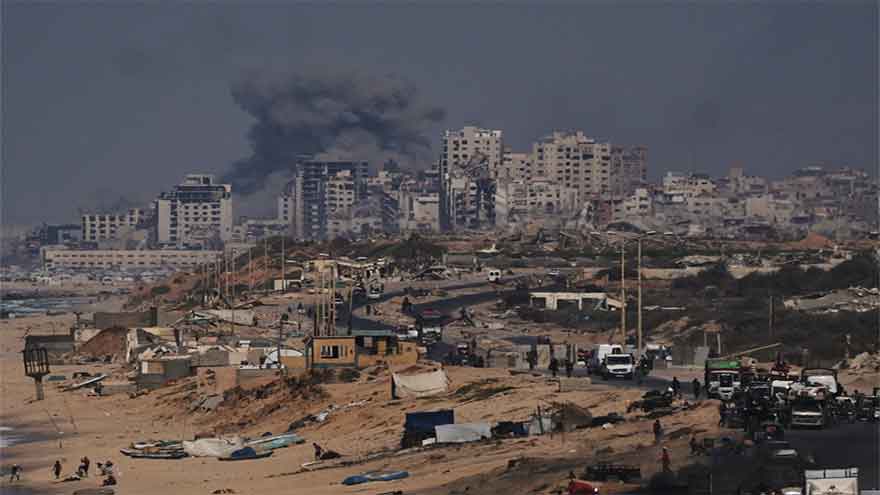
Many Palestinians in Gaza have cautiously welcomed reports that Hamas has agreed to disarm under a new United States backed proposal, hoping it could eventually bring an end to the devastating conflict. However, despite this small sign of progress, many remain unconvinced that Israel will withdraw its forces or that lasting peace is within reach.

US President Donald Trump recently announced that Hamas had accepted a plan to surrender its weapons as part of a broader roadmap aimed at stabilising Gaza and beginning reconstruction. Hamas later confirmed the agreement. Even so, Israeli military operations have continued, leaving many residents uncertain about whether the proposal will lead to any real change. Thousands of families remain displaced, while many others continue living in overcrowded tent camps where shortages of food, clean water, medicine and proper sanitation have created severe humanitarian conditions. Disease outbreaks and poor living conditions have become an everyday reality for much of the population.

For many Palestinians, survival remains the immediate concern. Abdel Moneim Aboul Roos, a 24 year old tuk tuk driver who lost a leg in an Israeli airstrike, said discussions about disarmament and troop withdrawals mean little while people continue to struggle for basic necessities. He said access to food and medical care matters more than political agreements that have yet to improve conditions on the ground.

The latest proposal builds on a ceasefire agreement reached last year with US support. That deal ended large scale fighting for a period, secured the release of Israeli hostages and increased humanitarian aid entering Gaza. It also included plans for a gradual Israeli military withdrawal, the formation of an international stabilisation force and the dismantling of Hamas’ weapons. However, the agreement soon stalled as both Israel and Hamas accused each other of violating its terms. Hamas retained its weapons while Israeli forces remained in the territory, causing negotiations to break down.

The newly announced roadmap provides more detailed arrangements for transferring Hamas’ weapons to a technocratic Palestinian administration. According to the proposal, Israel would not participate in the disarmament process and would instead halt military operations to allow political transition and reconstruction efforts to move forward. Despite these commitments, many Gazans remain deeply sceptical because previous promises of peace failed to deliver lasting results.

Displaced resident Ayman Ahmed said people have repeatedly been told that the war would end, only to see the violence continue. While he hopes Hamas eventually lays down its arms, he believes such a step is unlikely in the near future and expressed frustration that ordinary Palestinians continue to suffer while political leaders remain divided.

The conflict began after Hamas launched its October 2023 attack on southern Israel, killing around 1,200 people and taking hundreds of hostages. Israel responded with a large military campaign in Gaza that has caused widespread destruction and heavy casualties. According to Gaza health authorities, more than 73,000 Palestinians have been killed during the war, while the fighting has displaced most of the territory’s population. The figures do not distinguish between civilians and fighters, although officials say women and children account for a large share of those killed.

Many residents also fear that Israel has no intention of fully leaving Gaza even if Hamas is disarmed. Israeli officials have not publicly endorsed the latest roadmap and anonymous government sources have suggested that it does not match Israel’s security objectives. They have also indicated that Israeli forces intend to remain along the Yellow Line, a military zone separating Israeli controlled territory from the rest of Gaza. The military has strengthened its positions in these areas by building defensive barriers and carrying out demolition operations, leaving many displaced families uncertain whether they will ever return to their homes.

Despite these fears, many Palestinians continue to hold onto hope. Anas Nakla, whose home in Rafah was destroyed during the war, said he still dreams of returning with his family even though nothing remains of his house. Mohamed Hamad, displaced from northern Gaza, believes that if the new plan results in even a partial Israeli withdrawal, it would restore hope that one day all displaced families could rebuild their lives in their own communities.

Similar Posts

  • |

    Justice delayed for Imam and Muhammad Umar

    Hani Rasheed Through the pages of your esteemed newspaper, I wish to draw attention to the tragic case of Imam and Muhammad Umar, two brothers whose family is still waiting for justice. Their suffering has raised serious questions about the protection of innocent citizens and the effectiveness of our justice system. The pain of their family cannot be ignored. When innocent people suffer and justice is delayed, public trust in the law is badly affected. Every citizen deserves protection, dignity and a fair investigation, regardless of their background. The authorities must take immediate notice of this case and ensure a transparent investigation. Those responsible must be held accountable according to the law. Justice should not depend on influence or power. The family of Imam and Muhammad Umar deserves answers, and the people deserve justice. I hope the relevant authorities will act without further delay and provide justice to the affected family

  • | | | |

    Iraq demands proof over Saudi attack claims

    BAGHDAD: Iraq has rejected allegations that its territory was used to launch attacks against Saudi Arabia and has called for evidence to support the claims. A spokesperson for the Commander-in-Chief of the Iraqi Armed Forces said no country or organisation had presented proof that attacks on Saudi Arabia originated from Iraqi soil. The spokesperson said Iraq remained committed to protecting its sovereignty and preventing its territory from being used to threaten neighbouring countries. He added that the government was implementing measures to strengthen national security and maintain full control over the country’s borders and military activities. The statement came after reports linked Iraq to attacks on Saudi Arabia, increasing tensions in an already volatile region. Following recent US and Saudi military strikes inside Iraq, the Iraqi National Security Council convened an emergency meeting to assess the security situation. During the meeting, the council condemned the attacks and described them as a violation of Iraq’s sovereignty. Officials stressed that all hostile actions carried out on Iraqi territory were unacceptable. The council said the Iraqi government alone has the authority to decide how to respond to any attacks launched from within the country. It warned against any unilateral military action that could further destabilise the region. The office of Iraqi Prime Minister also issued a statement reaffirming Baghdad’s policy of keeping Iraq out of regional conflicts. The statement said the government would continue to pursue diplomatic and legal measures to protect the country’s sovereignty, security and political stability. The latest developments follow joint US and Saudi air strikes targeting locations believed to be used by Iran-backed militias in Iraq. The strikes were reportedly carried out in response to drone attacks on Saudi oil facilities. According to the Popular Mobilisation Forces (PMF), the attacks targeted its headquarters and facilities across seven Iraqi provinces. The group said at least 20 of its personnel were killed, while another 32 were injured in the air strikes. It added that the heaviest attack took place in Nineveh province, where 10 fighters lost their lives. The military action has further raised concerns about growing instability in the region and the possibility of wider confrontation involving regional and international powers.

  • |

    UK government announces crackdown on subscription traps 

      British Prime Minister Andy Burnham has announced a new package of measures aimed at easing financial pressure on households as the UK continues to face concerns over the cost of living. The government says it will take action against business practices that can leave consumers paying more than expected, including misleading discounts and difficult-to-cancel subscriptions. The measures form part of Burnham’s wider “everyday fixes” agenda, which focuses on addressing common financial frustrations faced by families across the country. One of the first priorities will be an accelerated crackdown on so-called “subscription traps”, under which consumers can find themselves automatically paying for services they no longer want. The government also plans to tackle misleading pricing practices used by retailers. These include fake “was” prices, invented reductions and misleading recommended retail prices that can make a product appear to offer a much larger discount than it actually does. The changes are intended to prevent businesses from artificially increasing the price of an item before reducing it, creating the impression that shoppers are receiving a significant bargain. Burnham said consumers should be able to trust the discounts advertised to them, particularly at a time when household budgets remain under pressure. He argued that if a product is promoted as being half price, customers should be confident that they are genuinely receiving a 50% reduction. Subscription services are another major focus of the government’s plans. According to government figures, there are approximately 155 million active subscriptions across the UK, while unwanted subscriptions cost consumers around £1.6 billion every year. The average consumer has several subscriptions, ranging from streaming and entertainment services to magazines, beauty products and other recurring services. Under the new rules, companies will be required to provide clearer information before customers sign up and remind them when free or discounted trials are approaching their end. Businesses will also have to make cancellation procedures significantly easier. Consumers who sign up online will be able to cancel through a straightforward online process rather than being forced to navigate lengthy telephone calls or complicated cancellation systems. Another important protection will be a 14-day cooling-off period following the end of certain trials or the renewal of long-term contracts. This will give customers additional time to reconsider a subscription and leave if they no longer want it. The government estimates that consumers could save an average of £14 a month for every unwanted subscription they successfully cancel early. Overall, the wider consumer-protection measures are expected to provide substantial financial benefits to households. The subscription rules are being brought forward from the previous timetable, with the government aiming for the new protections to take effect in January 2027. The changes are designed to give consumers greater control over their spending while putting greater responsibility on companies to make their pricing and cancellation policies transparent. Burnham has described the measures as an effort to make everyday life fairer and less frustrating for British families. While the reforms will not resolve every aspect of the cost-of-living pressures facing households, the government says they are intended to deliver practical savings and prevent consumers from being caught out by unfair commercial practices.

  • |

    Trump aide impersonator texts UK PM, sparking security scare

    A security mystery has emerged after an individual posing as White House Chief of Staff Susie Wiles reportedly exchanged text messages with UK Prime Minister Andy Burnham. The communications have raised concerns in both Britain and the United States. Officials are examining how the impersonator was able to establish contact with the British prime minister. According to reports, Burnham received a limited number of messages from the individual while he was campaigning for office. The communication reportedly continued for a short period after he became prime minister. Sources familiar with the matter said the messages were ultimately considered to be of no significant consequence. However, the incident triggered concerns because the impersonator claimed to represent a senior White House official. The matter was serious enough for the British embassy in Washington to raise the issue directly with the White House. British officials initially considered the possibility that the real Susie Wiles’ phone, contact information or communications may have been compromised. Authorities therefore examined whether the incident involved a wider security breach. The identity of the person behind the impersonation remains unclear. The incident has highlighted the growing risks posed by sophisticated impersonation scams. High-profile political figures are increasingly being targeted by individuals who attempt to gain their trust by pretending to be senior officials or influential public figures. Similar incidents have previously involved prominent American politicians and business leaders. In such cases, scammers have used false identities and digital communications to establish contact with their targets. The latest case has attracted particular attention because of the positions held by the people involved. Wiles is a senior figure within the White House, while Burnham is the UK prime minister. Despite the security concerns, there is currently no indication that sensitive information was exchanged during the messages. Sources described the content of the communications as having no significant impact. Downing Street has declined to discuss the specific details of the incident. British officials have maintained that national security matters are not normally discussed publicly. The White House has also declined to comment on the reported communications or the identity of the impersonator. The incident nevertheless raises questions about how the individual obtained access to Burnham and successfully presented themselves as a senior White House official. Officials are expected to examine the communication trail and other available evidence to determine how the impersonation occurred. The case also highlights the challenges faced by governments in verifying digital identities. Text messages and other online communications can make it easier for individuals to impersonate senior officials, particularly when they use convincing names, photographs or other identifying details. For now, the mystery surrounding the impersonator’s identity remains unresolved. Authorities have not publicly identified the person responsible or confirmed whether the incident was part of a broader campaign.

  • | | |

    SC orders Imran’s transfer to Shifa Hospital

    The Supreme Court has directed authorities to transfer Pakistan Tehreek-e-Insaf founder Imran Khan from Adiala Jail to Shifa International Hospital for medical assessment and treatment. The order was issued by a three-member bench headed by Justice Shahid Waheed. Justice Naeem Akhtar Afghan and Justice Ishtiaq Ibrahim were also part of the bench. The court was hearing petitions related to Imran’s medical treatment, access to his personal doctors and meetings with family members. The bench also ordered authorities to submit Imran’s complete medical record before the next hearing. Justice Waheed questioned why the court had been provided with only a summary instead of the full medical file. The judge said the court wanted the complete record to properly assess Imran’s health condition. The matter came under discussion after a medical report submitted by Adiala Jail authorities highlighted concerns about Imran’s health. Justice Waheed noted that the reports indicated abnormalities in his pulse and heart condition and suggested that his vital organs could be affected. The bench also discussed a recommendation for angiography. Justice Afghan asked whether the procedure could be performed inside the jail. The Islamabad advocate general told the court that angiography could be carried out at a hospital outside the prison. PTI lawyer Uzair Bhandari raised concerns about the cause of an alleged blood clot and requested access for Imran’s personal physicians. He sought permission for Dr Asim Yusuf and Dr Faisal Sultan to meet Imran. The court discussed the qualifications of the doctors proposed for the visit and noted that no formal challenge had been made to the doctors who had already examined the former premier. The court also addressed the issue of media statements following meetings with Imran. Bhandari assured the bench that family members and doctors would not speak to the media after meeting the PTI founder. The Islamabad advocate general said an earlier undertaking regarding media interactions had allegedly been breached. The matter is also pending before the Islamabad High Court. Senior PTI lawyer Salman Akram Raja argued that responsibility should not automatically be placed on others if an undertaking had been violated. Justice Waheed warned that if contempt proceedings were initiated against officials for violating court directions, similar action could also be considered against lawyers or other individuals who breached court orders. The bench said the PTI and Imran’s family would have to provide an undertaking that no media briefing would take place after meetings. Justice Afghan also urged the PTI to avoid turning Imran’s medical condition into a political dispute. The court separately examined restrictions on meetings between Imran and his sisters. Justice Waheed said meeting family members was a fundamental right and should not be treated as a special favour. Authorities told the court that Imran had met his sisters 48 times during the past three years. The court ordered officials to submit complete details of all those meetings. It also sought records concerning Imran’s communication with his sons, including call detail records. The bench further directed authorities to provide comprehensive information about the cases against Imran. The court wants details of cases in which he is an under-trial prisoner, cases resulting in convictions and matters where sentences have been suspended. Adiala Jail officials were summoned to appear before the court at the next hearing. The court also questioned the implementation of Islamabad High Court directions concerning meetings with Imran. The Islamabad advocate general said the matter was pending before the high court in an intra-court appeal. The hearing was adjourned until after the summer vacation. Medical report submitted to court A two-page medical report submitted by the Adiala Jail superintendent provided details of Imran’s treatment and health monitoring during his imprisonment. The report said Imran had received treatment from ophthalmologists in Islamabad and Rawalpindi for central retinal vein occlusion, an eye condition diagnosed previously. According to the report, his affected eye had shown significant improvement and had almost returned to normal vision. The report also contained a summary of 39 medical examinations conducted by various specialists between November 4, 2023 and August 10, 2026. Several government doctors examined Imran during this period. Jail authorities said records of the consultations had been maintained. Medical officers at the jail also monitored his food and fluid intake three times a day and conducted regular health checks. The report stated that Imran and his wife had been meeting every Tuesday under jail rules. A total of 84 such meetings had reportedly taken place.

  • | |

    Ishaq Dar urges global support for gulf peace effo…

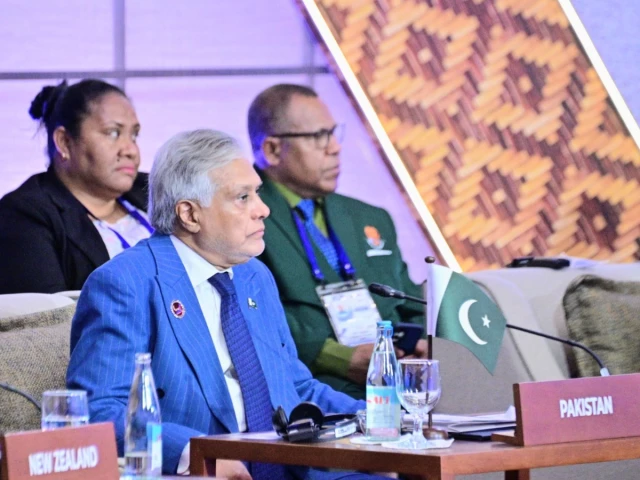
    Deputy Prime Minister and Foreign Minister Ishaq Dar has urged the international community to build on recent diplomatic progress in the Gulf region, emphasizing that the opportunity to achieve lasting peace should not be wasted. Speaking at the 33rd ASEAN Regional Forum (ARF) Ministerial Meeting in Manila, Dar stressed the importance of continued dialogue, diplomacy, and constructive engagement to maintain regional stability. Dar, who arrived in the Philippines with a high-level delegation, is attending the ARF Plenary Meeting and holding bilateral discussions with foreign ministers on the sidelines of the forum. During his address, he noted that recent developments in the Gulf have had far-reaching consequences for countries across the region, making it essential for all stakeholders to work together to prevent further instability. The foreign minister highlighted Pakistan’s role in promoting peace by facilitating diplomatic efforts that contributed to a ceasefire in the Gulf. He referred to the Islamabad Talks, held after a gap of 47 years, followed by the signing of the Islamabad Memorandum of Understanding in Bürgenstock. According to Dar, these initiatives reflected Pakistan’s commitment to peaceful conflict resolution and regional stability. He expressed gratitude to the United States, Iran, Gulf nations, and other international partners for placing their trust in Pakistan’s diplomatic efforts. Describing the recent progress as the result of patient negotiations and dialogue, Dar warned that these achievements must be safeguarded through continued engagement rather than allowing tensions to resurface. Dar reaffirmed Pakistan’s commitment to supporting every initiative aimed at restoring peace and security in the region. He urged all parties to exercise restraint, fulfill their commitments, and prioritize diplomatic solutions over confrontation. He also expressed hope that ongoing negotiations would help restore normal shipping operations through the Strait of Hormuz, a vital international trade route. At the beginning of his speech, Dar thanked the Philippines for hosting the ministerial meeting and reaffirmed Pakistan’s support for dialogue, mutual respect, and peaceful coexistence. He described the ASEAN Regional Forum as a key platform for regional security cooperation and welcomed the adoption of the Manila Plan of Action (2026–2036), pledging Pakistan’s support for its successful implementation. Addressing South Asian affairs, Dar reiterated Pakistan’s position that the unresolved Jammu and Kashmir dispute remains a major source of regional instability. He called for a peaceful resolution based on the United Nations Charter, relevant UN Security Council resolutions, and the wishes of the Kashmiri people. He also voiced concerns over India’s decision to suspend the Indus Waters Treaty, describing the move as a unilateral action that could threaten Pakistan’s water security and the livelihoods of millions of its citizens. Dar urged the international community to support international law and encourage peaceful solutions to regional disputes. Speaking on the humanitarian crisis in Gaza, Dar described the situation as deeply concerning and called for immediate international action to prevent further suffering. He reaffirmed Pakistan’s longstanding support for the Palestinian people’s right to self-determination and the establishment of an independent Palestinian state based on the pre-1967 borders, with Al-Quds Al-Sharif as its capital. Concluding his address, Dar highlighted Pakistan’s sacrifices in the global fight against terrorism, noting that the country has lost more than 80,000 lives and suffered significant economic losses. He reaffirmed Pakistan’s determination to continue working with the international community to promote peace, stability, and security both regionally and globally.

Leave a Reply

Your email address will not be published. Required fields are marked *