independent experts confirm
|

Independent experts confirm pellet-gun injuries among protesters in Delhi

Independent ballistic and forensic experts have confirmed to the BBC that injuries sustained by protesters during the 20 July demonstrations in Delhi were caused by birdshot from 12-gauge pellet guns. The protests, led by the Cockroach Janta Party over repeated exam paper leaks, faced a heavy police and paramilitary crackdown near parliament.

While government ministers and Delhi Police have denied deploying pellet guns, insisting only batons and tear gas were used, hospital records, X-rays, and multiple victims verify dozens of small metal pellets embedded in bodies.

Among the injured is 19-year-old student Sahil Lochab, who risks losing an eye, and a journalist who documented 30 pellet wounds. If officially verified, this represents the first instance of Indian security forces using pellet guns for crowd control within the capital.

Similar Posts

  • | |

    FBR detects Rs10bn tax shortfall, issues notices t…

    ISLAMABAD: The Federal Board of Revenue (FBR) has issued notices to seven major oil marketing companies, including Pakistan State Oil (PSO), after detecting an alleged tax and levy shortfall of nearly Rs10 billion linked to imported petroleum products. According to official documents, the tax authority claims that the companies deposited less than the required amount in customs duty, petroleum levy and climate support levy based on the volume of petroleum products imported and unloaded at their storage facilities. The notices were issued after the FBR examined petroleum import and sales data, comparing the quantities of fuel handled by the companies with the taxes and levies paid into the national exchequer. The authority concluded that the payments made did not match the applicable liabilities. Reports indicate that the total amount identified by the FBR stands at Rs9.99 billion, prompting the revenue authority to seek explanations from the companies and direct them to clear the outstanding amounts. Among the companies named in the notices, Pakistan State Oil (PSO) faces the largest claim. According to the FBR, the state-owned oil giant is required to deposit approximately Rs8.19 billion in unpaid customs duty, petroleum levy and climate levy. The remaining amount is distributed among six other companies. Puma Energy and Pak-Arab Pipeline Company have jointly been asked to deposit around Rs135.3 million, while Hi-Tech Lubricants has been directed to pay Rs116.7 million. Similarly, B Energy Limited has been issued a notice for approximately Rs250 million, Taj Gasoline has been asked to deposit around Rs260.4 million, and Gas & Oil Pakistan Limited (GO) has been directed to pay approximately Rs222.2 million, according to the official figures. The FBR has warned all the companies that failure to respond to the notices within the prescribed time or to deposit the outstanding amounts could result in legal proceedings under the relevant tax laws. The development comes as Pakistan continues efforts to strengthen tax collection and improve revenue generation amid ongoing fiscal reforms. Authorities have intensified scrutiny of various sectors, including the petroleum industry, to ensure compliance with customs regulations and levy payments. The companies concerned have not publicly responded to the notices or the allegations at the time of filing this report. The FBR is expected to review their replies before deciding on any further legal or administrative action. The case is likely to attract significant attention given its financial scale and the role of the petroleum sector in Pakistan’s economy.

  • | | |

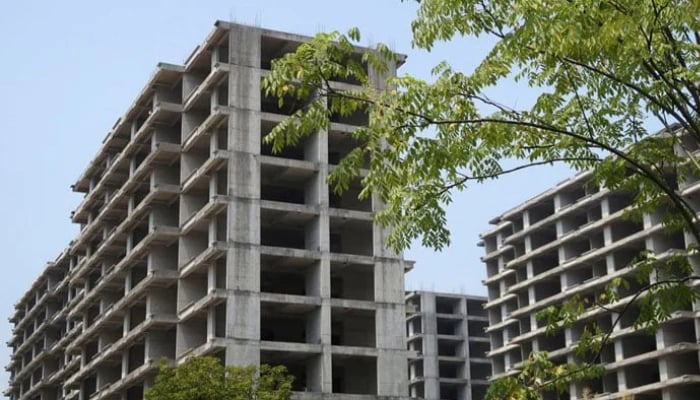
    Pakistan unveils major construction reforms to boo…

    ISLAMABAD: The federal government is preparing a wide-ranging reform package aimed at revitalising Pakistan’s construction industry, improving regulatory oversight and attracting greater investment in modern infrastructure. The proposed measures include the establishment of a Construction Industry Development Board (CIDB), consideration of a specialised Construction Development Bank (CDB), targeted tax reforms and changes to import and export policies. The proposals were discussed during a high-level meeting chaired by Federal Minister for Economic Affairs and Establishment Division Senator Ahad Khan Cheema. The meeting brought together senior government officials, representatives of the Construction Association of Pakistan and other stakeholders to examine the sector’s financial, regulatory and operational challenges. Under the proposed framework, the CIDB would promote the development of the construction industry while also regulating contractors, consultants and industry standards. The body would include representatives from both the public and private sectors and would seek to establish more consistent construction standards across the country. Senator Cheema said the government and the Construction Association of Pakistan were in agreement over the need for a dedicated regulatory and development body. The proposed framework will be presented to Prime Minister Shehbaz Sharif for approval. The government also plans to introduce targeted tax incentives and rationalise import and export policies to encourage the use of modern construction technologies and strengthen local production capacity. In a significant move to improve the quality and durability of public infrastructure, the standard Defect Liability Period for public development projects is expected to increase from one year to three years, with a longer-term plan to extend it to five years. The proposed reforms would also increase accountability for consultants. Unlike contractors, who can face penalties for poor performance, consultants currently have limited direct legal accountability. Under the new framework, consultants could be subjected to regulatory oversight and held financially and legally responsible for design defects and technical errors. The government is also examining the construction industry’s difficulties in obtaining financial and performance guarantees. Senator Cheema directed Minister of State for Finance Bilal Azhar Kayani to consult the State Bank of Pakistan and Pakistan Banks Association on these issues and assess the feasibility of establishing a dedicated Construction Development Bank. The government says the reforms are intended to ensure that public infrastructure projects deliver better value for money, remain durable and meet higher technical standards. Officials believe stronger regulation and accountability could reduce disputes, improve construction quality and bring Pakistan’s industry closer to international standards.

  • | |

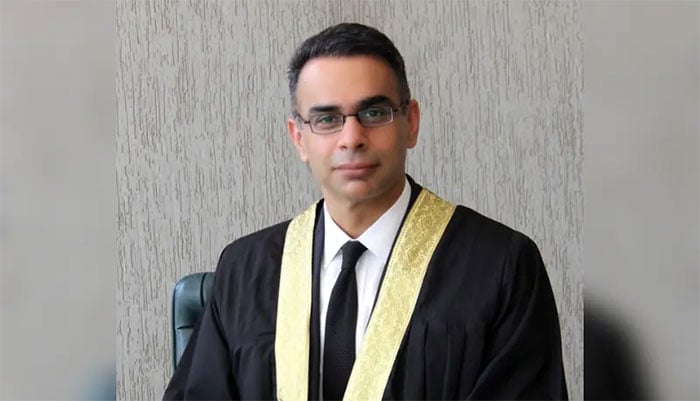
    Justice Babar Sattar told to vacate official house

    Justice Babar Sattar has been directed to vacate his official residence in Islamabad after the cancellation of its government allotment following his transfer to the Peshawar High Court. According to an official notice issued by the Registrar of the Islamabad High Court, Justice Sattar has been given 30 days to hand over the residence. The notice states that the Estate Office cancelled the allotment of the government house on July 3 after his transfer from the Islamabad High Court to the Peshawar High Court. The document explains that the one-month notice period began on July 3, the same day the official accommodation was withdrawn. Justice Sattar has been instructed to vacate the residence within that period in accordance with government rules governing official housing for judges transferred to another high court. The move follows Justice Sattar’s transfer to the Peshawar High Court, where he is expected to perform his judicial duties after leaving the Islamabad High Court. Sources familiar with the matter said that after the transfer, Justice Sattar did not apply for or obtain an official residence in Peshawar. Instead, he reportedly decided to continue staying in the government house allotted to him in Islamabad. The notice highlights that the cancellation of the residence allotment was carried out by the Estate Office, making the continued occupation of the house subject to the expiry of the notice period. The registrar’s office formally communicated the decision to ensure compliance with the applicable administrative procedures. The development comes as part of the routine administrative process that follows the transfer of judges between high courts. Under the existing rules, official accommodation is generally linked to the judge’s place of posting, and transferred judges are required to vacate residences allocated at their previous station once the prescribed notice period expires.

  • |

    Missing pet dog Duke returns to Wasim Akram

    Former Pakistan cricket captain Wasim Akram has been reunited with his missing pet dog, Duke, bringing an end to an anxious search that drew widespread public attention on social media. The dog had gone missing from DHA Phase 8 in Karachi earlier this week. Concerned about Duke’s disappearance, Akram appealed to the public for help in locating the pet and asked anyone with information to come forward. To encourage people to assist in the search, the former fast bowler announced a cash reward of Rs250,000 through his Instagram Story. In his message, he described Duke as a young black dog and requested that anyone who found him contact the family immediately. The appeal quickly gained traction online, with cricket fans, animal lovers and social media users sharing Akram’s posts in an effort to help locate the missing pet. The case also attracted the attention of local police, who assisted in the search. On Friday, Akram confirmed that Duke had been found safe. He shared the update through a video on social media, expressing his happiness and relief after being reunited with his beloved pet. The former captain thanked everyone who participated in the search, including members of the public who shared information and police officers who extended their support during the operation. He said the overwhelming response from people helped make the reunion possible. Akram also expressed appreciation for the kindness shown by well-wishers, saying the support received during the search reflected the compassion of the community. Meanwhile, his wife, Shaniera Akram, celebrated Duke’s safe return by sharing photographs of the dog on her Instagram Story. She also thanked everyone who had helped spread the family’s appeal and prayed for Duke’s safe recovery.

  • | |

    Naqvi: ‘Cockroach’ youth can overturn …

    Interior Minister Mohsin Naqvi has called for the creation of new administrative units and provinces, saying Pakistan’s current governance system has failed and requires fundamental reforms to meet the country’s future needs. Speaking at Pakistan’s first Economic Summit in Islamabad, Naqvi said the existing administrative structure could no longer effectively address the country’s growing challenges. He stressed that establishing new administrative units was essential for improving governance and ensuring sustainable development. “The system we are living under has collapsed,” he said. “New administrative units or provinces are the only way forward.” Naqvi said Pakistan would continue facing the same problems even a decade from now unless major structural reforms were introduced. He urged policymakers to focus on fixing the country’s basic governance framework instead of relying on temporary solutions. The interior minister also highlighted the concerns of Pakistan’s youth. He said young people are no longer satisfied with receiving laptops, scholarships or financial assistance alone. Instead, they want employment opportunities based on merit and a transparent system that guarantees fairness. He warned that growing frustration among young people should not be ignored. Referring to the younger generation, he said if they unite, they could bring significant political and social change. Naqvi also pointed to Pakistan’s financial challenges, saying the country continues to rely heavily on borrowing while its debt burden keeps increasing. He argued that meaningful economic improvement would remain difficult unless the overall governance system was reset. He praised Prime Minister Shehbaz Sharif’s commitment to work, saying the prime minister spends long hours addressing national issues. However, he added that even working 18 hours a day would not be enough if the country’s underlying system remained unchanged. The interior minister said political parties must set aside their differences and work together to introduce reforms. He urged all major stakeholders, including the government and opposition, to sit together and develop a long-term national strategy. Later, while speaking informally with journalists, Naqvi said the country’s institutions and political leadership must improve the system if Pakistan is to achieve lasting progress. He said the efforts of the military leadership alone would not be sufficient without governance reforms. He also said all political parties, including the Pakistan Tehreek-e-Insaf (PTI), should participate in efforts to improve the country’s governance structure. Responding to a question about the PTI founder, Naqvi said the matter would be decided by the courts. He also dismissed speculation about becoming foreign minister, saying he would continue serving as interior minister.

  • |

    Textile industry urges govt to end transport strike, warns of export disruptions

    ISLAMABAD: Pakistan’s textile industry has called on the government to take immediate measures to resolve the ongoing goods transporters’ strike, warning that a prolonged suspension of freight services could disrupt export shipments, restrict the supply of cotton and affect the operations of textile mills across the country. The All Pakistan Textile Mills Association (APTMA) has formally approached Federal Minister for Communications Abdul Aleem Khan, seeking urgent government intervention to restore the movement of goods and industrial cargo. According to the association, the All Pakistan Goods Transport Ittehad began an indefinite strike on August 8, creating significant logistical challenges for export-oriented industries, particularly the textile sector. APTMA Chairman Kamran Arshad said the strike had severely affected the availability of vehicles and containers required for transporting textile-related cargo. Export consignments awaiting shipment, imported cotton arriving through ports and locally purchased cotton being transported from markets to textile mills have all been affected by the disruption. The association said the lack of transportation was creating difficulties at multiple stages of the textile supply chain. Export containers cannot be moved efficiently, while imported raw materials face delays in reaching manufacturing facilities. At the same time, locally sourced cotton is also experiencing transportation constraints. APTMA cautioned that the timing of the strike was particularly concerning because cotton inventories at textile mills were already at relatively low levels following the end of the cotton season. Any prolonged interruption in the movement of cotton, it said, could eventually affect manufacturing activity as mills depend on a steady supply of raw materials to maintain production. The association warned that a slowdown in textile production could have broader economic consequences, including delays in export orders, disruption to employment and reduced foreign exchange earnings. Pakistan’s textile sector remains one of the country’s most important export-oriented industries, generating a significant share of the country’s foreign exchange through shipments of garments, textiles, yarn, fabrics and other related products. Industry-wide logistical problems could therefore have repercussions beyond individual mills and exporters. APTMA noted that the textile industry had faced similar transportation disruptions in the past, resulting in delays in export consignments, additional financial costs and interruptions to factory operations. The association stressed that cargo movement is an essential component of export activity and that any prolonged blockage could make it more difficult for exporters to meet delivery schedules agreed with international buyers. It urged the Communications Ministry to facilitate the immediate movement of essential industrial cargo while efforts continue to settle the dispute between transporters and the government. APTMA specifically called for priority arrangements for export containers, imported cotton and other raw materials, as well as locally procured cotton destined for textile mills. The association maintained that ensuring uninterrupted logistics was essential not only for the textile industry but also for protecting Pakistan’s export commitments and broader economic activity. APTMA has consequently appealed to the government to intervene on an urgent basis and establish arrangements that would allow the movement of critical industrial and export cargo until the transporters’ strike is brought to an end.

Leave a Reply

Your email address will not be published. Required fields are marked *