global recognition becomes

When global recognition becomes a local burden

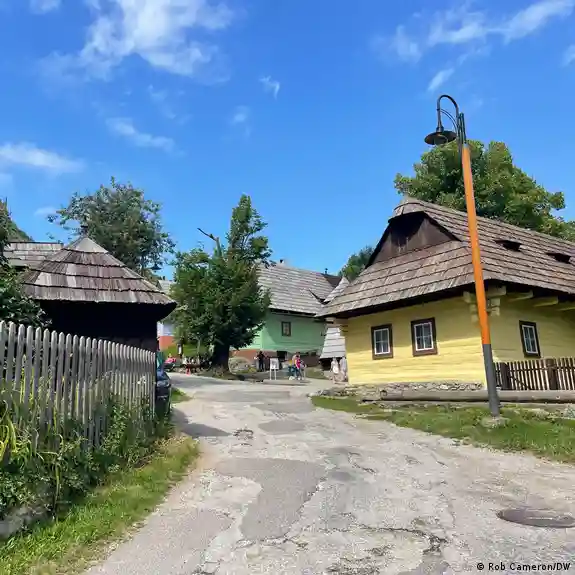
In the Carpathian Mountains of central Slovakia lies Vlkolínec, a preserved settlement. This village is renowned for its pastel-painted timber cottages and traditional 19th-century folk architecture. It was inscribed as a UNESCO World Heritage site in 1993. Vlkolínec was celebrated not merely as a set of historical buildings, but as a living community. A rare surviving traditional rural life in Central Europe.

However, three decades after receiving this prestigious designation, the small mountain is struggling with an existential dilemma. What was meant to be a cultural preservation has transformed into a challenge for the few villagers who still call Vlkolínec home. Now, frustration among permanent residents has reached a boiling point. There are calls to have the village removed from the UNESCO list altogether.

When UNESCO designated Vlkolínec as a World Heritage site, one of the criteria was that it remained an inhabited settlement. At the time of inscription, the village was home to around 200 residents. Today, that permanent population has declined to just 14 to 17 people spread across four core families.

In contrast to this dwindling resident count, Vlkolínec receives approximately 100,000 tourists every year. For the remaining inhabitants, the ratio of over 7,000 visitors per resident has basically altered the daily life. Locals report feeling as though they live inside a tourist zoo. The boundaries between public spaces and private homes are routinely ignored.

Despite signs requesting privacy, visitors frequently wander into private yards, peer through kitchen windows, and treat active properties as open-access museum displays. The loss of privacy is compounded by anti-social tourist behavior. This conduct has been leaving locals feeling alienated in their own hometown.

Overtourism is only one side of the coin. Residents also voice deep frustration over the rigid conservation framework that accompanies World Heritage status. Under national protection laws and strict UNESCO guidelines, historic homes face tight restrictions on modern modifications and physical alterations.

Elderly villagers point out that these preservation rules have made customary rural activities increasingly difficult. Small-scale farming, livestock keeping, and land cultivation have gradually vanished. Surrounding agricultural terraces have become overgrown. Traditional meadow mowing has largely ceased as older generations pass away and younger generations move away. Furthermore, many of the village’s timber cottages have been bought up by outside buyers to serve as weekend holiday retreats. This phenomenon has increased the loss of a permanent, cohesive community.

Some residents argue that revoking UNESCO status would reduce tourist pressure and ease regulatory burdens. However, municipal officials and heritage experts contend that delisting is neither practical nor the right solution.

Local administrators in the nearby town of Ružomberok emphasize that UNESCO status brings significant heritage recognition and funding opportunities. Rather than abandoning the title, officials advocate for smarter tourism management. From a procedural standpoint, voluntary delisting at the request of a local community is virtually unprecedented in UNESCO’s history. The organization typically removes properties only when they lose their outstanding universal value due to severe destruction or irreversible development.

The debate unfolding in Vlkolínec highlights a broader issue facing protected historic sites around the globe. How to balance global recognition and economic benefits with the rights and wellbeing of local inhabitants!

Small historic communities across Europe and beyond battle with overcrowding and demographic decline. Vlkolínec serves as a reminder that preserving physical architecture alone is not enough. Without protecting the living social fabric of a community, world heritage sites risk turning into empty shells of their former selves.


 

Similar Posts

  • How termites damage wood

    Termites can quietly damage wooden furniture, doors frames cupboards and other wooden items.  They often live in groups and feed on wood so ignoring them can lead to serious damage. Signs of termites You may notice a few common signs of termite activity. Wood may become swollen small mud like layers may appear around wooden items or solid wood may produce a hollow sound when tapped.  Termites can damage wood at any time of the year. If you notice a serious infestation it is better to contact a pest control professional. However for small or early infestations some simple home methods may help. Salt water Mix salt with lukewarm water until it dissolves completely. Put the mixture into a syringe and apply it to affected wooden areas such as door frames. This can be repeated for several days. However it may not completely remove a large infestation. Sunlight Direct sunlight may help reduce termite activity. Place affected furniture in strong sunlight for around 3 to 5 days if possible. Make sure the furniture can safely handle outdoor exposure. Neem Oil Neem oil is another commonly used home remedy. Apply a small amount directly to areas where termites are present.  It may help reduce termite activity although its effect can take time. Vinegar and lemon spray For a small affected area, mix half a cup of white vinegar with the juice of two lemons. Put the mixture in a spray bottle and apply it to the affected area. This can be tried twice a day for a few days. When to get Professional help Home remedies may be useful for small or early termite problems but they are not a guaranteed solution.  If termites have spread widely or are causing major damage professional pest treatment is the safer and more effective option.

  • Kids and healthy eating

    Fast food sugary drinks and packaged snacks have become a regular part of many children’s diets. As a result experts say more children are facing problems such as obesity poor nutrition weaker immunity and other  health issues. Health experts believe that instead of completely banning junk food parents should slowly encourage children to make healthier food choices. One of the best ways to do this is by setting a good example.  Children often copy their parents’ habits. When parents eat balanced meals choose fresh fruits and vegetables and enjoy homemade food instead of fast food children are more likely to do the same. Nutrition experts also suggest explaining why healthy food is important. Instead of simply saying “no” to junk food parents should help children understand that healthy meals support growth give them energy improve focus at school and help them stay active. Parents can also involve children in grocery shopping by letting them pick fruits and vegetables or help prepare simple meals. This makes healthy eating more fun and encourages better food choices. Keeping healthy snacks at home is another simple but effective step. Fresh fruit yogurt milk nuts salads boiled corn and healthy sandwiches are much better options than chips cookies or soft drinks. When healthy snacks are easy to find children are more likely to choose them. Experts also recommend limiting junk food instead of banning it completely. If fast food chocolate and sugary drinks are always available at home children will naturally want them more. Saving these treats for special occasions and serving them in small amounts can help create healthier eating habits. Physical activity is just as important as a healthy diet.  Parents should reduce children’s screen time and encourage them to play outside ride bicycles go for walks or take part in sports. Regular exercise improves overall health and can also reduce unhealthy snacking. Experts say that with patience consistency and a positive attitude parents can help children develop healthy eating habits that will benefit their health now and in the future.

  • AI eye test for heart disease

    A new study suggests that a simple eye scan could help predict a person’s risk of having a heart attack or stroke over the next 10 years. The scan takes a picture of the back of the eye a test that is already used to check for different eye diseases.  Researchers believe it may also reveal important signs about heart health. Scientists used artificial intelligence (AI) to study thousands of digital eye images. The AI system can examine a scan in less than a second and estimate a person’s future risk of serious heart problems. Researchers hope this quick test could one day become part of regular health checkups along with blood pressure and cholesterol tests. This may help doctors identify high risk patients earlier and start treatment before serious problems develop. The study focused on eye scans from people with type 2 diabetes because they already receive regular eye exams to detect conditions such as diabetic retinopathy. Lead researcher Dr. Efi Mordi said the eyes can provide valuable information about the heart. If the tiny blood vessels at the back of the eye become narrow or damaged similar changes may also be happening in the blood vessels that supply the heart. At first the AI was trained to look for signs of narrowed or blocked blood vessels. Later it also learned to recognize other small details such as the pattern and size of blood vessels. The system was trained using 4,200 eye images. The results were encouraging.  The AI correctly predicted the risk of a heart attack or stroke within the next 10 years with about 70% accuracy. Dr. Mordi said the eye scan takes less than a minute and is already part of routine eye examinations. If widely used it could help save lives by identifying people who need early treatment. Professor Bryan Williams of the British Heart Foundation called the technology an important step forward but said more research is needed before it becomes a standard medical tool. Dr. Clare Jonas from the Stroke Association also welcomed the findings. She said that if governments include technologies like this in healthcare planning they could help prevent many cases of stroke in the future. Experts believe this research is an important development and could lead to  AI powered eye scans becoming a routine part of future medical checkups.

  • Scientists uncover clue behind Antarctica’s mysterious blood falls

    Scientists have uncovered an important clue about the source of the mysterious red water flowing from Antarctica’s famous Blood Falls in Taylor Valley. The iron-rich and crimson-coloured saline water has fascinated researchers for decades. While its red color has long been attributed to the iron it contains, a new study offers fresh insight into where the water originated. According to research published in the journal Nature Geoscience, scientists have found molecular and genetic evidence indicating that the salty water flowing from Blood Falls has a marine origin. The findings strengthen the long-standing theory that the water was once part of an ancient sea. Researchers collected and analyzed 167 samples of water, sediment and air from Blood Falls and the surrounding area. The study found that samples from Blood Falls contained 9 percent eukaryotic genetic signatures associated with marine environments compared with only about 1 percent in samples collected from nearby locations. According to the researchers, the new evidence strongly supports the theory that the water at Blood Falls originates from a reservoir of ancient seawater that became trapped beneath the Taylor Glacier millions of years ago. The researchers said the presence of strong marine genetic signatures in the red saline water provides evidence that an ancient marine ecosystem once existed there before becoming isolated beneath Antarctica’s thick ice sheet. Scientists believe this discovery could improve our understanding of how microscopic organisms survive in some of the harshest environments on Earth. The findings may also help researchers investigate the possibility of life beneath the icy surfaces of other worlds, including Europa, one of Jupiter’s moons and Enceladus, a moon of Saturn.

  • Best fruits for children’s health and growth

    Every parent wants their child to grow up healthy active and protected from illness. However modern lifestyles and the growing popularity of fast food have changed many children’s eating habits. Many kids now prefer burgers, pizza and other junk food instead of fresh fruits. Nutrition experts say introducing children to a variety of fruits from an early age can help strengthen their immune system support healthy growth improve brain function and keep their bones strong. Apples are one of the healthiest fruits for children. They are rich in fiber vitamin C and other important nutrients that support growth and overall health. Eating an apple regularly may also help keep teeth and bones strong. Bananas are a great source of energy because they are rich in healthy carbohydrates.  They also contain vitamin B, vitamin C fiber and potassium which support the heart nerves and skin. Bananas can be eaten on their own or added to smoothies and other healthy snacks. Grapes are naturally sweet making them a favorite among children. They provide vitamin C, potassium fiber and antioxidants which help protect the body from infections and support a healthy immune system. Oranges are well known for their high vitamin C content. They also contain fiber and natural plant compounds that help the body fight common illnesses such as colds and flu. Experts recommend serving fresh oranges or fresh orange juice to children. Pineapple is packed with vitamin C, fiber manganese and a natural enzyme called bromelain. These nutrients support healthy bones brain development and a strong immune system. Pears provide fiber vitamins C and E and natural carbohydrates that give children energy. They are also considered a good fruit choice for supporting healthy digestion. Experts say fruits are an important part of a balanced diet and can help children stay healthy. However fruits should not replace medical care. If a child is sick or has ongoing health problems parents should seek advice from a qualified doctor to ensure proper treatment and nutrition.

  • Our Women Communicators of Tomorrow

    By: Mehreen Imambaksh  Empowering Voices for Global Change Throughout history, women have possessed powerful thoughts, deep emotions, and creative voices; yet, many of these voices have gone unnoticed. Their experiences were frequently limited to their homes, their abilities were questioned, and their intellectual development was neglected. However, literature, history, and social thought expose that women were capable of uttering knowledge, shaping culture, and influencing society, but patriarchal systems often restricted their visibility. For centuries, women were expected to remain silent in public intellectual areas. Their role was widely limited to household responsibilities, whereas education, authorship, and public speaking were dominated by men. Yet despite these barriers, many women endured to write, think, and challenge the systems that tried to silence them. One beautiful example can be found in the nineteenth century with the eminent novel *Wuthering Heights*, written by Emily Brontë (1847). Today the novel is considered one of the masterpieces in English literature. Moreover, Emily Brontë did not publish it under her original name; rather, she used the pen name Ellis Bell. Similarly, her sisters also adopted the same approaches. Charlotte Brontë published *Jane Eyre* under the name of Currer Bell, and Anne Brontë published *The Tenant of Wildfell Hall* under the name of Acton Bell. The reason behind these pen names was simple but widely revealing: society frequently refused to take women writers seriously. The Brontë sisters were highly imaginative and intellectually able, yet they felt pressured to hide their identities to ensure their work could be approved. Their circumstances examine the huge restrictions placed upon women’s voices during that time. Long before the Brontë sisters, early feminist thinkers had raised concerns about women’s lack of education and freedom. In 1792, Mary Wollstonecraft wrote *A Vindication of the Rights of Woman*, challenging that women should have equal access to education and intellectual opportunities. She said that women were treated as inferior in society not because they lacked capability, but because they were refused the chance to advance their minds. More than a century later, this problem was discussed again by Virginia Woolf in her masterpiece work *A Room of One’s Own* (1929). She famously argued that women in the past were refused both financial independence and private space, which restricted them from freely uttering knowledge. Therefore, she said a woman needs not merely talent but also freedom and equality to express her feelings and thoughts. Modern scholars have further examined how systems of knowledge can silence subaltern voices. In her essay “Can the Subaltern Speak?” (1988), Gayatri Chakravorty Spivak introduced the idea of epistemic violence, which means how dominant systems of knowledge remove or suppress the voices of certain groups, especially women and colonized communities. When women’s ideas are ignored or removed, their experiences are excluded from the production of knowledge, creating a form of intellectual oppression. These rooted examples depict that women’s silence was never because of a lack of intelligence or creativity. Instead, it was the result of social systems that demotivated or limited their role in participation in intellectual and public life. Even today, this evidence remains visible in many societies. In many cultures, women still hesitate to talk openly, particularly on public platforms or digital spaces. Furthermore, social expectations and fear of judgment frequently create unseen obstacles that prevent women from sharing their thoughts and feelings. This hesitation is not always enforced directly; sometimes it evolves internally due to long-standing social pressures. Moreover, I personally experienced this hesitation in my own life. For many years, I believed in the significance of women’s ability, yet I was not actively immersed in initiatives related to it. One cause for this was my anxiety about visibility on social media platforms to reveal my feelings and ideas because I feared how society, especially as a Baloch student, might react to a woman openly sharing her ideas. This anxiety is not unfamiliar. Many women feel unsure about expressing themselves publicly because they expect critique or misunderstanding. However, personal growth frequently begins with a small step. For me, that step was creating my social media platforms such as Medium, a LinkedIn profile, and starting to share my writings, including poems and reflections based on my experiences. At the start, this act felt common, yet slowly opened new chances. Through this visibility, I became connected with extensive intellectual and professional networks, which ultimately led me to become immersed in women’s ascension. Being involved in this initiative has allowed me to interact with women from various cultures, backgrounds, and perspectives. These interactions have been widely improving. They have shown me that when women communicate and share experiences across cultures, they create unique forms of understanding and collective growth. This experience shows that women’s empowerment does not always happen through major changes, but it begins slowly when women start to express themselves, engage in conversations, and share knowledge with others. Communication is one of the influential tools that helps women to connect their personal experiences with global discussions about equality and justice. However, change needs cooperation. Women’s power should not be seen as an effort between men and women. Instead, it should be perceived as a collaborative struggle to create a fair and inclusive society. Both men and women play a major role in supporting and motivating women’s voices. Traditionally, patriarchal societies frequently reduced women to limited roles, especially examining their function as a child-bearing machine. Whereas motherhood is an essential and valuable role, it should never define the entirety of a woman’s identity. Women have intellectual capabilities, creative skills, and leadership qualities that can contribute importantly to society. Education plays an essential role in changing these circumstances. When women receive education, they gain the confidence and knowledge necessary to contribute actively in social, economic, and intellectual life. Educated women are more capable of expressing their thoughts, challenging injustice, and participating in the development of their communities. Furthermore, the impact of women’s education extends beyond the individual. When women are educated, they can brighten their children’s lives and motivate the next generations

Leave a Reply

Your email address will not be published. Required fields are marked *