punjab condemns terrorist

CM Punjab condemns terrorist attack in Balochistan’s Kech

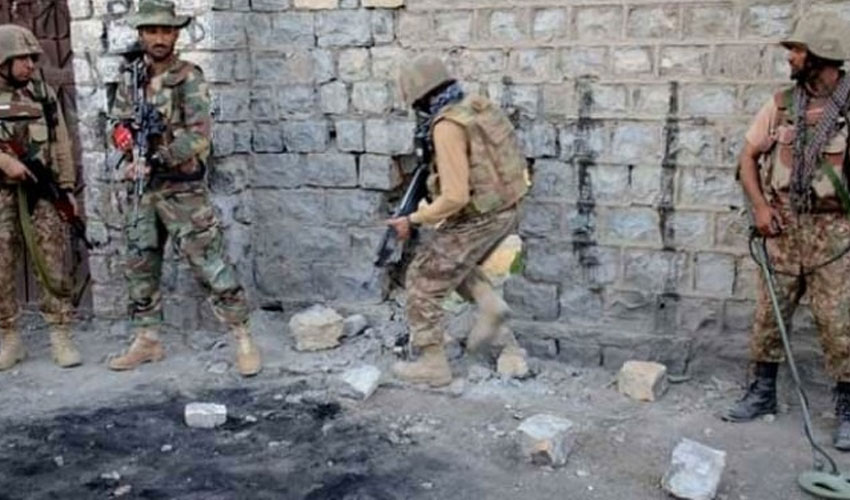
Lahore – Punjab Chief Minister Maryam Nawaz Sharif has strongly condemned the terrorist attack in Kech district of Balochistan.

She expressed profound grief and sorrow over the martyrdom of six labourers who were killed in firing by terrorists, and extended her heartfelt condolences and sympathies to the bereaved families.

The Chief Minister said the Kech tragedy reflected the worst form of brutality perpetrated by the “Fitna al-Hindustan” terrorists.

Similar Posts

  • Senate seeks action to protect Pakistan’s historical archives

    Islamabad: Pakistan’s historical records and national documents came under Senate focus as lawmakers raised concerns over the protection, preservation and possible illegal movement of valuable archival material. The Senate Standing Committee on Delegated Legislation reviewed new rules for the National Archives and called for stronger measures to protect important historical documents from damage, smuggling and misuse. The committee, chaired by Senator Naseema Ehsan, examined the draft National Archives Rules and Archival Material Preservation and Export Control Rules during a meeting at Parliament House. Officials informed the committee that under the proposed rules, documents of major national importance would be officially declared archival material after 25 years. This step would provide stronger legal protection and help prevent the illegal removal of historical records from Pakistan. The committee stressed that old documents are not just papers but a valuable record of the country’s history, identity and national memory. Members emphasized the need to create awareness among young people about protecting historical records. The committee directed that the draft National Archives Research and Reference Rules 2026 should be finalized after considering members’ recommendations. Chairperson Senator Naseema Ehsan also directed the Cabinet Division to consult provincial governments before finalizing the rules to develop a coordinated system across Pakistan. During the meeting, officials briefed the committee about efforts to modernize the National Archives of Pakistan. Officials informed the committee that around nine million archival documents have already been digitized and the next phase will focus on making these records available to the public through an online electronic library. The committee appreciated the digitization project but stressed that strong cybersecurity and data protection measures must be included to protect digital records from misuse or unauthorized access. Officials informed the committee that a Rs 285 million modernization project is underway to improve fire safety systems, lighting and environmental controls at the National Archives. However, officials highlighted a shortage of skilled archivists due to low salaries and limited career opportunities in the field. The committee recommended cooperating with universities and academic institutions to introduce specialized courses in archival preservation and improve professional opportunities for experts. The committee also reviewed rules related to the preservation, exhibition and export control of archival material owned by both government institutions and private individuals. Members welcomed the introduction of a licensing system aimed at controlling the illegal movement of historical records outside Pakistan. The committee expressed particular concern over archival collections held in provincial areas and stressed the need for their digitization and proper preservation through cooperation with provincial authorities. The chairperson directed that the legal framework should include stronger penalties for smuggling archival material. The committee also called for disaster management plans to protect historical records from floods, fires and other natural risks. During the meeting, officials also briefed the committee on the progress of the Balochistan Child Protection Commission. The committee was informed that the Balochistan Cabinet had approved Child Protection Rules 2026, while legislation related to child marriage was under consultation. The Ministry of Human Rights informed the committee about the lack of rehabilitation facilities for children affected by drug dependency and support centres for girls abandoned by their families. The committee stressed the need for awareness campaigns about safe social media use among children and encouraged parents to play an active role in protecting children online. Senator Naseema Ehsan appreciated the steps taken for child protection and emphasized that continuous efforts are required to safeguard children’s rights.

  • |

    LHC warns of serious environmental consequences

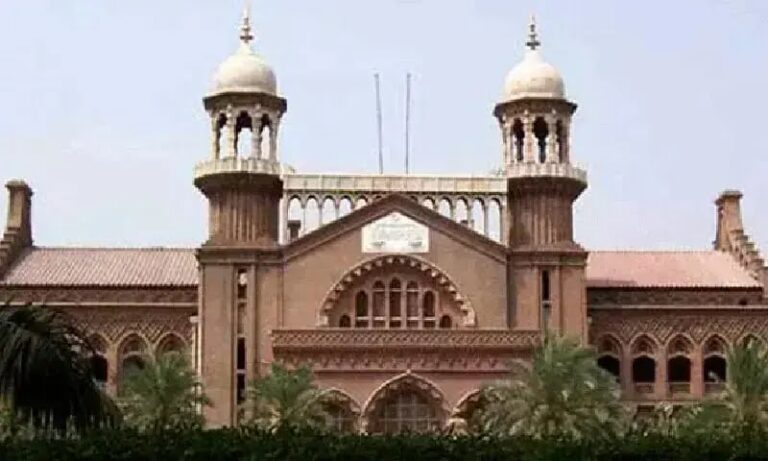
    The Lahore High Court has issued a 265-page detailed judgment in cases related to smog and environmental degradation, warning that continued damage to nature could leave future generations without essential natural resources. The court said human activities have pushed the environment and climate to a critical stage. Pollution, excessive use of natural resources and environmental degradation are intensifying rapidly, making immediate and effective action necessary. The judgment stressed that environmental protection is not solely the responsibility of government departments. Citizens, institutions, businesses, educational organisations and local authorities must also play their part. The court expressed serious concern over the rapid decline in groundwater levels, describing the situation as extremely dangerous. It stressed that water remains essential for human survival and warned that its unnecessary consumption and wastage could create severe problems for future generations. The court directed relevant authorities to introduce practical measures to conserve water and reduce unnecessary consumption. As part of its water conservation measures, the court directed authorities to ensure that water used for ablution at mosques is collected instead of being wasted. The court ordered that the collected water should be reused for watering plants and greenery. It observed that even small conservation measures could have a significant impact when implemented on a large scale. The judgment highlighted the strong connection between environmental protection and fundamental human rights. The court noted that the right to a clean, healthy and sustainable environment has gained constitutional significance in Pakistan following the insertion of Article 9A into the Constitution. It called for long-term policies to protect air, water, soil, trees and other natural resources instead of relying only on temporary measures during severe smog episodes. The court warned that continued neglect of the environment could cause irreversible damage. It stressed that authorities must treat environmental protection as a permanent priority rather than responding only when smog or other environmental emergencies become severe. The Lahore High Court has issued several directions during the long-running smog case covering air pollution, tree plantation, groundwater conservation and urban environmental management. Through its continuing supervisory role, the court has also monitored the implementation of these measures by government departments and environmental bodies. The judgment called for collective action and changes in human behaviour to tackle Punjab’s growing environmental challenges and protect natural resources for future generations.

  • | | |

    Saudi Arabia rolls over $5bn Pakistan deposit

    Pakistan’s external financing pressure has eased after Saudi Arabia extended a $5 billion deposit for another three years, State Bank of Pakistan Governor Jameel Ahmad said on Wednesday. The rollover will give Pakistan additional breathing space as it manages its external debt obligations and works to strengthen its foreign exchange position. According to the governor, the Saudi deposit has been extended until December 2028. The development has reduced Pakistan’s gross external financing requirement for the current fiscal year to around $21.5 billion. Pakistan has received a total of $8 billion in deposits from Saudi Arabia. This includes $3 billion received in April this year. The remaining $5 billion had previously been rolled over annually. The latest arrangement provides Pakistan with a longer repayment period and reduces immediate pressure on its external account. Ahmad said lower interest costs on foreign debt had also helped reduce Pakistan’s financing requirements. He estimated the reduction at nearly $500 million. Pakistan continues to rely significantly on external financing to meet debt repayments and cover external account needs. The government is seeking to increase exports, attract investment and improve other sources of foreign exchange. The governor said the International Monetary Fund has projected Pakistan’s external financing requirements at around $30 billion for the next fiscal year. However, he said the estimate could be revised downward if the government succeeds in securing additional longer-term financing and improving external inflows. According to Ahmad, Pakistan’s $21.5 billion financing requirement includes around $7.3 billion in cash deposits and approximately $3.5 billion in foreign commercial loans maturing during the year. Pakistan also owes around $250 million to Kuwait through a long-standing cash deposit arrangement. The governor did not comment on reports concerning Pakistan’s request for a $10 billion credit facility from the United States. He said the federal government would be in a better position to respond to the matter. Pakistan also repaid a $1.3 billion Chinese commercial loan during July. The repayment temporarily reduced the country’s foreign exchange reserves to around $17.3 billion as of July 17. Ahmad said China was expected to refinance the amount, with the funds potentially arriving next month. Of Pakistan’s total external financing needs, around $7.5 billion represents net debt repayments. The country had already repaid approximately $2.2 billion during July, reducing the pressure for the remaining months of the fiscal year. The central bank governor also revealed that the State Bank had purchased around $9 billion from the local foreign exchange market during the previous fiscal year. The purchases were aimed at strengthening the country’s foreign exchange reserves. Over the past three years, the central bank’s total purchases from the market have reached around $28 billion. The State Bank expects workers’ remittances to continue supporting Pakistan’s external position. Remittances are projected to help finance a significant portion of the expected trade deficit. The central bank has also set a target of increasing foreign exchange reserves to $20.20 billion by the end of December 2026. Meanwhile, Ahmad told the Senate Standing Committee on Finance that the federal government had not allocated a subsidy for remittance transfers. He said commercial banks would now bear the cost of transferring workers’ remittances. Overseas Pakistanis sending money home would not be charged additional transfer fees. The committee also reviewed banking charges and services, including SMS alerts and card transactions.

  • Punjab sends relief supplies to flood-hit Sheikhupura

    LAHORE – On the directions of Chief Minister Punjab Maryam Nawaz Sharif, relief supplies comprising food, clean drinking water and livestock fodder have been dispatched for flood-affected people in Sheikhupura. The Lahore administration prepared and sent a relief food package for flood victims in Sheikhupura district. The consignment included 500 meal packs from Savour Foods and 150 food hampers from Al-Fatah Store. Acting on the chief minister’s directives, 10,000 bottles of clean drinking water were also sent to the affected areas. Fodder for livestock was dispatched, while portable washrooms were specially arranged for the flood victims.

  • | |

    Only 170 officials and rising HIV cases push Sindh…

    Islamabad / Karachi: The Sindh Healthcare Commission came under intense scrutiny in the Senate after lawmakers questioned its ability to control illegal medical practices and respond effectively to the growing HIV situation in Sindh. Senators raised concerns over delayed action, staff shortages, and legal weaknesses that they said were limiting the Commission’s performance. The issue was discussed during a meeting of the Senate Standing Committee on National Health Services, Regulations and Coordination chaired by Senator Amir Waliuddin Chishti. The meeting was attended by Senator Syed Masroor Ahsan, Senator Samina Mumtaz Zehri, Senator Nadeem Ahmed Bhutto, Senator Nasir Mehmood Butt, Senator Anusha Rehman Ahmad Khan through Zoom, Federal Minister Syed Mustafa Kamal and Sindh Labour Minister Saeed Ghani along with senior federal and provincial health officials. Senator Nasir Mehmood Butt questioned why FIRs had still not been registered against those responsible in connection with the HIV situation, while Senator Syed Masroor Ahsan expressed dissatisfaction over delays in action and questioned the role of the Sindh Healthcare Commission in preventing the spread of the disease. Responding to the Committee, the Chief Executive Officer of the Sindh Healthcare Commission said the Commission had already registered several FIRs against medical quacks. However, he stated that weaknesses in the existing legal framework allowed many accused to obtain bail shortly after arrest. He informed the Committee that amendments to the law were being prepared to strengthen action against quackery. The CEO also disclosed that the Commission has only around 170 officials serving across the entire province, highlighting a serious shortage of human resources. Senator Samina Mumtaz Zehri questioned why the Commission remained understaffed and asked whether the issue had been formally raised with the Sindh Government. Federal Minister Syed Mustafa Kamal requested the Committee Chairman to issue directions so the matter could move forward. Senator Syed Masroor Ahsan stressed that the Government should acknowledge administrative shortcomings wherever they exist. He also asked how many times the Sindh Healthcare Commission had formally requested additional staff from the Provincial Government. The discussion also focused on the governance structure of the Commission. Members were informed that after the 18th Constitutional Amendment, the Sindh Health Department no longer exercises administrative control over the Sindh Healthcare Commission. Federal Minister Syed Mustafa Kamal suggested that legislative measures should be considered to address governance-related issues affecting provincial institutions. The Committee also examined the appointment process for members of the Sindh Healthcare Commission Board. The Secretary Health informed members that the Department did not have the authority to appoint or remove Board members. Senator Samina Mumtaz Zehri observed that such limitations weaken accountability, while Senator Nasir Mehmood Butt expressed concern that the Chief Executive Officer of the Commission was not administratively answerable to the Secretary Health. Earlier in the meeting, Sindh Labour Minister Saeed Ghani informed the Committee that two inquiries had been conducted into the Valika Hospital incident, during which 37 officials were identified for disciplinary action. He said the inquiry findings had not been made public due to security considerations but assured the Committee that strict action would be taken against those found responsible. He also informed members that the Sindh Government had established a social security fund to support families affected by HIV.

  • | | |

    Pakistan, Saudi Arabia, Turkiye set for defence de…

    Pakistan, Saudi Arabia and Turkiye are expected to sign a joint defence agreement during a trilateral summit in Saudi Arabia, according to media reports. The proposed agreement comes as tensions continue to rise across the Middle East amid the ongoing conflict involving the United States and Iran. The three countries are expected to discuss regional security, defence cooperation and efforts to promote stability. Prime Minister Shehbaz Sharif and Chief of Defence Forces Field Marshal Asim Munir arrived in Saudi Arabia on Thursday for a three-day visit. Turkish President Recep Tayyip Erdogan is also expected to join the summit. The Pakistani delegation was received in Jeddah by Makkah Deputy Governor Prince Saud bin Mishaal bin Abdulaziz and Saudi Minister of Environment, Water and Agriculture Abdulrahman Abdulmohsen Al-Fadley. Prime Minister Shehbaz and Field Marshal Munir also performed Umrah during their visit. The Foreign Office said the prime minister’s visit, scheduled from August 6 to 8, would focus on Pakistan-Saudi relations and major regional and international developments. During the visit, Shehbaz is expected to meet Saudi Crown Prince Mohammed bin Salman. Discussions are likely to cover bilateral cooperation, regional security and diplomatic efforts to reduce tensions in the Middle East. Deputy Prime Minister and Foreign Minister Ishaq Dar is also part of Pakistan’s diplomatic engagement in the region. Pakistan has been seeking a diplomatic solution to the conflict involving the United States and Iran. Islamabad has also been calling for dialogue and efforts to prevent the regional conflict from spreading further. The proposed trilateral defence arrangement would bring together three countries with longstanding military and strategic ties. It could also strengthen coordination on regional security at a time of heightened tensions. Pakistan and Saudi Arabia already have a separate mutual defence agreement signed in September 2025. Under that pact, aggression against either country is treated as aggression against both. The agreement further strengthened the two countries’ decades-old defence partnership. Pakistan has traditionally provided Saudi Arabia with military training, advisory support and other defence assistance. Saudi Arabia, in turn, has remained an important economic and financial partner for Pakistan and has provided support during periods of financial pressure. The reported trilateral agreement could expand security cooperation beyond the existing Pakistan-Saudi framework and create closer strategic coordination with Turkiye.

Leave a Reply

Your email address will not be published. Required fields are marked *