texter8217s thumb warning

Texter’s thumb warning signs

Smartphones have become an important part of daily life but using them for long hours can put extra stress on your hands especially your thumbs.

If you often spend hours typing chatting or scrolling through social media and notice pain stiffness numbness or a clicking feeling in your thumb wrist or hand don’t ignore these signs.

Health experts say this condition is commonly known as “Texter’s Thumb.” It is a term used for hand and thumb problems caused by repeated smartphone use.

Common symptoms include thumb joint pain stiff fingers swelling near the thumb and discomfort while moving it.

Doctors warn that ignoring these symptoms can lead to more serious hand and wrist problems over time.  In the past people mainly used phones for calls and text messages.

Today smartphones are used for social media online banking watching videos shopping gaming and many other daily tasks.

This increase in screen time puts continuous pressure on the hands. Dr. Maureen O’Shaughnessy from the University of Kentucky HealthCare Hand Center says smartphones are now a permanent part of modern life so people should learn healthier ways to use them without putting unnecessary strain on their hands and body.

Experts explain that holding a phone in the same position for hours or keeping the wrist and elbow in one position for too long can cause pain at the base of the thumb and in the wrist.

Using only one hand for most phone activities can also tire the fingers. Many people notice their pain improves after spending a few days using their phones less.

To reduce the risk experts recommend taking regular breaks from your phone. If you cannot avoid using it try changing how you hold it switch between your left and right hand and use different fingers instead of relying only on your thumbs.

Reducing endless scrolling can also help.

Using the phone’s voice to text feature is another simple way to reduce typing and lower stress on your hands.

Increasing the font size can make the screen easier to read without holding the phone too close.

Grip holders or phone rings attached to the back of the device can also improve comfort by spreading the phone’s weight across your hand and acting as a stand while watching videos.

If your hands or thumbs feel sore after a long day of phone use spend a few minutes each day doing gentle stretches for your fingers and wrists.

Experts say these simple exercises can relax the muscles improve blood flow and help prevent future hand and wrist problems.

Similar Posts

  • Why walking slows with age

    Getting older is a natural part of life and it cannot be stopped. But have you ever noticed that people often walk more slowly and feel tired more quickly as they age? A new study may explain why this happens. Researchers from Flinders University and the University of Canberra in Australia studied how walking changes with age.  They found that as people get older the body starts to focus more on safety and balance than on walking speed. The study included 107 healthy people between 26 and 86 years old. Researchers examined how their bodies moved while walking. They found that movement around the ankles and other muscles changes with age. The ankle muscles play an important role in keeping the body balanced and helping people move forward. As people age the body appears to use more muscle effort to stay stable and upright. Older adults may move the muscles around their ankles in a way that makes the ankle joints stiffer.  This can improve balance and reduce the risk of losing stability. However there is a downside. Using the muscles this way requires more effort which can make older people feel tired sooner and walk more  slowly. Researchers believe that the nervous system also becomes more focused on preventing falls and maintaining stability with age. The good news is that regular physical activity can help maintain movement and muscle strength. Exercises that improve balance and strengthen the muscles may help older adults stay active and move more confidently.

  • Stay safe from viral fever during monsoon

    When the rainy season begins after the hot summer cases of different illnesses often increase.  Viral fever is one of the common health problems people may experience during changing weather. Many people first develop a sore throat or runny nose followed by fever that may last several days.  It can leave the body feeling weak and may cause headaches body aches, chest discomfort or throat pain. Children older adults and people with weaker immune systems may be more likely to develop complications. A few simple habits can help reduce the risk of infections during the rainy season. Keep your hands clean Germs and viruses can stay on frequently touched surfaces such as door handles mobile phones railings and other objects. Wash your hands with soap and clean water for at least 20 seconds after returning home before eating and after using the bathroom.  If soap and water are not available use an alcohol based hand sanitizer. Try not to touch your eyes nose or mouth with unwashed hands. Eat a healthy diet A healthy diet supports the body’s immune system. During the rainy season include fresh fruits vegetables lentils, milk yogurt and eggs in your meals. Foods containing vitamin C and zinc can also be part of a balanced diet. Try to avoid unhygienic street food and foods that are heavily fried. Drink safe and clean water Rainy weather can increase the risk of infections caused by contaminated water.  Drink properly filtered or boiled water whenever possible. Avoid uncovered drinks and ice from places where water  quality is uncertain. Drinking enough clean water throughout the day also helps prevent dehydration. Take care after getting wet If you get caught in the rain change out of wet clothes as soon as possible and dry  your hair properly. Staying in wet clothes for a long time can make you uncomfortable and may contribute to illness. If needed take a warm shower and change into clean, dry clothes. Get enough sleep and rest Good sleep helps the body maintain a healthy immune system. Poor sleep and constant stress can affect overall health. Try to get around seven to eight hours of sleep each night. Light exercise walking or gentle yoga can also help keep the body active. Avoid close contact with sick people Some viral infections can spread through coughing sneezing and close contact.  Keep some distance from people who are sick and avoid crowded places when possible. Wear a mask when needed and do not share personal items such as towels drinking bottles or utensils with someone who is ill.  Cover your mouth and nose with a tissue or your elbow when coughing or sneezing. Pay attention to early symptoms Do not ignore symptoms such as fever sore throat headache runny nose or body aches. Get enough rest drink warm fluids and monitor your condition. Avoid taking antibiotics without medical advice because antibiotics do not treat most viral infections and unnecessary use can be harmful. Know when to see a doctor Seek medical care if your fever reaches 102°F (38.9°C) or higher lasts for more than three days or is accompanied by breathing difficulty repeated vomiting fainting, or severe weakness. The rainy season can be enjoyable but taking basic health precautions is important. Good hygiene safe food and water enough rest and early attention to symptoms can help reduce the risk of illness during changing weather.

  • Stop the culture of begging

    Begging has become a growing problem in many cities of Pakistan. It is common to see children women and elderly people begging at traffic signals markets and public places.   While some are genuinely poor many are forced into organized begging networks that exploit them for money. Instead of encouraging begging by giving cash, society should support charities, shelters and welfare programs that help people become self reliant.   The government must also take strict action against begging mafias provide vocational training and create employment opportunities for those in need. By addressing the root causes of poverty and exploitation we can help people live with dignity rather than depend on begging

  • When global recognition becomes a local burden

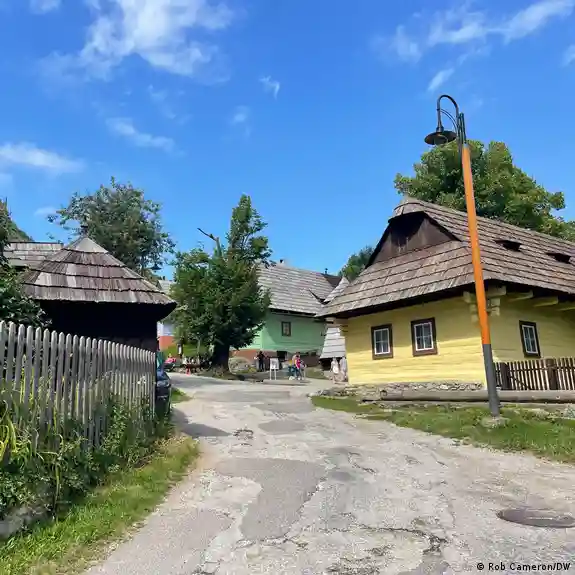
    In the Carpathian Mountains of central Slovakia lies Vlkolínec, a preserved settlement. This village is renowned for its pastel-painted timber cottages and traditional 19th-century folk architecture. It was inscribed as a UNESCO World Heritage site in 1993. Vlkolínec was celebrated not merely as a set of historical buildings, but as a living community. A rare surviving traditional rural life in Central Europe. However, three decades after receiving this prestigious designation, the small mountain is struggling with an existential dilemma. What was meant to be a cultural preservation has transformed into a challenge for the few villagers who still call Vlkolínec home. Now, frustration among permanent residents has reached a boiling point. There are calls to have the village removed from the UNESCO list altogether. When UNESCO designated Vlkolínec as a World Heritage site, one of the criteria was that it remained an inhabited settlement. At the time of inscription, the village was home to around 200 residents. Today, that permanent population has declined to just 14 to 17 people spread across four core families. In contrast to this dwindling resident count, Vlkolínec receives approximately 100,000 tourists every year. For the remaining inhabitants, the ratio of over 7,000 visitors per resident has basically altered the daily life. Locals report feeling as though they live inside a tourist zoo. The boundaries between public spaces and private homes are routinely ignored. Despite signs requesting privacy, visitors frequently wander into private yards, peer through kitchen windows, and treat active properties as open-access museum displays. The loss of privacy is compounded by anti-social tourist behavior. This conduct has been leaving locals feeling alienated in their own hometown. Overtourism is only one side of the coin. Residents also voice deep frustration over the rigid conservation framework that accompanies World Heritage status. Under national protection laws and strict UNESCO guidelines, historic homes face tight restrictions on modern modifications and physical alterations. Elderly villagers point out that these preservation rules have made customary rural activities increasingly difficult. Small-scale farming, livestock keeping, and land cultivation have gradually vanished. Surrounding agricultural terraces have become overgrown. Traditional meadow mowing has largely ceased as older generations pass away and younger generations move away. Furthermore, many of the village’s timber cottages have been bought up by outside buyers to serve as weekend holiday retreats. This phenomenon has increased the loss of a permanent, cohesive community. Some residents argue that revoking UNESCO status would reduce tourist pressure and ease regulatory burdens. However, municipal officials and heritage experts contend that delisting is neither practical nor the right solution. Local administrators in the nearby town of Ružomberok emphasize that UNESCO status brings significant heritage recognition and funding opportunities. Rather than abandoning the title, officials advocate for smarter tourism management. From a procedural standpoint, voluntary delisting at the request of a local community is virtually unprecedented in UNESCO’s history. The organization typically removes properties only when they lose their outstanding universal value due to severe destruction or irreversible development. The debate unfolding in Vlkolínec highlights a broader issue facing protected historic sites around the globe. How to balance global recognition and economic benefits with the rights and wellbeing of local inhabitants! Small historic communities across Europe and beyond battle with overcrowding and demographic decline. Vlkolínec serves as a reminder that preserving physical architecture alone is not enough. Without protecting the living social fabric of a community, world heritage sites risk turning into empty shells of their former selves.  

  • |

    New lizard species “Syrax” discovered in Thailand

    A new species of lizard has been discovered in Thailand. According to foreign media reports, the new species was discovered in western Thailand and has been given a name inspired by the popular series “House of the Dragon.” The lizard has been named “Syrax” after the dragon ridden by Queen Rhaenyra Targaryen in the series. Details about the discovery of the new lizard were published last month in the journal ZooKeys. The study found that the lizard belongs to a group known as mountain horned dragons and was discovered in the forests of the high-altitude areas of Mae Wong. Researchers explained that the name was chosen based on the lizard’s yellowish coloration, small size and large clutch size. Mountain horned dragons are known for the spiny projections on their necks and backs. The study also stated that further research is needed to fully understand the distribution of lizard species. Researchers also need to explore nearby mountain ranges to discover other hidden or previously undocumented species in the northern and western mountainous regions.

  • |

    How Agatha Christie rewrote literary history

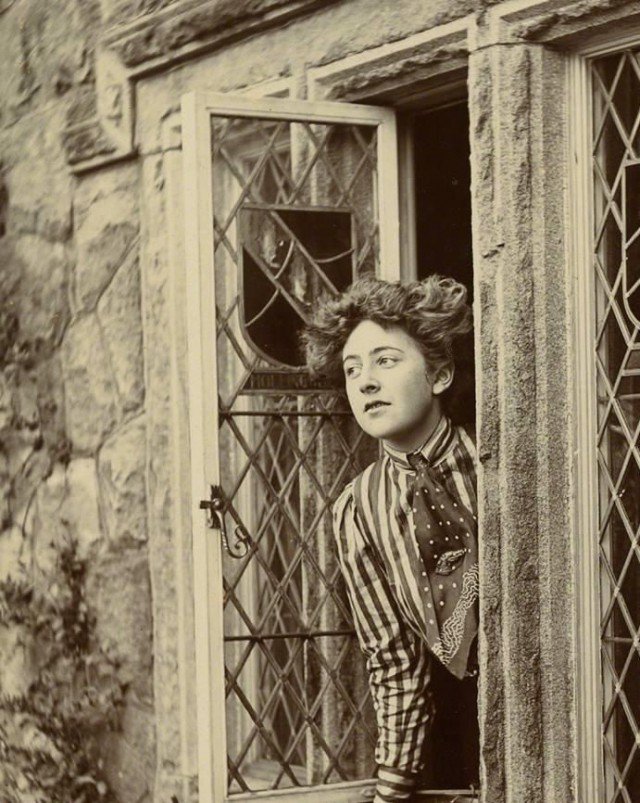
    Few storytellers in human history have captured the collective imagination quite like Agatha Christie. She’s crowned globally as the undisputed Queen of Crime. Her staggering literary output transformed detective fiction from a niche genre into an international phenomenon. Decades after her passing, her narratives continue to dominate bookshelves, theater stages and modern adaptations. The Birth of a Literary Legend Her extraordinary career kicked off in 1920 with the publication of The Mysterious Affair at Styles. This landmark debut did far more than announce the arrival of a talented new voice; it introduced the world to Hercule Poirot. With his meticulous habits, grand mustache, and reliance on his famous “little grey cells,” the Belgian detective quickly became a favorite among mystery enthusiasts. Over a writing career spanning more than half a century, Christie continued to shape the modern mystery landscape. She introduced a diverse ensemble of sleuths, most notably Miss Jane Marple. The deceptively gentle village spinster whose profound understanding of human flaws allowed her to solve the most baffling crimes. Together, Poirot and Marple helped define the Golden Age of detective fiction, establishing plot mechanisms, fair-play clues, and twist endings that writers still emulate today. Unprecedented Global Scale The  volume of Christie’s work is remarkable: 66 detective novels and 14 short story collections. However, her legacy is defined just as much by her unprecedented commercial reach. Holding the title of the best-selling fiction writer in history, her works have accumulated an estimated two billion copies sold worldwide. Her stories have transcended cultural and linguistic boundaries, earning her the distinction of being the world’s most-translated individual author, with her books available in more than 100 languages. Her estate notes that her total readership and circulation figures are surpassed by only two literary pillars in recorded history: the Bible and the plays of William Shakespeare. Record-Breaking Milestones Among her immense bibliography, specific works stand out as unprecedented triumphs. Her 1939 masterpiece, And Then There Were None, perfected the locked-room survival mystery. The novel alone has sold roughly 100 million copies, placing it among the highest-selling individual books ever written. Christie’s storytelling genius was hardly confined to prose. In 1952, she premiered The Mousetrap on the London stage. What began as a theatrical production turned into a record-shattering phenomenon, becoming the longest-running play in world history and proving that her ability to keep an audience guessing translates effortlessly across mediums. A Cultural Imprint   What sets Christie apart from her contemporaries is her masterclass approach to narrative design. She approached her plots like intricate logic puzzles, seamlessly weaving red herrings alongside genuine clues. Rather than relying on overt gore, she focused on psychological motives, human vulnerabilities, and the secrets hidden beneath respectable facades. By combining brilliant puzzle-box mechanics with immortal characters, Agatha Christie constructed a literary kingdom that remains unrivaled in the annals of fiction.

Leave a Reply

Your email address will not be published. Required fields are marked *