rakhi sawant slams
|

Rakhi Sawant slams Kangana Ranaut over student protest remarks

Actor and television personality Rakhi Sawant has strongly criticized fellow actress and politician Kangana Ranaut following her controversial remarks about student protesters. Kangana’s comments, made after the resignation of former Education Minister Dharmendra Pradhan, have sparked widespread outrage on social media, with many accusing her of insulting young people who participated in the demonstrations.

The controversy began when Kangana reacted to the protests by sharing a message on Instagram in which she referred to the student protesters using derogatory language. Her comments quickly drew criticism from internet users, who described the remarks as offensive and disrespectful toward the country’s youth.

Among those speaking out against Kangana was Rakhi Sawant, who publicly condemned the actress in a video shared on Instagram. Rakhi did not hold back her criticism, calling Kangana a “chudail,” a Hindi word that translates to “witch,” while accusing her of repeatedly making insulting statements about ordinary people.

In her video, Rakhi defended the students and questioned Kangana’s comments about young women participating in the protests. She said that the daughters and students of the country deserve respect rather than criticism and urged public figures to choose their words responsibly.

Rakhi also questioned Kangana’s political standing and challenged her popularity among the public. She argued that true leadership comes from earning people’s trust and support instead of making controversial statements that offend citizens.

Addressing Kangana directly, Rakhi said, “What did you do to become an MP? If you ever contest elections again, you may not receive people’s support. Why are you speaking like this about the girls of our country? Why are you insulting our students and our daughters?”

The outspoken actress further alleged that such remarks damage the image of public representatives and create unnecessary divisions. She insisted that celebrities and politicians should encourage young people instead of discouraging or insulting them.

Rakhi also referred to the incident that took place at Chandigarh Airport in 2024, when Kangana was slapped by a security staff member following her controversial comments about farmers. While condemning violence, Rakhi suggested that repeated provocative statements could continue to attract strong public reactions if such behavior does not change.

She warned Kangana that making inflammatory remarks against different sections of society could lead to growing public anger, adding that respect for citizens is essential for anyone holding public office.

The exchange has generated intense debate across social media platforms, with users expressing divided opinions. While many supported Rakhi’s criticism and defended the student protesters, others argued that public disagreements between celebrities should remain respectful despite political differences.

As the controversy continues, neither Kangana Ranaut nor her team has issued a fresh response to Rakhi Sawant’s latest comments. However, the incident has once again placed both actresses at the center of a heated online discussion, highlighting the growing scrutiny surrounding statements made by public figures on political and social issues.


Similar Posts

  • |

    Kim Yo Jong warns Japan over expanding military power

    North Korea has issued a fresh warning to Japan, saying it could adopt new military measures in response to Tokyo’s growing defence capabilities. The statement came after Japan conducted a test of a US-made Tomahawk cruise missile, a move Pyongyang described as a serious security threat. Kim Yo Jong, the influential sister of North Korean leader Kim Jong Un, accused Japan of abandoning its traditional defensive military posture and moving toward offensive capabilities. In a statement released through North Korea’s state media, she claimed Tokyo is developing the ability to carry out pre-emptive strikes and military operations beyond its borders. She pointed to Japan’s recent Tomahawk missile launch from the Aegis destroyer Chokai in the Pacific Ocean, along with other missile tests and its participation in joint military exercises led by the United States in the Philippines earlier this year. Kim warned that North Korea would take additional military steps if Japan continued strengthening its armed forces. Although she did not specify what actions Pyongyang might take, she said Japan would face greater security risks as a consequence of its military expansion. The North Korean official also blamed the United States for supporting Japan’s military modernisation. She accused Washington of supplying Tomahawk missiles, upgrading Japanese naval vessels to operate the weapons, and backing missile tests, arguing that the US is encouraging policies that increase tensions in the region. According to Kim, Japan’s acquisition of long-range strike capabilities places North Korea and other neighbouring countries within potential missile range, raising concerns over regional stability. The latest remarks are part of a broader campaign by Pyongyang against growing security cooperation between the United States, Japan and South Korea. North Korean state media has repeatedly criticised joint military exercises and defence partnerships, describing them as provocative and a threat to peace on the Korean Peninsula. Regional analysts believe the statement is aimed at portraying Japan’s military modernisation as justification for North Korea’s continued weapons development. Experts also suggest the rhetoric could signal preparations for future military demonstrations, including missile launches or other strategic weapons tests, as Pyongyang seeks to reinforce its deterrence strategy amid rising regional tensions.

  • |

    Atif Aslam says new album Subah Aaye Na marks a turning point

      Globally acclaimed Pakistani singer Atif Aslam has described his upcoming album, Subah Aaye Na, as one of the most significant milestones of his 25-year music career, saying it represents a fresh beginning and a return to his true artistic identity. Speaking in a recent interview, the celebrated vocalist revealed that the album is deeply personal and reflects a transformative phase in his life. Atif admitted that over the years, he had gradually lost touch with his inner self while juggling concerts, commercial projects, and other professional commitments. “I forgot who I really was,” he said. “That is why I decided to start again from zero. I reminded myself that, by the grace of Allah, people made me a star, but now it is time for me to become an artist.” The singer explained that throughout most of his career, he focused on creating music for his fans and fulfilling the expectations of music companies. While he remains grateful for the love and support he has received over the years, he felt it was finally time to create music that truly reflected his own emotions, creativity, and artistic vision. “I have always sung for my audience and for the music industry,” Atif shared. “But now I wanted to do something for myself, and that is how this album came into existence.” Reflecting on his remarkable journey in the music industry, Atif said that despite enjoying immense fame and success, he realized that he had become disconnected from the passion that first inspired him to pursue music. He acknowledged that fame is undoubtedly a blessing, but he also emphasized the importance of staying connected to one’s authentic self. “Fame is a gift, and I am thankful for it,” he said. “However, deep inside, I felt a strong desire to create the kind of music my heart truly wanted to make.” According to the singer, this longing became the driving force behind Subah Aaye Na. Unlike many commercial projects that operate under strict schedules, Atif deliberately chose not to set any deadlines for the album. He wanted every song to develop naturally, allowing him the freedom to express himself without external pressure. “I did not set a deadline for this album because I wanted to create every piece of music wholeheartedly,” he explained. “I wanted each composition to be genuine and meaningful.” The album represents more than just a collection of songs; it symbolizes Atif Aslam’s artistic rebirth. After spending decades meeting commercial expectations, he now aims to reconnect with the essence of music that first inspired him. ThroughSubah Aaye Na, the singer hopes listeners will experience not only his evolution as a musician but also the sincerity and emotion behind every track. With this highly anticipated project, Atif Aslam embarks on a new chapter in his career—one driven by artistic freedom, personal expression, and a renewed commitment to creating music that comes straight from the heart. Fans eagerly await the release of Subah Aaye Na, which promises to showcase a more authentic and deeply personal side of one of Pakistan’s most celebrated musical icons.

  • |

    Power sector circular debt rises by Rs364 billion in FY2025-26

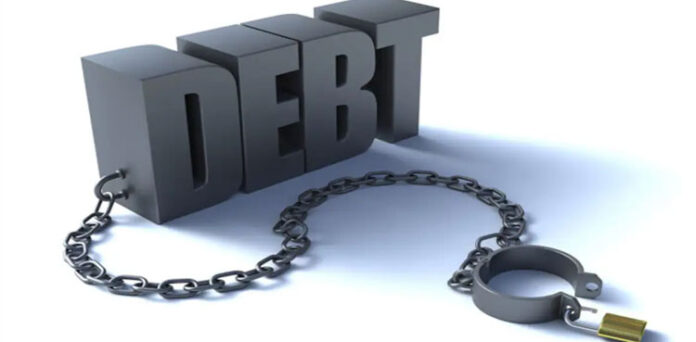
    ISLAMABAD: Pakistan’s power sector circular debt increased by Rs364 billion during fiscal year 2025-26, highlighting persistent weaknesses in the electricity supply chain despite substantial government subsidies and efforts to contain the buildup of unpaid liabilities. According to the circular debt report for June 2026, the increase was significantly higher than the previous year, when the debt had risen by around Rs45 billion. The latest increase represents a surge of roughly 709% year-on-year in the annual flow of circular debt. The Power Division has not yet formally uploaded the one-page circular debt report for June 2026 on its official website. The latest figures indicate that structural problems, including distribution company inefficiencies, weak bill recovery, payment disputes and delays in tariff adjustments, continue to generate fresh liabilities in the power sector. The development comes despite the government’s efforts to contain the debt through budgetary support and subsidies. IMF target and government commitments The International Monetary Fund (IMF) had permitted Pakistan to record up to Rs400 billion in circular debt flow during the year, while simultaneously requiring the government to take measures to prevent the accumulation of new liabilities and eventually bring the flow down to zero. Under the IMF programme, the government has been relying on tariff adjustments, subsidy rationalisation and other reforms to improve the financial health of the electricity sector. However, the latest increase suggests that governance and operational problems remain a major obstacle to achieving a sustainable reduction in circular debt. The government provided approximately Rs302 billion in subsidies aimed at supporting the power sector and reducing the debt burden. However, the amount was insufficient to maintain the circular debt stock at the level of Rs1.614 trillion recorded at the end of June 2025. As a result, the debt stock recorded a net increase of around Rs61 billion during the year. The Power Division had earlier stated that the federal government allocated Rs893 billion for the power sector in the FY2025-26 budget. However, around Rs98 billion of the allocated amount was not released, affecting the government’s ability to reduce the outstanding liabilities. A Power Division spokesperson said that if the entire budgeted allocation had been released, the circular debt stock could have fallen further to around Rs1.577 trillion. The funding shortfall, according to the official, contributed to the Rs61 billion increase recorded during the year. Distribution companies remain a major source of losses Inefficiencies within power distribution companies continued to be one of the biggest contributors to the accumulation of circular debt. The government incurred approximately Rs262 billion in losses during FY2025-26 because of inefficiencies in distribution companies. The amount was only around Rs3 billion lower than the previous year, indicating that little progress has been made in addressing operational weaknesses. Another Rs64 billion was added to the circular debt because of lower electricity bill recoveries. Although significant, this amount was around 51% lower than the corresponding figure recorded in the preceding year. The figures underline the financial pressure created by electricity theft, transmission and distribution losses, weak collection systems and inadequate enforcement against non-paying consumers. Privatisation of distribution companies The government has initiated the process of privatising three relatively profitable distribution companies — Faisalabad Electric Supply Company, Gujranwala Electric Power Company and Islamabad Electric Supply Company. However, the proposed privatisation is not expected to immediately resolve the broader circular debt problem because a substantial portion of sector losses originates from other distribution entities. Earlier, the government had considered a model under which profitable distribution companies would be combined with loss-making entities before privatisation. The plan, however, was subsequently abandoned in favour of offering comparatively stronger companies separately. Experts have repeatedly argued that privatisation alone cannot eliminate circular debt unless the underlying issues of electricity theft, poor recoveries, governance and operational losses are addressed across the entire distribution network. K-Electric dispute adds to debt Payment disputes with K-Electric also contributed substantially to the increase. According to the report, approximately Rs194 billion was added to the circular debt because of non-payments by K-Electric. The company’s outstanding payments are linked to a dispute concerning the delayed finalisation of its multi-year tariff by the National Electric Power Regulatory Authority. The prolonged disagreement has created financial pressure throughout the power supply chain, adding to the accumulation of unpaid liabilities. In addition, around Rs75 billion was added to the circular debt because of delays in tariff adjustments. The government, meanwhile, made payments of approximately Rs129 billion against principal loans of the power sector. Without these payments, the annual circular debt flow could have exceeded Rs600 billion, according to the figures. The Power Division also benefited from a reduction of around Rs98 billion in the circular debt flow because of subsidy payments. Interest payments add further pressure Interest charges also contributed to the accumulation of liabilities, adding around Rs14 billion to the circular debt during the fiscal year. These financing costs ultimately increase the burden on consumers because the cost of servicing the sector’s outstanding liabilities is recovered through electricity bills. Consumer groups have frequently criticised the practice, arguing that households and businesses that regularly pay their electricity bills are effectively being charged for inefficiencies, theft and non-payment elsewhere in the system. Subsidies and burden on consumers The government’s continued reliance on subsidies has helped prevent an even larger accumulation of circular debt, but it has also placed pressure on the national budget. The power sector received hundreds of billions of rupees in subsidies during the year, while the government simultaneously pursued tariff increases and other measures intended to improve cost recovery. The contrast has raised questions about whether existing policies are addressing the underlying causes of circular debt or merely shifting the burden between consumers, the federal budget and power-sector entities. The government has also been under pressure to address similar financial problems in the gas sector. Although no comparable subsidy was provided for the gas sector, the authorities were expected to prevent a further increase in its circular debt. The government reportedly refrained from passing the full reduction in gas prices on

  • | | |

    Bangladesh moves toward talks with China to buy J-…

    Bangladesh is preparing to begin formal discussions with China over a possible purchase of J-10CE fighter jets and attack helicopters according to a government adviser. Prime Minister’s Information and Broadcasting Adviser Zahed Ur Rahman said Tuesday that a government committee is working on a draft agreement that could pave the way for negotiations with Beijing. The potential deal would represent one of Bangladesh’s largest defence purchases in recent years and could further strengthen the country’s military relationship with China. Beijing is already Bangladesh’s biggest supplier of defence equipment. The J-10CE fighter jet has received increased international attention since fighting between India and Pakistan in May 2025. Pakistan said its J-10CE aircraft were involved in shooting down Indian fighter jets during the clashes. India has disputed those claims. Ur Rahman said Bangladesh had observed reports about the aircraft’s performance during the conflict as it considers options to modernise its air force. Bangladesh is reportedly considering purchasing as many as 24 J-10CE fighter jets although officials have not confirmed the final number. Pakistan is currently the only confirmed foreign operator of the export version of the Chinese aircraft. The adviser did not reveal how many jets Bangladesh could ultimately purchase the expected cost of the agreement or when deliveries might begin. Those details, he said, would be decided during negotiations. The possible fighter-jet purchase comes as Bangladesh seeks to upgrade its military capabilities. The country has maintained close defence ties with China for years with Beijing supplying a wide range of military equipment. Over the past two decades, China has provided Bangladesh with warships, fighter aircraft, tanks and missile systems, making it Dhaka’s largest source of military hardware. If Bangladesh proceeds with the J-10CE acquisition, the move could further deepen defence cooperation between Dhaka and Beijing while giving Bangladesh a modern multirole fighter capable of performing air-to-air and air-to-ground missions.

  • | |

    Court allows tax credit adjustment against super t…

    The Federal Constitutional Court has issued an important ruling in favour of corporate taxpayers. The court has declared the adjustment of tax credits against super tax legally valid. It has also overturned an earlier decision of the Islamabad High Court. Justice Amir Farooq authored the six-page detailed judgment. The court accepted the appeals filed by a private mobile phone company. The case relates to the adjustment of tax credits against super tax. The company had challenged a demand raised by the Federal Board of Revenue (FBR). The FBR had issued a notice to the private company. The notice required the company to pay super tax. The company approached the Islamabad High Court after receiving the notice. It argued that its available tax credit should be allowed to adjust against the super tax liability. The Islamabad High Court rejected the company’s petition. The company then challenged that decision before the Federal Constitutional Court. The Federal Constitutional Court has now accepted the company’s appeals. It has declared that tax credits available to a taxpayer can be adjusted against super tax. The court referred to the relevant provisions of the tax law. It observed that the tax credit available under Section 168 is a separate and legally recognised right. According to the judgment, a taxpayer should not be prevented from using this credit for adjustment. The court said forcing a taxpayer to seek only a refund would not be consistent with the intention of the law. The judgment also addressed the interpretation of financial and tax laws. The court observed that such laws should be interpreted in a manner that facilitates taxpayers. The court emphasised that taxpayers should be able to exercise rights provided to them under the law. A legal right to a tax credit cannot be unnecessarily restricted through an interpretation that creates additional difficulties for taxpayers. The court also issued directions to the FBR. The FBR has been directed to examine the taxpayer’s claim for adjustment. The department must consider the claim in response to the tax notice. The FBR will now have to decide the matter according to the applicable law and the court’s ruling. The judgment provides an important clarification for corporate taxpayers. It establishes that an eligible tax credit can be considered for adjustment against a super tax liability. The ruling may also have wider implications for companies facing similar tax demands. Businesses with legally available tax credits may now rely on the court’s interpretation when seeking adjustments against their tax liabilities. By setting aside the Islamabad High Court’s decision, the Federal Constitutional Court has clarified the legal position on the issue. The case also highlights the continuing dispute between taxpayers and the FBR over the interpretation and application of tax laws.

  • | | |

    PM Shehbaz calls Makkah pact a ‘historic milesto…

    Prime Minister Shehbaz Sharif has described the signing of the Makkah Agreement for Joint Defence between Pakistan, Saudi Arabia and Türkiye as a historic step towards strengthening peace, security and regional stability. In a post on X, the prime minister said he had the honour of signing the agreement alongside Saudi Crown Prince and Prime Minister Mohammed bin Salman and Turkish President Recep Tayyip Erdogan. Shehbaz said the agreement reflected the unity of the three brotherly countries, which share deep-rooted ties, common values and a commitment to protecting the interests of their peoples. He said the pact represented a shared vision to strengthen the foundations of peace, security and stability and expressed hope that it would become a lasting pillar of cooperation among the three nations. The prime minister prayed that the agreement, signed in the sacred precincts of Makkah, would serve as a strong shield for peace and promote greater cooperation and integration among the three countries for generations to come. He also expressed hope that the pact would contribute to economic prosperity and benefit not only the peoples of Pakistan, Saudi Arabia and Türkiye but the wider Muslim world. Shehbaz Sharif particularly praised Field Marshal Syed Asim Munir for his role in making the agreement possible. He described Asim Munir’s efforts, commitment and dedication as instrumental in turning the shared vision of the three countries into a concrete agreement. The prime minister said the agreement would further strengthen regional security and stability while advancing the common interests of the three partner nations.

Leave a Reply

Your email address will not be published. Required fields are marked *