
pakistan links jaac
|

Pakistan links JAAC protests to India-funded forei…

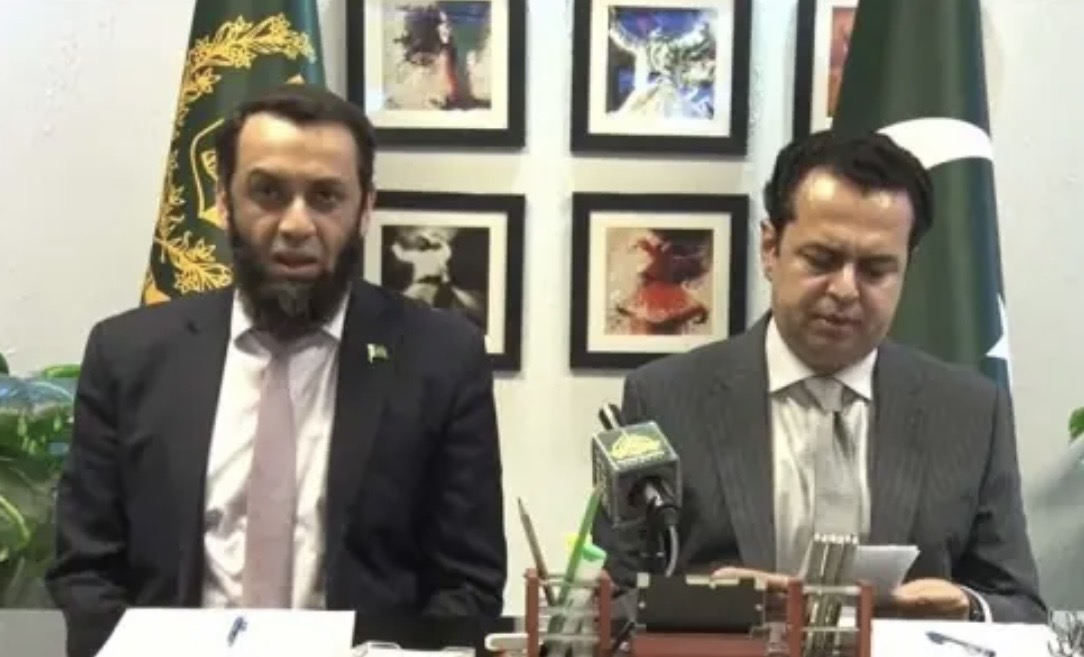
Information Minister Attaullah Tarar has alleged that violent protests by the banned Joint Awami Action Committee (JAAC) in Azad Jammu and Kashmir are being driven by militant elements pursuing a foreign agenda with Indian funding, as the government moves to restore order following the first phase of regional elections.

Speaking on Tuesday, Tarar maintained that while the recent elections in the Mirpur division were peaceful and transparent, the banned outfit could not accept the democratic process and resorted to violence. He noted that the people of Kashmir had given a “spectacular response” to the elections, with 600,000 votes cast in Rawalakot alone.

Tarar claimed that investigators have uncovered irrefutable evidence linking the JAAC’s social media campaign to India. Security agencies recently arrested a digital marketing services provider whose payment trails were traced to Indian gateways. According to the minister, an entire misinformation network was operating through bot farms to spread anti-state content targeting Pakistan’s sovereignty, government institutions, and armed forces. The investigation also recovered WhatsApp conversations between the arrested suspect and an Indian operator discussing payments and content amplification. “The investigation found that the entire misinformation network was operating through bot farms,” Tarar stated, adding that forensic analysis identified India-based accounts even when VPNs were used.

State Minister for Interior Talal Chaudhry emphasized that the government had accepted 37 out of 38 JAAC demands, with only the issue of refugee seats in the AJK Legislative Assembly remaining unresolved due to constitutional complexities. “Thirty-seven out of 38 JAAC demands were accepted, and the government of Pakistan fully cooperated with them,” Chaudhry said. He noted that the movement was not about securing rights but about “snatching” the rights of AJK people. The minister questioned the timing of the protests, noting that JAAC initially tried to stop the election schedule in AJK. “When they failed, JAAC members started long marches, sit-ins, strikes, blocked roads and disrupted activities across the region,” he added.

The AJK government has declared JAAC a proscribed organization under the Anti-Terrorism Act, and authorities have announced a Rs10 million reward for information leading to the arrest of four wanted JAAC leaders. Officials allege that armed members of the group have engaged in violence, resulting in injuries to police personnel. The federal government has assured full support to AJK authorities in maintaining law and order.
Similar Posts

  • | |

    PM Shehbaz says trilateral pact aims to promote re…

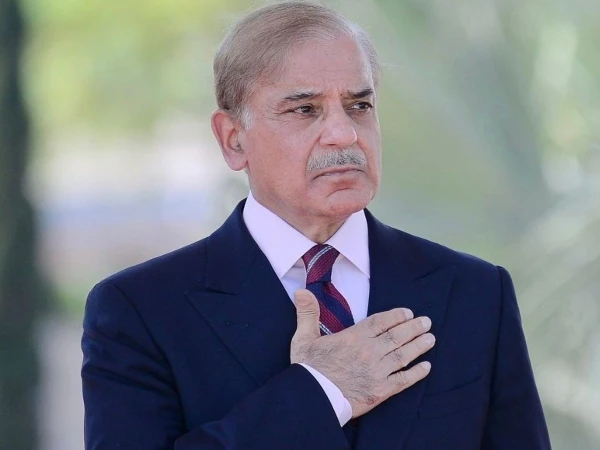
    ISLAMABAD: Prime Minister Shehbaz Sharif has said the recently signed trilateral agreement is aimed at promoting peace, development and prosperity in the region and has no aggressive objectives. Addressing a meeting of the federal cabinet, the prime minister said efforts to formalise the arrangement had been underway for several years. He said the framework was officially formalised last year to pave the way for a formal agreement. Shehbaz said the latest development was another step in the ongoing dialogue and cooperation, culminating in the signing of a trilateral agreement on Friday. He stressed that the agreement was entirely defensive in nature and was not directed towards aggression against any country. According to the prime minister, the pact is intended to strengthen peace, stability and progress in the region. He described the agreement as a significant development not only for the three participating countries but also for the wider Muslim world. Shehbaz congratulated Deputy Prime Minister and Foreign Minister Ishaq Dar and Field Marshal Syed Asim Munir for their efforts towards finalising the agreement. He said the agreement was not the result of a recent initiative. Work on the arrangement had continued for several years before it was finally concluded on Friday. The prime minister expressed appreciation for the officials and leaders who contributed to the process and said the agreement represented an important step towards greater regional cooperation. He reiterated that the objective was to strengthen collective security while supporting peace, stability, development and prosperity across the region.

  • | |

    Fourth International Punjabi Conference to be held…

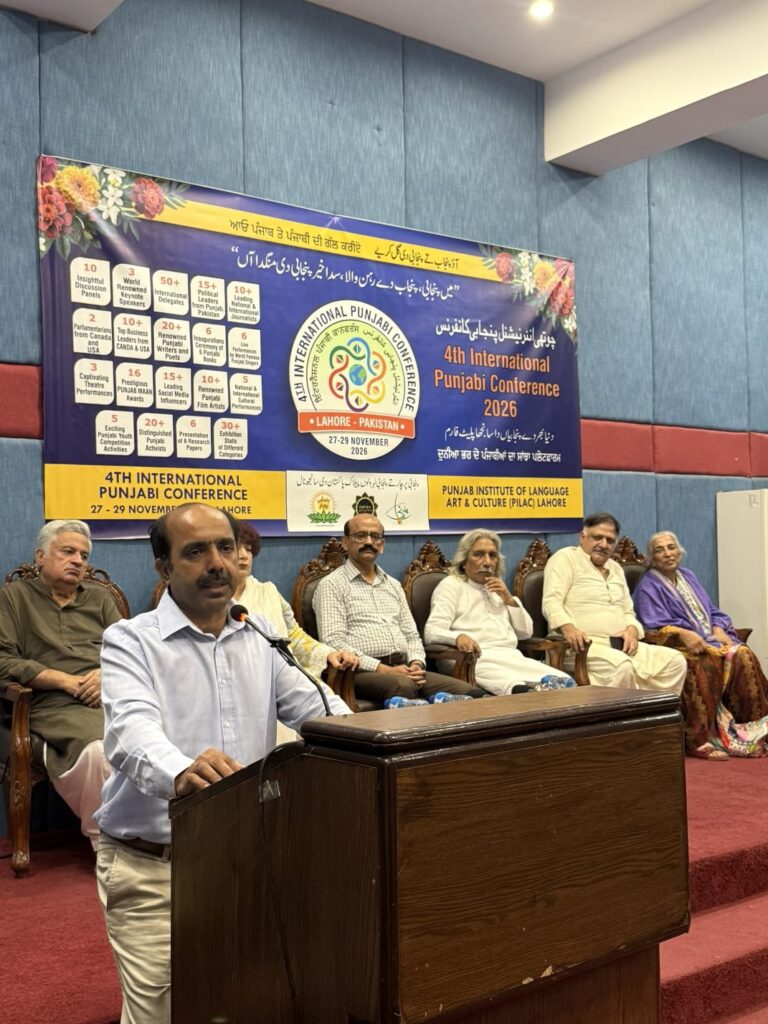
    LAHORE: The fourth International Punjabi Conference will be held in Lahore from Nov 27 to 29, bringing together writers, academics, artists and other professionals from Pakistan and abroad, organisers announced at a press conference. The event is being organised by the Punjabi Parchar Organisation in collaboration with Punjabi Lehar and the Punjab Institute of Language, Art and Culture (PILAC), where the three-day conference will take place. Chief organiser Ahmed Raza Punjabi said the event would be held on a large scale, following the three previous editions of the conference. According to the organisers, thousands of participants from Pakistani Punjab and more than 50 foreign delegates from nine countries are expected to attend. The international participants will include writers, intellectuals, politicians, scientists, journalists, film artists, businesspeople and farmers. Mr Ahmed said the conference aimed to promote Punjabi language and literature while providing a platform to discuss issues facing Punjab and Punjabi communities around the world. He said prominent figures from Pakistani Punjab and successful members of the Punjabi diaspora would be invited to discuss those challenges and propose possible solutions. Conference focal person Dr Zaheer Wattoo said 10 panel discussions would be organised on Punjabi language and literature, the environment, agriculture, politics, sports, film and Punjabi nationalism. Academics from leading universities around the world would also present research papers during the three-day event, he added. Dr Wattoo said separate committees had been formed for different fields. These committees would select speakers from Pakistan and abroad for the panel discussions. The programme will also feature Punjabi cultural performances, live music and theatre. According to the organisers, nine Punjabi singers from different countries will perform during the conference. Several competitions aimed at connecting Punjabi with younger generations will also be held. These will cover public speaking, modern technology, short films, social media reels, singing, poetry and scientific innovation. Two Punjabi books will be launched on each day of the conference, including works by authors from Pakistan, the United States and Canada. On the final day, 16 awards across eight categories will be presented to individuals for their contributions to Punjab and Punjabi culture. Eight recipients will be from Pakistani Punjab, while the remaining awards will go to Punjabi personalities from the United States, Canada, Australia, the United Kingdom and New Zealand. A number of Punjabi literary and cultural figures from Lahore attended the announcement and presented suggestions regarding the conference programme.

  • US Suspends Immigrant Visa Processing for Nationals of 75 Countries, Including Thailand

    BANGKOK – The U.S. Government under Donald Trump will suspend all visa processing for visitors from 75 countries, including Thailand, a spokesperson for the U.S. State Department said on Wednesday, marking one of the Trump administration’s most drastic measures in its immigration crackdown. Trump Imposes 19% Tariff on Thailand, Cambodia Following Peace Deal The spokesperson […]

  • | |

    PM Shehbaz calls for faster rightsizing reforms

      Prime Minister Shehbaz Sharif has emphasized the need to improve the efficiency and performance of government institutions by adopting modern technology and enhancing the professional training of public sector employees. He made these remarks while chairing a high-level meeting on the federal government’s rightsizing initiative and measures aimed at improving the overall efficiency and effectiveness of state institutions. The meeting reviewed the progress made under the government’s administrative reform agenda, which seeks to reduce the size of the public sector, eliminate unnecessary expenditures, and ensure more efficient delivery of public services. Addressing the participants, the Prime Minister said that technological innovation and skill development are essential for transforming the public sector into a more responsive, transparent, and efficient system. He stressed that government institutions must embrace modern digital solutions while ensuring that employees receive the training required to adapt to new technologies and administrative practices. Shehbaz Sharif said the government’s rightsizing policy is already producing positive results by reducing unnecessary spending and improving the utilization of public resources. He noted that several major reforms have been implemented under the initiative, including the closure of the Utility Stores Corporation, Pakistan Public Works Department (Pak PWD), and the Pakistan Agricultural Storage and Services Corporation (PASSCO). According to the Prime Minister, these decisions were taken after careful consideration to streamline government operations, eliminate overlapping functions, and reduce the financial burden on the national exchequer. He said the objective of the reforms is to build a leaner and more efficient public sector capable of delivering better services to citizens while ensuring fiscal discipline. The Prime Minister stated that the savings generated through the rightsizing initiative would help strengthen the country’s financial position and allow the government to allocate more resources toward priority sectors such as education, healthcare, infrastructure, and economic development. To ensure transparency and accountability, Shehbaz Sharif directed that all positions and institutions abolished under the rightsizing programme should undergo an independent third-party audit. He said the audit would assess whether the reforms had been implemented effectively and whether the expected financial and administrative benefits had been achieved. The Prime Minister also instructed the relevant authorities to accelerate the implementation of all remaining rightsizing measures. He emphasized that administrative reforms should be carried out efficiently while maintaining transparency and ensuring that public services are not disrupted during the restructuring process. During the meeting, officials briefed the participants on the progress achieved so far. They informed the Prime Minister that vacant positions across various federal ministries and government departments have been abolished as part of the government’s effort to reduce unnecessary staffing and improve administrative efficiency. The meeting was further informed that work is also underway on the privatization of several state-owned enterprises. Officials said the government is taking practical steps to transfer selected public sector entities to the private sector in accordance with its broader economic reform programme. The privatization process aims to reduce the financial burden of loss-making enterprises on the national budget while encouraging greater investment, improved management, and enhanced productivity. Participants also reviewed the overall progress of the government’s institutional reform agenda and discussed future steps to further improve governance and public sector performance. The Prime Minister reiterated that administrative reforms are essential for ensuring sustainable economic growth, strengthening public finances, and delivering better services to the people. Concluding the meeting, Shehbaz Sharif reaffirmed the government’s commitment to continuing structural reforms aimed at creating a modern, efficient, and accountable public sector. He said that through the adoption of technology, improved training, transparent governance, and responsible financial management, Pakistan’s government institutions can become more effective in meeting the needs of citizens and supporting the country’s long-term development goals.

  • | |

    AJK gears up for second phase of elections

    Preparations are in full swing for the second phase of the Azad Jammu and Kashmir (AJK) Legislative Assembly elections, with polling scheduled for August 2 across Muzaffarabad Division and 12 refugee seats. The second phase will cover the three districts of Muzaffarabad Division—Muzaffarabad, Neelum and Jhelum Valley—as well as 12 constituencies reserved for Kashmiri refugees residing in Pakistan. According to election authorities, a total of 890,621 registered voters are eligible to cast their ballots in the nine constituencies of Muzaffarabad Division. Of these, 427,955 are male voters, while 381,666 are female voters. To facilitate polling, 1,483 polling stations have been established across the division. District Muzaffarabad, which has five constituencies, will have 1,205 polling stations. District Neelum, comprising two constituencies, will have 278 polling stations, while 328 polling stations have been set up in the two constituencies of Jhelum Valley. A total of 208 candidates are contesting the nine seats in Muzaffarabad Division, making the second phase a closely watched electoral contest. Meanwhile, Kashmiri refugees living in Pakistan will also cast their votes for 12 refugee constituencies, evenly divided between six Jammu seats and six Valley seats. The Jammu refugee constituencies include LA-34 Jammu-I through LA-39 Jammu-VI, while the Valley refugee constituencies comprise LA-40 Valley-I through LA-45 Valley-VI. The Azad Jammu and Kashmir Election Commission will announce the results of all 12 refugee constituencies after the completion of polling. Authorities have said all necessary arrangements have been finalised to ensure a peaceful, transparent and orderly voting process during the second phase of the elections.

  • | | |

    PM Shehbaz calls Makkah pact a ‘historic milesto…

    Prime Minister Shehbaz Sharif has described the signing of the Makkah Agreement for Joint Defence between Pakistan, Saudi Arabia and Türkiye as a historic step towards strengthening peace, security and regional stability. In a post on X, the prime minister said he had the honour of signing the agreement alongside Saudi Crown Prince and Prime Minister Mohammed bin Salman and Turkish President Recep Tayyip Erdogan. Shehbaz said the agreement reflected the unity of the three brotherly countries, which share deep-rooted ties, common values and a commitment to protecting the interests of their peoples. He said the pact represented a shared vision to strengthen the foundations of peace, security and stability and expressed hope that it would become a lasting pillar of cooperation among the three nations. The prime minister prayed that the agreement, signed in the sacred precincts of Makkah, would serve as a strong shield for peace and promote greater cooperation and integration among the three countries for generations to come. He also expressed hope that the pact would contribute to economic prosperity and benefit not only the peoples of Pakistan, Saudi Arabia and Türkiye but the wider Muslim world. Shehbaz Sharif particularly praised Field Marshal Syed Asim Munir for his role in making the agreement possible. He described Asim Munir’s efforts, commitment and dedication as instrumental in turning the shared vision of the three countries into a concrete agreement. The prime minister said the agreement would further strengthen regional security and stability while advancing the common interests of the three partner nations.

Leave a Reply

Your email address will not be published. Required fields are marked *