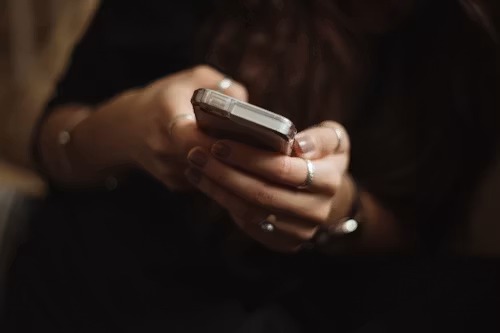
beyond wallet

Beyond the Wallet

By Manahil Pasha

The women in Pakistan has a limited access towards financial independence for generations. Opening a bank account, purchase of property, willingness to travel have all been monitored by male family members for most women. Receiving money for daily or necessary use means being dependent on another member of the house.

The era has gradually changed with the growth in Pakistan’s fintech ecosystem. After the availability of digital payments methods, mobile wallets and ease of not having to visit banks with cashless banking, some things are rapidly changing. This has opened up new opportunities for a number of women across the country in the formal digitally optimized economy.

Barriers for women remain but the user friendly mobile wallets are gradually improving how women receive or save money. Fintech ecosystem in Pakistan is not just technology but it is about financial inclusion. According to the Karandaaz Financial Inclusion Survey (K-FIS) 2024, 14% of Pakistani women have access to a regulated financial account compared with 56% of men while just 11% of women own a mobile wallet compared to 48% of men. This highlights a clear gender gap in Pakistan’s fintech ecosystem which could be due to lack of basic financial education, access to digital resources or cultural norms.

Fintech is now paving path to address traditional challenges for women including access to digital financial tools, mobility, maintaining credit history or wanting to be financially independent by lending or saving money. Where conventional banks require customers to visit branches for account opening, mobile wallets give easy access to create accounts through their phones. All facilities like paying utility bills, receiving salaries or making vendor payments is now easier than ever.

Many women in Pakistan has an entrepreneurial spirit and are running their microbusinesses across multiple villages, small towns and communities. Some sell clothing, handicrafts or even baked goods on a regular basis to make ends meet but lack financial education to invest and multiply their money for growth and expansion. However, fintech facilitates women with receiving money in digital wallets instead of cash or male members’ bank accounts. International research also suggests that women who adopt mobile money services are significantly more likely to access formal financial systems particularly when combined with education and mobile phone ownership.

Fintech is not limited to ease in digital payments. Fintech ecosystem increases transparency, reduces risks of carrying cash or theft, helps understand formal methods of saving and investing money. For women receiving salaries or government support do not rely on another person to receive their deserved money but has access to receive and manage their money on their own. According to the World Bank’s latest Global Findex research, receiving wages or government payments digitally is often the first reason many women open a financial account.

Pakistan is gradually moving towards financial inclusion but understanding technology is not the only barrier. Many hindrances lie outside of technology starting with the limited use or access to smart phones, approximately 82% of Pakistani men own a mobile phone while only 46% of women do creating a significant divide. Digital literacy is another challenge that comes with lack of education on the safe use of mobile wallets around scams and frauds.

Pakistan has gradually progressed in financial ecosystem and has been supported by policy makers with regulations to accelerate financial inclusion. Pakistan and private fintech sector has taken initiatives encouraging digital payments, delivering financial education, introducing cashless services while encouraging mobile wallets. However, better initiatives are needed around financial education on mobile wallets, designing products around women needs and ease which includes formal educational trainings, low-cost saving products or multilingual apps to cover provincial and regionally spoken and understood languages. Building trust, empowering women and developing a digital ecosystem are all equally important for the financial inclusion in Pakistan.


Similar Posts

  • The revival of Kathak in the heart of Lahore

    In the quiet underbelly of Lahore’s Alhamra Arts Council, an ancient pulse woke from its slumber. It began with the whisper of clinking of ghungroos. Hundreds of brass ankle bells are braided onto raw cotton strings and then they wait to catch the cadence of a human heartbeat. For decades, the classical movement of Pakistan seemed confined to memories and clandestine. That’s how a heritage has been subjected to silence under the shadow of political conservatism. Yet inside the halls of the Lahore Kathak Festival, the art form proclaimed its victorious home-coming. Kathak derives its name from katha: the Sanskrit word for story. The story starts even before borders were drawn across rivers and plains. Itinerant storytellers wandered the northern expanses of the undivided subcontinent. They combined Hindu mythology, Sufi mysticism and local folklore into rhythmic physical poetry. When these storytellers stepped into the imperial courts of the Mughals, the art form transformed. It absorbed Persian elegance, geometric precision and the subtle emotional nuances of Urdu ghazals. Kathak became a living art created from the shared civilizational fabric of the region. It became an artistic synthesis that belongs as fundamentally to the Indus valley as it does to the banks of the Ganges. To embrace Kathak in modern Pakistan is to reclaim forgotten cultural roots. Post-partition artistic discourse attempted to segregate Pakistan’s creative identity from its ancient subcontinental ancestry. It resulted in treating classical dance with suspicion or elitist detachment. Pioneer icons like Sheema Kermani, Nighat Chaudhry and Bina Jawwad stood as solitary legacies during decades when dancing was criminalized. Their bodies became active spaces of memory when state patronage vanished. Kathak – A Breathing Idiom Now, a dynamic new wave of young performers is stepping into the limelight with devotion and fresh perspective. Organizers like Maan Sayeed and Momina Farooq Khan recently brought together maestros and young aspirants. They proved that classical dance is not a monument preserved, but a breathing idiom. On stage, young artists offered performances that blurred the line between heritage and modernity. Soloist Aliza Khalid, clad in radiant white, set her precise footwork to the haunting melodies of Seraiki folk music. Elsewhere, ensemble dancers whirled in breathtaking pirouettes (chakkars), their skirts flaring like blooming lotus petals in sync with the sudden claps of the tabla.   What makes this emerging movement so profound is its insistence on inclusivity and identity. The overflowing auditoriums where audiences stood shoulder-to-shoulder in the aisles signaled a hungry public desire to reconnect with an art form that speaks directly to the soul. It feels like through every intricate hand gesture (hasta) and rhythmic cycle (taal), these young dancers demonstrate that Kathak is an act of reclamation. It honors the land’s heritage, reminding us that art transcends temporal political boundaries to express the eternal human story.

  • Our Women Communicators of Tomorrow

    By Mehreen Imambaksh Throughout history, women have possessed powerful thoughts, deep emotions, and creative voices; yet, many of these voices have gone unnoticed. Their experiences were frequently limited to their homes, their abilities were questioned, and their intellectual development was neglected. However, literature, history, and social thought expose that women were capable of uttering knowledge, shaping culture, and influencing society, but patriarchal systems often restricted their visibility. For centuries, women were expected to remain silent in public intellectual areas. Their role was widely limited to household responsibilities, whereas education, authorship, and public speaking were dominated by men. Yet despite these barriers, many women endured to write, think, and challenge the systems that tried to silence them. One beautiful example can be found in the nineteenth century with the eminent novel *Wuthering Heights*, written by Emily Brontë (1847). Today the novel is considered one of the masterpieces in English literature. Moreover, Emily Brontë did not publish it under her original name; rather, she used the pen name Ellis Bell. Similarly, her sisters also adopted the same approaches. Charlotte Brontë published *Jane Eyre* under the name of Currer Bell, and Anne Brontë published *The Tenant of Wildfell Hall* under the name of Acton Bell. The reason behind these pen names was simple but widely revealing: society frequently refused to take women writers seriously. The Brontë sisters were highly imaginative and intellectually able, yet they felt pressured to hide their identities to ensure their work could be approved. Their circumstances examine the huge restrictions placed upon women’s voices during that time. Long before the Brontë sisters, early feminist thinkers had raised concerns about women’s lack of education and freedom. In 1792, Mary Wollstonecraft wrote *A Vindication of the Rights of Woman*, challenging that women should have equal access to education and intellectual opportunities. She said that women were treated as inferior in society not because they lacked capability, but because they were refused the chance to advance their minds. More than a century later, this problem was discussed again by Virginia Woolf in her masterpiece work *A Room of One’s Own* (1929). She famously argued that women in the past were refused both financial independence and private space, which restricted them from freely uttering knowledge. Therefore, she said a woman needs not merely talent but also freedom and equality to express her feelings and thoughts. Modern scholars have further examined how systems of knowledge can silence subaltern voices. In her essay “Can the Subaltern Speak?” (1988), Gayatri Chakravorty Spivak introduced the idea of epistemic violence, which means how dominant systems of knowledge remove or suppress the voices of certain groups, especially women and colonized communities. When women’s ideas are ignored or removed, their experiences are excluded from the production of knowledge, creating a form of intellectual oppression. These rooted examples depict that women’s silence was never because of a lack of intelligence or creativity. Instead, it was the result of social systems that demotivated or limited their role in participation in intellectual and public life. Even today, this evidence remains visible in many societies. In many cultures, women still hesitate to talk openly, particularly on public platforms or digital spaces. Furthermore, social expectations and fear of judgment frequently create unseen obstacles that prevent women from sharing their thoughts and feelings. This hesitation is not always enforced directly; sometimes it evolves internally due to long-standing social pressures. Moreover, I personally experienced this hesitation in my own life. For many years, I believed in the significance of women’s ability, yet I was not actively immersed in initiatives related to it. One cause for this was my anxiety about visibility on social media platforms to reveal my feelings and ideas because I feared how society, especially as a Baloch student, might react to a woman openly sharing her ideas. This anxiety is not unfamiliar. Many women feel unsure about expressing themselves publicly because they expect critique or misunderstanding. However, personal growth frequently begins with a small step. For me, that step was creating my social media platforms such as Medium, a LinkedIn profile, and starting to share my writings, including poems and reflections based on my experiences. At the start, this act felt common, yet slowly opened new chances. Through this visibility, I became connected with extensive intellectual and professional networks, which ultimately led me to become immersed in women’s ascension. Being involved in this initiative has allowed me to interact with women from various cultures, backgrounds, and perspectives. These interactions have been widely improving. They have shown me that when women communicate and share experiences across cultures, they create unique forms of understanding and collective growth. This experience shows that women’s empowerment does not always happen through major changes, but it begins slowly when women start to express themselves, engage in conversations, and share knowledge with others. Communication is one of the influential tools that helps women to connect their personal experiences with global discussions about equality and justice. However, change needs cooperation. Women’s power should not be seen as an effort between men and women. Instead, it should be perceived as a collaborative struggle to create a fair and inclusive society. Both men and women play a major role in supporting and motivating women’s voices. Traditionally, patriarchal societies frequently reduced women to limited roles, especially examining their function as a child-bearing machine. Whereas motherhood is an essential and valuable role, it should never define the entirety of a woman’s identity. Women have intellectual capabilities, creative skills, and leadership qualities that can contribute importantly to society. Education plays an essential role in changing these circumstances. When women receive education, they gain the confidence and knowledge necessary to contribute actively in social, economic, and intellectual life. Educated women are more capable of expressing their thoughts, challenging injustice, and participating in the development of their communities. Furthermore, the impact of women’s education extends beyond the individual. When women are educated, they can brighten their children’s lives and motivate the next generations to learn. Historically, when women

  • Pumpkin seeds for glowing skin

    Pumpkin seeds are well known for their health benefits but they may also support healthy looking skin.  They contain nutrients such as zinc vitamin E and antioxidants that can help protect the skin from damage. Benefits of pumpkin seeds for skin Pumpkin seeds contain antioxidants that help protect skin cells from harmful free radicals.  Their nutrients may also support healthy skin as it ages. They are also a source of vitamin E which helps protect the skin from environmental damage and supports its natural barrier. Pumpkin seed oil can provide moisture and may help make dry skin feel softer and smoother. The nutrients in pumpkin seeds may also support normal hormone function which can be helpful for overall skin health.  However pumpkin seeds should not be considered a treatment for hormonal skin problems. Pumpkin seed face cleanser You can make a simple homemade cleanser using pumpkin seeds. Ingredients. •1 cup pumpkin seeds •½ cup honey •1 tablespoon sandalwood powder •1 tablespoon nutmeg powder Method Grind the pumpkin seeds into a fine powder. Add honey, sandalwood powder and nutmeg powder then mix well.  Apply a small amount to the face gently and wash it off with water. Pumpkin seed scrub Pumpkin seeds can also be used in a homemade face scrub. How to make it Boil some pumpkin pieces and pumpkin seeds in water. Strain them and blend the pumpkin and seeds into a smooth paste. Add 2 tablespoons of honey and 1 tablespoon of cinnamon powder.  Apply the mixture to your face and leave it for about 10 minutes. Then gently massage in circular movements and rinse with water. This mixture can also be used on other areas of the body but avoid harsh rubbing. Simple pumpkin seed face pack Another easy option is to mix ½ teaspoon of finely ground pumpkin seeds with ½ teaspoon of honey.  Apply a thin layer to the face and let it dry. Rinse gently with lukewarm water. You can also mix pumpkin seed powder with a small amount of almond oil to make a simple moisturizing face pack. Use with care Natural ingredients do not work the same way for everyone. Pumpkin seeds, honey cinnamon nutmeg or other ingredients may cause irritation or an allergic reaction in some people. Always do a small patch test before applying a homemade mixture to your face.  If you have sensitive skin or known allergies it is better to ask a doctor or dermatologist before trying new skin treatments. Pumpkin seeds can be part of a healthy diet but there is limited scientific evidence that homemade pumpkin seed treatments can dramatically change the skin within a few days.

  • Lower protein may boost longevity

    Protein rich foods such as cereals coffee water and many other products have become increasingly popular. However a new study suggests that for many people eating less protein instead of more may actually be better for overall health and could even help people live longer. The review published on July 31 in the journal Cell Press Blue examined more than 350 scientific studies exploring the connection between lower protein intake and healthy aging. Researchers found that reducing protein intake may improve metabolism help cells respond better to nutrients lower cell damage and support normal cell function. Together these effects may promote better health and a longer lifespan. The study’s lead author Dudley Lamming said that protein is important for people who exercise regularly because it helps build muscle and improves workout results. However he added that most people are not very physically active which means they may be eating more protein than their bodies actually need. In some cases this could have negative effects on health. Experts also noted that the right amount of protein is different for everyone.  It depends on factors such as age overall health physical activity and lifestyle. They recommend following a balanced diet and getting advice from a healthcare professional before making major changes to protein intake.

  • | |

    Finding Macbeth among the cul-de-sacs

    There is a persistent cultural myth that high art requires crumbling castles, stormed heaths, or the frantic pulse of a metropolitan center. Suburbia, by contrast, is frequently dismissed as a landscape of cultural vacuum. The locality is defined instead by the hypnotic hum of lawnmowers, identical mailboxes, and the predictable choreography of the morning commute. Yet, to truly understand the works of William Shakespeare, one might argue that the quiet cul-de-sac is precisely where his characters feel most alive. Far from being an ivory-tower exercise, reading the Elizabethan canon against the backdrop of modern suburban life reveals a shocking truth. The human heart remains unchanged. It battles with the exact same ambitions, fears, and frailties that obsessed the playwright over four centuries ago. Shakespeare’s Macbeth Consider the iconic image of Macbeth encountering the three witches on a desolate heath. It’s a scene immortalized in classical art where armored men on horseback reel back in shock from supernatural prophets. On the surface, this imagery feels light-years away from a suburban subdivision. And yet, the psychological anatomy of Macbeth’s descent is intensely domestic. The internal dialogue of unchecked ambition, the quiet rationalization of moral compromise, and the creeping dread of consequences do not require a Scottish throne room. They can happen just as easily across a kitchen island or inside a quiet home office late at night. The weird sisters whispering prophecies of greatness are mirrored in modern life by the relentless cultural pressures to achieve. King Lear’s Misjudgment of His Children When we open a volume of Shakespeare, the distance between the sixteenth-century stage and the twenty-first-century lawn collapses. The suburban environment with its heavy emphasis on conformity and respectability provides a testing ground for tragedy. Iago’s subtle manipulations and toxic envy find their modern equivalents in politics, gossip, and the quiet resentments behind closed doors. King Lear’s tragic misjudgment of his children echoes in the universal anxieties of aging, and the desperate search for legacy. The stakes may appear smaller. They’re measured in property values and school districts rather than kingdoms and crowns but the emotional resonance is identical. Reading Shakespeare in Suburbia Furthermore, reading Shakespeare in suburbia changes how we interact with our immediate surroundings. It strips away the sterile academic intimidation that often turns classical literature into a chore to be checked off a syllabus. Instead, the verse becomes a lens through which the mundane details of daily existence are rendered extraordinary. The polite wave to a neighbor takes on a layer of complex subtext; the solitary evening walk under streetlights feels heavy with introspection. We begin to recognize that our neighbors are not merely background characters in a quiet life, but complex individuals harboring their own private comedies and tragedies.    Immutable Patterns of Human Behavior Ultimately, literature serves as a mirror. The suburban landscape offers a surface polished to a clear, sometimes uncomfortable reflection. Shakespeare did not write merely about royalty or historical epochs. He wrote about the immutable patterns of human behavior. By bringing his texts into the quiet corners of modern domestic life, we bridge the gap between antiquity and the everyday. We discover that drama is not something reserved for history books or theatrical stages, but an inescapable part of being human, waiting to be noticed right outside our front doors.

  • Childhood divorce linked to stroke risk

    A new study suggests that people whose parents divorced during their childhood may have a higher risk of having a stroke later in life. The research, published in the journal PLOS One looked at data from more than 13,000 adults aged 65 and older. Researchers found that people whose parents divorced before they turned 18 were about 60% more likely to have experienced a stroke than those who grew up in families where their parents stayed together. Lead researcher Dr. Mary Kate Schilke, a psychology lecturer at Tyndale University in Toronto said the increased risk remained even after taking other factors into account including smoking low physical activity lower income and education levels. She said childhood parental divorce was still linked to a 61% higher risk of stroke in later life. A stroke happens when blood flow to part of the brain is blocked or when a blood vessel in the brain bursts.  It can cause brain damage long term disability or even death if not treated quickly. The researchers stressed that this was an observational study meaning it does not prove that parental divorce directly causes strokes. However childhood family stress may be connected to other health conditions that increase stroke risk such as depression diabetes smoking and obesity. Doctors say recognizing the warning signs of a stroke can save lives because early treatment is very important. Common stroke symptoms include. Sudden weakness or numbness in the face arm or leg especially on one side of the body. •Trouble speaking or understanding speech. •Sudden vision problems in one or both eyes. •Difficulty walking dizziness loss of balance or poor coordination. Experts say anyone with these symptoms should seek emergency medical care immediately as fast treatment can greatly improve recovery.

Leave a Reply

Your email address will not be published. Required fields are marked *