much peanut butter

How much peanut butter is good for your bones?

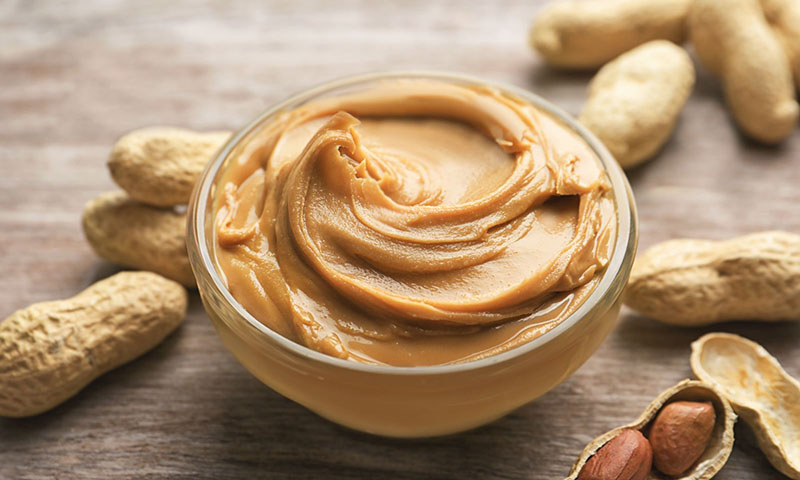
Peanut butter is more than just a tasty spread. Its creamy texture, protein and healthy nutrients make it a popular choice for snacks and smoothies. Surprisingly it may also support bone health.

Strong bones are important for movement, strength and overall quality of life. As we get older poor eating habits and a less active lifestyle can increase the risk of bone weakness and conditions such as osteoporosis.

Along with regular exercise getting the right nutrients from food can help keep bones healthy. Peanut butter can be one small part of a balanced diet.

Nutrients in peanut butter that support bones

Peanut butter contains several nutrients that may benefit bone health. Magnesium helps support bone development and strength. It also provides phosphorus, which is important for healthy bones and teeth.

Peanut butter also contains zinc a mineral that plays a role in tissue repair and vitamin B6, which supports normal metabolism and other body functions.

Another benefit is its protein content. Protein is important for building and maintaining bones and other body tissues.

However peanut butter is not a major source of calcium so it should not replace calcium rich foods such as milk, yogurt or other suitable alternatives.

How much peanut butter should you eat?

Peanut butter can be healthy but portion size matters. It is easy to eat more than planned because of its rich taste and creamy texture.

For most people, 1–2 tablespoons a day can be a reasonable amount depending on their overall diet and calorie needs.

Can too much peanut butter cause weight gain?

Peanut butter contains mostly unsaturated fats including monounsaturated and polyunsaturated fats.  These fats can be a healthier choice than some saturated fats.

However peanut butter is also high in calories. Eating large amounts regularly can add extra calories to your diet and may contribute to weight gain.

The right amount depends on your personal goal:

For maintaining weight Around 1–2 tablespoons may be enough.

For gaining weight:

A larger portion may help increase calorie intake. For weight loss Smaller portions can help control calories while still providing protein and healthy fats.

Tips

Peanut butter can be a nutritious addition to a balanced diet and may support bone health through nutrients such as magnesium, phosphorus, zinc vitamin B6 and protein.

Similar Posts

  • Cool your home cut power bills

    Extreme heat and rising electricity bills have become a major concern for many families. Air conditioners, air coolers and fans provide relief from the heat but using them for long hours can significantly increase monthly power costs. Experts say there are several simple and energy saving ways to keep homes cooler without relying heavily on expensive cooling appliances. One modern option is an electric heat pump. During summer it removes warm air from inside the house and releases it outdoors keeping rooms cool. In winter the same system can provide heating. Compared to traditional air conditioners heat pumps use less electricity although they are still not widely available in Pakistan. If a heat pump is not an option ceiling fans are a practical and affordable choice.  They use very little electricity while improving air circulation. In hot and dry areas evaporative air coolers (also called swamp coolers) can also work well. These coolers use water to lower the air temperature and consume much less power than air conditioners. Experts also recommend improving the home’s design to reduce indoor heat.  Sealing gaps around doors and windows helps prevent hot air from entering. Good ventilation and proper placement of windows can also make a house feel cooler naturally. The materials used to build a home also matter. Concrete roofs cement slabs bricks and stone absorb heat more slowly than metal sheets helping maintain a more comfortable indoor temperature. Painting the roof white is another low cost solution. White roofs reflect 60% to 90% of the sun’s rays keeping the roof cooler and reducing the amount of heat entering the house. This is why white roofs are becoming more common in many hot regions around the world. Natural shade can also make a big difference. Thick curtains trees around the house and rooftop plants help block sunlight and lower surrounding temperatures. Experts say that well planned tree planting can reduce nearby temperatures by as much as 15°C in some conditions making homes more comfortable while lowering electricity use.

  • Gym and height myth or fact?

    You may have heard people say that going to the gym or lifting weights can stop your height from growing.  Because of this belief some young people avoid exercise and weight training. But is this really true?  Let’s find out. Going to the gym has become very popular among people who want to stay fit and healthy.  Some people exercise to lose weight while others want to gain muscle and strength. Gym workouts are especially popular among young people. However several myths about weight training still create confusion. One common myth is that going to the gym at a young age can stop height growth. This belief is especially common among teenagers and young people between 18 and 20 years old. Can weightlifting stop height growth? Many people believe that lifting heavy weights at a young age can prevent the body from growing taller especially when a person carries heavy weights on their shoulders. However there is no strong scientific evidence that normal strength training stops a person’s height from increasing.  Weightlifting itself does not automatically stop growth. However young people should be careful when doing heavy workouts.  Using too much weight or exercising with the wrong technique can cause injuries.  Younger people should learn proper form and when possible exercise under the guidance of a qualified trainer. What actually affects height? A person’s height is mainly influenced by genetics. Hormones nutrition sleep and overall lifestyle can also play a role in healthy growth.if the body does not produce certain growth related hormones properly it can affect normal development. Poor nutrition can also prevent the body from getting the nutrients it needs for healthy growth. The body also contains growth plates which are areas near the ends of certain bones that help bones grow longer during childhood and adolescence.  These growth plates naturally close as a person reaches physical maturity. Therefore going to the gym does not simply stop height growth.  A healthy diet proper exercise enough sleep and safe workout techniques are more important for overall growth and fitness.

  • Immature Minds Need Nourishment, Not Punishment

    By Tuba Khan A nation’s commitment to justice is not judged by the way it treats its powerful citizens, but the way it treats its vulnerable members of society. One of the most fragile creations of God are the children who need love and care, but when they are punished for their mistakes, abused or exploited for their mischievous acts and left unheard in their hour of need, they tend to become juvenile delinquents. They require guidance and encouragement to learn from their mistakes, so that they can grow into responsible and confident individuals. But unfortunately, in Pakistan, children are the most neglected group in terms of justice. Though Pakistan has juvenile justice laws and is a signatory to several international commitments. However, it fails to honor these obligations. According to the KidsRights Index 2020, Pakistan ranks 147th out of 182 nations in access to justice for children. Juvenile delinquency is not inherent; rather, it is often fueled by social, familial, psychological and environmental conditions. Children being observant and curious by nature are highly adaptable to their surroundings. Family, mentors and the community instill values in a child, shaping children’s behavior. However, factors that lead to juvenile delinquency include parental conflicts or separation, peer pressure, exposure to negative, aggressive and violent environments, deprivation of education, financial resources, affection and other basic necessities, impaired cognitive development, poor reasoning skills and psychological issues, such as impulsiveness, antisocial traits and mental disorders. Moreover, drug addiction, access to harmful content on social media, the dark web and illegal means also exacerbate the growing evil of youth delinquency. Together, these factors shape a child’s social and moral development and provoke delinquent behavior. The United Nations Convention on the Rights of the Child (CRC) defines a child as one under the age of eighteen. Below this age, children should not be treated with brutality or strict laws. Critics often argue that crime is crime whether it is committed by a child or an adult. However, the philosophy of juvenile justice acknowledges that cognitive development is not yet mature and children have an immense capacity for rehabilitation. A study indicates that the children between 16 and 18 years of age are more likely to commit offences as compared to the younger ones There is always hope for and from every child. Recognizing these realities, the global community embraced a child-centered approach to juvenile justice and adopted basic principles to deal with young offenders. First, it must be made clear that when a child comes into conflict with the law, alternatives should be offered instead of processing him/her through the formal justice system. Second, there needs to be an exclusive juvenile justice system. Third, during the investigation, a juvenile should not be kept in a regular police station and the judicial process needs to be quick. Lastly, it must be ensured that the state gives a message to juveniles that it believes in their potential for reform. International laws promote the reintegration of children into society, but sadly, this approach is missing in the juvenile justice system of Pakistan. Punjab has only two Borstal Institutes & Juvenile Jails at Bahawalpur and Faisalabad, while Sindh has five Youthful Offenders Industrial Schools in Karachi, Hyderabad, Sukkur, Larkana and Dadu, although the facility in Dadu is non-operational. The KPK has one Borstal in Bannu, whereas Balochistan does not have even a single functional Borstal Institute or juvenile jail. This lack of physical infrastructure causes a considerable number of juveniles to be imprisoned in regular prisons. Placing children in such an overcrowded environment exposes them in proximity to criminals and causes psychological distress, which undermines the rehabilitation capacity of prisoners. No less troubling is the lack of juvenile courts across the country. As a result, most children have continued to go through regular courts that cannot cater to their developmental needs. A joint report by UNICEF and the Commissioner for Children’s Complaint Office of Pakistan has found that as of November 2023, 81% of the total juvenile offenders in Punjab were detained in ordinary jails, and only 144 prisoners were housed in Borstal Institutes. In January 2026, Punjab Prison Department released a report, according to which there are 718 juvenile prisoners in Punjab, while the total capacity is 658 prisoners. The shortage of juvenile institutions further highlights the flaws in the juvenile justice system of Pakistan. It is the state’s responsibility to transform vulnerable children into responsible citizens. Therefore, the Government of Pakistan must move beyond merely passing laws that remain largely unimplemented and instead take concrete and pragmatic steps. The country should develop an implementation plan for the juvenile justice system, allocate adequate financial resources, strengthen the diversion mechanism to resolve minor juvenile cases outside the formal justice system, establish child-friendly rehabilitation centers that promote a sense of responsibility towards society, develop specialized juvenile police units to replace the use of police lock-ups for children, protect juveniles from torture and capital punishment while in detention, recruit trained staff, address the root causes of juvenile delinquency, such as poverty, illiteracy, unemployment, unsafe neighborhoods and the growing number of street children through social welfare programs and introduce a real-time Prison Management Information System (PMIS) to monitor juvenile offenders and support evidence-based decision-making. Every child lost to crime symbolizes not merely an individual failure but a social breakdown and failure of state governance. Invest in the rehabilitation of juvenile offenders to build a safer and stable Pakistan tomorrow. Immature minds need nourishment, not punishment.

  • Enjoy simple activities

    Every new year brings fresh hope and a chance to make life better. But happiness does not always come from big achievements. Small daily habits can also bring more peace joy, and satisfaction to our lives. Remember happy moments Make a habit of remembering the good things that happen in your life.  You can write down three things each day that made you happy. It could be success in an exam a kind message from someone or a pleasant moment with family. Keeping a record of positive moments can help improve your mood and encourage you to focus on the good things in life. Communicate better with your partner Good communication can make married life more peaceful and enjoyable.  Instead of turning every disagreement into a serious argument try to listen carefully and speak calmly. Even people who are not naturally cheerful can develop better habits and improve their relationships. Give importance to friendship Good friends can bring happiness and emotional support at every stage of life. As people grow older close and trustworthy friendships can become even more valuable. Make time for the people who care about you listen to you, and make you feel comfortable. Celebrate other people’s happiness Be happy for other people when they achieve something or experience a special moment.  Celebrating their success can make relationships stronger and create a warmer connection. Helping others feel appreciated can also give you a sense of happiness and satisfaction. Enjoy fun activities Make time for activities that you genuinely enjoy. Listening to your favourite music taking a long drive spending time outdoors reading, or trying something different can help refresh your mind. You do not always need an expensive trip or a major event to feel happy.  Simple activities can also bring peace. Learn to stay calm Constantly chasing happiness can sometimes create stress and disappointment.  Keep your expectations realistic and learn to appreciate what you already have. Accepting that life has both good and difficult moments can help you remain calm and emotionally balanced. Stay connected with older family members Talking to parents grandparents and other older family members can help you understand your family history and appreciate your life more. Their experiences and stories can offer valuable lessons and may also help you feel more connected and confident. Help others Volunteering and helping people can bring a strong sense of purpose and satisfaction.  You can help others by supporting someone in need, caring for animals gardening or taking part in community activities. Helping others can improve your sense of connection and make everyday life more meaningful. Find happiness in small things A happier life does not require everything to be perfect. Start noticing the small moments that bring peace and joy. Spend time with loved ones appreciate what you have take care of yourself and make room for activities you enjoy. Small positive habits can gradually make life more peaceful and fulfilling.

  • Indonesia’s youth are reviving leaf weaving art

    Across the tropical islands of Java and Bali, coconut and palm leaves have bound together daily life and spiritual practice for centuries. They include janur (young, pale yellow coconut fronds) and slepan (mature green fronds). These pliable natural fibers have traditionally been folded, sliced, and pinned into delicate ritual offerings. They are a part of canang sari, ornate wedding arches, and festive penjor poles that line village streets. For decades, this intricate craft was widely viewed as a transient household chore or a necessity of ceremonial duty. It was something crafted quickly, admired briefly, and discarded once dried. As younger generations moved toward urban centers and sought modern corporate or tech jobs, the deep knowledge of palm foliage design faced the quiet threat of stagnation. Today, a vibrant revival is underway. A new generation of Indonesian artisans, designers, and environmentalists is taking up leaf weaving. These crafties are reimagining this ancestral skill not merely as a folk tradition, but as a medium for sustainable architecture. The shift began when forward-thinking young crafters began asking a simple question. What if the humble palm leaf could transcend its flat, two-dimensional boundaries? Artisans such as Balinese weaver Ida Bagus Gede Ari Artana (famously known as Gus Ari) began pushing the physical limits of palm leaves. He experimented with twisting, interlacing, and tension-weaving techniques. Crafters transformed flat sheets (klangsah) into expansive 3D installations. As a result, collaborations like Make a Scene Bali, co-founded by Gus Ari and British stage designer Chloe Quinn happened. They brought international theatrical design principles into harmony with native Javanese and Balinese weaving traditions. Instead of tiny ritual baskets, young weavers are now constructing colossal mythological creatures, archways, floating pavilion interiors, stage backdrops, and even high-fashion wearable art and jewelry crafted from dried lontar leaves. These breathtaking installations have graced international platforms. For instance, the G20 Summit held in Bali, where sustainable leaf sculptures of native sea turtles and dragons greeted world leaders. Beyond aesthetic innovation, the youth-driven resurgence of leaf weaving is rooted in environmental activism. Over recent decades, the event and hospitality industries in Southeast Asia grew increasingly dependent on single-use plastics, styrofoam, and non-recyclable synthetic decorations. The movement to revive leaf weaving offers a completely biodegradable, zero-waste alternative. Young coconut fronds are harvested sustainably from local trees without harming the palm. The raw material is renewable, abundant, and locally sourced. Once an event or exhibition concludes, the entire installation can be composted back into the soil. The activism embodies a circular design ethos that resonates with modern eco-conscious consumers and international art curators alike. Perhaps the most significant impact of this movement is economic and cultural. Historically, local crafters have struggled to command fair compensation for traditional foliage work because the raw material was viewed as inexpensive. Now, there’s a promotion of leaf weaving to structural art and luxury event design. Young creative studios are proving that the value resides in the artisan’s vision, precision, and hours of practiced labor. This shift has boosted local earning potential and inspired young men and women across rural communities to remain in their homelands. They are earning sustainable livings while keeping their heritage alive. The palm frond art captures global attention. Alongside, Indonesia’s younger generation is demonstrating that tradition does not have to be frozen in a museum. Rather, it can grow, adapt, and weave a sustainable future for art and community.      

  • How to protect your phone screen without protector?

    If you have recently purchased a flagship smartphone, there is a good chance that you may not need a screen protector. In fact, most flagship smartphones now come with Corning Gorilla Glass protection which makes them highly resistant to scratches. However, many people still use screen protectors to provide their phone screens with additional protection. A screen protector is particularly useful when a phone is dropped from a height and hits the floor with significant force. But what should you do when the screen protector that has been on your phone for some time becomes damaged or covered with scratches? This can happen for various reasons such as accidentally placing the phone screen-down on a hard surface. Scratches can also occur when the phone is kept in a pocket with keys or coins. Although screen protectors are highly resistant to scratches, they are not completely scratch-proof. Dust and dirt can also affect the phone’s screen and increase the risk of scratches. So, if your screen protector becomes damaged, you can simply continue using the phone without replacing it immediately. Just try to keep the screen free from dust and make a habit of cleaning it regularly using a suitable screen-cleaning liquid and a soft cloth.

Leave a Reply

Your email address will not be published. Required fields are marked *