norways peoples king
|

Norway’s ‘People’s King’ dies: What comes next?

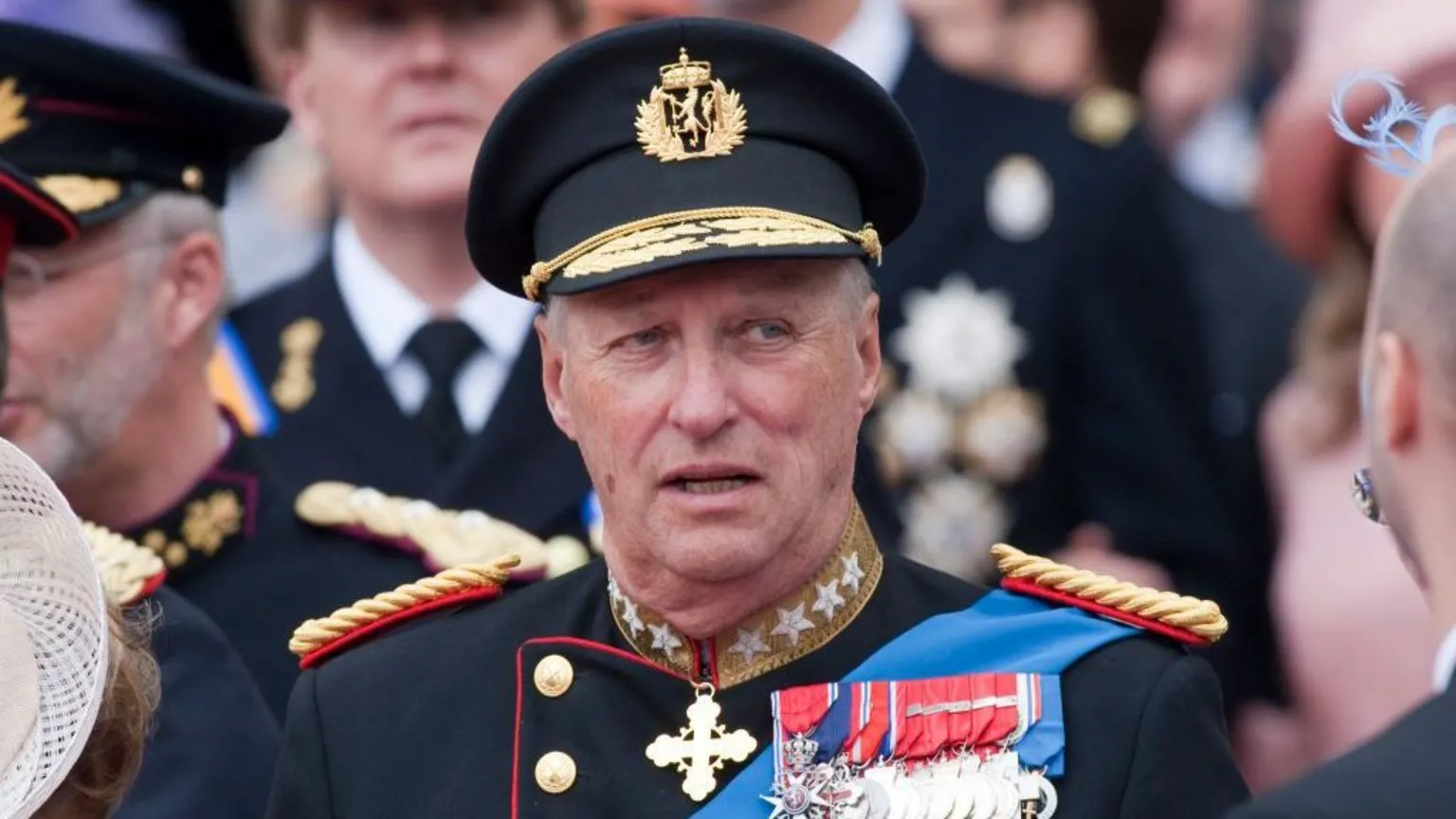
Norway is mourning the death of King Harald V, who passed away on Friday at the age of 89 after more than three decades on the throne.

The Norwegian royal palace said Harald died peacefully at Oslo University Hospital at 6:35am local time. He had been receiving treatment after being hospitalised earlier this month with a serious illness and a bacterial infection in his blood.

Harald’s death brings an end to a 35-year reign during which he became one of Norway’s most respected and popular public figures. He was widely regarded as a modernising monarch who helped make the royal institution more open, accessible and closely connected with ordinary citizens.

His son, Crown Prince Haakon, immediately became king following his father’s death. Haakon, 53, is expected to formally address the government and parliament as Norway begins the transition to a new reign.

Born on February 21, 1937, Harald was the first Norwegian-born heir to the throne in almost six centuries. His childhood was shaped by the Second World War. When Nazi Germany invaded Norway in 1940, the young prince left the country with his mother and sisters. The family spent time in Sweden before travelling to the United States, where they lived during the war.

Harald returned to Norway after the war and later completed his education and military service. He studied social sciences, history and economics at Oxford University before becoming increasingly involved in royal duties.

One of the defining moments of his personal life came in 1968, when he married Sonja Haraldsen, the daughter of a businessman. The marriage broke with royal tradition because Sonja was a commoner. Harald had reportedly waited years for permission to marry her and eventually made clear that he would rather remain unmarried than give her up.

Queen Sonja remained his partner throughout his nearly six decades of marriage and his entire reign.

Harald became king in January 1991 following the death of his father, King Olav V. Over time, he developed a reputation for showing emotion and speaking openly on issues affecting Norwegian society.

His role as a national unifier became particularly important after the 2011 terrorist attacks in Oslo and on Utøya, in which 77 people were killed. Harald’s public response focused on solidarity, compassion and rejecting fear.

He also became known for advocating tolerance and diversity. In a widely remembered speech in 2016, he emphasised that Norway was home to people of different nationalities, religions and sexual orientations.

Outside his official duties, Harald was a passionate sailor and represented Norway at three Olympic Games. He was also interested in environmental conservation and supported efforts to protect nature.

His later years were marked by repeated health problems. In 2024, he was hospitalised while visiting Malaysia and later received a pacemaker. He subsequently reduced his public engagements but rejected calls for abdication, maintaining that his commitment to the throne was lifelong.

Harald’s death also comes at a difficult time for Norway’s royal family. Crown Princess Mette-Marit has faced scrutiny over her past contacts with convicted sex offender Jeffrey Epstein, while her son Marius Borg Høiby was convicted this year of rape and domestic violence. Mette-Marit has also undergone a lung transplant after suffering from a serious pulmonary condition.

Despite the controversies surrounding members of his family, Harald himself retained strong personal popularity among Norwegians.

Tributes have poured in from European leaders and fellow monarchs. Britain’s King Charles III described Harald as a much-loved relative and friend, while Sweden’s King Carl XVI Gustaf remembered him as a close friend of his family and Sweden.
Similar Posts

  • |

    Colombia earthquake death toll crosses 250

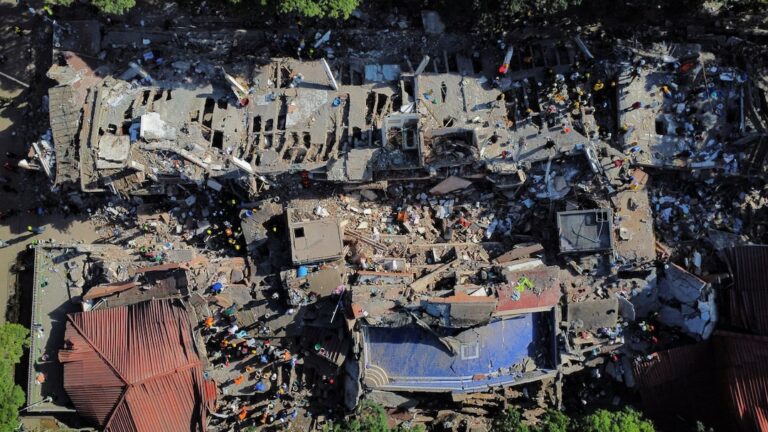
    The death toll from a powerful earthquake in western Colombia has crossed 250 as rescue teams continue searching through collapsed buildings for survivors. The 7.4-magnitude earthquake struck the country’s coffee-growing region early Monday. It caused widespread destruction across several cities and surrounding areas. Local authorities reported that at least 254 people had died by Tuesday morning. Pereira recorded 101 deaths, while 95 fatalities were reported in Cali, Colombia’s third-largest city. Rescue workers have been operating around the clock in the worst-hit areas. They are using cranes, excavators and heavy machinery to remove huge sections of concrete. In some locations, rescuers have been forced to work with their hands. Volunteers have also joined the search, forming human chains to move debris away from collapsed structures. Families have gathered near damaged buildings while waiting for news of relatives who may still be trapped. Rescue workers have reported finding both survivors and bodies beneath the rubble. The earthquake severely damaged homes, apartment buildings, schools and medical facilities. Some structures were completely destroyed, while others were left unstable and unsafe for residents. Cali suffered major damage. Several upper floors of a hospital collapsed, including areas used for paediatric treatment. Hospital officials said some patients became trapped, while hundreds of others were treated outside the damaged facility. The city’s morgue reached capacity as authorities continued bringing in victims from affected areas. Medical and emergency services have been working under difficult conditions. The United Nations humanitarian office estimated that around 5,000 homes had been damaged. Dozens of buildings collapsed, while hundreds of other residences were destroyed or seriously affected. The earthquake also disrupted essential infrastructure. Electricity, water supplies, healthcare services and telecommunications were affected in several areas. Authorities also closed six airports because of damage. Roads were damaged in multiple locations, creating additional difficulties for rescue teams and the delivery of emergency supplies. The region near the epicentre has faced particularly severe disruption. Poor communications have made it difficult for authorities to assess the full scale of the disaster. Nearly 100 aftershocks were recorded by Tuesday morning. Officials have warned residents and rescue workers to remain cautious as damaged buildings could collapse during further tremors. President Abelardo De La Espriella visited the affected region and announced a three-month economic relief measure for residents of Risaralda. The government said the initiative was intended to support people and businesses affected by the disaster. International assistance has also begun. The United States announced $15.5 million in emergency support for shelter, food, protection and damage assessments. The Inter-American Development Bank said $50 million could immediately be made available for reconstruction support if requested by the Colombian government. The United Nations said it was expanding its presence in the affected region to support humanitarian operations. Officials cautioned that the final death toll and overall scale of the destruction could take several days to establish because communications remain disrupted in some of the hardest-hit areas.

  • |

    KP launches digital transformation policy & roadmap 2030 to accelerate e-governance

    PESHAWAR: Chief Minister Khyber Pakhtunkhwa Muhammad Suhail Afridi has officially launched the Khyber Pakhtunkhwa Digital Transformation Policy and Roadmap 2030, describing it as a landmark initiative aimed at establishing transparent governance, improving public service delivery, and building a sustainable digital economy across the province. Speaking at the launch ceremony at the Chief Minister’s House in Peshawar, the chief minister said the policy is among Pakistan’s most comprehensive digital transformation frameworks and provides a long term roadmap for modernising governance through innovation, technology, and digital reforms. He said the provincial government is committed to implementing the vision of “Digital Khyber Pakhtunkhwa” and praised the Khyber Pakhtunkhwa IT Board and other stakeholders for preparing the roadmap through extensive consultations, international best practices, and future-oriented planning. The Digital Transformation Policy and Roadmap 2030 is built on five strategic pillars, nine core objectives, 32 thematic domains, and 915 strategic interventions. It includes clear implementation timelines, institutional responsibilities, and a comprehensive monitoring framework to ensure effective and sustainable execution. The chief minister said the introduction of paperless governance and digital reforms would significantly improve transparency, accountability, efficiency, and service delivery. He added that reducing human intervention in administrative processes would strengthen merit, transparency, and accountability. Under the roadmap, public services will be digitised in phases and made citizen centric, enabling people to access government services and information through a single digital platform. The initiative is also expected to reduce unnecessary visits to government offices, particularly benefiting residents of remote areas. Highlighting the importance of artificial intelligence and emerging technologies, Afridi said the government would equip more than 100,000 young people with AI and advanced digital skills, creating new opportunities in employment, freelancing, entrepreneurship, and investment while strengthening the provincial economy. He added that digitisation would not only improve governance but also reduce government expenditure, ensure more efficient use of public resources, minimise paper consumption, and contribute to environmental protection through greener administrative practices. Referring to the province’s fiscal performance, the chief minister said the government collected Rs150 billion in revenue during the previous fiscal year against a target of Rs129 billion, without imposing any new taxes. For the current fiscal year, the revenue target has been set at Rs180 billion, with expectations of reaching Rs200 billion through improved governance and financial management. During a detailed briefing, officials informed participants that the policy also includes measures to promote green ICT procurement, environmentally sustainable digital infrastructure, carbon footprint reduction, and the establishment of a carbon credit registry to support Khyber Pakhtunkhwa’s transition towards a modern and environmentally responsible digital economy. In line with the policy’s digital-first approach, the roadmap has not been issued as a printed publication. Instead, all policy documents have been made available through a QR code, demonstrating the government’s commitment to digital accessibility and paperless governance.

  • |

    Will Scharf named Trump’s new White House counsel

    US President Donald Trump has appointed Will Scharf as the next White House counsel and assistant to the president. Scharf, who currently serves as White House staff secretary, will take over the legal post on September 1, 2026. He will replace David Warrington, who is set to leave the administration and enter the private sector. Scharf is a lawyer and political adviser with close ties to Trump. Before joining the White House, he represented Trump in several major legal matters. He was also involved in the presidential immunity case that reached the US Supreme Court. Scharf previously worked as a federal prosecutor. He also served as a law clerk for federal appeals court judges, giving him experience in both government and federal litigation. His new position will place him at the centre of the Trump administration’s legal strategy. As White House counsel, Scharf will advise the president on legal issues and oversee matters involving executive privilege, judicial appointments and relations with the Justice Department. He will also be involved in responding to legal challenges facing the administration. The position is considered particularly important as Trump prepares for growing political and legal pressure ahead of the 2026 midterm elections. Scharf joined Trump’s legal team in 2023. He worked on the federal election interference case brought by former Special Counsel Jack Smith. His involvement continued as the case reached the Supreme Court. In 2024, the Supreme Court ruled that presidents have broad immunity from criminal prosecution for official acts. The decision became a major development in the legal battles surrounding Trump. After Trump returned to the White House in January 2025, Scharf was appointed staff secretary. In that role, he managed documents and other materials sent to the president for review. He also frequently appeared with Trump during executive-order signing ceremonies. Scharf has also chaired the National Capital Planning Commission. During his tenure, he was involved in the approval process for Trump’s proposed White House ballroom project, which has faced controversy and scrutiny. His appointment comes at a politically sensitive time for the administration. The White House is dealing with legal and political challenges while preparing for increased congressional scrutiny before the midterm elections. Trump praised Scharf after announcing the appointment. He described him as “tough, strong, and smart” and highlighted his experience as a federal prosecutor and his work on Trump’s legal cases.

  • |

    US Immigration and Customs Enforcement (ICE) to complete nationwide body-camera rollout by late August

    US Immigration and Customs Enforcement (ICE) has confirmed that its nationwide distribution of body-worn cameras to all field officers and agents is moving ahead of schedule, with deployment set to wrap up by the end of August. Acting Director David Venturella announced the accelerated timetable amidst intense public and congressional scrutiny following recent fatal enforcement encounters. Public outrage mounted after lethal shootings during traffic stops in Maine and Texas, as well as the fatal shooting of two US citizens during an immigration crackdown in Minnesota. In response to the incidents, Department of Homeland Security Secretary Kristi Noem previously stated that the camera programme would expand nationwide as funding allowed, while border czar Tom Homan directed that officers record vehicle stops using at least one body camera. Under current internal policies, ICE permits expedited footage releases following incidents involving severe injury or death in custody. However, the agency retains broad authority to withhold recordings to safeguard active investigations or personal privacy. Transparency advocates and legal scholars have criticised the framework, arguing that granting agency leadership discretionary power to block or delay footage releases risks shielding federal operations from meaningful public oversight.

  • |

    45,000 attend arbaeen procession in Dearborn

    More than 45,000 mourners gathered in Dearborn, Michigan, for a major procession marking Arbaeen, the 40th day of mourning following the martyrdom of Imam Hussain (RA) and his companions at the Battle of Karbala. The large gathering brought together members of the Shia Muslim community from Dearborn and other parts of Michigan, with participants filling the city’s streets to pay tribute to Imam Hussain (RA) and remember the sacrifices made at Karbala. During the procession, mourners recited elegies and took part in traditional mourning rituals, expressing grief and devotion while commemorating the events of Karbala. The gathering also served as an opportunity for participants to reflect on the values associated with Imam Hussain (RA), including justice, courage, sacrifice, and standing against oppression. The procession featured a strong display of religious devotion as thousands of participants marched through the streets in an atmosphere of mourning and remembrance. Families and community members joined the event, making it a significant religious gathering for the local Muslim population. Organizers described the event as the largest Arbaeen gathering of its kind in the history of the United States. They said the growing number of participants demonstrates the increasing scale of the annual commemoration and the strong connection of the community with the religious and historical significance of Karbala. The turnout also marked a notable increase compared with last year’s event. Around 40,000 people reportedly attended the Arbaeen procession in Dearborn in the previous year, while this year’s gathering attracted more than 45,000 participants. Arbaeen holds deep religious importance for Shia Muslims worldwide. It marks the completion of 40 days of mourning for Imam Hussain (RA), who was martyred alongside members of his family and companions at Karbala in 680 AD. Millions of people participate in Arbaeen commemorations across different countries, with the annual pilgrimage in Iraq drawing one of the world’s largest religious gatherings. The Dearborn procession has become an important annual event for the city’s Shia Muslim community, allowing participants to come together to remember the tragedy of Karbala and honor the legacy of Imam Hussain (RA).

  • |

    Shaheen Afridi pulls out of LPL 2026

    COLOMBO: Pakistan fast bowler Shaheen Shah Afridi has reportedly withdrawn from the Lanka Premier League (LPL) 2026, bringing an early end to a turbulent campaign that was overshadowed by an administrative mix-up and below-par performances. According to media reports, the 26-year-old informed his franchise, Kandy Royals, that he was leaving the tournament for personal reasons. Neither Afridi nor the franchise has disclosed further details, while Kandy Royals are yet to announce a replacement. Afridi’s departure comes just days after he was at the centre of an unusual selection controversy. Reports claimed he had initially been listed as the team’s Impact Player for a match against Colombo Capitals, but was unable to feature after an administrative error left his name off the official team sheet. The mistake reportedly occurred after Kandy Royals elected to bat first, with team officials later informing Afridi that an analyst had accidentally omitted his name from the final squad submitted before the match. The incident prompted the Pakistan pacer to raise the issue with an official from the tournament’s Anti-Corruption Unit, after which the matter was referred to the match referee for review. Franchise officials and tournament organisers later apologised to Afridi for the error. Reports suggested the left-arm fast bowler had briefly considered leaving the competition immediately after the incident but decided to stay with the squad following the apology. Despite remaining in the tournament, Afridi struggled to make his usual impact with the ball. He claimed seven wickets in six matches, averaging 32.00, while conceding runs at an economy rate of 10.18, figures well below the standards expected from one of Pakistan’s premier fast bowlers. Meanwhile, the LPL continues to see changes in team combinations, with two more Pakistani cricketers joining the competition as replacement signings. Young batter Khawaja Nafay has been drafted by Jaffna Kings to replace Afghanistan opener Ibrahim Zadran, while experienced all-rounder Iftikhar Ahmed has signed with Dambulla Sixers as a replacement for Afghanistan fast bowler Fazalhaq Farooqi. Shaheen’s reported withdrawal marks another twist in an eventful LPL campaign and is likely to spark further discussion about player management and tournament administration as the competition heads toward its decisive stages.

Leave a Reply

Your email address will not be published. Required fields are marked *