fuel prices finally
| |

Fuel prices finally roll back on September 29 after weeks of hikes

MANILA, Philippines – Fuel prices are going down starting Tuesday, September 29 after three consecutive weeks of steep pump price increases.

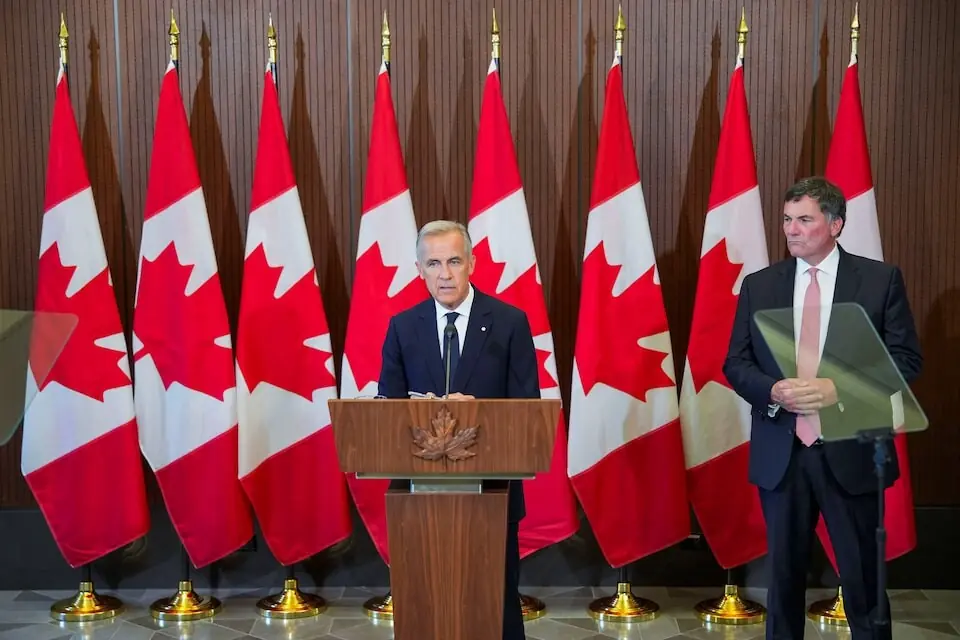
In a press conference on Monday, September 28, Energy Secretary Sharon Garin announced the following fuel price adjustments for the week of September 29 to October 5:

  • Gasoline – rollback of P0.24 per liter
  • Diesel – rollback of P7.57 per liter
  • Kerosene – rollback of P5.85 per liter

The rollback follows three straight weeks of increases. Last week alone, gasoline prices rose by P4.88 per liter, diesel by P8.82 per liter, and kerosene by P6.47 per liter.

Oil prices improved on renewed hopes for US-Iran diplomatic solutions amid the United Nations General Assembly meeting. Still, risks remain in the Middle East. Shipping traffic through the Strait of Hormuz remains lower than average, and attacks by Yemen’s Houthis threaten to further wreck Saudi energy infrastructure and Red Sea shipping.

The Strait of Hormuz, the narrow waterway between Iran and Oman, is one of the world’s most important oil shipping routes. Any disruption to tanker traffic can quickly affect global crude and refined product prices.

Excise taxes on LPG, kerosene suspended

The rollback comes alongside another government measure intended to cushion consumers from high energy costs.

President Ferdinand Marcos Jr. on Friday, September 25, ordered the full suspension of excise taxes on liquefied petroleum gas and kerosene. It does not cover gasoline or diesel.

The suspension may last for up to three months but will be reviewed regularly by the Development Budget Coordination Committee and the DOE.

The government previously suspended excise taxes on LPG and kerosene earlier this year before restoring them in July after the one-month average Dubai crude price fell below $80 per barrel.

Despite the latest rollback, local pump prices remain well above levels seen before fighting involving Iran and US-Israeli forces broke out on February 28. In the last full week before the conflict, DOE data showed common retail prices in Metro Manila at P56 per liter for gasoline RON95, P54.70 per liter for gasoline RON91, P55 per liter for diesel, and P83.47 per liter for kerosene.

The Philippines imports much of its fuel as finished petroleum products, making domestic pump prices vulnerable to movements in regional refined fuel prices, foreign exchange rates, and disruptions in international supply routes. – Rappler.com

Similar Posts

  • |

    Pakistan, Belarus agree to expand agricultural trade through online B2B platforms

    ISLAMABAD: Pakistan and Belarus have agreed to strengthen agricultural and food-sector cooperation by facilitating online business-to-business (B2B) engagements between companies from the two countries. The understanding was reached during a meeting between Federal Minister for National Food Security and Research Rana Tanveer Hussain and Belarusian Deputy Minister of Agriculture and Food Yakovchits Aleksander. The discussions focused on expanding bilateral trade, improving business-to-business connectivity and creating new opportunities for cooperation in agriculture and food-related sectors. Under the proposed initiative, businesses and relevant organisations from Pakistan and Belarus will be encouraged to participate in online B2B meetings. The sessions are expected to connect exporters, importers and other industry stakeholders and help them explore potential commercial partnerships. The two countries identified a number of products with potential for increased bilateral trade, including seafood, citrus fruits, mangoes, fruit puree, potatoes, seeds and dairy products. Greater business connectivity in these areas could help companies explore new markets and diversify trade opportunities. Focus on Agricultural Exhibitions Pakistan and Belarus also agreed to encourage greater participation by businesses and agricultural stakeholders in food exhibitions, trade fairs and other industry events held in both countries. Such events will provide companies with opportunities to showcase their products, establish business contacts, develop partnerships and explore investment opportunities. The initiative is also expected to help strengthen direct commercial links between businesses operating in the agricultural and food sectors. The two sides further agreed to facilitate reciprocal visits by agricultural trade and business delegations. These exchanges are aimed at encouraging investment, sharing technical expertise and identifying areas where companies and institutions from both countries can work together. Cooperation in Fish Farming The meeting also discussed prospects for cooperation in fisheries, particularly fish farming and aquaculture. Both sides agreed to promote the exchange of knowledge, technology and best practices in the sector. Cooperation in this area could support the adoption of modern aquaculture techniques while providing opportunities for technical collaboration and investment. The initiative is expected to contribute to the development of more efficient fish-farming practices and strengthen cooperation between relevant institutions and businesses in Pakistan and Belarus. Proposal for Agricultural Machinery Testing Centre During the meeting, Rana Tanveer Hussain proposed the establishment of a universal agricultural machinery testing facility or centre at the Pakistan Agricultural Research Council (PARC), with financial and technical assistance from Belarus. The proposed centre would provide a platform for testing agricultural machinery and assessing its suitability for use in Pakistan’s farming sector. The Belarusian side took note of the proposal and agreed to examine the initiative further. As part of the process, the two sides agreed to conduct a detailed assessment of the proposed facility. This will include identifying the machinery and equipment required for the centre and evaluating locations suggested by Pakistan for establishing machinery testing stations. Pakistan and Belarus also agreed to facilitate exchange visits by highly qualified technical experts by the end of 2026. The visits are expected to help specialists assess technical requirements, exchange expertise and explore practical mechanisms for implementing the proposed cooperation. Pakistan Seeks Practical Outcomes Rana Tanveer Hussain emphasised the need to transform bilateral cooperation into practical commercial, technological and institutional results. He said Pakistan was interested in expanding its engagement with Belarus in emerging areas of agriculture and food security, while creating greater opportunities for farmers, businesses, investors and technical experts. The minister highlighted the importance of stronger institutional and private-sector linkages to ensure that agreements between the two countries translate into tangible economic benefits. Both sides expressed satisfaction with the growing cooperation between Pakistan and Belarus and reaffirmed their commitment to expanding collaboration in agriculture, food trade, fisheries, technology and agricultural machinery.

  • | | |

    Petrol, Diesel prices rise as govt announces fresh…

    ISLAMABAD: The federal government has increased prices of both petrol and high-speed diesel (HSD), citing adjustments under the country’s petroleum pricing mechanism. According to a notification issued by the Petroleum Division of the Ministry of Energy, the price of petrol has gone up by 45 paisa per litre, while high-speed diesel has become Rs1.16 more expensive per litre. Following the latest revision, petrol will now cost Rs325.43 per litre, compared with the previous rate of Rs324.98. The price of high-speed diesel has risen from Rs382.79 to Rs383.95 per litre. The revised rates were determined after the Oil and Gas Regulatory Authority (OGRA) reviewed petroleum product prices in line with the government’s pricing framework, which takes international oil market movements and other relevant costs into account. The latest increase comes shortly after the previous price review, when the government raised the HSD rate by 54 paisa per litre while reducing petrol prices by 94 paisa per litre. The new prices will apply from Friday, August 14, as the government continues its periodic adjustments to petroleum rates in response to changes in global energy markets and domestic cost factors.

  • | |

    Canada announces retaliatory tariffs as trade talks with US collapse

    OTTAWA: Canada has announced plans to impose new tariffs on a range of American products in response to steep duties introduced by US President Donald Trump on Canadian goods, marking another sharp deterioration in trade relations between the two North American neighbours. Prime Minister Mark Carney said on Saturday that Canada would adopt a “dollar-for-dollar” approach to Washington’s latest tariffs. The retaliatory measures are scheduled to take effect on September 8 and will cover products including US steel, electronics, appliances, agricultural equipment, pulp and paper and other goods. The announcement came after three days of intensive negotiations between Canadian and US officials ended without a trade agreement. Both sides blamed the other for the failure to reach a breakthrough, raising fresh uncertainty over the future of the United States-Mexico-Canada trade framework. Carney vows to defend Canadian economy Speaking at a press conference in Ottawa, Carney said Canada would respond to the US measures in an effort to shield workers, farmers, businesses and families from the economic impact of the new duties. “Canada will match Washington’s new tariffs dollar for dollar,” Carney said, stressing that Ottawa could not accept the conditions put forward by the US administration. Asked whether the dispute had effectively developed into a trade war, Carney responded in stark terms, saying Canada had been attacked and therefore had to defend its economic interests. The Canadian government said its countermeasures would target a broad selection of US products. Further details, including the specific goods affected and the tariff rates, are expected to be announced in the coming days. Carney also indicated that Ottawa would introduce support programmes for Canadian industries affected by the American duties. The assistance could remain in place for several years depending on the impact of the trade measures. US-Canada negotiations break down The latest dispute follows the collapse of negotiations that had been viewed as an opportunity to prevent a further escalation in tariffs. US Trade Representative Jamieson Greer described the failed talks as a missed opportunity for Canada and said Washington would proceed with measures responding to Canadian retaliation. He also suggested that no fresh negotiations were immediately planned. The White House and offices representing the US commerce secretary and trade representative did not immediately issue a detailed response to Canada’s announcement. The breakdown has created additional uncertainty for businesses operating across the US-Canada border, particularly industries that depend heavily on integrated North American supply chains. New US duties affect key Canadian exports The latest US tariffs apply to a range of Canadian exports, including wine, furniture, dairy products, cement, clothing, fishing equipment and hockey-related products. According to the Canadian government, the new duties affect approximately $20 billion worth of Canadian exports to the United States. Unlike some previous measures, the latest tariffs do not fully exempt products traded under the existing North American trade agreement. The new duties represent a relatively small share of Canada’s overall exports to the US, but officials and industry representatives warn that individual sectors could face significant pressure. Industries such as softwood lumber, wine, manufacturing and other export-oriented businesses could experience weaker demand, higher costs and potential employment losses if the dispute continues. Candace Laing, chief executive of the Canadian Chamber of Commerce, urged companies across the country to prepare for a prolonged period of uncertainty. Dispute over vehicles and trade conditions One of the most difficult issues during the negotiations involved the treatment of larger vehicles. Canadian negotiators reportedly sought to extend preferential tariff arrangements for light-duty vehicles to medium- and heavy-duty trucks. Washington opposed the proposal, according to people familiar with the negotiations. Carney said the US position could have placed Canadian-made models at a competitive disadvantage. He specifically pointed to vehicles produced in Canada, including Ford’s F-350, F-450 and F-550 trucks and General Motors’ Silverado. The Canadian prime minister also said some US proposals touched on issues involving Canadian culture, language and sovereignty, although he did not provide further details. Ontario backs Ottawa’s position Ontario Premier Doug Ford, a prominent critic of US tariffs, welcomed Carney’s decision to reject what he described as an unfavourable agreement. Ford said the proposed terms would have harmed Ontario’s automotive, steel and manufacturing industries, adding that he supported Ottawa’s decision to retaliate rather than accept a deal that he considered damaging to the province. Ontario is particularly exposed to disruptions in US-Canada trade because of its large manufacturing and automotive sectors and its close integration with American supply chains. Canada seeks new international partnerships The escalating dispute also comes as Canada seeks to reduce its economic dependence on the United States. Nearly 70% of Canadian exports are destined for the US market, making the country particularly vulnerable to changes in American trade policy. Carney has nevertheless pledged to strengthen Canada’s relationships with other countries and explore new trade and security partnerships. The prime minister was elected on a platform that included a tougher negotiating stance toward the Trump administration. His government has maintained that Canada should defend its economic interests while looking for opportunities to expand trade beyond its southern neighbour. Public opinion has also strengthened Ottawa’s position, with polling indicating that many Canadians oppose making major concessions to Washington. Conservative Party leader Pierre Poilievre, who leads the federal opposition, also called for national unity in response to the US tariffs.

  • | | |

    SBP injects Rs11.6tr into banking system

    The State Bank of Pakistan (SBP) injected around Rs11.6 trillion into the country’s banking system through an open market operation on Monday, providing significant liquidity to banks. The central bank conducted a reverse repo auction under its Open Market Operations (OMOs). Banks submitted bids worth Rs11.777 trillion across two different tenors. The SBP accepted Rs11.613 trillion in total. For the four-day tenor, banks offered Rs31 billion. The central bank accepted the entire amount at an interest rate of 11.54%. The bids in this category ranged between 11.56% and 11.54%. The 14-day tenor attracted much larger demand. Banks submitted offers worth Rs11.746 trillion. The SBP accepted Rs11.583 trillion at a cut-off rate of 11.51%. The bidding rate for the 14-day facility ranged from 11.57% to 11.51%. Of the Rs5.6527 trillion offered specifically at 11.51%, the central bank accepted Rs5.48415 trillion on a pro-rata basis. The large-scale liquidity injection comes as banks continue to manage their short-term funding requirements. Open market operations are among the SBP’s key tools for managing liquidity and maintaining stability in the financial system. Meanwhile, the Pakistani rupee recorded a slight improvement against the US dollar during Monday’s trading session. The rupee strengthened by three paisa, closing at Rs277.62 per dollar compared with the previous close of Rs277.65. The marginal gain reflected relative stability in the foreign exchange market. The US dollar index also declined by 0.1%. The index, which measures the dollar against six major international currencies, traded near its lowest level of the month at 99.519. Gold prices, meanwhile, moved sharply higher in Pakistan. The price of gold increased by Rs2,000 per tola to reach Rs461,936. The price of 10 grams also rose by Rs1,715 to Rs396,035, according to market rates. The increase followed a strong recovery in international bullion prices. Gold has gained around 9% in August and was trading near $4,400 an ounce. Market analysts said the recent recovery suggested renewed interest from institutional investors and central banks. The rebound has also pushed gold above key technical resistance levels. This has strengthened expectations that prices could move higher if buying momentum continues. Gold had faced heavy pressure following the escalation of the US-Israel conflict with Iran. International prices fell from a record level of around $5,595 an ounce in January to below $4,000 in June. The decline prompted some investors to raise cash. Some central banks also used reserves to support their domestic economies as oil prices surged. Analysts now believe renewed central bank purchases could support the precious metal. Institutional investors are also rebuilding their holdings after the earlier sell-off.

  • | | |

    91 trade exhibitions, 11 foreign delegations but n…

    Islamabad:Pakistan has preferential trade arrangements with 93 countries. Its trade promotion authority participated in 91 international exhibitions and sent 11 trade delegations abroad in the last financial year, yet the country still has no registered Pakistani trade representative organisation or joint chamber in China. The absence of a formal Pakistani commercial organisation in China became a major point of concern before the Senate Standing Committee on Commerce, as senators questioned why Pakistan has not established a stronger private sector trade presence in one of its most important international markets. The committee, chaired by Senator Anusha Rahman, was told that no Pakistani joint chamber is currently registered in China and no Pakistani trade representative organisation is operating there. The Secretary Commerce said a Pakistani chamber could be established in China either as a joint chamber or as a branch, but it would have to meet the requirements set by Chinese authorities. He further explained that only one joint chamber from Pakistan could register itself in China under the relevant arrangements. Senators questioned why such an organisation had not been established despite the large scale business relationship between Pakistan and China. The Secretary Commerce said the reason could best be explained by the trade organisations themselves. The issue became more important when senators asked what real benefit Pakistan would gain from establishing a joint chamber or representative office. The Secretary Commerce said the Ministry of Commerce could not give a clear position on the matter and suggested that the Federation of Pakistan Chambers of Commerce and Industry and other chambers should provide their views. He said Pakistani private sector organisations could establish a chamber in major Chinese commercial centres such as Beijing or Shanghai, while the Ministry of Commerce would provide full support to interested chambers if they fulfilled Chinese requirements. Senator Anusha Rahman said a chamber could help Pakistani companies follow up more effectively on commercial opportunities in China. The discussion exposed a gap between Pakistan’s growing trade ambitions and its physical commercial presence in an important foreign market. The committee also examined the performance of the Trade Development Authority of Pakistan and its efforts to increase exports. The Chief Executive of TDAP said the authority was often blamed whenever Pakistan’s exports failed to grow, but export performance depended on several factors beyond the authority’s direct control. He pointed to production costs, electricity prices and the cost of financing as major factors affecting the ability of Pakistani businesses to compete in international markets. This means that simply sending trade delegations or participating in international exhibitions cannot guarantee higher exports if Pakistani products remain expensive to produce. The Commerce Minister, Jam Kamal Khan, told the committee that the Ministry of Commerce regularly sends policy proposals and recommendations to the government to improve the country’s trade environment. He said he had also proposed to the Prime Minister that reciprocal incentives should be pursued to increase exports. The minister said the Ministry of Commerce was working on new proposals to improve international marketing and increase Pakistani exports. He stressed that Pakistan could not become more competitive in international markets without dealing with the underlying costs faced by businesses and improving the investment environment. The figures presented by TDAP showed that the authority remained active in promoting Pakistani products abroad. During the last financial year, TDAP participated in 91 international exhibitions. The authority also organised or supported 11 trade delegations to foreign countries to search for new markets and strengthen business connections. Pakistan currently has preferential trade arrangements with 93 countries, giving Pakistani businesses access to special trade opportunities in international markets. However, the Senate committee stressed that trade agreements and international relationships must produce visible economic results. Members said Pakistan’s trade agreements should not remain only on paper. They should lead to higher exports, more investment and greater access for Pakistani businesses in foreign markets. The Chief Executive TDAP also clarified an important point about the authority’s financing. TDAP does not receive funding from the Export Development Fund. Instead, it receives government financing for specific projects. The committee also discussed the importance of stronger cooperation between Pakistani and Chinese institutions and private sector organisations. Senator Saleem Mandviwalla highlighted the role that Chinese international cooperation and trade specialists could play in developing stronger business and investment links. The discussion suggested that Pakistan needs to connect several areas of economic policy instead of treating export promotion as a separate activity. Lower production costs, cheaper and reliable electricity, easier access to finance, stronger investment policies, better international marketing and effective trade representation are all important if Pakistani companies are to compete successfully abroad. TDAP’s participation in 91 international exhibitions and 11 foreign trade delegations shows that the authority is actively trying to open doors for Pakistani exporters. But the Senate discussion also made clear that opening doors is only the first step. Pakistan must ensure that its businesses are able to walk through those doors with competitive products, attractive prices and the capacity to supply international buyers. The committee appreciated TDAP’s efforts but stressed the need for a coordinated national strategy linking trade policy, investment, industrial competitiveness, export promotion and overseas market representation.

  • | | | | |

    [Puso at Diwa] Foreign currency deposit secrecy: Time for a constitutional rethink

    The uncertainty surrounding the interaction between constitutional impeachment powers and statutory bank secrecy is itself a weakness in the country’s accountability framework

Leave a Reply

Your email address will not be published. Required fields are marked *