caitlin clark brightens
| |

Caitlin Clark brightens young patient’s day with heartwarming hospital visit


Indiana Fever star Caitlin Clark is making headlines not only for her performances on the basketball court but also for her compassion off it. As the WNBA season enters its second half, the league’s rising superstar has earned widespread praise after taking time out of her busy schedule to visit a local children’s hospital, bringing joy to a young patient during his recovery.

Clark has enjoyed an outstanding season with the Indiana Fever, helping the team secure 19 wins while establishing herself as one of the WNBA’s biggest stars. She was also among the standout names at this year’s WNBA All-Star Weekend, where her popularity and influence continued to grow. Despite her demanding schedule, the basketball sensation recently demonstrated that making a positive impact extends beyond the game.

Last month, Clark visited Peyton Manning Children’s Hospital at Ascension St. Vincent in Indianapolis, a full-service pediatric medical center dedicated to providing specialized healthcare for children and supporting their families. During her visit, she spent time with young patients, creating memorable moments for those undergoing treatment.

One particularly touching encounter was with 12-year-old Ryker, a basketball fan who has been courageously recovering during an extended hospital stay. The hospital later shared photos of Clark’s visit on social media, showing the athlete smiling alongside Ryker as they enjoyed a heartfelt conversation.

In the caption accompanying the images, the hospital praised Ryker’s determination and resilience throughout his recovery. Staff explained that the young patient has shown remarkable strength despite facing significant medical challenges. Knowing his passion for basketball, Clark’s visit became a special surprise that brought excitement and encouragement during a difficult period.

Hospital officials also highlighted the unwavering support Ryker has received from his family. Throughout his recovery, his father and grandparents have remained by his side, offering constant encouragement and care. Clark’s visit added another meaningful moment to his journey, giving him a welcome distraction and a reason to smile during his hospital stay.

The heartwarming images quickly attracted attention across social media, with fans applauding Clark for taking the time to connect with a young supporter. Many praised her kindness and willingness to use her platform to inspire children facing difficult circumstances.

One social media user noted that acts of generosity like these often happen away from the spotlight but can have a lasting impact on patients and their families. Another described Clark as a role model for young people, commending her for bringing hope to children in need. Others applauded her character, crediting her family for raising not only an exceptional athlete but also a compassionate and humble individual.

Clark has consistently demonstrated that her influence extends well beyond basketball. While her performances on the court continue to attract attention, her commitment to community engagement and helping others has further strengthened her reputation among fans.

Peyton Manning Children’s Hospital at Ascension St. Vincent is one of Indiana’s leading pediatric healthcare facilities. Located in Indianapolis, the hospital offers a wide range of specialized medical services, including pediatric heart care, brain and spine treatment, cancer care, orthopedic services, and fetal medicine.

As the WNBA season continues, Clark remains focused on leading the Indiana Fever in their playoff push. At the same time, her thoughtful hospital visit serves as a reminder that some of an athlete’s greatest contributions come away from the game, where simple acts of kindness can leave a lasting impression on those who need them most.
Similar Posts

  • | |

    Iran envoy questions UK leadership shift, links it…

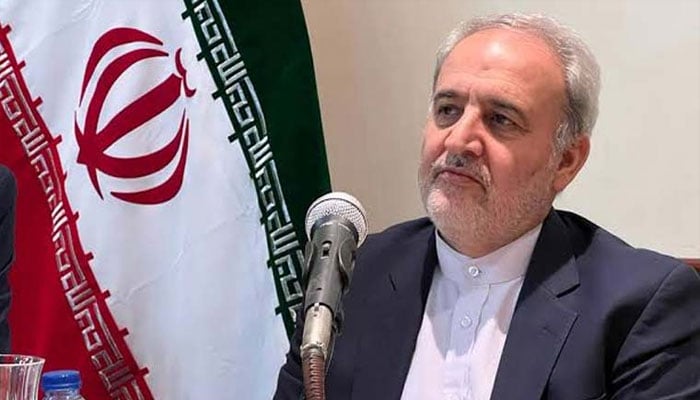
    ISLAMABAD: Iran’s Ambassador to Pakistan, Reza Amiri Moqadam, has raised questions over the political developments in the United Kingdom, suggesting that the leadership transition in London coincided with a major shift in British policy towards Iran. Speaking on recent geopolitical developments, the ambassador claimed that former British Prime Minister Sir Keir Starmer came under intense political pressure after allegedly refusing to support the United States and Israel during the Iran conflict. According to Amiri Moqadam, Starmer was subsequently accused of incompetence and forced to step down. The Iranian envoy further alleged that Britain’s new prime minister moved swiftly after assuming office by granting military base access to the United States and recalling British diplomats from Iran, describing the rapid policy changes as noteworthy. Amiri Moqadam questioned whether the timing of Starmer’s departure and the immediate foreign policy decisions taken by the incoming government were merely coincidental, implying that the sequence of events deserved closer scrutiny. The remarks come amid heightened regional tensions and ongoing diplomatic friction involving Iran and Western powers, as Tehran continues to criticise what it describes as coordinated political and military pressure from the United States and its allies.

  • | | |

    Ukraine claims strike on Russian weapons factory a…

    Ukraine has claimed responsibility for a series of long-range strikes targeting key Russian military infrastructure, including a weapons components factory, a warship, and a cargo vessel allegedly linked to the transportation of Iranian military equipment. The announcement was made by Ukrainian President Volodymyr Zelensky, who said the operations were part of Kyiv’s continued efforts to weaken Russia’s military capabilities. In a statement posted on the social media platform X, Zelensky said Ukrainian forces carried out precision strikes overnight against facilities that support Russia’s ongoing military campaign. He described the attacks as a response to continued Russian assaults on Ukrainian cities and infrastructure. According to the Ukrainian president, one of the primary targets was a factory in Russia’s Kirov region that manufactures components used in weapons deployed against Ukraine. Zelensky noted that the facility is located approximately 1,200 kilometers (745 miles) from the Ukrainian border, highlighting the growing range of Ukraine’s strike capabilities. Ukraine also claimed to have targeted an oil refinery in Tyumen, a logistics facility in Yekaterinburg, and a fuel and supply depot in Rostov-on-Don. These locations are considered strategically important for supporting Russian military operations and logistics. In addition to the strikes inside Russia, Zelensky said Ukrainian forces achieved significant results in the Caspian Sea. He claimed that a Russian warship and vessels allegedly involved in transporting Iranian military-related cargo were also targeted during the operation. Ukraine has not released further details regarding the extent of the damage. Meanwhile, Iran’s Foreign Ministry confirmed that one of its commercial ships was hit in the Caspian Sea and strongly condemned the incident. Iranian officials said the attack caused an explosion aboard the vessel, killing one civilian and injuring another. Tehran described the strike as an act of aggression and accused Ukraine of attempting to broaden the Russia-Ukraine conflict. Iran also stated that it would safeguard its national interests and security while condemning any attacks on its civilian maritime assets. The incident has added another layer of tension to an already complex regional situation involving Russia, Ukraine, and Iran. The claims made by Ukraine and Iran have not been independently verified, and Russian authorities have not issued a detailed public response regarding the reported strikes. As the conflict continues, long-range attacks on military and logistical targets remain a significant feature of the ongoing war, reflecting the evolving nature of the battlefield and the growing strategic reach of both sides.

  • |

    Russian missile strike kills 9 in Kyiv

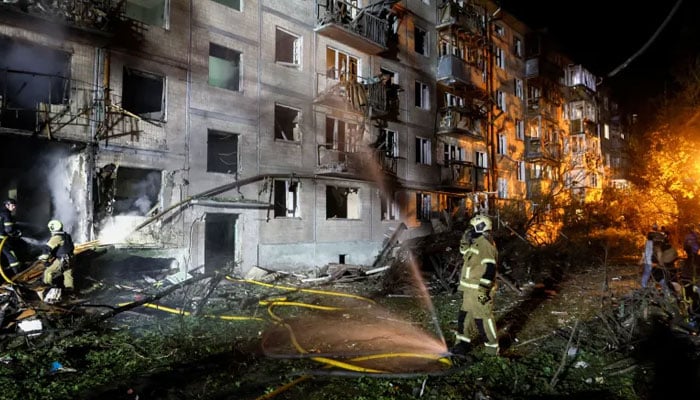
    At least nine people were killed and 23 others injured after Russia launched a missile attack on Ukraine’s capital, Kyiv, on Saturday morning, according to Ukrainian emergency authorities. The Ukrainian Emergency Service said the casualties included two young boys. Officials also reported that one of the injured victims remained in critical condition as rescue and emergency teams continued their operations across the affected areas. The missile strike caused extensive damage to several buildings and triggered fires at multiple locations in the capital. Emergency workers rushed to the scene to extinguish the fires, secure damaged structures and search through piles of debris for survivors. Rescue teams continued clearing the rubble in an effort to locate anyone who might still be trapped beneath collapsed sections of buildings. The attack added to growing concerns over the security situation in Kyiv, which has faced an increase in Russian missile and drone strikes in recent months. Ukrainian authorities have repeatedly warned that Russian attacks continue to pose a serious threat to civilians as well as critical infrastructure. The latest assault also renewed Ukraine’s calls for stronger air defence capabilities. Kyiv has been pressing its Western allies to provide additional advanced defence systems and ammunition, arguing that stronger air protection remains essential to defending major cities and strategic facilities from Russian missile and drone attacks. Ukraine has particularly sought additional Patriot air defence systems, which can intercept certain types of high-speed missiles and provide protection against aerial threats. Ukrainian officials have consistently described air defence as one of their most urgent military requirements as the conflict continues. Meanwhile, US President Donald Trump said discussions are continuing over the possibility of providing Ukraine with technology linked to the production of Patriot missile systems. Trump indicated that talks remain ongoing but made clear that Washington has not yet reached a final decision on the matter. The issue is significant for Ukraine, which has sought to strengthen its ability to defend its territory while reducing its dependence on foreign supplies. Access to advanced air defence technology could potentially help Kyiv expand its defensive capabilities and respond more effectively to repeated missile attacks. The latest strike comes as the war between Russia and Ukraine continues to put civilians and urban centres at risk. Kyiv remains a key target, and Ukrainian officials have repeatedly appealed to international partners for greater military support and stronger air defence measures to protect the capital and other major population centres.

  • | |

    US imposes tariffs on Pakistan and more than 60 trading partners

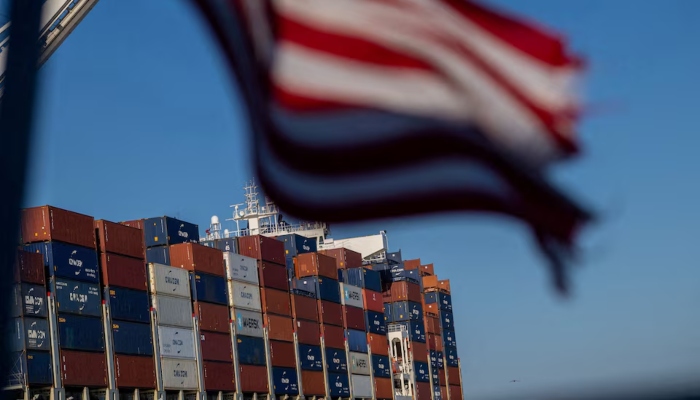
    The United States has introduced a new round of tariffs on imports from more than 60 trading partners, including Pakistan, as part of a broader effort to strengthen measures against goods allegedly linked to forced labour. The new duties officially came into effect on July 24 and are expected to affect trade between the United States and a large number of countries. Under the latest policy, Pakistan has been placed in the group of countries whose exports to the United States will face a 10% tariff. The same tariff rate has also been imposed on imports from countries including India, Bangladesh, the United Kingdom, Canada, Argentina, Cambodia, Ecuador, El Salvador, Guatemala, Honduras, Indonesia, Jordan, Malaysia, Mexico, Sri Lanka and Trinidad and Tobago. Another group of 38 countries will face a 12.5% tariff on goods exported to the US under the same policy. The US administration said the decision was taken because these countries had failed to effectively prevent the import or production of goods allegedly made through forced labour. According to American officials, stronger enforcement of labour laws and better monitoring of supply chains are needed to stop products made under forced labour conditions from entering international markets. The new measures are part of President Donald Trump’s trade agenda, which focuses on using tariffs to address trade and labour-related concerns. The administration has introduced the tariffs under Section 301 of the US Trade Act, a legal provision that allows the United States to take trade action against countries it believes are engaging in unfair trade practices. The latest action follows a major legal setback earlier this year. In February 2026, the US Supreme Court blocked the implementation of an earlier tariff package introduced by the Trump administration. That policy had proposed additional duties ranging from 10% to 50% on imports from several countries. Following the court’s decision, the administration adopted a different legal mechanism to introduce the current tariffs. The decision has drawn criticism from several US trading partners. Australia and Brazil have described the new tariffs as unfair and said they will continue diplomatic efforts to have the measures withdrawn. Norway also rejected the allegations behind the tariffs, saying the decision was based on unsubstantiated claims. Despite the broad scope of the new policy, several important products have been excluded. The tariffs do not apply to imports of crude oil, natural gas, selected agricultural commodities and fertilisers. Goods that are already subject to separate Section 232 national security tariffs, including steel, aluminium, automobiles and copper, are also exempt from the latest duties.

  • |

    Six candidates prepare for first televised debate in UN leadership race

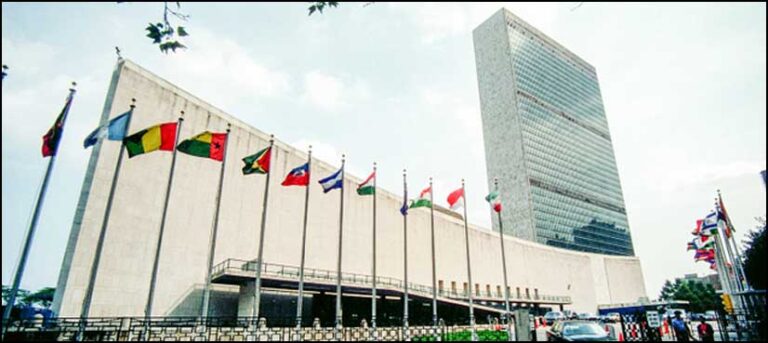
    The six candidates competing to become the next Secretary General of the United Nations are set to take part in a televised debate ahead of the official selection process, offering diplomats, UN staff, and the public a chance to hear their plans for leading the organisation through one of the most challenging periods in its history. The debate will be held in the United Nations General Assembly Hall in New York and comes just one week before the Security Council begins formally considering candidates to succeed Secretary General Antonio Guterres, whose term ends later this year. The 90 minute event will feature questions from diplomats, United Nations employees, and representatives of civil society, and will be broadcast live. The six candidates are former Chilean President Michelle Bachelet, former Ecuadorian Foreign Minister Maria Fernanda Espinosa, Argentine diplomat Rafael Grossi, Costa Rican economist Rebeca Grynspan, Guyanese Foreign Minister Carolyn Rodrigues Birkett, and former Senegalese President Macky Sall. Each is seeking to lead the global organisation at a time when it faces financial pressures, political divisions, and increasing criticism from member states. General Assembly President Annalena Baerbock said the debate provides a valuable opportunity for the candidates to present their leadership vision and priorities before the selection process begins. She stressed that the next Secretary General must not only improve the efficiency of the United Nations but also defend the principles of the UN Charter, including peace and security, human rights, and sustainable development. The organisation is currently facing one of its most difficult periods in recent years. The administration of US President Donald Trump has criticised the United Nations for what it describes as excessive spending, expanding beyond its core responsibilities, and failing to produce effective results. Washington has called for the organisation to focus more closely on maintaining international peace and security, while many other member states argue that protecting human rights and promoting development remain equally important responsibilities. Over recent weeks, each candidate has already answered several hours of questions from representatives of the UN’s 193 member states. During those discussions, most pledged to continue reform efforts aimed at making the organisation more efficient, transparent, and responsive to global challenges. Many also emphasised the need for a more active diplomatic role for the Secretary General in preventing conflicts and supporting peace negotiations. The formal selection process begins on July 30 when the 15 members of the UN Security Council hold their first confidential straw poll. During these informal votes, council members anonymously indicate their preferred candidates. Several rounds of voting may take place until one candidate secures the required support of at least nine council members without being vetoed by any of the five permanent members, namely the United States, China, Russia, the United Kingdom, and France. Once the Security Council agrees on a candidate, the recommendation will be sent to the General Assembly for final approval. The successful candidate will officially begin serving as Secretary General on January 1, 2027. Diplomats say the race remains highly competitive with no clear favourite. Rafael Grossi is widely viewed as one of the strongest contenders because of his international profile and experience leading the International Atomic Energy Agency. However, several diplomats believe Rebeca Grynspan and Carolyn Rodrigues Birkett also enjoy significant support among member states. Speculation continues over whether another candidate could still emerge before the final decision is made. Reports have also mentioned the name of FIFA President Gianni Infantino as a possible outsider, although he is not among the officially declared candidates. This year’s contest has also renewed calls for the United Nations to appoint its first female Secretary General. Many member states argue that after eight decades of male leadership, the organisation should choose a woman for its highest office. Latin American countries are also pressing their case under the informal tradition of rotating the position among different world regions, making the current race one of the most closely watched leadership contests in recent UN history.

  • | | |

    Drone attack damages oil tanker in Strait of Hormuz

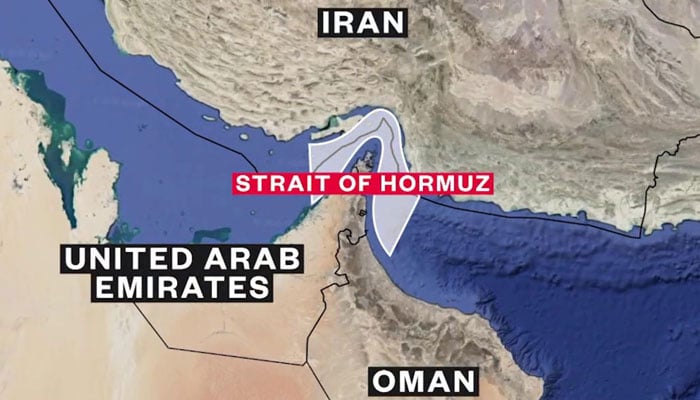
    A drone attack targeted an oil tanker in the Strait of Hormuz, causing minor damage to the vessel but leaving all members of the crew safe, according to the United Kingdom Maritime Trade Operations (UKMTO). The maritime security agency said the incident took place as the tanker was navigating the strategically important waterway. The drone strike caused limited damage to the vessel, but authorities reported no casualties or injuries among the crew. UKMTO also said the incident did not result in any environmental damage. There were no reports of an oil spill, leakage or other pollution following the attack, easing concerns about a possible impact on the marine environment. The Strait of Hormuz remains one of the world’s most important shipping routes, particularly for global energy supplies. Large volumes of crude oil and petroleum products pass through the narrow waterway every day, linking major oil-producing countries in the Gulf with international markets. The latest attack has once again highlighted security concerns surrounding commercial shipping in the region. Any disruption or attack involving an oil tanker in the Strait of Hormuz can raise concerns about the safety of maritime traffic, insurance costs and the uninterrupted movement of energy supplies. Authorities continue to monitor the situation and advise commercial vessels operating in the area to remain alert to potential security threats.

Leave a Reply

Your email address will not be published. Required fields are marked *