thailand8217s foreign tourist

Thailand’s Foreign Tourist Arrivals Drop 3.2% Year-on-Year

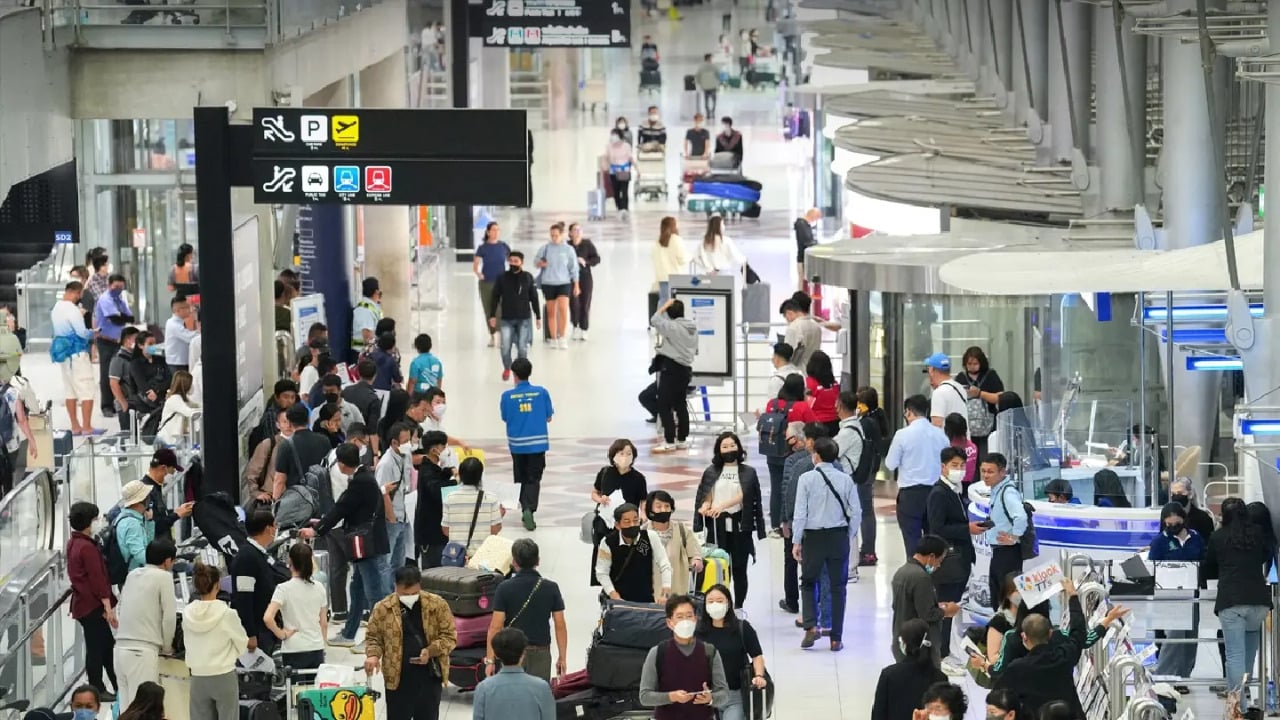
BANGKOK – Thailand’s foreign tourist arrivals dropped by roughly 3.2% during the first eight months of 2026. Between January 1 and August 1, the country welcomed just over 18.5 million international visitors.

This marks a noticeable shift for a country that relies heavily on global travel for income. Tourism remains a massive financial driver for Southeast Asia’s second-largest economy, yet the landscape is definitely changing.

Key Takeaways

  • International arrivals in Thailand fell by 3.19% to 18.51 million visitors between January and August 2026.
  • Short-haul travel from nearby Asian countries has slowed down, which directly impacted the total visitor count.
  • Tourism officials are now focusing on attracting higher-spending tourists rather than chasing record-breaking crowd numbers.

The Ministry of Tourism and Sports shared these updated arrival figures on Monday. While 18.5 million visitors is still a massive number, it falls a bit short of previous years. Before the global pandemic, Thailand saw a record-breaking nearly 40 million tourists in 2019.

The recent 3.19% year-on-year decline reveals a new reality for the Thai travel sector. Officials note that a sudden drop in short-haul flights is partly to blame for this decrease. Many travelers from neighboring Asian countries are simply taking fewer trips to Thailand this year.

For example, recent flight data shows a noticeable dip in airline seat capacity from places like India. Regional safety concerns and changing travel habits have also kept some short-haul tourists closer to home. This has forced the local industry to rethink how it attracts new international guests.

Why Are Total Visitor Numbers Dropping?

Several global and regional factors are causing this slight downward trend in 2026. The Tourism Authority of Thailand points to a slower global economy and rising fuel prices. These external financial pressures make international travel much more expensive for the average family.

Tensions in the Middle East have also disrupted flight routes and shaken global travel confidence. Because of these challenges, Thai officials actually lowered their full-year arrival target earlier in the year. They now expect between 30 and 34 million total visitors by the end of 2026.

Despite these hurdles, Thailand remains the most visited country in all of Southeast Asia. The beautiful nation continues to draw millions of people to its pristine beaches, historic temples, and bustling cities every single month.

With total arrival numbers dipping, Thailand is officially pivoting its national tourism strategy. Instead of racing to hit 40 million visitors again, the focus is now heavily on quality and revenue. The government wants to attract tourists who stay much longer and spend more money.

This fresh strategy is already showing some very positive results in the recent financial data. While slightly fewer people are visiting, the average revenue per tourist seems to be holding strong or growing. Travelers from long-haul destinations like Europe and the United States are helping offset the drop in regional visitors.

These long-haul visitors usually book longer hotel stays and spend much more on local dining and experiences. This major shift from volume to value is a welcome change for the Thai tourism industry. It aims to create a more sustainable travel economy that directly benefits local communities and nature.

What This Means for Thailand’s Economy

Tourism has always been a crucial pillar of Thailand’s overall financial health and stability. It accounts for roughly 12% of the nation’s entire Gross Domestic Product, which is a massive contribution. Millions of local jobs rely directly on international visitors spending their money at hotels, restaurants, and family shops.

While a 3.2% drop might sound alarming at first, the shift to higher-spending tourists provides a strong safety net. The overall revenue generated from tourism remains a massive financial boost to the national economy. Thailand is currently projected to earn nearly $80 billion from the travel sector this year alone.

Moving forward, the country will continue to adapt to changing global travel trends. By focusing on sustainable travel and higher yields per person, Thailand is preparing for a much more resilient future in tourism.

Frequently Asked Questions (FAQ)

How many tourists have visited Thailand in 2026 so far?

Between January 1 and August 1, 2026, Thailand welcomed just over 18.51 million foreign tourists. This represents a 3.19% decrease compared to the same period last year.

Why are tourist numbers down in Thailand right now?

The recent drop is mainly due to a decrease in short-haul travelers from nearby countries. Global economic slowdowns, fewer regional flights, and rising travel costs have all played a major role.

Is the tourism industry still important to the Thai economy?

Absolutely. The tourism sector currently makes up about 12% of Thailand’s entire GDP. Even with slightly fewer visitors, the industry still generates billions of dollars and supports millions of local jobs.

Trending Business News:

Thailand’s Domestic Gas Production Remains Key to Long-Term Energy Security

The 2026 Travel Reset: Thailand Tourism Faces Major Shock as Middle East Arrivals Plunge 25%
 

Similar Posts

  • |

    Pakistan weekly inflation rises as 20 essential items get costlier

    Weekly inflation in the country has recorded a slight increase. According to the Pakistan Bureau of Statistics (PBS), weekly inflation increased by 0.28%. During the week, prices of 20 essential commodities increased while nine items became cheaper and the prices of 22 items remained stable. According to the PBS, onion prices increased by 10.1% and chicken by 9.19%. The prices of gram lentils rose by 2.4% while the prices of ghee, flour and several other commodities also increased. The PBS said that tomato prices decreased by 6.82%. LPG, sugar, eggs and potatoes also became cheaper. Meanwhile, the price of a 20-kilogram bag of flour increased by up to Rs100 in one week. According to the PBS, the maximum price of a 20kg flour bag in the country is Rs3,133. In Karachi, the price increased by up to Rs100 to reach Rs3,000. In Larkana, the price of a 20kg flour bag also increased by up to Rs100 during the week reaching Rs2,600 in Khuzdar and Larkana. In Sukkur, the price of a 20kg flour bag increased by Rs60 while in Bannu it increased by Rs50. Following the increase, the price of a 20kg flour bag reached Rs2,950 in Bannu and Rs2,560 in Sukkur. In Islamabad, the price of a 20kg flour bag reached Rs3,133 while it stood at Rs3,100 in Peshawar and Rs3,093 in Rawalpindi. According to the PBS, a 20kg flour bag was priced at Rs2,960 in Bahawalpur while it reached Rs2,800 in Hyderabad, Multan, Sialkot and Gujranwala. In Sargodha, the price of a 20kg flour bag reached Rs2,793. In Quetta, a 20kg flour bag was priced at Rs2,750 while the price stood at Rs2,300 in Lahore and Rs2,200 in Faisalabad.

  • |

    Umerkot flour millers reject Rs128/kg official rate, seek fresh price review

    UMERKOT: Flour mill owners in Umerkot district have rejected the government-fixed price of Rs128 per kilogram, arguing that the sharp increase in wheat prices has pushed their production costs far above the officially notified rate. The millers said the prevailing wheat price in the open market had climbed to around Rs125 per kilogram, while additional expenses related to milling, labour, electricity, transportation and other operations had increased the overall cost of producing flour to nearly Rs140 per kilogram. They maintained that selling flour at Rs128 per kilogram was therefore commercially unsustainable and would force mill owners to operate at a loss. In this regard, representatives of the flour milling industry have submitted written applications to the Mirpurkhas commissioner and the Umerkot deputy commissioner, requesting authorities to reconsider the existing flour price and determine a new rate based on prevailing market conditions and production costs. The mill owners also raised objections to what they described as excessive administrative action against flour mills across the district. They specifically complained about raids and wheat seizures allegedly carried out by assistant commissioners in Umerkot, Kunri, Samaro and Pithoro. According to the millers, government policy allows flour mill owners to maintain wheat stocks of up to 850 bags per stone at their mills or designated warehouses. They alleged that despite the provision, local administrative officials had conducted raids on mills and storage facilities and seized wheat stocks. The mill owners termed the alleged seizures unjustified and said such actions were creating additional difficulties for an already financially pressured industry. They urged the authorities to ensure that enforcement measures were carried out strictly in accordance with the relevant government policy. The millers further called for an investigation into alleged irregularities involving food department inspectors. They demanded that senior provincial officials examine the complaints and take appropriate action if any wrongdoing is established. They appealed to the Sindh chief minister, provincial food secretary, Mirpurkhas commissioner, Umerkot deputy commissioner and other concerned authorities to intervene in the matter and review the officially fixed flour price. The mill owners argued that the price should be determined after taking into account the current cost of wheat as well as electricity, labour, transportation, maintenance and other expenses associated with flour production. They warned that continued enforcement of a price they consider economically unviable could increase financial losses for flour mills and put further pressure on the district’s milling industry. The millers said they were willing to cooperate with the administration in maintaining the availability of flour and preventing unjustified price increases, but stressed that any official pricing mechanism must reflect actual market and production costs. They also urged the provincial government to establish a transparent mechanism for monitoring wheat stocks and flour prices so that disputes between millers and local administrations could be resolved through clear rules rather than repeated raids and seizures.

  • | | | |

    PM Shehbaz directs timely implementation of privat…

    Prime Minister Shehbaz Sharif has directed all relevant ministries and institutions to ensure the timely implementation of targets and deadlines under the government’s privatisation programme, stressing the need for close coordination to complete the process according to schedule. The directives were issued during a meeting held to review progress on the privatisation of state-owned enterprises. The meeting was informed that a total of 27 public sector organisations have been included in the government’s privatisation agenda, which is being carried out in three phases. During the briefing, officials updated the prime minister on the progress of the privatisation of Islamabad, Lahore and Karachi airports, as well as several major public sector entities. The meeting also reviewed the privatisation process of electricity distribution companies, including the Islamabad Electric Supply Company (IESCO), Faisalabad Electric Supply Company (FESCO), and Gujranwala Electric Power Company (GEPCO). Officials informed the prime minister that Expressions of Interest (EOIs) have already been invited for all three companies. The deadline for investors to submit documents for FESCO has been set for August 7, while submissions for GEPCO will close on August 21. The deadline for IESCO is September 7, 2026. The briefing noted that several international companies have expressed interest in acquiring the power distribution companies. Officials added that roadshows and engagement sessions with potential investors are continuing to attract further investment. Prime Minister Shehbaz also reviewed the proposed privatisation of the Zarai Taraqiati Bank Limited (ZTBL) and directed authorities to design the transaction in a way that preserves the bank’s vital role in supporting Pakistan’s agricultural sector. He emphasised that the bank should continue providing agricultural loans and financial services to farmers even after privatisation. The prime minister said farmers’ access to financial resources is essential for increasing crop yields and improving agricultural productivity. He further stated that agriculture remains a key pillar of Pakistan’s economy and plays a critical role in ensuring food security. Therefore, any privatisation model should safeguard the sector’s long-term interests while maintaining uninterrupted financial support for farmers.

  • |

    North Carolina man wins $1 million lottery after trusting his lucky number 7

    A North Carolina man has struck it rich after relying on what he has always believed to be his lucky number, winning a $1 million prize from a scratch-off lottery ticket. According to international media reports, Thomas Moonves, a resident of Biscoe in North Carolina, purchased a $10 Triple Red 777 Jackpot scratch-off ticket from a local convenience store. He said he chose the ticket because the number 7 has always held special meaning in his life. Moonves explained that his connection with the number dates back to his birth, as he was born on the 7th day of the month in 1977. Believing the number had consistently brought him good fortune, he decided to try his luck with a ticket featuring multiple sevens. Soon after buying the ticket, Moonves scratched it on the spot and was stunned to discover he had won the game’s top prize of $1 million. Recalling the unforgettable moment, he said he was overwhelmed with excitement and could hardly believe what he was seeing. The unexpected win turned an ordinary trip to the store into a life-changing experience.

  • How Thai SMEs Can Audit & Prepare Product Catalogs for Amazon Global Selling

    For Thai SMEs, this is often where the gap lies. A product catalog that performs well on local sales channels may still fall short of Amazon’s cross-border selling requirements for product identifiers, category attributes, variation structure, listing content, images, claims, compliance documents, and fulfillment data. An Amazon product catalog audit helps identify these gaps before […]

  • |

    Trinasolar eyes Pakistan’s battery storage boom

    Pakistan has built one of the world’s fastest-growing distributed solar markets. According to recent research by Ember and Renewables First, it is estimated that Pakistan has approximately 38GW of distributed solar capacity across residential, commercial, industrial and agricultural sectors. As this installed solar base grows, the next challenge is making that energy more flexible and available when businesses need it most. Trina Storage, Trinasolar’s global battery energy storage business, says Pakistan’s expanding solar base is increasing interest in solar-plus-storage, particularly for utility-scale and microgrids for commercial & industrial (C&I). A Renewables First report estimates that Pakistan imported 4.6 GWh of BESS in 2025, representing 220% year-on-year growth. Rather than replacing existing solar assets, well-designed solar-plus-storage systems can help businesses optimize renewable energy use, improve operational flexibility and support more resilient energy management strategies, depending on each site’s design and operating requirements. However, adding BESS to an existing solar installation is not a simple plug-and-play exercise. Projects require careful assessment of the site’s electrical architecture, inverter configuration, demand profile, equipment compatibility, energy management system, safety requirements and commercial objectives. For many retrofit projects, an AC-coupled approach provides a practical solution by allowing battery storage to operate alongside an existing PV system through its own Power Conversion System (PCS), helping retain much of the original solar infrastructure. Compatibility must still be assessed at system level, including electrical interfaces, communications, controls and compliance with the applicable IEC and UL standards. Designed for utility-scale and C&I applications, Trina Storage’s Elementa Series is compatible and is designed for integration within solar-plus-storage systems using Trina or third-party equipment, with compatibility assessed according to the project architecture. Beyond supplying technology, Trinasolar can work with customers and EPC partners to assess system compatibility, determine the most suitable BESS configuration and develop an operating strategy aligned with each site’s technical and commercial requirements. Trinasolar’s energy storage expertise builds on its long-established presence in Pakistan’s solar market, where the company has supplied more than 500MW of 700W+ modules across commercial, industrial and residential applications and recently introduced the Vertex N G3 760W series. Globally, Trina Storage, established in 2015, has achieved BloombergNEF Tier 1 Energy Storage Manufacturer status for 10 consecutive quarters and is expected to surpass 30 GWh of cumulative shipments by the first half of 2026. Its latest 6.25MWh Elementa 3 platform combines advanced battery technology, intelligent thermal management and integrated safety features for large-scale energy storage applications. “Pakistan has already built a strong solar foundation. The next phase is to consider how battery storage can be integrated with those assets to make renewable electricity available across a wider range of operating conditions. That requires careful assessment of the existing equipment, the site’s load profile and the role the battery is expected to perform. Trinasolar’s PV experience and Trina Storage’s global BESS capabilities give us a useful perspective across both sides of that system,” said Edison Zhou, Head of Pakistan, Trinasolar.

Leave a Reply

Your email address will not be published. Required fields are marked *