pakistan weekly inflation
|

Pakistan weekly inflation rises as 20 essential items get costlier

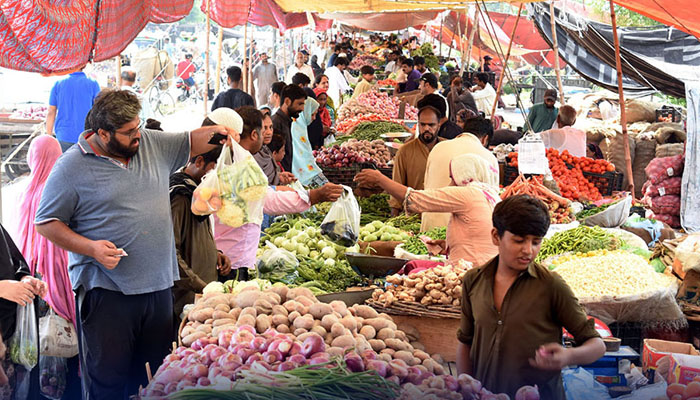
Weekly inflation in the country has recorded a slight increase. According to the Pakistan Bureau of Statistics (PBS), weekly inflation increased by 0.28%. During the week, prices of 20 essential commodities increased while nine items became cheaper and the prices of 22 items remained stable.

According to the PBS, onion prices increased by 10.1% and chicken by 9.19%. The prices of gram lentils rose by 2.4% while the prices of ghee, flour and several other commodities also increased. The PBS said that tomato prices decreased by 6.82%. LPG, sugar, eggs and potatoes also became cheaper.

Meanwhile, the price of a 20-kilogram bag of flour increased by up to Rs100 in one week.

According to the PBS, the maximum price of a 20kg flour bag in the country is Rs3,133. In Karachi, the price increased by up to Rs100 to reach Rs3,000. In Larkana, the price of a 20kg flour bag also increased by up to Rs100 during the week reaching Rs2,600 in Khuzdar and Larkana.

In Sukkur, the price of a 20kg flour bag increased by Rs60 while in Bannu it increased by Rs50. Following the increase, the price of a 20kg flour bag reached Rs2,950 in Bannu and Rs2,560 in Sukkur. In Islamabad, the price of a 20kg flour bag reached Rs3,133 while it stood at Rs3,100 in Peshawar and Rs3,093 in Rawalpindi.

According to the PBS, a 20kg flour bag was priced at Rs2,960 in Bahawalpur while it reached Rs2,800 in Hyderabad, Multan, Sialkot and Gujranwala. In Sargodha, the price of a 20kg flour bag reached Rs2,793. In Quetta, a 20kg flour bag was priced at Rs2,750 while the price stood at Rs2,300 in Lahore and Rs2,200 in Faisalabad.

Similar Posts

  • | |

    Lasting solutions beyond military action require n…

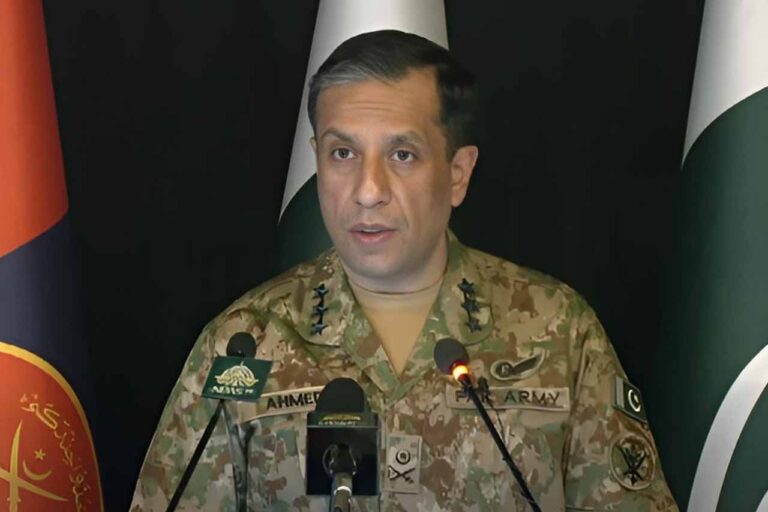
    ISLAMABAD: Director General of Inter-Services Public Relations (ISPR), Lieutenant General Ahmed Sharif Chaudhry, has said that military operations alone cannot permanently resolve Pakistan’s security challenges, stressing that lasting peace requires a collective national effort. Addressing a media briefing, the military spokesperson said that while the armed forces continue to conduct effective operations against terrorism, sustainable stability depends on the active role of all state institutions and society. He emphasized that the fight against terrorism is a national responsibility that extends beyond the battlefield. The DG ISPR noted that security forces remain committed to eliminating terrorist threats and protecting the country’s sovereignty. However, he underlined that enduring peace can only be achieved through coordinated governance, public support, and a comprehensive national strategy alongside security operations. His remarks highlighted the importance of unity and a whole-of-nation approach in addressing Pakistan’s security challenges, reaffirming that military successes must be complemented by political, administrative, and societal efforts to ensure long-term stability. Moreover, Director General of Inter-Services Public Relations (ISPR) Lieutenant General Ahmed Sharif Chaudhry has said Pakistan must become a “hard state” where the Constitution and law are applied equally to everyone, stressing that strong governance is essential to defeating terrorism and ensuring lasting peace. He rejected claims that the security situation in Balochistan is worsening, calling them part of a deliberate campaign to create a false perception about the province. Addressing a detailed press conference on Friday, the military spokesperson said Pakistan’s security forces continue to make significant gains against terrorism through sustained intelligence-based operations across the country. Lt Gen Chaudhry said a total of 40,348 intelligence-based operations (IBOs) have been carried out so far this year by the armed forces, police, intelligence agencies and civil armed forces. More than 31,000 of these operations were conducted in Balochistan, reflecting the state’s continued focus on restoring peace in the province. He said Pakistan recorded 3,145 terrorism-related incidents during 2026. Of these, 1,971 incidents occurred in Khyber Pakhtunkhwa, 1,148 in Balochistan and 26 in other parts of the country. The ISPR chief said security forces killed 2,084 confirmed terrorists during operations this year, describing it as the highest average in the country’s history. On average, around 10 terrorists have been eliminated every day, while nearly 200 intelligence-based operations are conducted daily. Highlighting the sacrifices made in the fight against terrorism, Lt Gen Chaudhry said 819 Pakistanis lost their lives in terrorism-related incidents this year. The victims included 303 military personnel, 194 members of police and civil armed forces, and 322 civilians. He also revealed that 28 suicide attacks had taken place across the country during the year. According to him, most of these attacks involved Afghan nationals or individuals linked to groups operating from Afghan territory. The military spokesperson said the rise in terrorist attacks should not be viewed as a sign of weakness. Instead, he argued that militant groups have intensified attacks because of increasing pressure from proactive security operations and repeated battlefield setbacks. Lt Gen Chaudhry also accused the Afghan Taliban administration of allowing terrorist groups to operate from Afghan soil, claiming cross-border support remains a major factor behind terrorism inside Pakistan. Explaining his vision of a “hard state,” he said it does not mean military rule. Rather, it refers to a country where institutions function according to the Constitution, laws are enforced fairly, and no individual or group stands above the law. Referring to Article 5 of Pakistan’s Constitution, he said loyalty to the state and obedience to the Constitution are fundamental duties of every citizen. He added that discussions about rights must also include recognition of civic responsibilities. Speaking specifically about Balochistan, Lt Gen Chaudhry said the province’s real challenge lies with certain elites and tribal leaders who seek to preserve the existing power structure. He alleged that some influential groups oppose educational and economic progress because they fear losing their traditional influence. He further claimed that some individuals benefit from illegal activities, including smuggling and other criminal networks, and promote unrest whenever the state strengthens law enforcement or cracks down on such activities. The military spokesperson reiterated that Pakistan would not negotiate with terrorist groups or those using violence for political purposes. Instead, he said the armed forces would continue engaging directly with the people of Balochistan, whom he described as the province’s true stakeholders. Lt Gen Chaudhry also alleged that hostile foreign powers are attempting to exploit Balochistan’s strategic location and natural resources by supporting anti-state elements in collaboration with local actors opposed to reforms and development. Discussing the issue of missing persons, he said the Commission of Inquiry on Enforced Disappearances has received 10,901 complaints since its establishment. Of these, 9,372 cases have been resolved, with 4,896 individuals returning home, around 1,030 found in prisons, 308 confirmed dead, and nearly 2,400 complaints determined to be incorrectly reported. He added that 2,933 complaints originated from Balochistan, of which 2,767 have already been resolved.

  • | |

    Ghazi University, PMD and World Bank strengthen Hi…

    Dera Ghazi Khan: PMD, World Bank and Ghazi University Join Hands to Strengthen Hill Torrent Monitoring and Disaster Preparedness in Dera Ghazi Khan by establishment of State-of-the-Art Automatic Weather Station. A Major Milestone Towards Strengthening Weather Forecasting, Hill Torrent Monitoring and Community Resilience in Dera Ghazi Khan Ghazi University, Dera Ghazi Khan, has taken a significant step towards strengthening weather monitoring, disaster preparedness and climate resilience in the region through the establishment of a state-of-the-art Automatic Weather Station (AWS) under the World Bank-supported Modernization of Hydromet Services of PMD in Pakistan Project (MHSP). The initiative, being implemented by the Pakistan Meteorological Department (PMD) with support from the World Bank, aims to modernize Pakistan’s hydrometeorological observation network, enhance forecasting capabilities and improve climate service delivery. The project is expected to play a vital role in strengthening early warning systems and disaster preparedness, particularly in areas vulnerable to extreme weather events and climate-related hazards. The proposed Automatic Weather Station at Ghazi University will provide real-time, high-resolution meteorological data, significantly contributing to weather forecasting and the monitoring of weather conditions associated with hill torrents in Dera Ghazi Khan. Given the region’s vulnerability to flash floods and hill torrents, the installation represents an important step towards improving early warning capabilities and protecting communities, livelihoods and infrastructure. Under Phase-I of the MHSP, a total of 110 Automatic Weather Stations are being installed across Pakistan, including 25 stations in Punjab. These stations will expand the country’s real-time weather observation network and provide reliable meteorological data to support forecasting, research, disaster risk reduction and climate-resilience planning. A project team recently visited Ghazi University, Dera Ghazi Khan, where it held a meeting with the Vice Chancellor, Prof. Dr. Ashfaq Ahmad. During the visit, the team conducted a comprehensive assessment of the proposed site, finalized the location for installation of the Automatic Weather Station, and signed a Memorandum of Understanding (MoU), formally designating Ghazi University as an AWS installation site. The visiting delegation comprised Mr. Hassan Shafiq, Environment & Social Safeguards Consultant, World Bank; Dr. M. Yasir, Hydrology Consultant; Mr. Abdul Aziz, Director, Regional Meteorological Centre Lahore, Pakistan Meteorological Department; and Mr. Sajid Hussain, Meteorologist, PMD. The delegation was accompanied by Dr. Sagheer Atta, Director ORIC, Ghazi University. Speaking on the occasion, Vice Chancellor Prof. Dr. Ashfaq Ahmad expressed the university’s strong commitment to supporting the initiative and emphasized the importance of establishing an Automatic Weather Station at Ghazi University. He stated that the facility would not only strengthen real-time weather monitoring and forecasting in Dera Ghazi Khan but would also significantly enhance the monitoring and early warning of hill torrents, helping improve disaster preparedness and protect local communities from potential hazards. He described this contribution as an important form of community service, particularly for vulnerable populations in the hill-torrent-prone areas of the region. The station will also create valuable opportunities for research, academic collaboration, student training and practical learning in meteorology, hydrology, climate science and related disciplines.

  • |

    Govt approves 16 pension fund managers for new pension scheme

    The federal government has taken a significant step towards implementing its newly introduced contributory pension system by approving 16 eligible Pension Fund Managers (PFMs) under the Defined Contribution Pension Fund Scheme-2024 for newly recruited federal employees. According to an official notification issued by the Ministry of Finance, the approved Pension Fund Managers have successfully completed all required legal and administrative agreements with the federal government. Following the completion of these formalities, they are now authorized to receive, manage, and invest pension contributions under the new pension framework. The move marks an important milestone in the government’s broader pension reform agenda, aimed at ensuring the long-term financial sustainability of the country’s pension system while reducing the growing fiscal burden associated with traditional pension payments. The Defined Contribution Pension Fund Scheme-2024 was introduced under the Federal Government Defined Contribution Pension Fund Scheme Rules, 2024, replacing the long-standing defined benefit pension model for newly appointed federal government employees. Under the previous system, retired employees received pensions funded entirely by the government. The new framework, however, shifts to a contributory model in which both employees and the government make regular monthly contributions toward retirement savings. As per the scheme, every newly recruited federal employee will contribute 10 percent of their pensionable salary each month to an individual pension account. In addition, the federal government will contribute 12 percent of the employee’s pensionable salary, creating a combined retirement fund that will be professionally managed by the approved Pension Fund Managers. The accumulated contributions will be invested in a diversified portfolio of financial instruments and investment opportunities with the objective of generating long-term returns. Upon retirement, employees will receive pension benefits based on the total value of their accumulated savings and the investment returns earned over the course of their service, rather than relying on a fixed government-funded pension. Officials believe the reform will help establish a financially sustainable pension system by encouraging long-term savings and reducing future pension liabilities on the national exchequer. The appointment of the 16 Pension Fund Managers is expected to facilitate the smooth rollout of the scheme and provide newly inducted federal employees with multiple professionally managed investment options for their retirement savings.

  • | |

    Zardari, Shehbaz among officials depositing gifts …

    President Asif Ali Zardari, Prime Minister Shehbaz Sharif and other senior officials have deposited numerous gifts received from foreign dignitaries in the Toshakhana. The government has released details of gifts received by senior officeholders during the recent period. The Cabinet Division has also made records of gifts received by public officials since 2002 available on its official website. Information Minister Attaullah Tarar said details of deposited gifts are published periodically. He said the records cover gifts received by the president, prime minister, deputy prime minister, federal ministers and other government officials. However, the names of the foreign dignitaries who presented the gifts have not been made public. The Cabinet Division has stated that the valuation of some of the newly listed gifts is still being completed. It has also clarified that the published information is based on records and declarations submitted by individuals and departments. The records show that President Zardari received several valuable and ceremonial items. These included a tea set, sword, golden desert model, woollen overcoat and a Vacheron Constantin Geneve wristwatch. Other gifts listed for the president included a decorative piece, ceremonial sabre set, chessboard, serving bowl and an oil painting. First Lady Assefa Bhutto-Zardari and Bakhtawar Bhutto-Zardari also received jewellery. The records show that both received necklaces. Jewellery sets were also listed among their gifts. Assefa Bhutto-Zardari additionally received a Kumis set. Prime Minister Shehbaz Sharif also received a wide range of gifts. The items included shields, souvenirs, portraits, ties, frames and swords. Some jewellery items were also listed among the gifts received by the prime minister. The records further show several watches, including Rolex and Patek Philippe models. Other items included a coin, traditional dress, clock, sugar bowl and car model. Cups, pens and cufflinks were also among the listed gifts. Deputy Prime Minister Ishaq Dar received several items as well. His gifts included a decorative piece and a traditional Chinese stamp. The records also mention a Burmese string puppet, a Myanmar cultural frame, a Rolex watch, vase, medal and Chinese leather belt. Dar also received an Egyptian statue, pen and cufflink set. Several other federal officials were also listed in the records. Economic Affairs Minister Ahad Khan Cheema received a book about Uzbekistan and a T-shirt. Economic Affairs Secretary M. Humair Karim received a ballpoint pen. Information Minister Tarar was listed as having received a Rolex watch. Several members of the president’s staff also received watches. These included the military secretary, chief security officer, Air ADC, principal staff officer and presidential spokesperson. National Assembly Speaker Ayaz Sadiq received a large ceramic jar. Senator Saleem Mandviwalla received a Bvlgari watch. Former NAB chairman retired Lt Gen Nazir Ahmed received a wristwatch and an INTERPOL commemorative book. Deputy Chief of State Protocol Hafeezullah received a Tag Heuer watch. Special Assistant to the Prime Minister on Foreign Affairs Tariq Fatemi received a Rolex watch and a hand-chased tea set. Prime Minister’s spokesperson for foreign media Mosharraf Ali Zaidi received a Tag Heuer watch. Special Assistant to the Prime Minister for Industries and Production Haroon Akhter received a hand-chased tea set with 24-karat gold plating. The government has said the details of Toshakhana gifts will continue to be uploaded periodically. The Cabinet Division has also placed a disclaimer on the records. It said the information is based on available records and declarations made by officials and departments under the rules applicable at the time.

  • | |

    Children’s fight turns deadly as gunfire erupts …

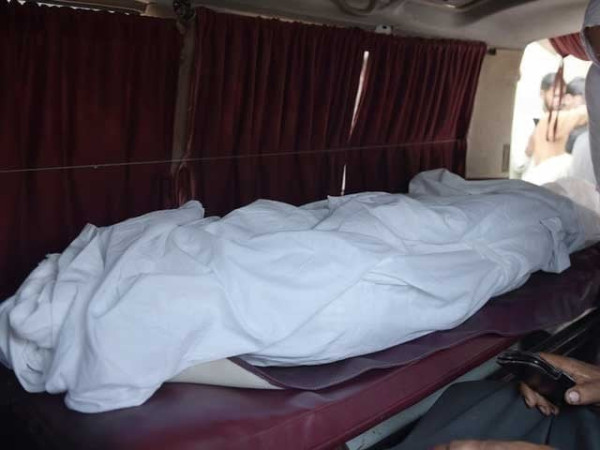
    A young man was killed in Lahore after a dispute between children reportedly escalated into a violent confrontation involving adults and gunfire in the city’s Ghaziabad area. According to police and local reports, the incident took place within the jurisdiction of Ghaziabad Police Station. The trouble reportedly began when children got into an argument while playing. What initially appeared to be a minor dispute soon intensified after adults from the two sides became involved. The disagreement reportedly escalated rapidly with the opposing sides allegedly pulling out firearms. Gunshots were then fired during the confrontation leaving a young man seriously injured. Police said the victim suffered critical injuries in the shooting. He was immediately taken to Services Hospital in Lahore, where doctors attempted to save his life. However, his condition remained critical and he eventually died while receiving treatment. Following the incident, police launched an investigation and took suspects allegedly involved in the shooting into custody. Authorities said legal proceedings have been initiated against those arrested while investigators are working to establish the circumstances that led to the deadly confrontation. Police also completed the necessary legal procedures regarding the victim’s body before handing it over to his family. The incident has highlighted the serious consequences that can arise when minor disagreements turn into violent disputes. What reportedly began as a quarrel between children eventually escalated into an armed confrontation, resulting in the death of a young man. Authorities are expected to investigate whether the weapons used in the incident were legally held and determine the exact role of each suspect. Further details may emerge as the investigation progresses. Residents in the area have expressed concern over the escalation of disputes into armed violence. Such incidents can pose serious risks not only to those directly involved but also to nearby residents and bystanders. Police have urged citizens to avoid taking the law into their own hands and to contact authorities when disputes become serious. Officials said those responsible would face legal action according to the law. The case remains under investigation, while the arrest of the suspects is expected to help authorities determine what triggered the shooting and how the confrontation escalated so quickly.

  • |

    Global food prices hit three-year high in July

    Global food prices reached their highest level in three years in July. The United Nations Food and Agriculture Organization (FAO) said global food prices rose significantly due to weather conditions and the Iran-US war reaching a three-year high. The FAO Food Price Index tracks monthly changes in international prices of major food commodities. According to the index, global food prices rose to 131.1 points in July compared with 130.3 points in June. This was the highest level recorded since January 2023. The FAO’s chief economist had told a news agency in recent days that the world was once again facing food price inflation due to the wars in Iran and Ukraine as well as the El Niño climate phenomenon which can affect crop production. El Niño is a climate pattern in which a large part of the Pacific Ocean becomes unusually warm contributing to an increase in global temperatures. According to the international organization, wheat prices increased by 5.8% resulting in an overall 3.4% increase in commodity prices. Wheat exports through the Black Sea were affected while rising temperatures disrupted crop production in major wheat-growing regions. The FAO Vegetable Oil Price Index increased by 2% reaching its highest level since June 2022. Vegetable oil prices rose due to the Iran war and increased demand for biodiesel. Sugar prices increased by 5.6% amid weather-related concerns in Europe and Asia. However, meat prices declined by 2.8%.

Leave a Reply

Your email address will not be published. Required fields are marked *