north carolina man
|

North Carolina man wins $1 million lottery after trusting his lucky number 7

A North Carolina man has struck it rich after relying on what he has always believed to be his lucky number, winning a $1 million prize from a scratch-off lottery ticket.

According to international media reports, Thomas Moonves, a resident of Biscoe in North Carolina, purchased a $10 Triple Red 777 Jackpot scratch-off ticket from a local convenience store. He said he chose the ticket because the number 7 has always held special meaning in his life.

Moonves explained that his connection with the number dates back to his birth, as he was born on the 7th day of the month in 1977. Believing the number had consistently brought him good fortune, he decided to try his luck with a ticket featuring multiple sevens.

Soon after buying the ticket, Moonves scratched it on the spot and was stunned to discover he had won the game’s top prize of $1 million.

Recalling the unforgettable moment, he said he was overwhelmed with excitement and could hardly believe what he was seeing. The unexpected win turned an ordinary trip to the store into a life-changing experience.

Similar Posts

  • | | | |

    Petrol Price hits Rs320.73 after fresh hike

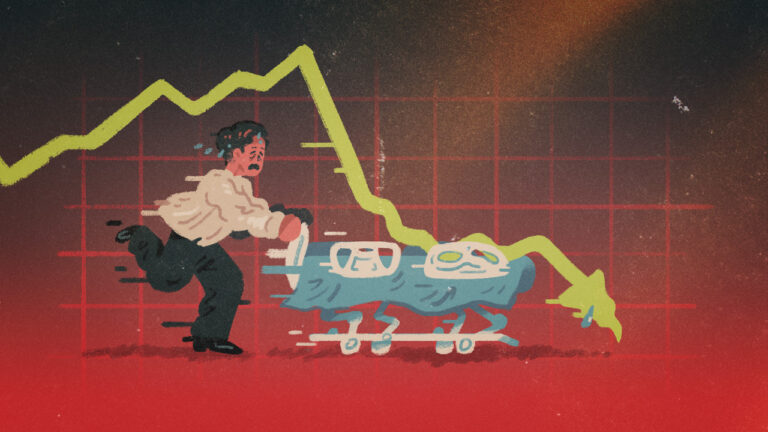
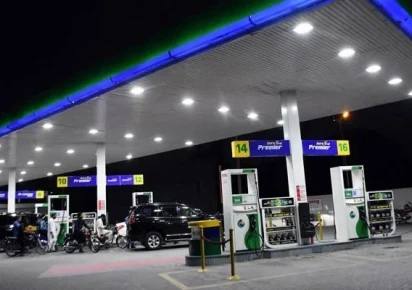
    The federal government on Tuesday announced a fresh increase in the prices of petrol and high-speed diesel (HSD), continuing its new policy of daily fuel price adjustments. According to a notification issued by the Ministry of Petroleum, the price of petrol has been increased by Rs4.93 per litre. The new price has been fixed at Rs320.73 per litre. The price of high-speed diesel has also been raised by Rs7.15 per litre. Consumers will now pay Rs367.21 per litre for HSD. The revised prices will come into effect from July 22. The increase follows the government’s recent decision to introduce a daily petroleum pricing mechanism. Previously, fuel prices were reviewed every two weeks. Under the new system, prices are revised every day based on changes in the international oil market. Officials said the daily pricing formula uses the average international oil prices recorded over the previous seven days. The policy is intended to ensure that fluctuations in global crude oil prices are reflected more quickly in domestic fuel rates. The government had also revised fuel prices a day earlier. At that time, the price of high-speed diesel was increased, while petrol received a slight reduction for only one day. The Oil and Gas Regulatory Authority (OGRA) will continue updating petroleum prices on a daily basis. The authority says the new system will improve transparency and allow consumers to see immediate changes linked to global oil prices. Officials said international crude oil prices have become highly volatile due to renewed tensions in the Middle East. Fresh conflict in the region has increased fears of disruptions to global energy supplies and pushed oil prices higher. Concerns over possible supply disruptions through key international shipping routes have also added pressure on global oil markets. Pakistan, which imports a large portion of its petroleum requirements, remains vulnerable to these fluctuations. Earlier, international oil prices had declined after hopes of easing regional tensions. However, the latest developments reversed that trend, forcing another increase in domestic fuel prices. High-speed diesel is mainly used by heavy transport vehicles, agricultural machinery and industries. Any increase in its price usually raises transportation costs and farming expenses, which can contribute to higher prices of essential goods. Petrol is the primary fuel for motorcycles, cars and other private vehicles. Officials said petrol consumption has also increased after restrictions were imposed on the use of indigenous gas in Punjab, leading more consumers to rely on petrol-powered transport.

  • |

    US car leasing declines as higher costs hit buyers

    Car leasing in the United States has dropped significantly in recent years as automakers reduce incentives and consumers struggle with rising monthly payments. Before the COVID-19 pandemic, leasing accounted for nearly 30% of new vehicle deals in the US. However, the share fell sharply during the post-pandemic vehicle shortage and has not fully recovered. In the first half of 2026, leasing represented around 23% of new car transactions. Industry experts say one of the biggest reasons behind the decline is the end of attractive lease offers that previously encouraged customers to choose leasing over buying. Automakers have become less willing to provide low-cost lease deals as they focus on maintaining tighter vehicle inventories and reducing discounts. As a result, many customers returning after the end of their lease terms are facing significantly higher monthly payments. Dealers say some customers are surprised to find their next lease costing hundreds of dollars more than their previous agreement, causing many to reconsider leasing altogether. The decline in leasing has added pressure to vehicle affordability in the US market. Some buyers are now choosing longer financing plans, including loans lasting up to seven years, to manage higher vehicle prices. Leasing usually allows customers to drive newer vehicles with lower monthly payments compared with traditional financing. The average lease payment remains lower than loan payments, but industry analysts say the gap has narrowed significantly. Experts believe automakers changed their approach after the 2021–2023 vehicle shortage caused by semiconductor supply disruptions. Limited inventories helped companies reduce incentives and maintain stronger pricing power. The decline in leasing is also affecting the used-car market. Vehicles returned after three-year leases have traditionally provided dealerships with a steady supply of affordable pre-owned cars. With fewer leased vehicles coming back to the market, used-car supplies have tightened and prices have increased. Data from industry analysts shows that average prices for three-year-old used vehicles have risen substantially compared with pre-pandemic levels. Dealers warn that fewer lease customers could also weaken long-term customer loyalty, as leasing often brings buyers back to showrooms every few years for new vehicles

  • | |

    Musadik Malik calls for smarter water management

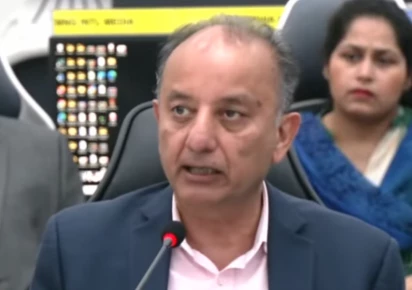
    Climate Minister Musadik Malik has called for a major shift in Pakistan’s water management strategy, saying the country must focus not only on storing water but also on regulating its supply throughout the year. Speaking at a briefing at the National Disaster Management Authority (NDMA), Malik said effective water management was essential for protecting food supplies, supporting agriculture and reducing the impact of climate-related disasters. His remarks came as Pakistan faces another difficult monsoon season. At least 107 people have died and 297 others have been injured since the current rainy season began on June 26, according to disaster management authorities. The Pakistan Meteorological Department has forecast another strong spell of monsoon rains from July 29. Heavy rainfall could trigger urban flooding, flash floods and landslides in several parts of the country. Malik said Pakistan needed different climate strategies for different regions instead of relying on a single nationwide approach. Plans are being developed for cities facing extreme heat, northern areas vulnerable to floods and landslides, and agricultural regions where changing weather patterns are threatening food production. He stressed that water must be available when farmers need it during the Rabi and Kharif seasons. According to the minister, simply allowing large quantities of floodwater to escape without regulating or storing it creates serious risks for agriculture and food security. Malik described water infrastructure as a national security issue. He said the government would focus on improving water regulation, telemetry and storage systems. It would also work with provincial governments to improve zoning and construction standards in disaster-prone areas. National Food Security Minister Rana Tanveer Hussain said Pakistan would require greater water storage capacity in the coming years. He said the country faced two linked challenges: controlling floods and dealing with water shortages. Tanveer said climate change was already changing crop cultivation and sowing patterns. He stressed that agriculture would need to adapt to shifting weather conditions to protect food supplies. The minister said Pakistan was among the countries most vulnerable to climate change, with agriculture facing some of the strongest impacts. He recalled the huge economic losses caused by the 2022 floods but said the country’s disaster response capabilities had improved since then. He said the government had started modifying crop cycles and cultivation patterns in response to changing climatic conditions. Authorities are also working on a broader strategy to strengthen agricultural resilience. Tanveer highlighted several major water projects. He said the Diamer-Bhasha Dam would provide around 6.4 million acre-feet of additional storage capacity, while the Mohmand Dam would add nearly one million acre-feet. He also mentioned progress on the Dasu project and expressed hope that the K-IV water supply project for Karachi would be completed by the end of this year or early next year. Finance Minister Muhammad Aurangzeb described climate change and population growth as major long-term challenges for Pakistan. He called for a coordinated response involving all parts of the government. Aurangzeb said the country was now better prepared financially to respond to natural disasters. He said the government had decided to use domestic resources for rescue and relief operations instead of relying primarily on international assistance. He said Pakistan had launched a $2 billion programme aimed at strengthening climate resilience and reducing environmental risks. Around $700 million annually has also been allocated for disaster management, vulnerability reduction and protection of lives and infrastructure. The finance minister said Pakistan’s disaster financing approach had changed significantly since the 2022 floods. The country had previously relied heavily on international commitments, but authorities are now increasing domestic funding for climate adaptation and emergency response. Information Minister Attaullah Tarar said preparations for the current monsoon season had started before the rains arrived. He credited NDMA’s National Emergencies Operation Centre (NEOC) with improving forecasting and early warning capabilities. Tarar said the system had helped authorities issue timely alerts about dangerous weather events. He urged citizens to follow official warnings and take precautions during periods of heavy rainfall. Meanwhile, flooding continues in parts of Punjab and other regions. The Provincial Disaster Management Authority said water levels in the Chenab River had shown some improvement, while low-level flooding persisted at several locations along the Indus.

  • |

    Akshay Kumar goes full villain, says ‘Haiwaan’ role has no grey shades

    Akshay Kumar is stepping into unfamiliar territory with his upcoming thriller “Haiwaan” taking on a fully negative character for the first time. The role marks a clear departure from his usual on-screen image. The actor recently opened up about his first look and the nature of his character in the film. He made clear there is nothing sympathetic or conflicted about the role he is playing. Kumar explained that his character matches the film’s title exactly, with absolutely no shades of grey involved. He described the role as being completely and unapologetically evil from start to finish. He admitted that taking on such a character felt like an entirely new experience for him. Kumar said he had always wanted to play a psychopath on screen, something he had not attempted in his career so far. He also pointed out that his recent projects have spanned a wide range of genres. From comedy and horror to action and drama, Kumar said he has been consciously exploring different creative directions. Director Priyadarshan also spoke about how Kumar’s distinctive look for the film came together. He revealed that the idea for the beanie actually originated on the sets of a completely different project. Priyadarshan explained that he spotted Kumar casually wearing the beanie during the shoot of “Bhooth Bangla” and instantly loved the look. That casual moment ended up shaping the actor’s final appearance for “Haiwaan.” The director also shared that he had not expected Kumar to accept the role when he first narrated the story. He assumed the actor might turn it down, given how different it was from his usual choices. To his surprise, Kumar showed genuine interest right away. The film also features Saif Ali Khan, Saiyami Kher and Shriya Pilgaonkar in key roles alongside Kumar. Together, the cast brings a mix of star power to what’s shaping up to be a darker, more intense project. “Haiwaan” is currently scheduled for a theatrical release on September 11. With Kumar stepping into unfamiliar villain territory, the film is already generating curiosity ahead of its release.

  • | |

    Iran denies role in Iraq-launched attacks on Saudi…

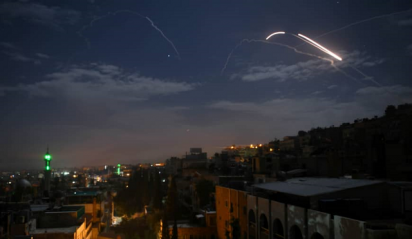
    TEHRAN: Iran has firmly denied any involvement in projectiles launched from Iraq towards Saudi Arabia, dismissing allegations that it was behind the recent attacks on the kingdom’s energy facilities amid escalating tensions across the Middle East. An Iranian military official, speaking to state broadcaster IRIB, rejected claims linking Tehran to the attacks, saying accusations that Iran was responsible for strikes against United States interests or Saudi Arabia reflected a misunderstanding of the regional situation. The official also insisted that projectiles fired from Iraqi territory towards Saudi targets had no connection with the Islamic Republic. The denial came after Saudi Arabia announced that its air defence systems had intercepted and destroyed several drones targeting petroleum facilities in the country’s Eastern Province. Riyadh alleged that the drones were launched from Iraqi territory by armed groups aligned with Iran. In response to the attacks, the United States Central Command (CENTCOM) said American and Saudi forces carried out coordinated precision airstrikes against targets belonging to Iran-aligned groups in Iraq. According to the US military, the operation targeted sites linked to attacks on American personnel and Saudi energy infrastructure. Saudi Arabia described the strikes as an act of self-defence under Article 51 of the United Nations Charter, warning that it would take further military action if similar attacks were carried out by Iran-backed groups. Meanwhile, Iraq’s Popular Mobilisation Forces (PMF) reported heavy casualties from the joint airstrikes, stating that at least 20 of its members were killed and 32 others injured. The group said its headquarters and military assets in several provinces, including Baghdad, Basra, Kirkuk, Karbala, Diyala, Wasit and Nineveh, sustained extensive damage. The exchange marks another sharp escalation in regional tensions, with diplomatic and military confrontations continuing to raise concerns about wider instability across the Middle East.

Leave a Reply

Your email address will not be published. Required fields are marked *