afridi lead pti
| |

Afridi to lead PTI march on Islamabad, says ‘no …

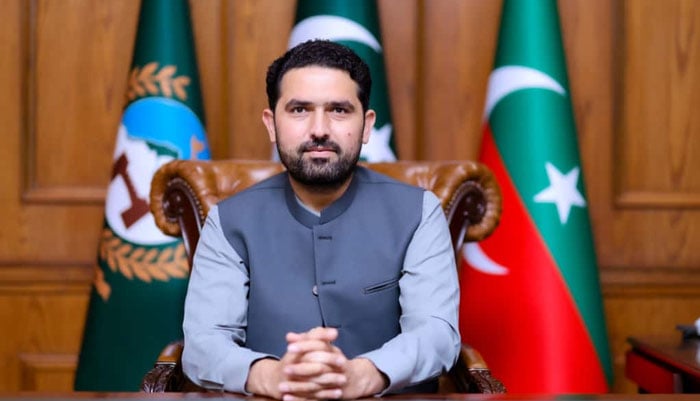
HANGU: Khyber-Pakhtunkhwa Chief Minister Muhammad Sohail Afridi has announced that he will personally lead Pakistan Tehreek-e-Insaf (PTI) workers during the party’s planned long march to Islamabad on September 27, insisting that the date is final and the movement will continue until its demands are met.

Speaking during a visit to Hangu on Saturday, Afridi addressed PTI gatherings at Hangu Bazaar Chowk and Abu Bakr Siddique Chowk as part of preparations for the party’s street movement. PTI provincial president Junaid Akbar Khan, provincial ministers and other party leaders and workers were also present.

Afridi called on party supporters to begin full preparations for the march, saying there would be no retreat. He told workers that he would lead them to Islamabad and expressed confidence that the movement would return with success.

The chief minister also criticised what he described as the failure to implement a Supreme Court directive concerning PTI founder Imran Khan’s medical treatment. Afridi claimed that a three-member bench had ordered arrangements for Khan’s treatment at Shifa International Hospital, but the directive had not been carried out despite time being granted for implementation.

He accused the authorities of applying court orders selectively, alleging that decisions involving PTI and its supporters were enforced quickly while the order concerning Khan’s treatment remained unimplemented.

Afridi urged the judiciary to ensure that laws and court decisions were applied equally, arguing that the country could not operate under separate standards for different groups.

Turning to the economy, the chief minister claimed that Pakistan’s public debt had climbed to Rs97 trillion while inflation and financial pressures continued to affect ordinary citizens. He also alleged that industrial investment was shifting abroad and that farmers were facing increasing difficulties.

Afridi portrayed Imran Khan as a unifying national figure and argued that his return would help rebuild public trust in state institutions and contribute to political stability. He also criticised government policies that he said were contributing to loss of life while benefiting a limited section of society.

Appealing particularly to young Pakistanis, Afridi urged them to take an active role in the September 27 movement. He said the youth make up a major share of PTI’s supporters and argued that they should play a decisive role in determining the country’s political future.
Similar Posts

  • | |

    US, Iran tensions rise over new sanctions

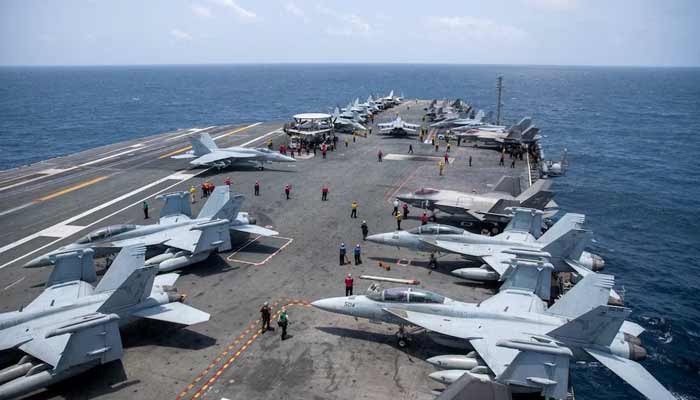
    The United States and Iran have stepped up their hostile rhetoric as Washington prepares to announce a new package of economic sanctions targeting Tehran and potentially countries that continue doing business with it. US Treasury Secretary Scott Bessent is expected to outline the measures on Monday, with Washington describing them as among the toughest sanctions imposed on Iran. The measures could also affect major trading partners, including China, which remains a key buyer of Iranian oil. Iran has rejected the planned sanctions, calling them an unlawful attempt by the United States to impose its authority beyond its borders. Iranian Foreign Ministry spokesperson Esmaeil Baghaei said secondary sanctions had no basis in international law. US President Donald Trump has warned countries providing economic support to Iran that they could face consequences. He said Tehran wanted an agreement but had not yet accepted what Washington considers acceptable terms. The confrontation comes as the war approaches its sixth month. Although the United States and Iran are not currently exchanging fire, diplomatic efforts to end the conflict remain stalled. The situation has also severely disrupted shipping through the Strait of Hormuz, a critical route for global energy supplies. Ship-tracking data showed that only a handful of commercial vessels crossed the waterway on Thursday, while major crude oil and liquefied natural gas carriers remained largely absent. Iran has nevertheless allowed several Iraqi oil tankers to pass through the strait after requests from Baghdad. The permission was reportedly discussed during the recent visit of Iranian Parliament Speaker Mohammad Bagher Ghalibaf to Iraq. Oil flows through the waterway have fallen sharply from pre-war levels. US officials said an average of around 8 million barrels of oil a day was moving through the strait, compared with more than 20 million barrels before the conflict. The disruption has contributed to higher oil prices and raised concerns about wider effects on the global economy. US military operations have inflicted heavy damage on Iran’s military capabilities and economy, but Tehran still retains missile and drone capabilities that could threaten shipping and regional targets. Washington has also yet to achieve some of its stated objectives, including fully determining the status of Iran’s nuclear programme and creating conditions for political change in Tehran. International nuclear inspectors have been unable to access Iran since 2025. Iranian military officials have continued to threaten a strong response to any further attacks. However, President Masoud Pezeshkian has called for a diplomatic solution and an end to the conflict. Iranian officials have also acknowledged the growing economic pressure. Ghalibaf warned that military strength alone would not be enough to sustain the country if economic activity, production and financial circulation continued to suffer.

  • | |

    PMDC approves seat increase for 19 Private College…

    Islamabad: A major debate has erupted over medical college seat expansion in Pakistan after the Pakistan Medical and Dental Council (PMDC) announced new seat enhancements for private medical colleges, while hundreds of existing private sector seats remain vacant due to the high cost of medical education. During a meeting of the Sub Committee of the Senate Standing Committee on National Health Services, Regulations and Coordination, the PMDC President informed lawmakers that seat enhancement approval has so far been granted to 19 private medical colleges. However, the exact number of additional seats approved for these 19 private medical colleges has not yet been disclosed. The announcement came as the committee was already discussing the serious shortage of affordable medical education opportunities for students who want to become doctors. PMDC officials also informed the committee that the government has increased public sector medical college seats by 780 additional seats, creating more opportunities for students seeking admission in public institutions. The committee was told that the increase in seats was part of efforts to expand medical education opportunities and address the growing student demand. At the same time, officials highlighted a major contradiction in the current system. While authorities are increasing the number of medical seats, hundreds of private medical college seats remain empty because many students cannot afford the fees. PMDC officials also informed the committee that hundreds of private medical college seats remained vacant this year because many students were unable to afford the high fee structure of private institutions. They stated the main reason was the high fee structure of private medical colleges, where many students could not afford fees ranging from Rs18 lakh to Rs25 lakh annually. Senator Anusha Rahman questioned why qualified students were unable to enter medical colleges when seats were available. She asked officials whether any seats in public medical colleges were vacant. PMDC officials replied that public medical college seats were completely filled. The senator questioned the situation, saying that thousands of students who had successfully passed MDCAT were still unable to become doctors because of limited seats and financial problems. She pointed out that around 70,000 to 75,000 students who cleared the admission test were left without medical college opportunities. The committee questioned whether enough steps were being taken to protect these students’ futures. During the discussion, Officials suggested a large scale expansion plan and proposed adding 10,000 more medical seats in the Medical sector through government supported loans and scholarship programmes. Senator Shahzaib Durrani said such an initiative could help thousands of students and would require around Rs15 billion annually, which he described as a manageable amount for the government. The committee also discussed whether increasing seats could affect the quality of medical education. PMDC officials explained that medical education requires proper clinical training facilities, including hospitals and patient exposure. Officials said there are specific requirements for increasing medical seats because colleges must have enough hospital beds for students. According to PMDC standards, colleges with 100 students require around 500 hospital beds, while institutions with 200 students need around 750 beds and colleges with 300 students require around 1,000 beds. A PMDC member said medical education cannot be expanded without improving clinical facilities because doctors need practical training, not only classroom education. However, Senator Anusha Rahman argued that increasing seats could encourage institutions to expand their healthcare facilities. She said medical graduates are also a national resource and many Pakistani doctors contribute internationally. The senator directed PMDC to prepare recommendations explaining why private medical college seats remained vacant and what should be done for thousands of qualified students who are unable to secure admission.

  • |

    Lionel Messi returns to Inter Miami training after World Cup

    MIAMI: Football icon Lionel Messi has returned to training with Inter Miami CF after taking a short break following Argentina’s heartbreaking defeat in the FIFA World Cup 2026 final. The Argentine captain was back on the training pitch on Wednesday, just 10 days after Spain edged Argentina 1-0 in the World Cup final in New Jersey, ending the South American nation’s hopes of defending the title they won in Qatar four years earlier. Inter Miami shared a video on its official social media platforms showing Messi arriving for training alongside longtime teammate and close friend Luis Suárez. The footage quickly attracted millions of views as fans celebrated the return of one of football’s greatest-ever players. Following the World Cup final, Messi returned to his hometown of Rosario in Argentina, where he spent time with his family while recovering physically and emotionally from the tournament. A day after the final, the 39-year-old expressed his disappointment in an emotional social media message, admitting that the defeat had left a deep emotional scar. “The pain is immense, and it’s going to take a long time for this wound to heal,” Messi wrote after Argentina narrowly missed out on consecutive World Cup titles. The football legend has not yet confirmed whether he will continue representing Argentina at international level, leaving supporters eagerly waiting for a decision about his future with the national team. During Messi’s absence, Inter Miami head coach Guillermo Hoyos explained that neither Messi nor Argentine midfielder Rodrigo De Paul had a fixed return date, stressing the physical and mental demands of a World Cup campaign. “They need the time,” Hoyos had said, adding that players deserved adequate rest after competing on football’s biggest stage. Major League Soccer also granted Messi and De Paul permission to miss this year’s MLS All-Star Game in Charlotte due to their recent World Cup commitments. The decision marked a departure from last season, when Messi received a one-match suspension after missing the showcase event without an approved exemption. Although Messi has resumed full training, Inter Miami has not officially confirmed when he will return to competitive action. The club is scheduled to host the Columbus Crew on Saturday before beginning its Leagues Cup campaign next week against Mexico’s Atlético de San Luis. With Messi back on the training ground, excitement has surged among Inter Miami supporters, who hope the Argentine superstar will quickly return to action and lead the club’s push for silverware during the remainder of the 2026 season.

  • | |

    Gold prices surge in global and Pakistan markets

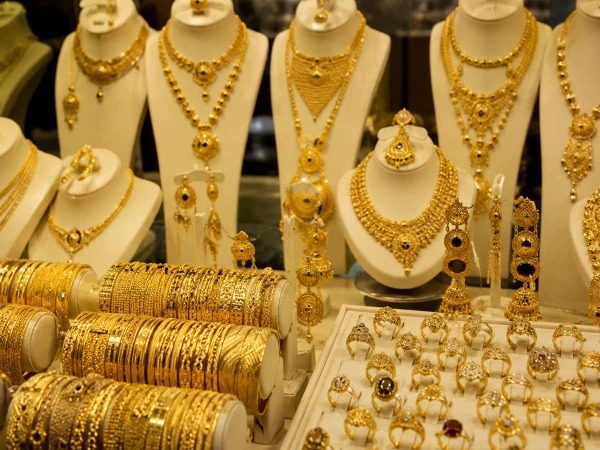
    Karachi: Gold prices witnessed a significant increase in both international and local markets on Tuesday, driven by strong gains in the global bullion market. The latest surge pushed gold to new record levels, impacting precious metal prices across Pakistan. According to market data, the international bullion market recorded a $47 increase per ounce, taking the global gold price to $4,068 per ounce. The sharp rise reflects continued investor demand for safe-haven assets amid global economic uncertainty and market volatility. Following the upward trend in international markets, Pakistan’s local bullion market also experienced a notable jump in gold prices. The price of 24-karat gold per tola increased by Rs4,700, reaching Rs429,236. The increase marks one of the most significant single-day gains in recent weeks. Similarly, the price of 10 grams of 24-karat gold climbed by Rs4,029, bringing the new rate to Rs368,000. The latest price hike is expected to affect jewelry buyers and investors, as demand for gold typically fluctuates with changes in international market trends. Silver prices also followed the upward trajectory. The price of silver per tola increased by Rs219, reaching Rs6,396, while the price of 10 grams of silver rose by Rs188 to Rs5,483. Experts believe that local precious metal prices will continue to remain closely linked to international bullion market movements and fluctuations in the exchange rate. Any further increase in global gold prices or changes in economic conditions could lead to additional price adjustments in Pakistan’s bullion market. Investors and consumers are advised to monitor daily gold and silver rates before making purchasing or investment decisions, as prices remain highly sensitive to global economic developments and market sentiment.

  • | |

    Khawaja Asif says Mohsin Naqvi is among the most p…

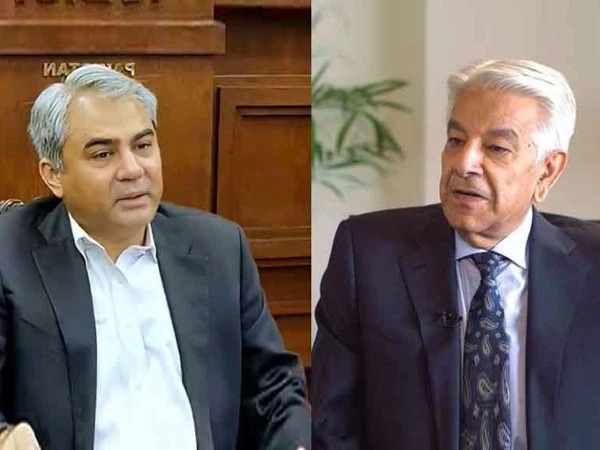
    Federal Defence Minister Khawaja Asif has commented on Interior Minister Mohsin Naqvi’s position within the government, describing him as one of the most influential ministers and highlighting his role in key matters. Speaking during Geo News’ programme Naya Pakistan, Khawaja Asif said that Mohsin Naqvi has considerable authority in the current government. He also discussed Naqvi’s participation in cabinet proceedings and parliamentary activities. Khawaja Asif stated that although Mohsin Naqvi holds the portfolio of interior minister, he has not been a frequent participant in cabinet meetings or parliamentary sessions. He said that he had seen Naqvi in cabinet meetings only a limited number of times. The defence minister’s remarks have drawn attention to discussions about government structure, ministerial responsibilities, and decision-making processes. Political observers often analyze the roles and influence of key officeholders within governments, particularly when senior leaders make public comments about internal affairs. Cabinet members are responsible for managing their respective ministries and contributing to government policy decisions. The level of influence exercised by individual ministers can vary depending on their portfolios, responsibilities, and involvement in major national issues. Mohsin Naqvi, who serves as the interior minister, has remained a prominent figure in government discussions due to the importance of the interior ministry, which handles matters related to internal security, law enforcement, and public administration. Khawaja Asif’s comments have sparked debate among political circles regarding coordination between government institutions and the working relationship between cabinet members. As political discussions continue, statements from senior government officials often become part of broader conversations about governance, accountability, and the functioning of state institutions.

  • | |

    State Bank of Pakistan keeps interest rate unchang…

    The State Bank of Pakistan (SBP) has decided to keep its benchmark policy interest rate unchanged at 11.50% following the latest meeting of its Monetary Policy Committee (MPC). The decision reflects the central bank’s cautious approach as it continues to monitor inflation, economic growth, and global developments that could influence Pakistan’s financial outlook. The policy rate has remained at 11.50% since April 27, with policymakers choosing to maintain the current stance despite recent inflationary pressures. During the meeting, the committee reviewed key economic indicators, inflation trends, and the potential impact of geopolitical tensions in the Middle East on Pakistan’s economy. Speaking at a press conference, SBP Governor Jameel Ahmad said inflation had eased significantly during the first half of the fiscal year. Average inflation between July and February stood at 5.5%, remaining within the lower end of the central bank’s target range. However, rising global oil prices, higher food costs, and increased shipping expenses triggered by tensions in the Middle East placed renewed pressure on prices in the following months. According to the central bank, inflation rose to 11.7% in May before easing slightly to 11.1% in June. The governor expressed optimism that inflation would begin to decline again from July, with a more noticeable improvement expected after September. For the current fiscal year, the SBP projects average inflation to remain close to 7%. The governor also highlighted improvements in Pakistan’s broader economic indicators. He noted that the country’s current account deficit narrowed significantly during the previous fiscal year to $139 million, while the current fiscal year’s deficit is expected to remain between zero and one percent of GDP. Strong remittance inflows have played a major role in supporting the external sector, with overseas Pakistanis expected to send around $44 billion this fiscal year, up from $41.6 billion in the previous year. The SBP also expects exports to improve gradually with government support, stronger performance from the information technology sector, and growth in food exports. While imports have increased, improved external financing has helped meet the country’s payment needs without creating excessive pressure on foreign exchange reserves. Pakistan’s foreign exchange reserves are projected to remain around $20.2 billion by the end of the year, while the country is expected to meet its external debt obligations through a combination of repayments, refinancing arrangements, and continued financial inflows. The central bank reaffirmed that it will continue to monitor domestic and international economic developments before making any future changes to monetary policy.

Leave a Reply

Your email address will not be published. Required fields are marked *